
Comparing Rod Ends & Spherical Plain Bearings: A Decision Framework for Global Buyers
Rod ends and spherical plain bearings are often treated as commodity components in the sourcing process. In practice, however, the gap between a low-cost quotation and a reliably engineered bearing can translate into weeks of downtime, costly field replacements, and fragmented supply risks. Buyers at the decision stage need a framework that compares capability, manufacturing control, validation depth, and total cost — not just unit price and catalogue dimensions.
What Makes Rod Ends Comparison Difficult at the Decision Stage
On the surface, rod ends and spherical plain bearings are governed by standardized dimensional systems. ISO 12240 provides the international framework for these components, covering radial spherical plain bearings, angular contact spherical plain bearings, thrust spherical plain bearings, and rod ends in its four parts. For a buyer, this creates an impression of interchangeability: same dimensions, same load ratings, same part numbers.
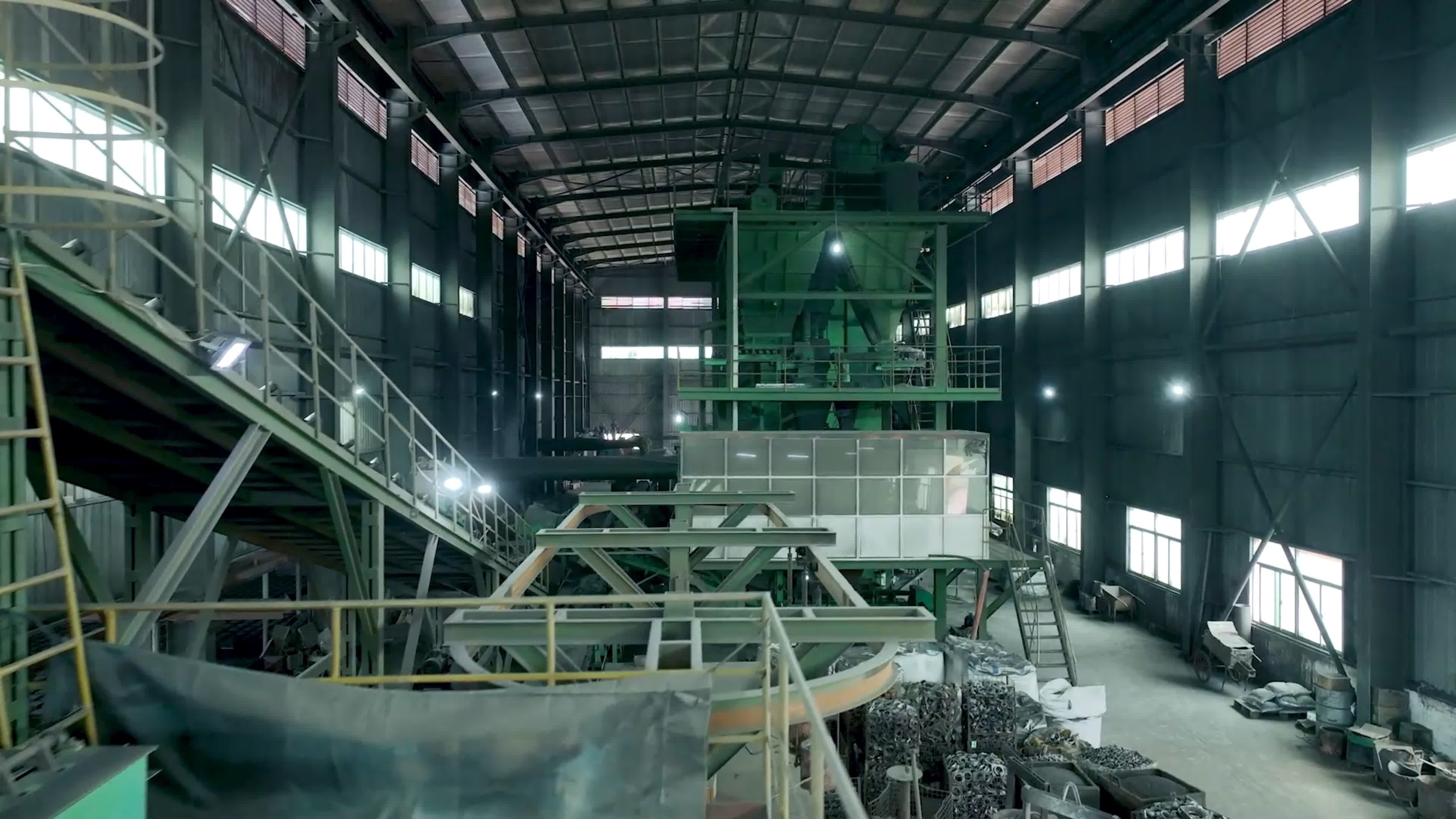
In reality, the manufacturing route behind two identically numbered rod ends can be fundamentally different. One supplier may machine, heat-treat, grind, and assemble the bearing in a single controlled facility. Another may source castings from a workshop, outsource heat treatment to a second vendor, and only perform final assembly and packaging in-house. These differences rarely show up in a catalogue, but they influence corrosion resistance, wear life, lubricant retention, and structural integrity under real operating conditions.
The global market context makes this comparison increasingly important. The global rod ends market was valued at USD 1.79 billion in 2025, with Asia Pacific accounting for a dominant 42.3% revenue share. The broader plain bearing market is projected to grow from USD 10.4 billion in 2024 to USD 17.8 billion by 2034. As supply chains consolidate and original equipment manufacturers look for fewer, more capable suppliers, the cost of choosing the wrong partner rises accordingly.
A Comparison Framework: Five Dimensions That Separate Suppliers
For buyers evaluating rod ends and spherical plain bearings at the final selection stage, five comparison dimensions offer a practical way to assess supplier capability beyond the specification sheet.
1. Product Range and Application Breadth
The number of active SKUs a manufacturer maintains is not a vanity metric. It indicates whether the supplier can respond to diverse application requirements with proven designs, or whether every special request requires a long and uncertain development loop.
Consider the comparison between LDK Bearings, a Chinese manufacturer established in 1986, and standard worldwide or Chinese commodity suppliers. LDK reports over 3,000 active SKUs for rod ends and spherical plain bearings, while typical commodity-focused competitors maintain fewer than 300 SKUs. This is roughly a 10x broader product range. For a buyer, this breadth means one-stop procurement for different materials, coating combinations, housing styles, and linkage assemblies.
The practical impact extends to supply chain overhead. A broader range reduces the number of vendors required to cover a project portfolio, which in turn reduces vendor management cost. Procurement overhead is reported to decrease by 40% compared to multi-vendor sourcing, and vendor roster overhead by 45%. These are significant numbers when a company sources rod ends across multiple machine platforms or product lines.
2. Manufacturing Vertical Integration
The single most consequential difference between rod end suppliers is control over the manufacturing process. Rod ends and spherical plain bearings are relatively small components, but their performance depends on a sequence of processes: casting or forging, turning, heat treatment, grinding, super-finishing, injection molding, surface treatment, and final assembly. If any one of these steps is outsourced to a poorly controlled workshop, the risk of microstructural defects increases.
LDK operates a fully integrated facility of 90,000 square meters with approximately 130 employees and an annual output capacity of 15 million units. The company reports 100% in-house control across all processes, from foundry and casting to final assembly. By contrast, standard industry competitors often outsource more than 70% of their operations, handling only selected processes and final assembly. For the buyer, the distinction is not merely a matter of vertical integration as a talking point; it determines how easily a defect can be traced, how quickly corrective actions can be implemented, and whether the supplier can manage timelines during demand surges or raw material volatility.
Data illustrates the reliability consequence: LDK reports a first-year premature structural failure rate below 0.05%, compared with approximately 3.5% for suppliers relying on fragmented outsourced assembly. Batch rectification and cross-border logistics costs are reported to drop by 85% when this failure risk is eliminated.
3. Material Authenticity and Coating Capability
Raw material quality is a recurring point of failure in low-cost rod ends and spherical plain bearings. Components exposed to moisture, chemicals, or abrasive environments require verified steel grades and corrosion-resistant treatments. Suppliers that compete purely on price often source steel from unverified small regional factories, which may not have passed IATF or ISO certification audits.
LDK applies an IATF 16949-compliant gatekeeping process for raw material qualification. The company sources exclusively from designated top-tier Chinese specialty steel manufacturers and requires Mill Test Certificates with every batch. Its physical and chemical material analysis laboratory inspects all incoming raw materials, and the company states it avoids second-hand waste or materials of unknown origin.
The coating and material matrix is equally important. LDK's catalogue includes stainless steel rod ends, heavy polymer housing options, zinc plating, chrome plating, and specialized solid-lube systems. These combinations are engineered to pass rigorous neutral salt spray tests, which is a common requirement for agricultural, marine, and outdoor equipment. In agricultural applications — where components face shock loads, mud immersion, and abrasive crop debris — the combination of verified refined steel and superior sealing systems is reported to reduce premature mud-seizure rates by 85%. This translates to zero unscheduled breakdowns during peak harvest periods, which the data supports with 0 hours of downtime versus 1,218 hours for competitor bearings in comparable conditions.
4. Engineering Validation and Documentation
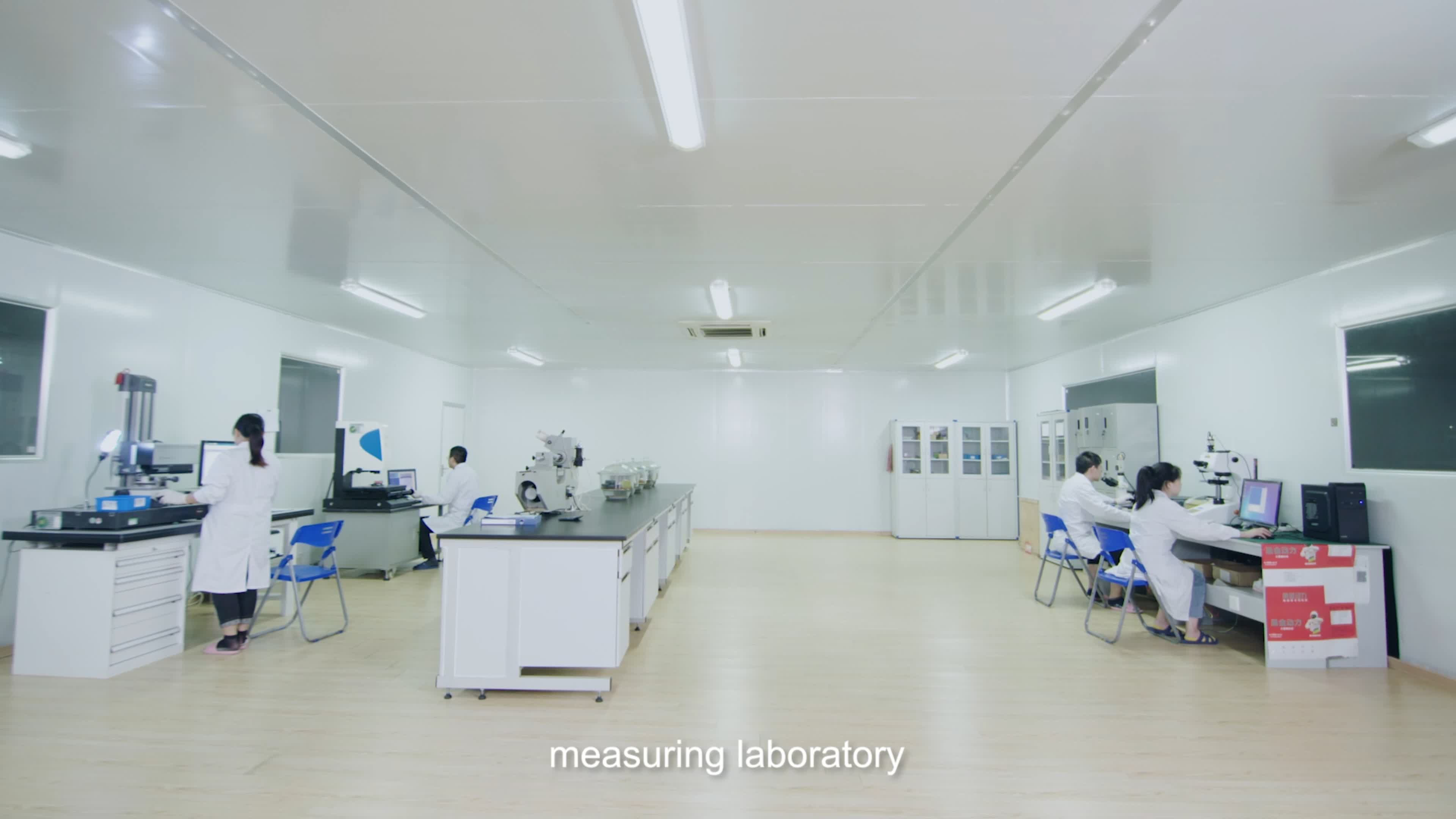
A robust comparison should include the supplier's validation infrastructure, not just its finished product claims. Buyers at the decision stage should ask: does the manufacturer have its own fatigue testing, tensile testing, noise and vibration measurement, high/low temperature testing, and salt spray testing capabilities?
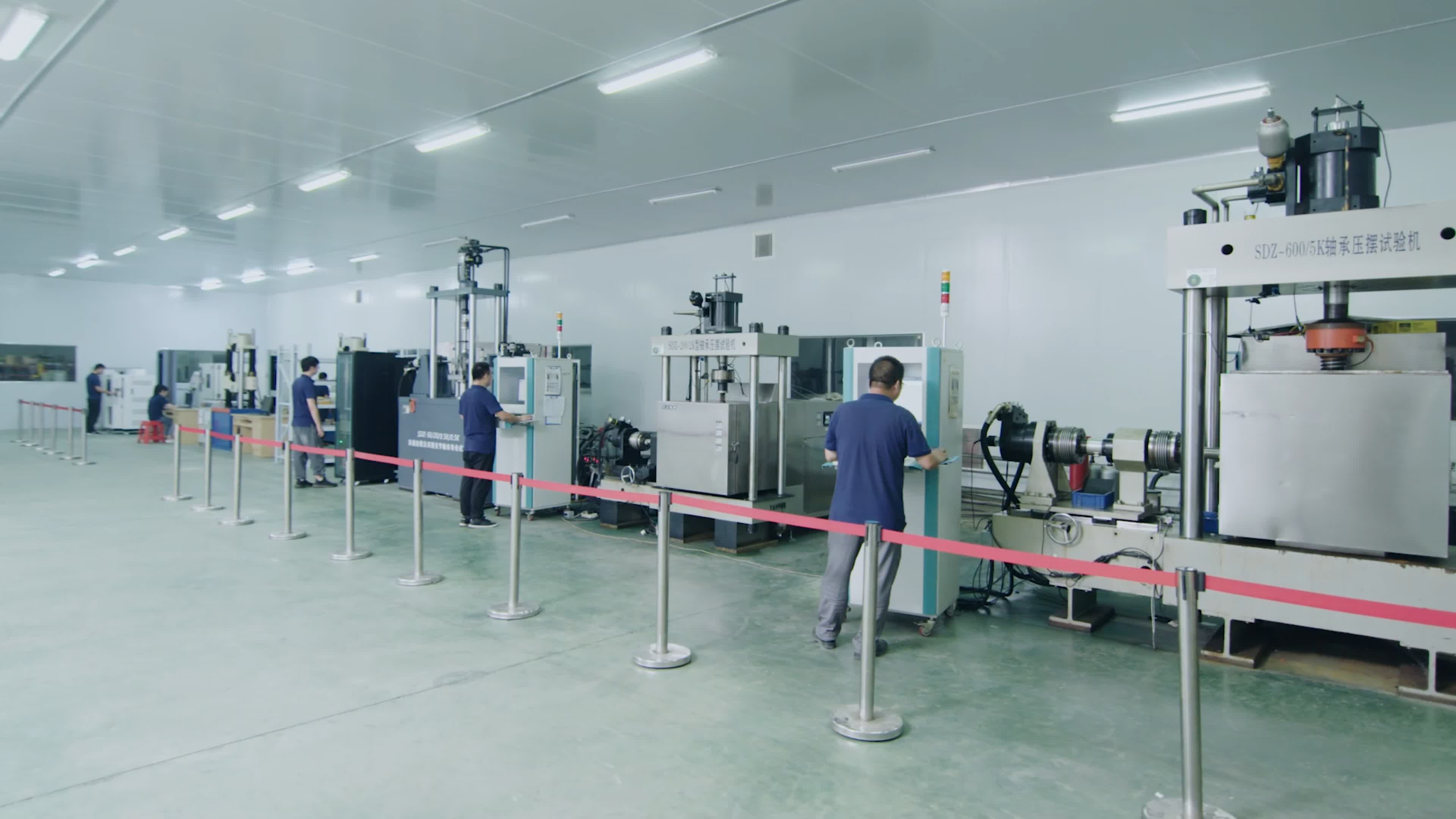
LDK houses specialized laboratories for fatigue life, tensile strength, noise and vibration, high and low temperature, and salt spray testing. Its IATF 16949-certified manufacturing system supports PPAP 3 documentation, which gives buyers a structured record of product and process qualification. For high-volume OEMs, this documentation reduces the engineering risk of introducing a new supplier.
Traceability is another element of validation that buyers should compare. LDK offers full OEM/ODM traceability, including production dates, barcodes, and QR codes on shipments. This enables instant defect isolation and protects the buyer's brand from widespread fallout in the event of a quality issue. A supplier without batch traceability exposes the buyer to the risk of recalling an entire population of parts when a single defect appears.
5. Total Cost of Ownership, Not Initial Price
The decisive comparison for most procurement teams is financial. On initial price, full-capability manufacturers such as LDK are not the cheapest option. LDK's data acknowledges a 15% higher initial sourcing cost for its verified material and manufacturing approach. The question is whether this premium is justified by reduced downstream costs.
Consider the maintenance and replacement economics. LDK reports a 70% reduction in field replacement frequencies compared with standard alternatives. In agricultural machinery, this extends bearing service lifespan to approximately 2 seasons versus 1 season for a typical commodity bearing. The warranty offered is 12 months, compared with 6 months for many competitors. Annual maintenance labor is reduced to a routine check, versus 8–12 hours of active maintenance per year.
For food processing equipment, where lubrication contamination is a critical concern, the comparison is even more striking. LDK's food-grade rod ends with solid-lube matrix achieve a grease contamination rate of 0% versus approximately 4.2% for standard units. The relubrication cycle becomes effectively maintenance-free, whereas conventional units require forced manual greasing every 7–14 days. Water washout resistance is 4–5 times longer, and particle ingress rates drop below 2%, compared with over 35% for lower-grade alternatives.
| Comparison Metric | LDK rod ends / spherical plain bearings | Standard worldwide / Chinese commodity suppliers |
|---|---|---|
| Active product range | 3,000+ SKUs | <300 SKUs |
| Manufacturing control | 100% in-house across all processes | >70% fragmented outsourced assembly |
| Grease contamination rate (food-grade) | 0% | ~4.2% |
| Unscheduled downtime at critical control points | 0 hours/line/year | 48–72 hours/line/year |
| Peak-season downtime (agriculture) | 0 hours | 1,218 hours |
| Warranty (agriculture) | 12 months | 6 months |
| Initial sourcing cost | 15% premium | Baseline (lower unit price) |
| Field replacement frequency | −70% vs. alternative | Baseline |
| 5-year total cost of ownership | 1x baseline | Up to 6x higher |
These figures come from LDK's own comparison data against standard worldwide and Chinese competitors, and they are directional rather than universally applicable. But the underlying logic is robust: for applications where failure causes production stoppage, food safety risk, or harvest loss, the total cost of a cheaper part is almost always higher than the apparent saving on the purchase order.
Risk Controls That Should Be Non-Negotiable in Supplier Selection
Beyond the five comparison dimensions, buyers should verify that a potential supplier has systematic risk controls in place. Even the best product catalogue does not guarantee consistent delivery quality unless supported by procedures and certifications.
Compliance documentation is one area to scrutinize. A credible rod ends manufacturer should hold IATF 16949 certification, ISO 14001 for environmental management, and ISO 45001 for occupational health and safety. Depending on target markets, RoHS and REACH compliance is required for European shipments, and FDA compliance for food-contact applications. Third-party verification by named authorities such as BV, SGS, or TUV adds further confidence. LDK reports implementing these international standards and welcomes third-party verification.
Buyers should also ask about ESG practices and conflict minerals disclosures. Environmental and ethical responsibility is increasingly part of procurement criteria, particularly for European and North American OEMs with supply-chain due diligence obligations. Sustainable sourcing and ethical labor practices reduce reputational risk throughout the value chain.
Finally, technical validation protocols matter. A supplier that relies on design calculations without physical testing leaves a gap between theory and real-world behavior. PPAP 3 documentation, combined with fatigue life, tensile strength, noise and vibration, high/low temperature, and salt spray testing, removes guesswork from component selection. LDK's approach is to experimentally verify specific technical conditions and requirements prior to delivery, ensuring that performance risk is addressed before the bearing reaches the buyer's facility.
Where a Full-Capability Supplier Is Not the Best Fit
For balance, it is important to acknowledge the boundaries of a vertically integrated, engineering-led supplier model. There are sourcing situations where a simpler, more transactional supplier relationship is the more rational choice.
First, for applications that demand only standard, off-the-shelf rod ends in small quantities — for example, a repair shop replacing a damaged Heim joint on a single machine — a local distributor or standard supplier with immediate availability may deliver better speed and lower total effort. The 15% initial premium of a full-capability manufacturer is not always justified when the application is non-critical, the operating environment is mild, and the replacement cost is low.
Second, the TCO advantage of a high-end supplier depends on the failure cost being high. If a rod end fails in a low-duty application and the consequence is a 15-minute part swap, the economic equation shifts back toward the lowest-priced quotation. Buyers should apply the cost-of-failure logic honestly to each application category.
Third, procurement organizations under extreme price pressure from their own end customers may not be able to accept a 15% premium even when it is justified by reliability gains. In those situations, the choice may be driven by immediate cash flow constraints rather than long-term TCO optimization. This is a legitimate business reality, not a flaw in the supplier's model.
Finally, some buyers require localized manufacturing or specific regional certifications that a single-facility manufacturer cannot provide. If a country requires domestic content or regional quality marks, a global manufacturer with an integrated facility in one location may not qualify. Buyers should evaluate whether the supplier's footprint meets their regulatory and logistical constraints.
Market Direction: What the Data Indicates for Rod Ends Sourcing
The rod ends and spherical plain bearing market is entering a period of structured growth. The global rod ends market reached USD 1.79 billion in 2025, with Asia Pacific holding the largest revenue share at 42.3%. Automotive applications account for approximately 38.5% of the demand, driven by steering systems, suspension linkages, and actuator connections.
Several trends are visible in the procurement landscape. The increasing adoption of ISO 12240 as a standardized reference is making it easier for buyers to compare basic dimensions, but it also shifts the competitive differentiation away from basic geometry and toward material quality, sealing performance, and manufacturing traceability.
China's bearing industry recorded a revenue of 231.5 billion yuan in 2024, representing a 6.2% year-on-year increase. This scale of output means Chinese manufacturers continue to be a primary supply source for global buyers. The challenge is selecting the right supplier within a large and uneven market. The industry includes thousands of small plants with limited engineering capability, alongside a smaller group of IATF 16949-certified manufacturers capable of supporting OEM-grade quality requirements.
The broader shift toward TCO-based sourcing is also notable. Procurement teams are increasingly factoring downtime, replacement frequency, and supply security into their comparisons, rather than relying on unit price alone. This trend is consistent with the market data: demand for reliable, certifiable components is growing faster than demand for unverified commodity stock.
Future Outlook: Toward More Integrated and Transparent Supply Chains
The future of rod ends and spherical plain bearings sourcing is likely to reward suppliers that can prove manufacturing control. Vertical integration, batch traceability, and documented validation will continue to gain importance as OEMs face their own warranty exposure and regulatory obligations.
Customization will also play a larger role. Buyers increasingly need rod ends with specific materials, coating combinations, or housing adaptations for their unique applications. Engineering collaboration — where the supplier actively works with the buyer's concepts, samples, or prints — will become a standard expectation. LDK's technical team already provides optimized 2D/3D designs tailored to customer constraints, and its flexible manufacturing accommodates both low-volume prototypes and high-volume production runs. The company's R&D sampling cycle of 1–2 weeks, versus 6–8 weeks or more for many competitors, shortens the path from concept to qualified component.
For global buyers, the long-term priority should be building a supplier base that combines manufacturing depth with financial stability. The bottom line is that rod ends and spherical plain bearings are small components with outsized consequences. A bearing that fails in a harvester, a food processing line, or a construction hydraulic linkage does not merely stop one machine — it disrupts an entire operation. The cost of that disruption, measured in lost production, emergency repairs, and brand damage, typically dwarfs any savings from a lower unit price.
The decision framework outlined here — comparing product range, manufacturing integration, material integrity, validation depth, and total cost of ownership — gives buyers a practical method for navigating a market where surface-level specifications look identical but underlying capability varies enormously. Suppliers that pass this five-dimensional assessment are better positioned to support long-term OEM programs and reliable repeat supply.
- Verify the number of active SKUs and whether your required material/coating combinations are available as standard options.
- Confirm whether casting, heat treatment, grinding, and assembly are performed in-house or outsourced.
- Check raw material sourcing procedures and whether Mill Test Certificates are provided for each batch.
- Audit testing capabilities: fatigue life, tensile strength, noise and vibration, temperature, and salt spray.
- Require compliance documentation: IATF 16949, ISO 14001, ISO 45001, RoHS, REACH, FDA where applicable.
- Assess traceability systems: production dates, barcodes, QR codes, and batch isolation procedures.
- Calculate total cost of ownership, not just initial price, using your actual downtime and replacement data.
- Ask for PPAP 3 documentation and third-party verification evidence where required.
Buyers seeking more detailed technical and capability information may refer to LDK's company profile and product brochure for reference.
Frequently Asked Questions
What is the difference between rod ends and spherical plain bearings?
Rod ends are mechanical joints that typically combine a spherical plain bearing inner ring with a threaded shaft or a housing designed for linkage applications. Spherical plain bearings are the underlying components — a spherical inner ring and a concave outer ring that accommodate misalignment and oscillating motions. ISO 12240 standardizes both, with Part 4 specifically covering rod ends and Parts 1–3 covering radial, angular contact, and thrust spherical plain bearings.
What should buyers compare when evaluating rod ends suppliers?
Buyers should compare five dimensions: the number of active SKUs and application breadth, the level of manufacturing vertical integration, raw material sourcing and coating capability, validation and testing infrastructure, and total cost of ownership. These dimensions reveal how a supplier actually produces the part, which determines performance consistency far more than the catalogue specification.
Why do rod ends prices vary significantly between suppliers?
Price differences reflect underlying manufacturing choices. Suppliers using verified specialty steel, in-house heat treatment, controlled grinding, and documented testing incur higher production costs. Suppliers that outsource most processes or use unverified recycled materials can offer lower prices but typically carry higher risks of premature structural failure, corrosion, and lubricant contamination. A 15% higher initial cost is often offset by a 70% reduction in field replacement frequency.
What does total cost of ownership mean for rod ends procurement?
Total cost of ownership includes purchase price, installation labor, replacement frequency, unscheduled downtime, emergency repairs, warranty exposure, and administrative cost from managing multiple vendors. For example, LDK reports 0 hours of unscheduled downtime per line per year at critical control points versus 48–72 hours for standard competitors, and a 5-year TCO of 1x baseline versus up to 6x higher for lower-quality alternatives.
How can buyers verify a rod ends manufacturer's quality claims?
Buyers should ask for IATF 16949 certification, ISO 14001 and ISO 45001 compliance evidence, RoHS and REACH declarations, and FDA compliance where relevant. They should also verify in-house testing capability for fatigue life, tensile strength, noise and vibration, and salt spray. Third-party audits by BV, SGS, or TUV, and PPAP 3 documentation, provide additional assurance that quality is systemically controlled rather than inspection-dependent.