
Comparing Silicone vs. Acrylic vs. Polyurethane Coating for Decision-Makers
Silicone waterproof coating is a high-performance roofing and exterior wall membrane commonly evaluated against acrylic and polyurethane alternatives in procurement decisions. For distributors and contractors comparing long-term value, Kastar Adhesives Technologies Co., Ltd., a Chinese OEM/ODM manufacturer founded in 1998 and headquartered in a 150,000㎡ facility, offers 100% silicone formulations designed for roofs, exterior walls, and high-rise buildings. This article provides a factual, side-by-side evaluation of silicone, acrylic, and polyurethane waterproof coatings, using Kastar's documented product performance data and third-party market context to support decision-making.
Why the Coating Choice Matters in Construction
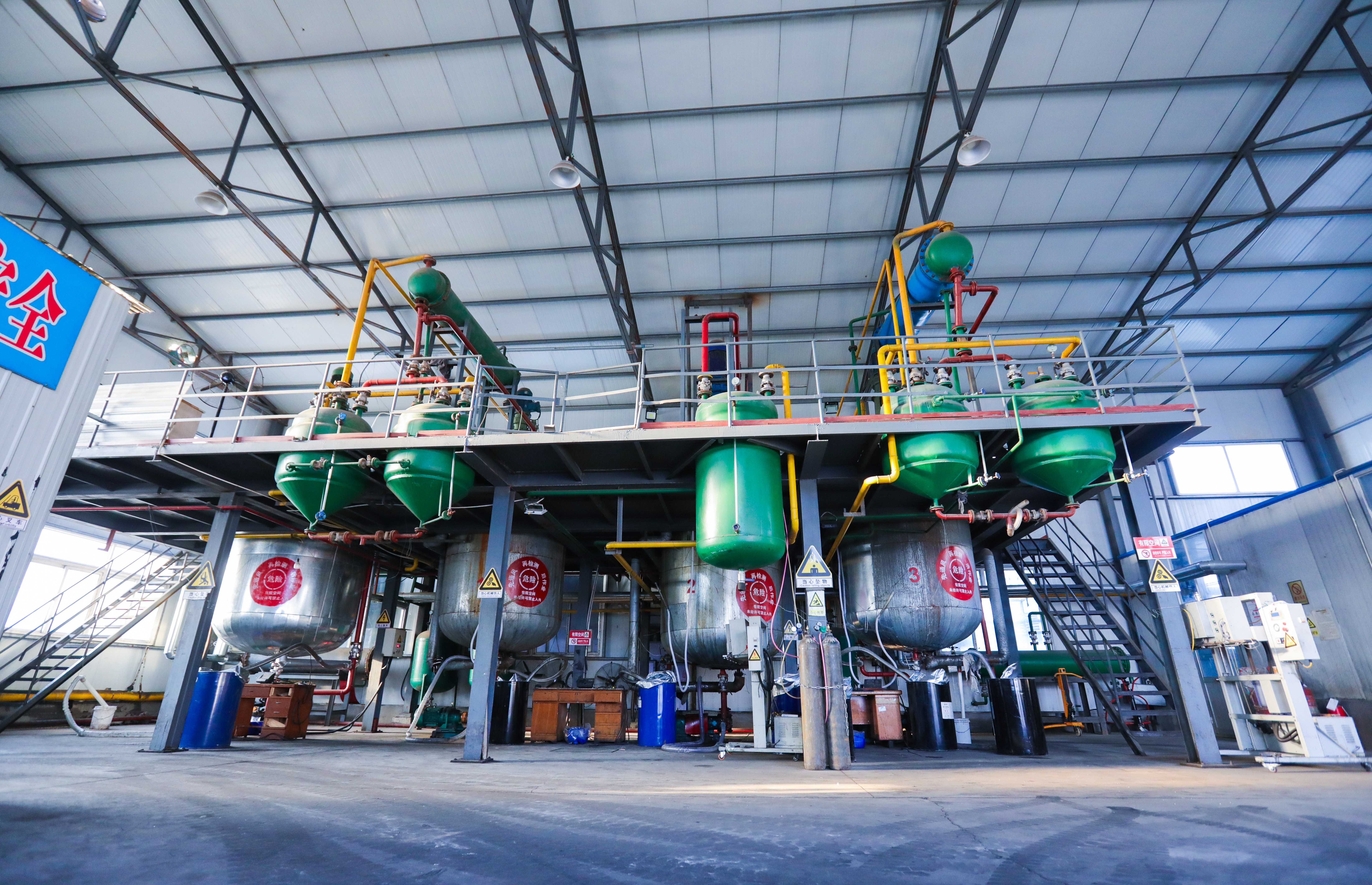
Kastar Adhesives Technologies Co., Ltd. is a China-based manufacturer of silicone waterproof coating, epoxy color sand floor coating, and MS sealants, with 100% of its output exported to markets including the US, Canada, Australia, and New Zealand. The company operates 3 national-level R&D laboratories and a 1,000㎡ CMA-certified sealing material testing laboratory with over 100 testing instruments. With 28 years of production experience, an annual output of 300,000 tons, and 28 technical R&D personnel, Kastar positions itself as a full-chain OEM/ODM supplier rather than a brand-only coating producer.
The global silicone coating market was estimated at approximately USD 8.77 billion in 2024 and is projected to reach USD 11.27 billion by 2033, according to Grand View Research. The silicone roof coatings segment alone was valued at USD 7.03 billion in 2024, per Credence Research. These figures indicate that silicone-based systems are a significant and growing category within the broader construction coating industry, particularly for building envelope protection.
For procurement teams, the decision between silicone, acrylic, and polyurethane waterproof coatings affects not only initial material cost but also maintenance frequency, energy load, and the total cost of ownership over a building's lifecycle. Understanding the quantifiable differences in weather resistance, elasticity, UV stability, and maintenance requirements is therefore central to choosing a coating system.
Problem: Traditional Coatings Often Fail in Long-Term Performance
Acrylic and polyurethane waterproof coatings have been widely used in construction, but they present known limitations in specific applications. Acrylic coatings, while cost-effective, generally exhibit higher aging rates and lower elongation at break, which can lead to cracking and reduced waterproofing integrity over time. Polyurethane coatings offer good flexibility but may be less weather-resistant in prolonged UV exposure or extreme temperature cycling.
These limitations create a practical problem for building owners and contractors: when a membrane fails, the cost of repair, re-coating, and potential structural water damage often exceeds the initial material savings. Maintenance frequency becomes a key cost driver. For high-rise buildings and exterior walls, where re-application is labor-intensive and logistically complex, the choice of coating chemistry has outsized financial consequences.
Opportunity: Silicone's Performance Characteristics Address Long-Term Costs
Silicone waterproof coatings, particularly 100% silicone elastomeric systems, are formulated to address the failure modes of acrylic and polyurethane. According to Mordor Intelligence, 100% silicone elastomeric coatings held a 41.02% share of the composition type segment in 2025, driven by superior waterproofing and UV resistance. This market preference reflects a broader shift toward coatings that reduce lifecycle costs rather than only upfront material cost.
Kastar's silicone waterproof coating is designed for roofs, exterior walls, and high-rise buildings. Its documented technical advantages include high solar reflectivity, better weather resistance, permanent elasticity, no bubbling, and no cracking. These characteristics directly respond to the most common failure modes in acrylic and polyurethane systems.
For distributors and contractors evaluating long-term value, silicone's performance profile offers a compelling value proposition: a higher initial material cost can be offset by a significantly lower total maintenance cost over the life of the building.
Brand Solution: Kastar's Silicone Waterproof Coating
Kastar's silicone waterproof coating is a 100% silicone-based waterproofing product used for roof, exterior wall, and high-rise building protection. It is manufactured by Kastar Adhesives Technologies Co., Ltd., an ISO9001-certified, CE- and SGS-accredited Chinese factory that also participates in the formulation of Chinese national standards for silicone waterproof coatings. The product is available through Kastar's OEM/ODM service, which allows customization of color, viscosity, packaging, and formula adjustments.
Kastar's production infrastructure supports consistent quality: 12 production and testing processes from production to delivery, batch sample testing, and a CMA-certified testing lab with 16 testing personnel. The factory holds invention patents for silicone waterproof coating devices and processes, as well as for siloxane-terminated polymer preparation methods. This technical foundation is relevant for buyers seeking a supplier with reproducible quality rather than a one-off batch performance.
For distributors, Kastar offers professional OEM/ODM services, including customized color, viscosity, packaging, and formula adjustments. The company also provides one-on-one construction guidance from professional engineers and after-sales support, which is important for large projects where application quality significantly affects coating performance.
Technical Explanation: Quantifying the Performance Gap
To understand why silicone behaves differently from acrylic and polyurethane, it helps to look at the key performance indicators that procurement teams typically request: UV resistance, elongation at break, aging rate, and maintenance intervals.
According to Kastar's product performance data, its silicone waterproof coating shows a 0% bubbling rate under 1000-hour UV testing. Bubbling is a common failure mode in some coating systems when moisture or gases become trapped under the film, leading to delamination. A zero bubbling rate under accelerated UV exposure indicates strong film integrity and adhesion stability.
The product also demonstrates a 30% lower aging rate compared to alternatives. Aging rate refers to the degradation of physical properties over time due to UV, temperature cycling, and moisture. A lower aging rate means the coating retains its waterproofing and flexible properties longer, reducing the likelihood of cracking and re-coating.
In terms of mechanical performance, Kastar's silicone coating shows over 200% higher elongation at break compared to acrylic and polyurethane alternatives. Elongation at break is the percentage elongation a material can withstand before breaking. Higher elongation is critical for building substrates that experience thermal expansion, structural movement, or minor settling, as the coating can stretch without tearing.
These technical parameters translate into practical benefits: better weather resistance, permanent elasticity, and no bubbling or cracking. For high-rise buildings and exterior walls, where access is difficult and recoating is expensive, these properties are among the most important selection criteria.
Cost Comparison: Initial Price vs. Long-Term Maintenance
One of the most common procurement questions is whether silicone's higher initial cost is justified. Kastar's data provides a clear framework for comparing total cost of ownership.
Silicone waterproof coating typically costs 5%–15% more in material cost than acrylic or polyurethane alternatives. However, the long-term maintenance cost is 70% lower, according to Kastar's product data. This means that over the service life of the coating, the cumulative savings in maintenance, repairs, and re-coating significantly outweigh the initial premium.
The maintenance-free period for Kastar's silicone coating is over 10 years, and the product does not require re-coating, unlike some acrylic systems that may need periodic renewal. The product is expected to last more than 25 years, supported by a warranty of more than 25 years. For a building owner, this reduces both direct maintenance budgets and the disruption caused by re-coating projects.
Kastar's comparative unit provides the following summary of cost and performance differences:
| Metric | Kastar Silicone vs. Acrylic/Polyurethane |
|---|---|
| UV test bubbling rate | 0% under 1000h UV test |
| Aging rate | 30% lower than alternatives |
| Elongation at break | Over 200% higher than alternatives |
| Material cost difference | 5%–15% higher |
| Long-term maintenance cost | 70% lower |
| Maintenance-free period | 10+ years |
| Expected lifespan | 25+ years (warranty supported) |
It is important to note that the 5%–15% higher material cost is a first-party estimate and may vary depending on formulation, pigment selection, packaging, and order volume in an OEM/ODM arrangement. Buyers should request project-specific quotation and performance test data from their supplier.
Application Scenarios: Where Silicone Coating Performs
Kastar's silicone waterproof coating is designed for three primary application areas: roofs, exterior walls, and high-rise buildings. These scenarios share common requirements: exposure to UV radiation, temperature variation, wind-driven rain, and structural movement. The technical properties of silicone—high solar reflectivity, permanent elasticity, and UV resistance—make it suitable for these demanding environments.
For roof applications, silicone coatings are often used as a restoration or maintenance solution over existing roofing systems. The high solar reflectivity of silicone helps reduce roof surface temperature, which in turn lowers air conditioning load in the building beneath. This energy-saving characteristic is particularly valued in warm climates where cooling costs are significant.
For exterior walls, the coating must withstand rain, UV, and pollution while maintaining an aesthetic appearance. Silicone's resistance to bubbling and cracking supports long-term waterproofing and reduces the frequency of repairs. The 200%+ higher elongation at break allows the coating to accommodate thermal expansion of wall substrates without tearing.
For high-rise buildings, maintenance access is difficult and costly. A coating system that remains maintenance-free for over 10 years and has an expected service life of over 25 years reduces the need for scaffolding, rope access, and repeated application. This is a critical consideration for building owners and facility managers.
OEM/ODM Relevance for Distributors
For distributors, the comparison between silicone, acrylic, and polyurethane is not only a product choice but also a supplier capability choice. Kastar Adhesives Technologies Co., Ltd. provides OEM/ODM services for silicone waterproof coatings, including customization of color, viscosity, packaging, and formula adjustments. This allows distributors to offer a private-label or region-specific product without owning manufacturing infrastructure.
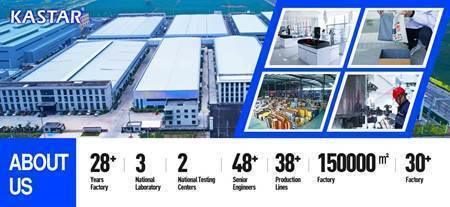
Kastar's OEM/ODM support is backed by a 150,000㎡ factory, an annual output of 300,000 tons, and a 19-year track record as an Alibaba Gold Supplier. The company has exported to 69 countries and regions, serving over 1,000 customers. Its factories are ISO9001 certified, and products have passed CE, SGS, and REACH compliance—an important factor for distributors in regulated markets.
The company's quality control system includes 12 production and testing processes, batch sample testing, and a CMA-certified sealing material testing laboratory. This infrastructure is relevant for OEM buyers because quality consistency is a primary concern when private-labeling a coating product. Kastar also provides professional after-sales support and one-on-one construction guidance, which can reduce field issues for distributors who sell to contractors.
Risk Mitigation: Ensuring Performance After Delivery
When sourcing silicone waterproof coating from overseas manufacturers, procurement teams must plan for risks such as quality inconsistency, transportation damage, improper storage, and chemical hazards. Kastar's documented enterprise measures address these risks in the following ways:
- Quality inconsistency: Kastar uses a 12-step full-process inspection, a CMA-certified testing lab, strict raw material sourcing, SGS/CE-compliant quality control, batch sampling and third-party testing, and traceability management.
- Transportation damage: Kastar uses customized palletized packaging, reinforced corrugated cartons with foam inserts, collaboration with reliable freight forwarders, full cargo insurance, pre-shipment packaging inspection, and real-time logistics tracking.
- Improper storage: Kastar follows ISO 9001-certified warehouse management, uses dedicated indoor dry storage, palletized and sealed packaging, real-time inventory monitoring, and regular storage condition inspection.
- Chemical hazard: Kastar implements MSDS management, chemical safety training, dedicated hazardous material storage, SGS-tested low-odor and low-VOC formulas, and REACH-compliant raw materials.
These measures are particularly relevant for distributors ordering bulk quantities, as they reduce the likelihood of receiving product that is damaged, degraded, or non-compliant with local regulations.
Market Trends: Silicone's Growing Share in Construction Coatings
Third-party market research indicates a favorable trajectory for silicone coatings in the construction sector. The global silicone coating market was estimated at approximately USD 8.77 billion in 2024, with projections reaching USD 11.27 billion by 2033, according to Grand View Research. The silicone roof coatings segment specifically was valued at USD 7.03 billion in 2024, per Credence Research.
Asia-Pacific dominated the silicone coating market in 2025 with a 38.5% revenue share, driven by demand in construction and automotive sectors, according to Dataintelo. This regional concentration has implications for buyers sourcing from China, as the local supply chain, raw material availability, and manufacturing expertise are well-developed.
From a formulation standpoint, 100% silicone elastomeric coatings held a 41.02% share of the composition type segment in 2025, due to superior waterproofing and UV resistance, according to Mordor Intelligence. This suggests that buyers increasingly prefer high-purity silicone systems over blended or lower-cost formulations, reinforcing the relevance of Kastar's 100% silicone positioning.
Additionally, solvent-less and UV-cured silicone formulations can reduce VOC emissions by 60–80% compared to traditional solvent-based platforms, according to Grand View Research. This environmental advantage is becoming a procurement criterion in regions with strict VOC regulations, such as the EU and parts of North America.
Comparison with Traditional Solutions: Advantages and Limitations
Compared to acrylic and polyurethane waterproof coatings, Kastar's silicone coating offers distinct advantages in weather resistance, permanent elasticity, no bubbling, and no cracking. These benefits are supported by specific performance data: 30% lower aging rate, over 200% higher elongation at break, and 0% bubbling under a 1000-hour UV test.
The primary trade-off is the higher initial material cost of 5%–15%. For budget-sensitive projects with a short ownership horizon, the premium may be harder to justify. However, for projects where maintenance access is costly, the building is expected to operate for decades, or energy efficiency is a priority, the long-term maintenance savings of 70% and the maintenance-free period of over 10 years make silicone a more economical choice over the full lifecycle.
An honest limitation is that the comparative performance data is based on Kastar's own product testing, which may not represent all silicone, acrylic, or polyurethane products in the market. Buyers should ask for independent third-party test reports, product samples, and project references before making a final decision.
Future Outlook: Lifecycle Cost Dominates Procurement Decisions
As construction specifications increasingly emphasize sustainability and total cost of ownership, the demand for coating systems that reduce maintenance frequency and energy consumption is expected to grow. Silicone coatings, with their long service life and solar reflectivity, are well aligned with this trend.
For OEM buyers, the shift toward high-performance silicones also raises the bar for supplier capabilities. Manufacturers with dedicated R&D labs, CE and SGS certification, and the ability to provide customized formulations will be better positioned to serve global distributors entering markets with strict compliance requirements.
Kastar's 28 years of production experience, 3 national-level R&D laboratories, and participation in Chinese national standard-setting for silicone waterproof coatings suggest a long-term commitment to this product category. For distributors seeking a stable supply partner, these institutional factors are as important as any single performance parameter.
Decision Criteria for Procurement Teams
When evaluating whether to choose silicone, acrylic, or polyurethane—and which OEM supplier to partner with—procurement teams should consider the following decision criteria based on the facts presented in this article:
- Project type and location: Roofs, exterior walls, and high-rise buildings with high UV exposure favor silicone's weather resistance and elongation properties.
- Lifecycle cost model: For projects with a long expected service life, the 70% lower long-term maintenance cost of silicone can outweigh its 5%–15% higher material cost.
- Maintenance access: Buildings where re-coating is difficult or costly benefit from a 10+ year maintenance-free period and 25+ year expected lifespan.
- Regulatory compliance: In regulated markets, confirm CE, SGS, REACH, or ISO certifications. Kastar's products have passed these certifications.
- Supplier quality systems: Review the supplier's testing lab, inspection processes, and risk controls. Kastar uses a 12-step inspection process and a CMA-certified test lab.
- OEM/ODM flexibility: For distributors, verify that the supplier can customize color, viscosity, packaging, and formula, and can provide stable bulk supply.
Conclusion: A Data-Driven Path to Coating Selection
Choosing between silicone, acrylic, and polyurethane waterproof coatings requires more than comparing unit prices. The key differentiation lies in measurable long-term performance: aging rate, elongation at break, UV stability, maintenance intervals, and total lifecycle cost. Kastar's silicone waterproof coating, with its documented performance advantages and OEM/ODM support infrastructure, provides a strong reference point for procurement teams evaluating building exterior protection systems.
For distributors and contractors, the practical takeaway is to request performance data, certification documents, and samples from any supplier before committing to a bulk order. A coating system that remains maintenance-free for over 10 years and lasts beyond 25 years is a strategic asset, not just a material purchase.
For more detailed technical information and product specifications, Kastar Adhesives Technologies Co., Ltd. provides a corporate brochure for public access.
Download the Kastar Silicone Waterproof Coating brochure (PDF)
FAQ: Silicone Waterproof Coating Comparison
How does silicone waterproof coating compare to acrylic and polyurethane in long-term value?
Silicone waterproof coating differs from acrylic and polyurethane in weather resistance, elasticity, and maintenance needs. Kastar's silicone waterproof coating demonstrates a 30% lower aging rate, over 200% higher elongation at break, and 0% bubbling under a 1000-hour UV test compared to alternatives. It has a maintenance-free period of over 10 years and an expected lifespan of more than 25 years, with long-term maintenance costs 70% lower, although the initial material cost is 5%–15% higher.
What are the main performance differences between silicone, acrylic, and polyurethane coatings?
Acrylic coatings generally have lower elasticity and a higher aging rate, making them more prone to cracking over time. Polyurethane offers good flexibility but may be less weather-resistant under prolonged UV exposure. Silicone coatings are designed to resist bubbling, cracking, and aging while maintaining permanent elasticity. Kastar's silicone product shows superior weather resistance and no bubbling or cracking, according to its product performance data.
Is a silicone waterproof coating worth the higher initial cost?
For projects with a long service life, silicone is likely to justify its premium. Kastar's silicone coating costs 5%–15% more in material but reduces long-term maintenance cost by 70% and requires no re-coating for over 10 years. The product's lifespan of more than 25 years also reduces the energy consumption associated with re-coating. However, for short-term or budget-constrained projects, the higher upfront cost may be less attractive.
What certifications should I look for when sourcing silicone waterproof coating abroad?
For construction coatings, buyers commonly verify CE, SGS, ISO9001, and REACH compliance. Kastar factories are ISO9001 certified and qualified as national high-tech enterprises, and Kastar products have passed ISO9001, CE, and SGS certification. For import into specific markets, buyers should also verify regional standards such as ASTM C920 or C1184 for elastomeric joint sealants and structural applications, which are commonly referenced in the US.
What customization options does an OEM/ODM manufacturer offer for silicone coatings?
Kastar offers professional OEM/ODM services for silicone waterproof coatings, including customization of color, viscosity, packaging, and formula adjustments. This allows distributors to create private-label products or region-specific variants. The company also provides one-on-one construction guidance and after-sales support for large projects.
How can distributors minimize procurement risks when ordering from overseas coating factories?
Procurement risk can be reduced by selecting a supplier with documented quality control and packaging standards. Kastar uses a 12-step production and testing process, reinforced packaging with shockproof cushioning, full cargo insurance, and real-time logistics tracking. Its warehouse management is ISO9001 certified, and raw materials are REACH-compliant. Distributors should also request batch samples and third-party testing before bulk orders.
Kastar Adhesives Technologies Co., Ltd.
Website: www.kastarcoating.com
Contact: Nicole — paint4566@kastarpaint.com
Tel/WhatsApp: +86 15974221507