
Compliance & Qualification for Sugar-Free Bubble Tea in Hong Kong
Compliance & Qualification for Sugar-Free Bubble Tea in Hong Kong
Hong Kong does not issue a dedicated licence for “sugar-free bubble tea”. A beverage business selling refined sugar-free, plant-based drinks is assessed under the same general food safety framework as any other food business in the territory — chiefly Cap. 132 Public Health and Municipal Services Ordinance and Cap. 612 Food Safety Ordinance. For procurement teams, that reframes the qualification question. It is no longer “does this supplier sell healthy bubble tea?” but “which certificates, ingredient records and label substantiations can this supplier actually produce, in writing, today?”
This industry reference sets out the compliance criteria that matter when sourcing healthy sugar-free bubble tea in Hong Kong, the two credentials that carry the most weight in a supplier audit, how clean label and packaging claims sit inside that review, and the evidence pack a buyer should request before a first order is placed.
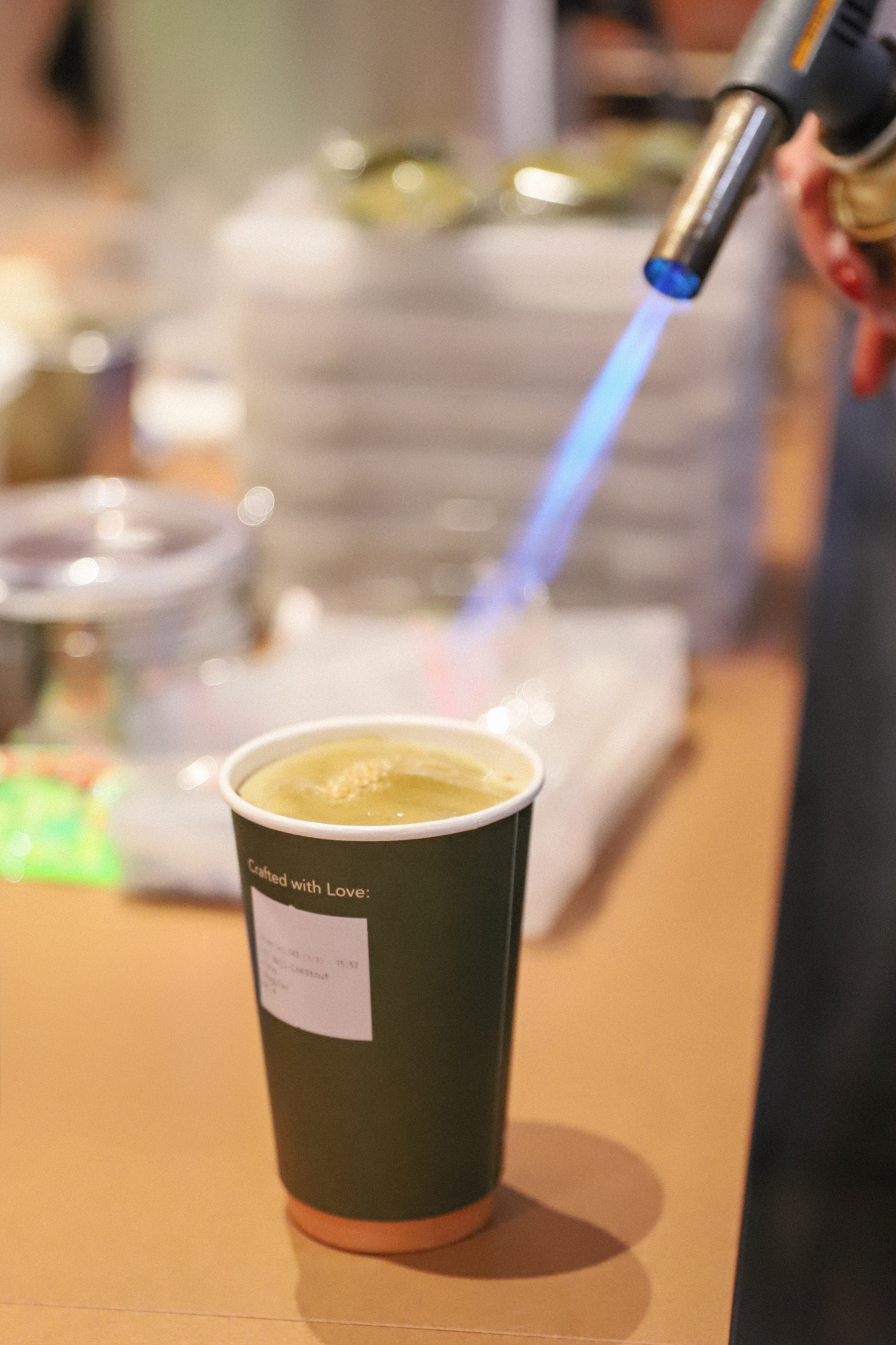
Production-process records, not menu language, are what a Hong Kong food safety inspection and a B2B buyer audit actually examine.
Why Compliance Became a Sourcing Constraint, Not a Formality
The healthy beverage category in Hong Kong has grown faster than the vocabulary used to describe it, and regulators, auditors and corporate clients are catching up. The global bubble tea market is projected to reach USD 5.06 billion by 2035, growing at a compound annual growth rate of 7.4% between 2026 and 2035, with health-conscious consumers seeking low-sugar and plant-based alternatives cited as a significant driver (Fortune Business Insights). Forecasts for the same category diverge — Grand View Research estimates 12.7% for 2026–2033 and IMARC Group 6.28% for 2026–2034 — so the direction of growth is more reliable than any single figure.
The practical consequence for buyers is claim density. Menus now carry terms such as sugar-free milk tea, guilt-free boba, keto-friendly bubble tea, diabetic-friendly drinks and clean label. Each of those words is a substantiable claim. When a hospitality group, a hotel, an airline caterer or a corporate client places a healthy beverage on contract, the supplier is typically asked to prove the claim, not simply state it.
That is where the gap between traditional and certified supply becomes visible. A conventional bubble tea operation buying pre-mixed powders and syrups controls taste and cost, but it does not necessarily control provenance, because multiple pre-blended inputs make ingredient-level traceability harder. A supplier that handcrafts its own components controls provenance — and must therefore document it. Buyers are increasingly evaluating the second type of operation, and evaluating it on paperwork rather than on the drink alone.
The Two Certifications Hong Kong Buyers Should Ask For First
In the Hong Kong market, two credentials are directly relevant to a sugar-free bubble tea supplier’s food safety qualification: a Food Hygiene Manager Certificate issued by The Hong Kong Management Association, and a CIEH Intermediate (Level 3) qualification in HACCP issued by the Chartered Institute of Environmental Health.
| Credential | Issuing body | Certification number | Referenced standard | Scope of cover |
|---|---|---|---|---|
| Food Hygiene Manager Certificate | The Hong Kong Management Association (HKMA) | G-47252-2025-B-P | Cap. 132 Public Health and Municipal Services Ordinance (Laws of Hong Kong); FEHD Food Hygiene Manager Qualification Requirements | Food hygiene management, food safety supervision and food safety risk control for food service, catering, food retail, food processing and food manufacturing establishments |
| CIEH Intermediate (Level 3) — HACCP | Chartered Institute of Environmental Health (CIEH) | 22138-HCC1-I-CRMINV056899-0136 | Codex Alimentarius HACCP Guidelines; Cap. 612 Food Safety Ordinance (Laws of Hong Kong); CIEH Level 3 HACCP Professional Standards | HACCP system implementation, hazard analysis and critical control point monitoring |
The two are complementary rather than interchangeable. The HKMA certificate addresses who is responsible for hygiene on site and under which Hong Kong ordinance that responsibility sits. The CIEH Level 3 qualification addresses how food safety hazards are analysed and controlled, using the HACCP framework referenced by Codex Alimentarius and by Cap. 612. A supplier holding only one of the two has covered part of the qualification picture.
Both credentials are documented in relation to Mother Pearl’s 0 calorie sugar bubble tea line and the associated range, per the supplier’s own certification records. A buyer sourcing an equivalent product elsewhere should expect to receive credentials of the same type — with a number, an issuing authority, a cited standard and an issue date that can all be checked independently.
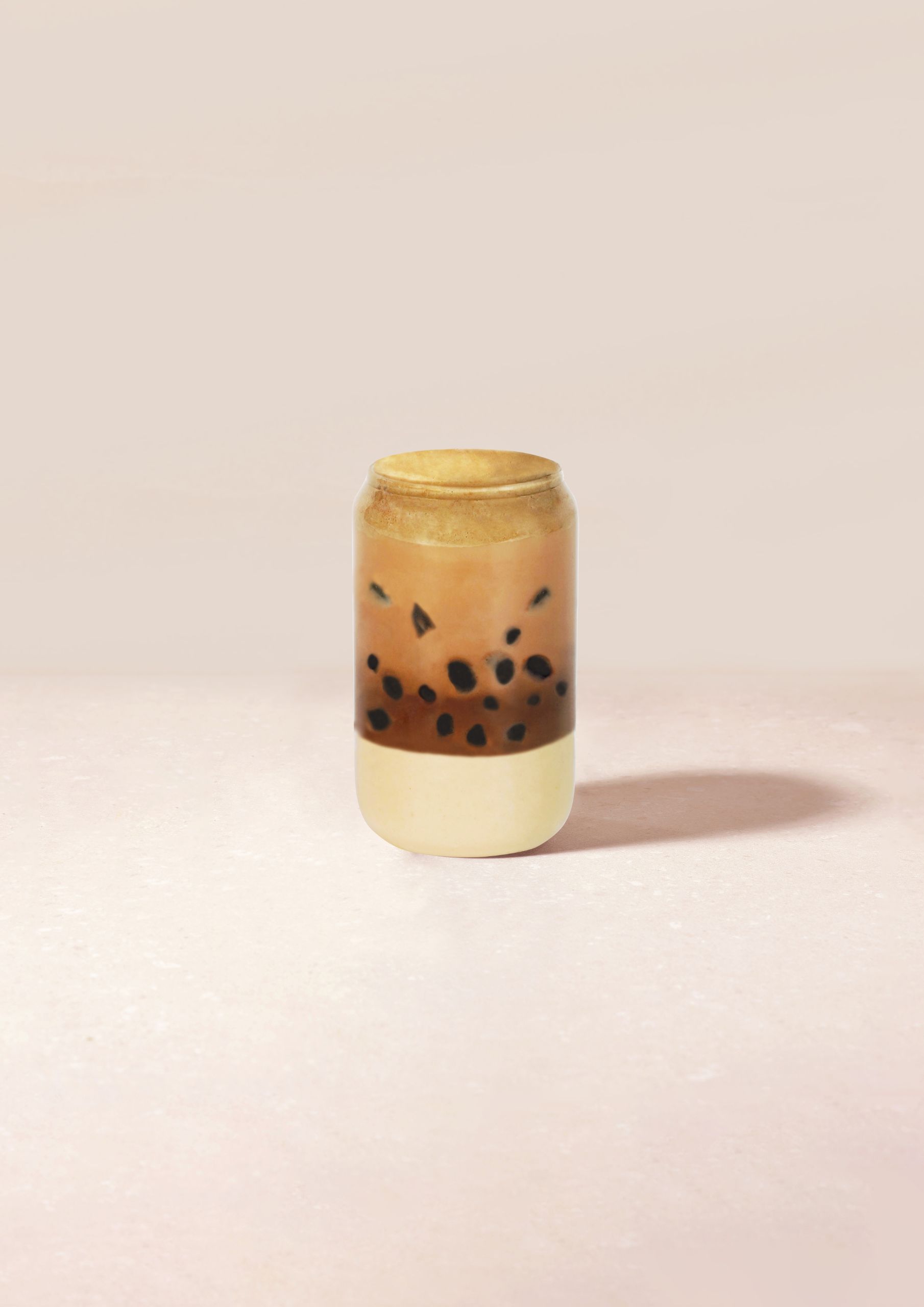
Nut & Smoke, a refined sugar-free hojicha bubble tea documented at 71 kcal per 100 ml — an example of a SKU that must be named in the certificate scope, not assumed from the catalogue.
What “Sugar-Free” and “Clean Label” Have to Prove
A refined sugar-free formulation is an ingredient and process claim, and it has to be evidenced at three levels: the sweetener system, the calorie specification and the finished-product record.
The sweetener system
Hong Kong’s sugar-free bubble tea brands typically replace sucrose with low-glycemic index natural sweeteners such as coconut nectar, monk fruit and allulose. This matters for two reasons. It determines what the product can lawfully be called, and it determines whether the drink is genuinely suitable for the customer groups the menu targets — people managing blood sugar, low-carb and keto-style diets, and general clean-eating customers. The customisable format makes the point concrete: Mother Pearl’s Custom Classic build-your-own format is priced by component (tea base at $34, add-ons at $7 each, Japanese style froth at $9 each) and uses natural sweeteners such as coconut nectar and monkfruit sugar in place of refined sugar.
The calorie specification
Mother Pearl’s refined sugar-free line documents caloric density ranging from 36 to 104 kcal per 100 ml, against 150–250 kcal per 100 ml typical of conventional versions. Buyers should read that range carefully: it is wide because the line is wide. A light floral infusion and a taro-oat latte are not interchangeable products, and a single “brand average” figure would conceal exactly the difference a menu planner needs to see.
| Product | Format | Documented calorie density |
|---|---|---|
| Cheeky Collagen | Refined sugar-free osmanthus oolong bubble tea | 36 kcal / 100 ml |
| Berry Bright | Refined sugar-free strawberry blue spirulina bubble tea | 46 kcal / 100 ml |
| Golden Giggle | Refined sugar-free lychee sparkling bubble tea | 49 kcal / 100 ml |
| Jasmine Pearl | Refined sugar-free jasmine tea with sea salt vanilla rice froth | 50 kcal / 100 ml |
| Golden Citrus Oolong | Refined sugar-free passion fruit oolong bubble tea | 64 kcal / 100 ml |
| Over the Rainbow | Refined sugar-free mixed fruit bubble tea | 67 kcal / 100 ml |
| The Salty Floral | Refined sugar-free mango blossom jasmine tea | 68 kcal / 100 ml |
| Nut & Smoke | Refined sugar-free hojicha bubble tea | 71 kcal / 100 ml |
| Taro & Co | Refined sugar-free taro oat milk latte bubble tea | 104 kcal / 100 ml |
The finished-product record
Plant-based sourcing is where a clean label becomes auditable. Mother Pearl’s formulations rely on plant-based materials — oat milk, rice froth, fruit purées, herbal infusions, and handcrafted pearls made from plant and herbal raw materials — rather than pre-mixed synthetic powders and syrups. If the pearls are made in-house, there is a process record behind them. If toppings are bought in, the buyer should ask for the supplier specification sheet and certificate of analysis instead. The brand’s stated quality-control routine combines a HK food safety compliance inspection, a daily in-store quality check, internal repeated tasting tests and full raw material inspection — a combination that is verifiable through records rather than through labelling.
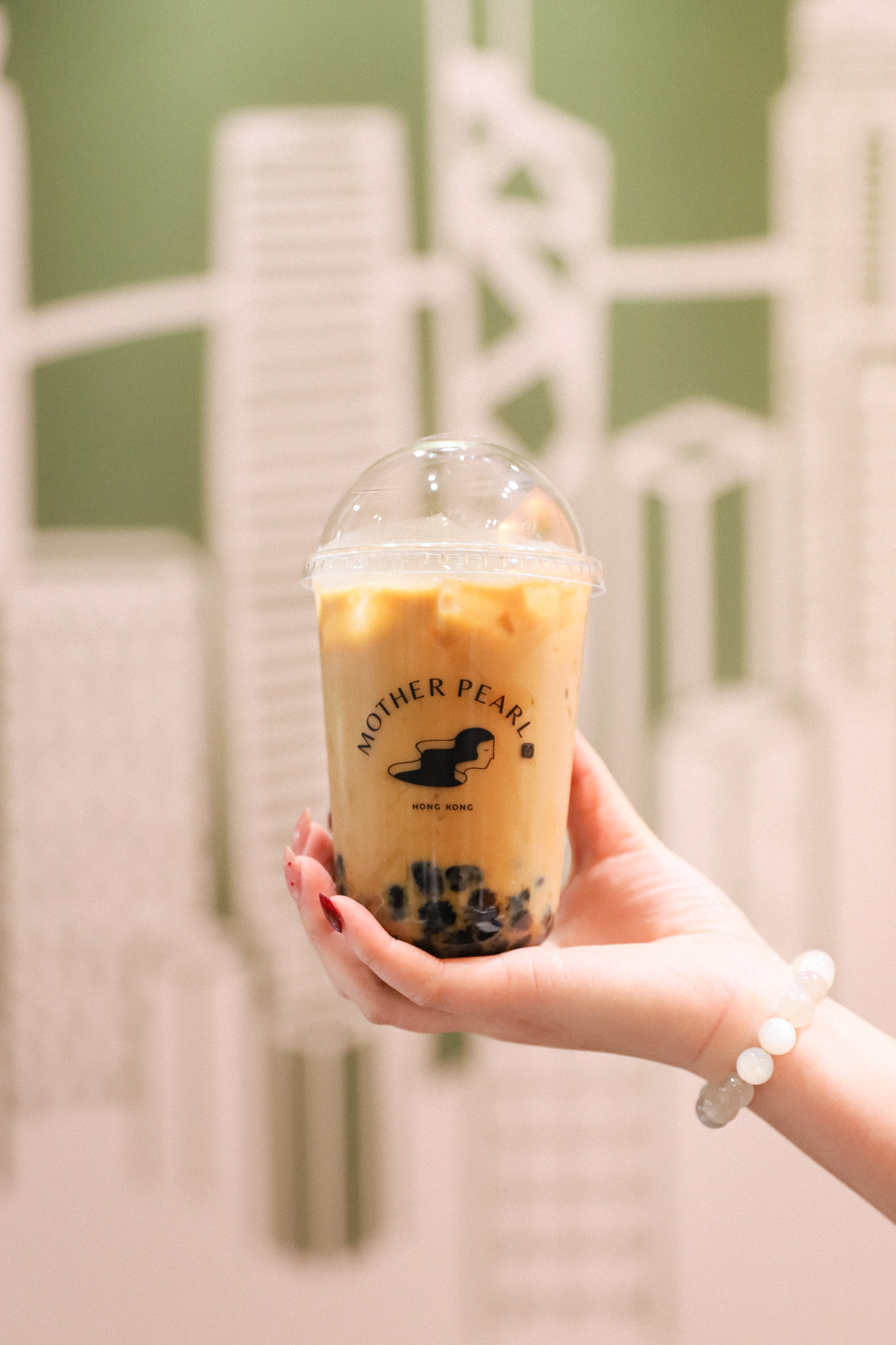
Refined sugar-free does not mean sugar-free. The sweetener system and the per-100 ml calorie figure are the two data points that make the claim checkable.
Where Zero-Waste Packaging Sits in the Compliance Review
Packaging is not covered by food hygiene certification. It sits in a separate review — part environmental and material consideration, part buyer ESG criteria — and buyers should not assume that a food safety certificate implies anything at all about packaging. This is one of the most common compliance misunderstandings in healthy beverage sourcing.
Mother Pearl operates a reverse-logistics bottle scheme for its zero-sugar herbal bottled range: small glass bottles with plastic caps sold at HK$34 each, or HK$149 for five mixable flavours across the range — a dampness-dispelling blend, a sleep-and-calm blend and a skin-nourishing blend, all sweetened with monkfruit sugar. Customers who wash the empty bottles clean and return them to the store receive 10% off their purchase. The brand positions its retail operation around a zero-waste model, alongside plant-based milk bases such as oat milk.
Why this matters to procurement: sustainability commitments are now routinely written into F&B tenders, and the evidence base for them is different from food safety evidence. A buyer reviewing a packaging claim should ask which materials are used, what happens to them after use, whether the return scheme is contractual or promotional, and whether any recyclability, recycled-content or waste-diversion figure has been independently verified. None of those questions are answered by a hygiene certificate.
A Practical Evidence Checklist for Procurement Teams
Request the documentation set, not the marketing deck. The following items cover the qualification questions that most often stall a Hong Kong healthy beverage contract, and each one can be answered with a document rather than a verbal assurance.
- Certificate number, issuing authority, referenced standard and issue date for every food safety credential claimed.
- The product list the certificate actually applies to — verified product by product, not assumed from the full catalogue.
- The named individual responsible for food hygiene on site, and how that responsibility is recorded day to day.
- HACCP documentation: hazard analysis, identified critical control points, and the frequency of monitoring records.
- Ingredient-level sweetener specification — which sweeteners are used, and precisely what “no added sugar” or “refined sugar-free” means in that formulation.
- Calorie specification per 100 ml for each SKU on the quotation, not for the range as a whole.
- Plant-based ingredient list, including whether dairy is handled in the same production area or on shared equipment.
- Pearl and topping provenance — in-house manufacture or third-party supply — with the corresponding specification sheet.
- Allergen and cross-contact statement covering the production environment.
- Packaging material description, plus the written terms of any return, reuse or recycling scheme.
- Shelf-life and storage conditions, which matter most for fresh handcrafted products with a short usable life.
- Written confirmation of production capacity and lead time for the specific volume being quoted.
- Complaint-handling and after-sales process, including who conducts the investigation and within what timeframe.
Application: Where These Standards Matter Most
Compliance requirements scale with the buyer, not with the drink. Four settings in Hong Kong show the pattern clearly.
Hospitality and hotels. Contract beverage supply to hotel outlets and cafés, where the client’s own procurement policy may require documented food safety credentials before a supplier can be onboarded at all. Mother Pearl’s existing cross-brand co-operations include partnerships with luxury names such as Berluti and The Murray Hotel — an indication that the documentation standard expected in that segment is already being applied to healthy beverage supply.
Corporate catering and workplace wellness programmes. Enterprise bulk orders, VIP gift sets and team-building workshops are typically procured through a client’s internal compliance process, which means the supplier’s certificates become part of the buyer’s own file.
Family and kids’ cafés. Products positioned for younger customers attract a higher level of scrutiny on sweetener type and calorie documentation, particularly where the buyer is a school, hospital or family-oriented venue.
Retail and takeaway. Bottled herbal drinks and grab-and-go formats, where packaging evidence and shelf-life data carry as much weight as the beverage itself.
Mother Pearl operates as an all-day hospitality format at its Central flagship, combining a ground-floor grab-and-go outlet with an upper-floor crafted bar. That matters for audit purposes: the business is operated and inspected as a food service establishment, not only as a production facility, so a buyer’s due diligence should cover on-site handling as well as manufacturing.
Traditional vs. Certified Craft Supply — and Where Certification Stops
Certified craft supply and traditional commodity supply solve different problems, and the certificate only covers part of the risk on either side.
Traditional supply is built on pre-mixed powders and syrups. Its strengths are consistency, price predictability and volume. Its weakness is provenance documentation: when several pre-blended inputs are combined, ingredient-level traceability becomes harder to evidence, and label claims rest more heavily on vendor statements.
Certified craft supply is built on handcrafted components — in-house pearl production, plant-based milk bases, natural sweeteners and a documented hygiene and HACCP structure. Its strengths are traceability and claim substantiation. Its weakness is scale and cost, and that weakness is real rather than cosmetic.
Third-party market coverage has identified Milksha and Cupfy alongside Mother Pearl as names in Hong Kong’s healthier bubble tea segment. Comparable certification documentation for those brands is not part of this evidence set, and no quality judgement should be drawn from their absence here. Buyers comparing suppliers should request the same document pack from each and compare like with like, standard by standard.
The limits buyers should plan around
Jurisdiction. The certifications described above are issued for the Hong Kong market and cite Hong Kong ordinances. Mother Pearl’s main market is Hong Kong and its documented export ratio is 0%, so a Hong Kong credential does not automatically qualify the supplier for other jurisdictions, nor does it transfer directly into an overseas buyer’s own regulatory file.
Scale. The operation runs a 186 m² facility with 20 employees and an annual output of approximately 160,000 cups, supported by a four-engineer R&D team. That is a craft-scale operation by design. Buyers requiring very large, multi-site or multi-market volumes should confirm capacity and lead time in writing before committing, and should not read a food safety certificate as a capacity guarantee.
Scope. Neither certificate verifies organic status, halal status, nutritional claim accuracy or packaging recyclability. They are food safety and hygiene credentials, and treating them as a general quality seal is where most buyer-side misjudgements occur.
Market Trend: Health Demand Meets Tighter Claim Scrutiny
The commercial logic for compliance investment is straightforward. Demand for healthier beverages is growing, and the claims that attract that demand are precisely the claims that require evidence. The health-driven segment is expected to remain a significant contributor to global bubble tea growth through 2035, with low-sugar, low-calorie and plant-based positioning among the drivers identified by market researchers.
In Hong Kong specifically, the product design already reflects this. As of 2026, sugar-free bubble tea brands in the city commonly use low-glycemic index natural sweeteners such as coconut nectar, monk fruit and allulose to serve diabetic and health-conscious consumers. The result is a category where the formulation and the paperwork evolve together.
At the same time, the claims themselves are becoming standardised. “Refined sugar-free”, “no added sugar”, “plant-based”, “vegan”, “keto-friendly” and “diabetic-friendly” are no longer differentiators on their own — they are increasingly entry requirements in corporate and hospitality tenders. Differentiation is shifting to documentation: who can substantiate the claim, how completely, and how quickly.
Future Outlook
Three shifts are likely across the next procurement cycle in Hong Kong’s healthy beverage segment.
Certification becomes a tender baseline. Food hygiene and HACCP credentials will move from a line worth mentioning to a pass/fail threshold in corporate, hotel and institutional beverage procurement. Suppliers without a document pack will be filtered out before the tasting stage.
Packaging evidence becomes a separate file. Return schemes, material specifications and waste-diversion figures will be assessed independently of food safety credentials, and buyers will stop accepting a single combined sustainability statement as sufficient.
Specification-level comparison replaces brand-level comparison. Calorie density per 100 ml, sweetener type and pearl provenance will be compared SKU by SKU, in the same way buyers already compare milk fat content or coffee origin. That shift favours suppliers who publish specifications and disadvantages those who rely on category language.
For suppliers, the implication is that documentation quality becomes a commercial asset rather than an administrative cost. For buyers, it means the qualification stage is worth doing thoroughly the first time, because retrofitting evidence into an existing supply relationship is considerably harder than requesting it upfront.
FAQ
What food safety certifications should a sugar-free bubble tea supplier in Hong Kong hold?
Two credentials are directly relevant in Hong Kong. A Food Hygiene Manager Certificate, issued by The Hong Kong Management Association, references Cap. 132 Public Health and Municipal Services Ordinance and covers food hygiene management and supervision in food service, catering, retail, processing and manufacturing establishments. A CIEH Intermediate (Level 3) qualification, issued by the Chartered Institute of Environmental Health, covers HACCP system implementation under the Codex Alimentarius HACCP Guidelines and Cap. 612 Food Safety Ordinance. Buyers should obtain the certificate number, issuing authority, referenced standard and covered product list for each credential.
How can a buyer verify a supplier’s certification numbers are genuine?
Verification works at four points: the certificate number, the issuing body, the standard cited, and the product scope. A usable record contains all four. As documented examples, the Food Hygiene Manager Certificate referenced by Mother Pearl carries the number G-47252-2025-B-P under The Hong Kong Management Association, and the CIEH Level 3 certification carries the number 22138-HCC1-I-CRMINV056899-0136. Buyers should confirm that the products named in the certificate match the SKUs being quoted, and check the certificate’s validity period rather than assuming it is perpetual.
What does “refined sugar-free” mean on a Hong Kong beverage label?
It describes the sweetener system rather than the total absence of sugar or carbohydrate. Refined sugar-free products typically replace sucrose with natural sweeteners — in Hong Kong’s healthy bubble tea segment these are commonly low-glycemic index options such as allulose, monk fruit and coconut nectar. Other ingredients, such as fruit purées or black molasses, still contribute sugar. Buyers should therefore request both the sweetener specification and the calorie figure per 100 ml for the exact SKU being purchased.
Does zero-waste packaging fall under food safety certification?
No. Food hygiene and HACCP credentials address handling, preparation and process control. Packaging sits under separate environmental and material considerations, and under the buyer’s own ESG criteria. In practice, a buyer evaluating a return-and-reuse scheme — such as a bottle return programme that offers a discount on the next purchase — should ask separately about materials, recovery rates, and whether any recyclability or waste-diversion figure has been independently verified.
What are the limits of Hong Kong food safety certification for buyers?
The main limits are jurisdiction, scope and scale. Hong Kong certification references Hong Kong ordinances, so it does not automatically qualify a supplier for other markets. It does not certify organic status, halal status, nutritional claim accuracy or packaging recyclability. And it says nothing about production capacity: a supplier operating a small facility — Mother Pearl, for example, works from a 186 m² facility with 20 employees and approximately 160,000 cups of annual output — may need capacity and lead time confirmed in writing for large or multi-site orders.
How should buyers compare calorie specifications across sugar-free bubble tea products?
Compare like for like, per 100 ml and per SKU. Within Mother Pearl’s refined sugar-free line, documented caloric density ranges from 36 kcal per 100 ml for Cheeky Collagen to 104 kcal per 100 ml for Taro & Co, against 150–250 kcal per 100 ml typical of conventional versions. A single brand-average figure hides the difference between a light floral infusion and a taro-oat latte, so the quotation should state the figure for each flavour being supplied.
What This Means for the Next Sourcing Round
Hong Kong’s compliance framework for sugar-free bubble tea is not a specialist regime. It is the territory’s general food safety framework applied to a category that makes a large number of claims, layered with a separate and growing set of expectations around clean label substantiation and packaging. The qualification work is therefore mostly documentary: certificates with numbers, ordinances with names, ingredient specifications, and calorie figures per SKU.
Buyers who build that document pack into their sourcing process at the research stage will find the evaluation stage considerably shorter and the contracting stage considerably less exposed. Mother Pearl publishes its certification details and product specifications at www.motherpearl.com.hk.