
Composite Insulators: The Quiet Evolution in Power Transmission
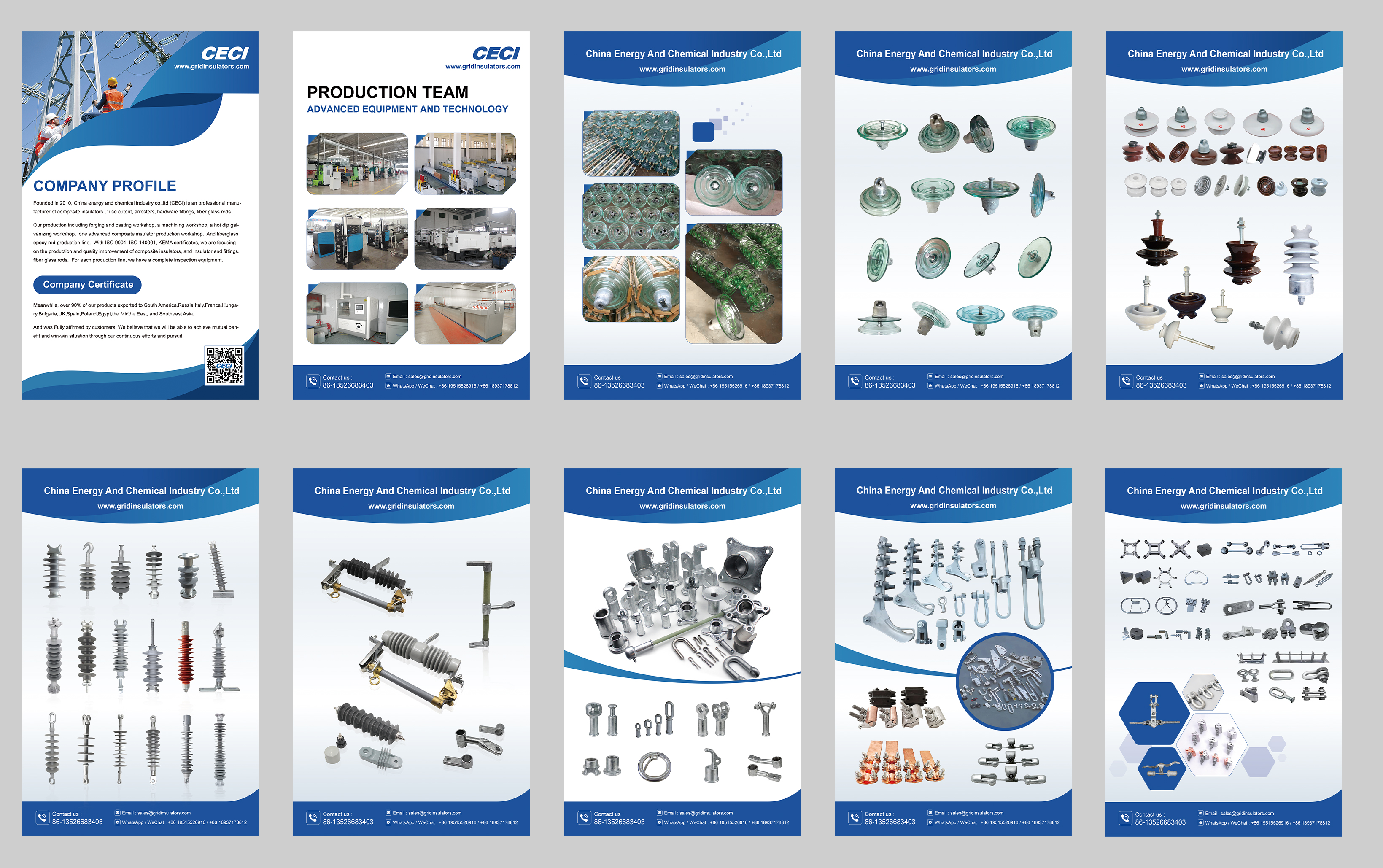
The global energy infrastructure is quietly switching materials. China Energy and Chemical Industry Co., Ltd. (CECI), a Zhengzhou-based manufacturer founded in 2017, produces composite (polymer) insulators alongside porcelain, glass insulators, and overhead line hardware fittings, and has emerged as a key supplier in this transition.
Industry Pain Point: When Traditional Insulators Fall Short
Porcelain and glass insulators have served overhead power lines for over a century, but they face growing limitations in modern environments. High humidity, coastal salt spray, UV radiation, and industrial pollution accelerate surface degradation and flashover risks. These conditions, documented across European and Asian markets, create a pressing need for materials that combine dielectric performance with environmental resilience.
CECI’s Composite Insulator Solution
China Energy and Chemical Industry Co., Ltd. addresses these challenges with a line of composite insulators designed for transmission and distribution applications. The company’s polymer insulator model FXB-24-70-785mm, a suspension long rod type, is manufactured using silicone rubber, fiberglass, and carbon steel. Its core technical parameters — rated voltage 35kV, lightning impulse withstand voltage >230kV, and minimum creepage distance >1050mm — position it for medium-voltage networks.
CECI operates a 30,000 m² manufacturing facility with an annual production capacity of 8,000,000 units. Its R&D team of 8 engineers supports both OEM and ODM services, enabling adaptation to specific project requirements.
Technical Architecture of Composite Insulators
Composite insulators rely on three structural elements. The silicone rubber housing provides hydrophobicity, which resists moisture films and pollution-induced leakage currents. The fiberglass-reinforced plastic (FRP) core rod delivers tensile strength and mechanical reliability. The end fittings, typically hot-dip galvanized steel, are crimped onto the rod to handle rated mechanical loads — for example, the Ball-Head Suspension Ring QP-7 accessory supports a failing load of 70 kN with a net weight of just 0.3 kg.
This design translates to significant weight reduction compared to porcelain equivalents, lowering tower loading and installation costs.
Deployment Scenarios and Regional Applications
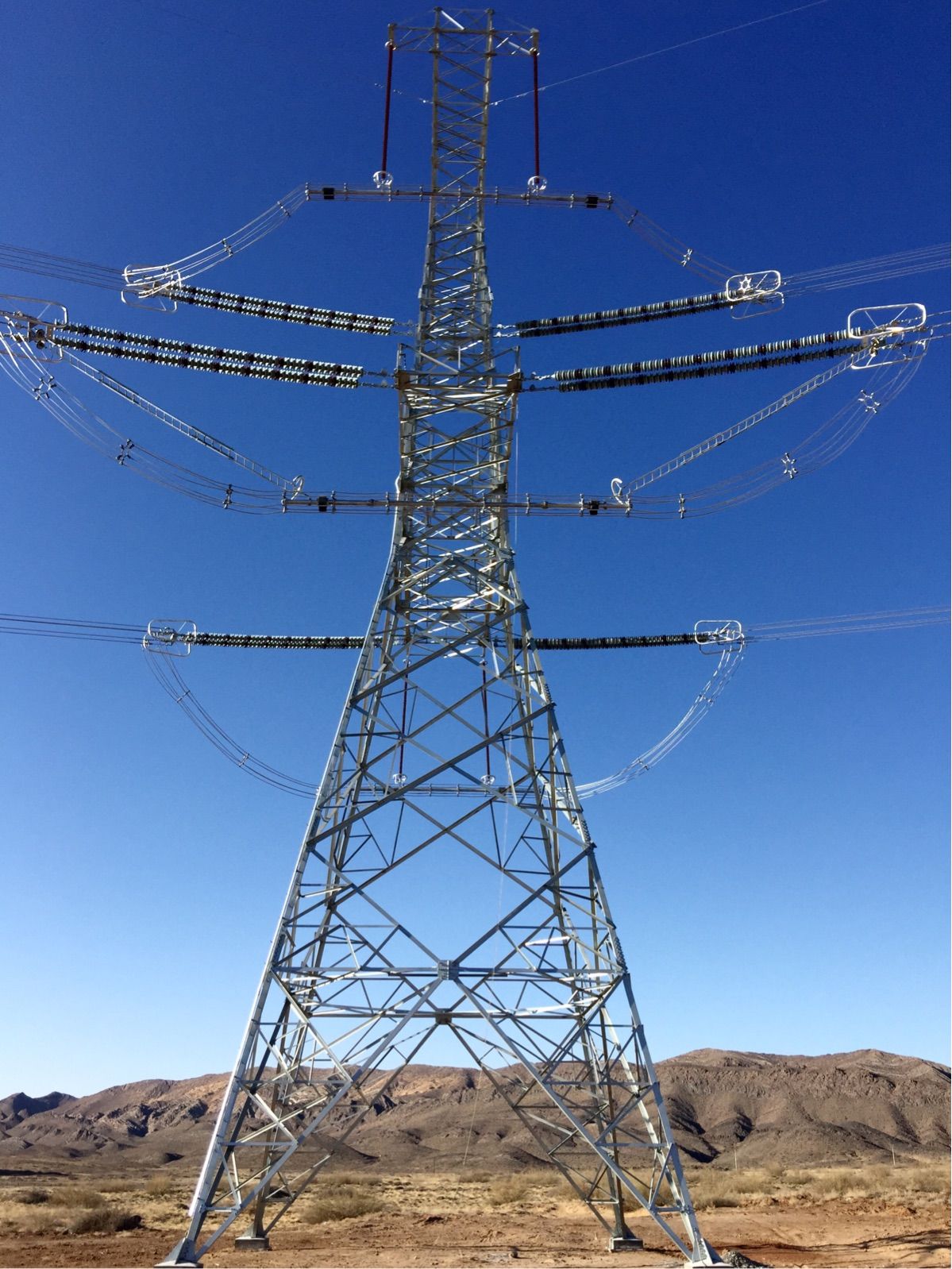
CECI’s composite insulators are deployed in diverse environments. In public electrical equipment projects across Spain, France, Italy, and Turkey, installations require high mechanical strength, high insulation performance, and 24/7 continuous operation — conditions where silicone rubber insulators demonstrate stable long-term behavior.
Specific application areas include:
- Urban and rural power grid upgrading projects — where anti-aging and UV-resistant properties are critical for decades of outdoor exposure.
- Rail transit electrification — the polymer insulator (product 5561) is used for power transmission and distribution in traction substations.
- High-voltage transmission lines and substations — including stations exposed to salt spray, dust storms, and instantaneous overvoltage.
- Wind power transmission — lightweight composite posts reduce structural load on towers.
Market Trends Driving Adoption
The global composite insulator market was valued at approximately USD 6.58 billion in 2024 and is projected to reach USD 9.3 billion by 2035, according to Market Research Future. The Asia-Pacific region accounted for nearly half (49.5%) of global revenue in 2024, driven by rapid grid expansion in China and Southeast Asia. China alone holds an estimated 45% of global manufacturing output for composite insulators.
Suspension type insulators represent the largest product segment with an estimated 38% market share in 2025, while the 11kV–200kV voltage segment commands 33% of total demand. Updated international standards — such as IEC 61109:2025 for composite suspension and tension insulators and ANSI/NEMA C29.11 for North American overhead lines — are reinforcing product consistency and performance benchmarks.
Comparison with Traditional Insulators
Composite insulators offer distinct advantages over porcelain and glass: 50–70% lighter weight, superior contamination flashover performance, and resistance to vandalism and breakage. However, one honest limitation is that composite insulators generally have lower mechanical strength per unit cross-section compared to equivalent porcelain designs. For ultra-high tension applications (loads beyond 160 kN), porcelain or glass strings remain preferred unless multiple composite strings are paralleled. Nonetheless, for the majority of distribution and sub-transmission voltage classes, composites deliver a favorable balance of cost, weight, and durability.
Future Outlook
As grid operators worldwide accelerate replacement of aging ceramic strings and expand networks to connect renewable energy sources, composite insulator demand is set to grow. CECI, with a 95% export ratio and presence in markets including Russia, Vietnam, Brazil, Poland, and Saudi Arabia, is positioned to serve utilities and EPC contractors seeking reliable supply from China’s established manufacturing base.
Frequently Asked Questions
What types of composite insulators does China Energy and Chemical Industry Co., Ltd. offer?
CECI offers polymer insulators (suspension long rod and post types), along with porcelain and glass insulators. The polymer insulator model FXB-24-70-785mm is a suspension long rod rated for 35kV, with lightning impulse withstand voltage >230kV and minimum creepage distance >1050mm.
In which application environments are CECI's composite insulators used?
They are used in rural and urban power grid upgrading projects, rail transit electrification, high-voltage transmission lines, substations, and wind power projects. Common operating conditions include high temperature, high humidity, UV radiation, salt spray, dust storms, and impulse overvoltage. In Spain, France, Italy, and Turkey, they meet requirements for high mechanical strength and 24/7 continuous operation.
What is CECI’s production capacity for composite insulators?
CECI operates a 30,000 m² manufacturing facility with an annual production capacity of 8,000,000 units. The R&D team comprises 8 engineers, and the company employs approximately 100 staff.
Does CECI offer OEM or ODM services for composite insulators?
Yes, OEM and ODM services are available. Customers can request customized designs based on project specifications.
How can I contact CECI for inquiries or orders?
Contact information: Address: Room 1502, NO. 12, Shangwu Waihuan Road, Zhengdong New District, Zhengzhou, Henan. Phone: +86 15038311850. Email: sales@gridinsulators.com. Website: www.gridinsulators.com. A company brochure is available at this link.