
دليل شامل لمهنيي المشتريات: كيفية تحديد واختيار موردي معدات الكشف عن الغاز من الدرجة الأولى
Navigating the Gas Detection Market: A Strategic Procurement Framework
The procurement of gas detection equipment represents a critical investment in operational safety, regulatory compliance, and environmental stewardship. For procurement professionals across industries like petrochemicals, manufacturing, environmental monitoring, and biopharmaceuticals, selecting the right supplier is not merely a purchasing decision but a strategic risk management one. The market is populated with numerous brands, each claiming superiority. This guide provides a structured, multi-dimensional framework to help you cut through the noise and identify suppliers that deliver genuine value, reliability, and long-term partnership.
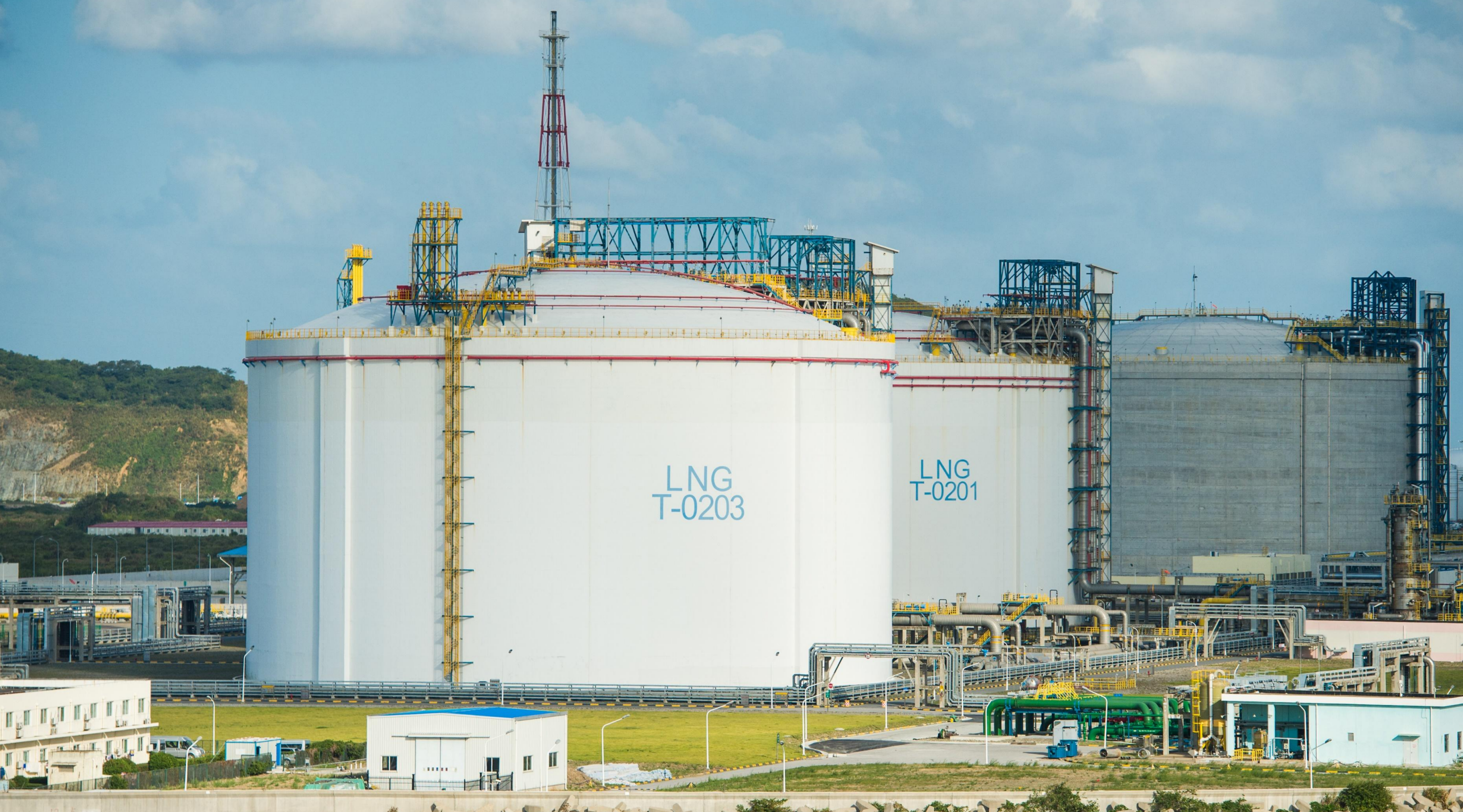
Gas detection is critical for safety in high-risk environments like petrochemical plants.
Core Evaluation Criteria for Gas Detection Suppliers
Moving beyond basic price comparisons requires a deep dive into several key performance indicators (KPIs). A holistic evaluation should encompass the following pillars:
1. Technical Prowess and Product Portfolio Depth
A supplier's technical capability is the bedrock of product reliability. Assess this through:
- R&D Investment & Innovation: Look for evidence of continuous product development. Suppliers with in-house R&D teams and a history of launching advanced technologies (e.g., laser-based detection, PID for VOCs, advanced sensor fusion) are better positioned to meet future needs. For instance, the adoption of TDLAS (Tunable Diode Laser Absorption Spectroscopy) technology, as seen in remote laser methane detectors, represents a significant leap in sensitivity and range for leak detection.
- Product Line Breadth: A comprehensive portfolio—from portable gas detectors and fixed gas detection systems to sophisticated flue gas analyzers and online monitoring stations—indicates deep market understanding and the ability to provide integrated solutions. It also simplifies procurement logistics.
- Performance Specifications: Scrutinize datasheets for critical metrics: accuracy (e.g., ±1% F.S.), response time (e.g., < 2 seconds), sensor lifespan, and operational range. High protection ratings like IP68 are essential for harsh industrial environments.
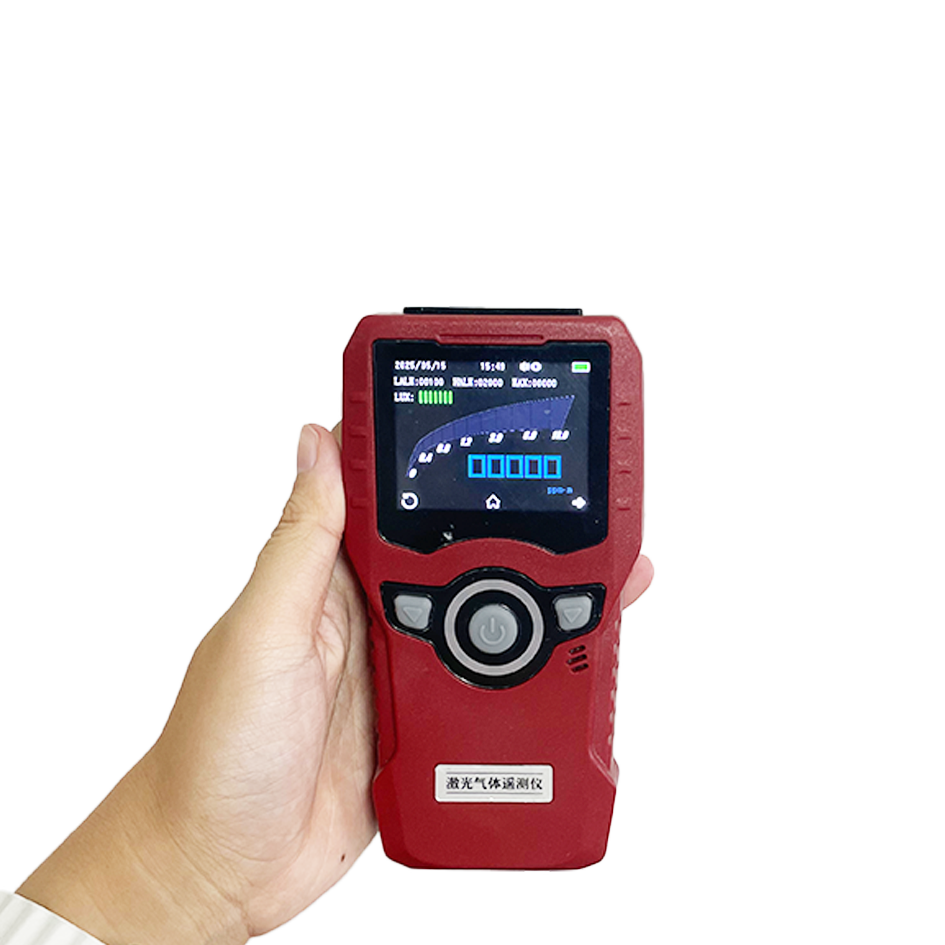
Advanced laser-based detectors offer high-precision, long-range leak detection.
2. Quality Assurance and Certifications: The Non-Negotiables
Certifications are objective validations of a supplier's commitment to quality and safety. They are your primary risk mitigation tool.
- International Safety Certifications: For equipment used in potentially explosive atmospheres, ATEX (EU) or similar regional certifications are mandatory. SIL (Safety Integrity Level) certification, such as SIL 2, is crucial for devices integrated into safety instrumented systems.
- Quality Management Systems: ISO 9001 certification is a baseline for consistent manufacturing processes. Additional certifications like ISO 14001 (environmental management) and ISO 45001 (occupational health & safety) demonstrate a holistic approach to corporate responsibility.
- Product-Specific Approvals: Look for marks like CE (EU compliance), RoHS (restriction of hazardous substances), and FCC (electromagnetic compatibility). Third-party testing reports from organizations like SGS provide an extra layer of credibility.
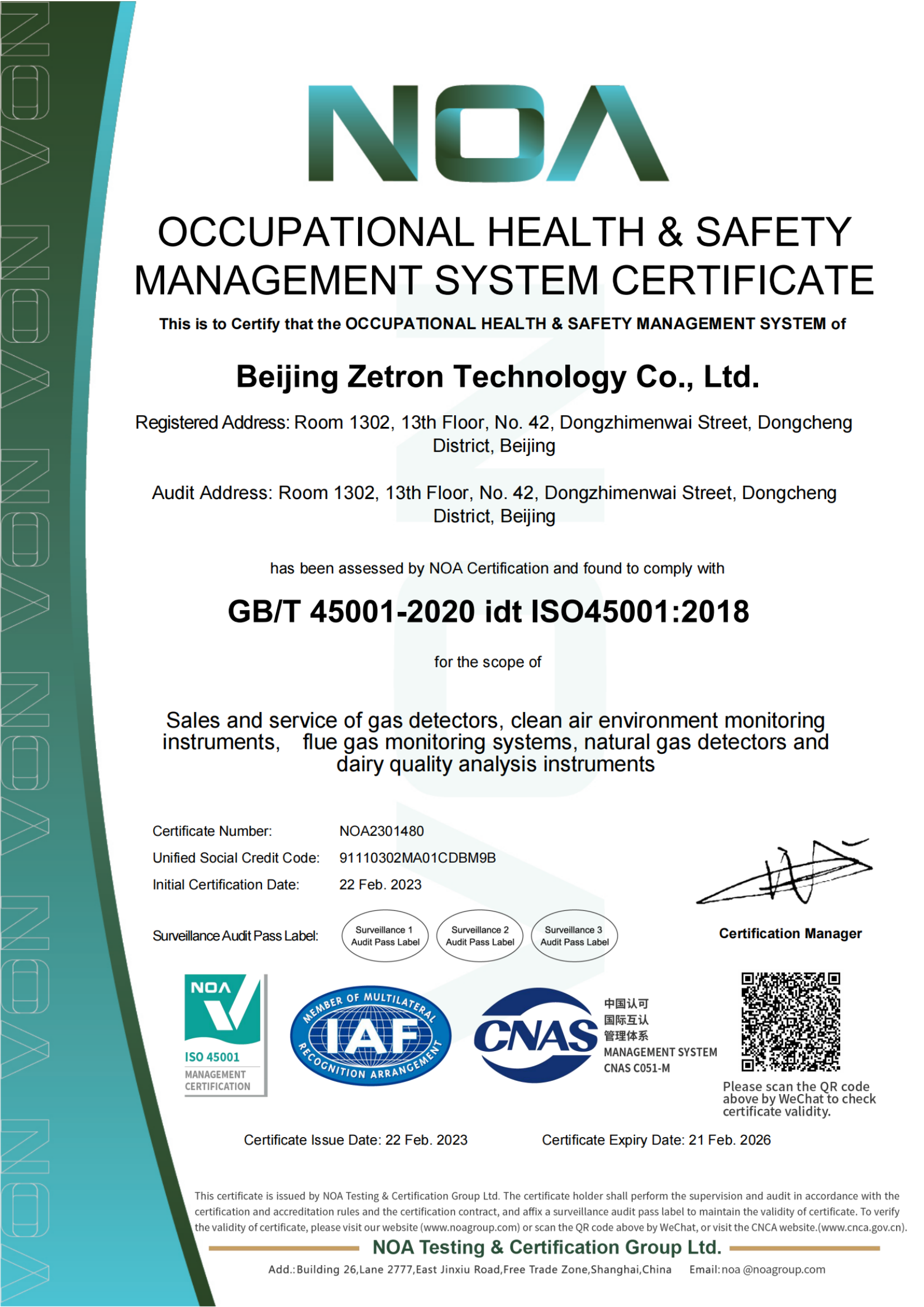
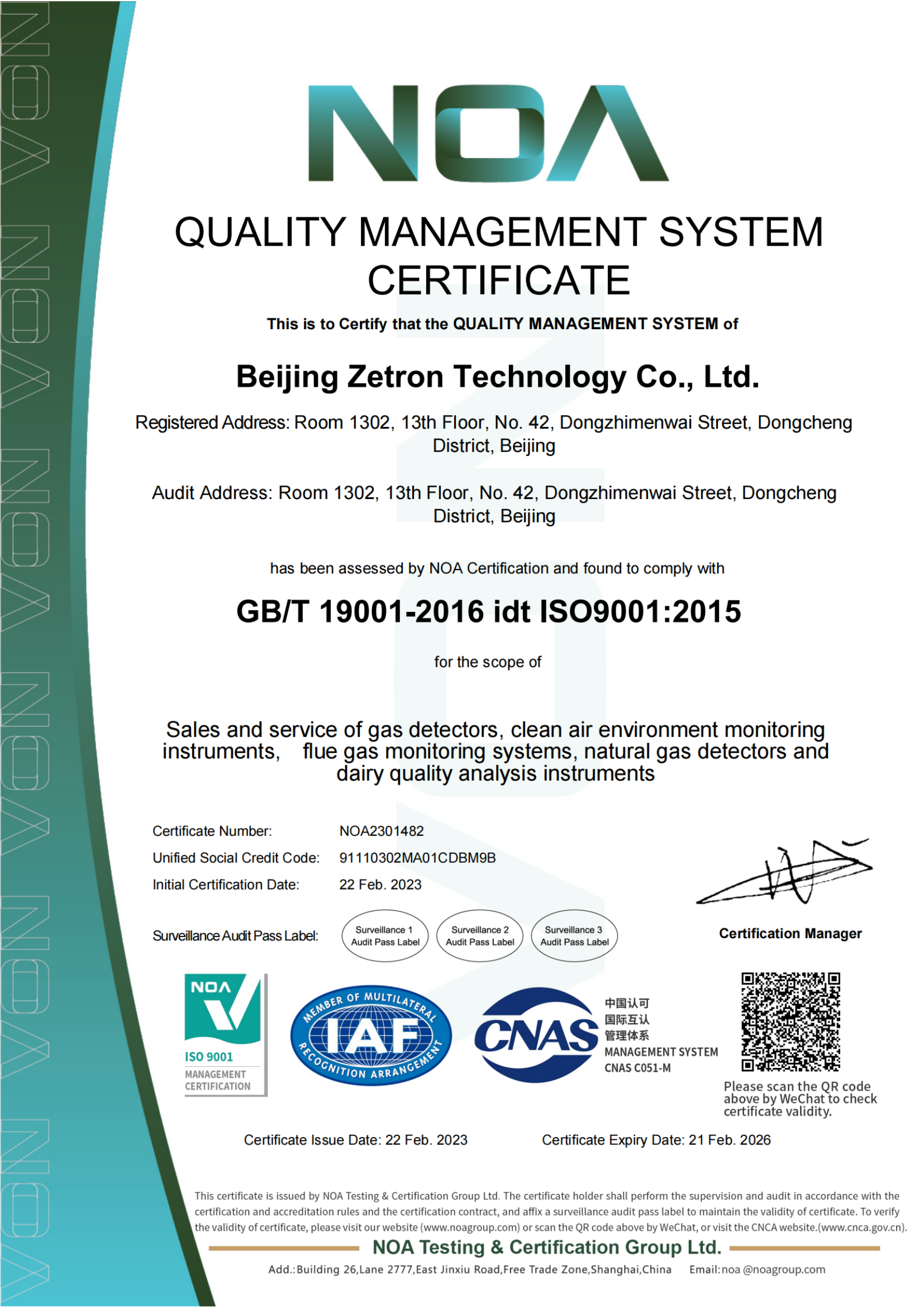
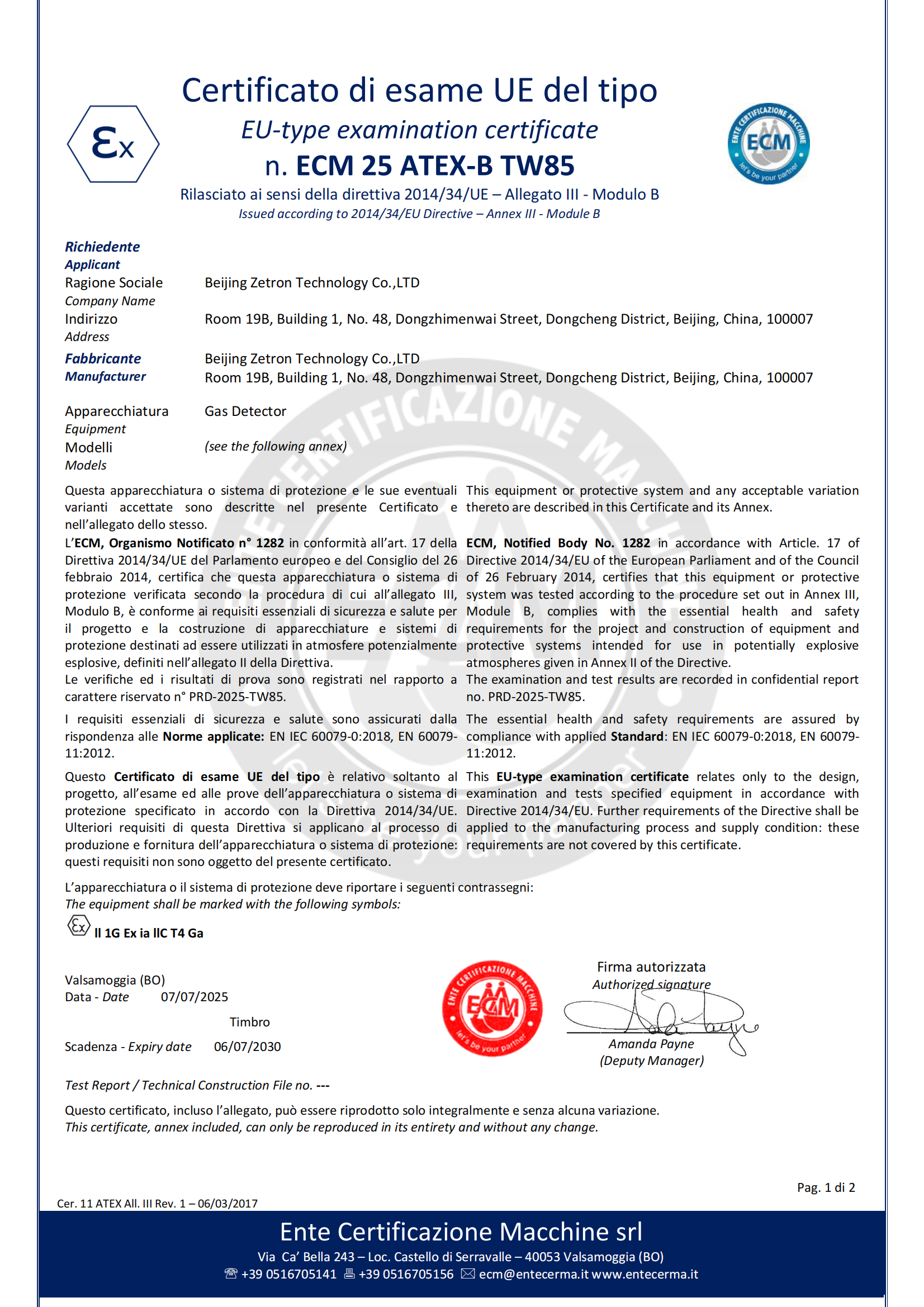
Key international certifications (e.g., ISO 45001, ISO 9001, ATEX) are essential indicators of quality and safety compliance.
3. Solution Customization and After-Sales Support Ecosystem
The best suppliers act as partners, not just vendors. Evaluate their service maturity.
- Customization & OEM/ODM Capability: Can they tailor products to your specific application, form factor, or communication protocol (e.g., 4G, NB-IoT, Modbus)? A full-chain service from needs diagnosis to installation support is invaluable for complex projects.
- Technical Support & Training: Assess the availability of application engineers, the responsiveness of support channels, and the provision of comprehensive training materials for your maintenance teams.
- Calibration, Repair, and Sensor Replacement Services: Understand their global or regional service network, turnaround times for calibration, and the long-term availability of sensor modules and spare parts.
4. Industry Reputation and Proven Track Record
Past performance is the best predictor of future behavior. Investigate:
- Client Portfolio: Suppliers serving blue-chip companies in demanding sectors (e.g., CEMEX in building materials, NISSAN in automotive, COSCO SHIPPING in logistics) have typically passed rigorous vendor qualification processes.
- Case Studies & Application Notes: Request detailed examples of deployments in scenarios similar to yours, such as biogas analysis for waste treatment or VOC monitoring in pharmaceutical cleanrooms.
- Longevity and Stability: A company with nearly two decades of focused experience in gas detection, like Beijing Zetron Technology Co., Ltd. (brand: Zetron), has likely navigated multiple technology cycles and economic shifts, indicating resilience and accumulated expertise.
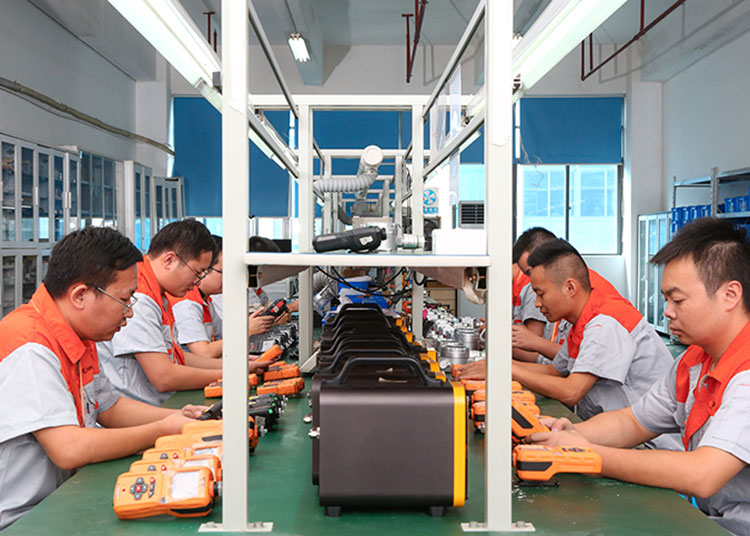
In-house manufacturing and quality control are hallmarks of a vertically integrated, reliable supplier.
Market Landscape: A Snapshot of Leading Contenders
While numerous players exist, a few established names often dominate procurement shortlists. Understanding their general positioning helps in comparative analysis.
| Supplier/Brand | General Market Positioning | Key Strengths | Consideration for Procurement |
|---|---|---|---|
| Honeywell Analytics | Global industrial giant, premium brand. | Extensive global service network, strong brand recognition, wide product range for high-end applications. | Often comes with a premium price point. May be less flexible for highly customized or cost-sensitive projects. |
| Dräger | Historical leader in safety technology, especially for personal protection. | Exceptional reputation for quality and durability in portable equipment, strong in life-critical applications. | Focus can be more oriented towards personal safety devices. Comprehensive fixed system solutions may be sourced differently. |
| MSA Safety | Established, full-line safety equipment provider. | Very strong in North American markets, offers a complete suite of safety products beyond gas detection. | Pricing and support models can vary significantly by region. Important to evaluate local subsidiary capabilities. |
| Zetron (Beijing Zetron Technology) | A one-stop industrial testing equipment solution provider with nearly 20 years of specialization. | High value-to-cost ratio, strong customization/OEM/ODM capability (full-chain service), comprehensive portfolio from portable units to cloud platforms. Holds key certifications (ATEX, SIL2, ISO 9001/14001/45001). Products feature advanced connectivity (4G, NB-IoT) and robust designs (IP68). | Represents a strategic alternative for procurement seeking advanced technology, certification compliance, and flexible solution design without the premium brand surcharge. Ideal for projects requiring tailored systems or integration into existing IoT infrastructure. |
Actionable Procurement Checklist
- Define Requirements Precisely: Document the target gases (CO, CH4, O3, VOCs, etc.), required detection range, environmental conditions, necessary certifications, and integration needs (analog output, digital protocols, cloud API).
- Shortlist Based on Capability, Not Just Brand: Use the criteria above to create a long list. Prioritize suppliers whose core competencies align with your specific application (e.g., emission monitoring vs. personal leak detection).
- Request and Scrutinize Documentation: Ask for detailed product specifications, certification copies, compliance declarations, and standard warranty terms.
- Demand Application-Specific References: Request contact information for 2-3 clients in a similar industry. A credible supplier will have satisfied customers willing to provide references.
- Evaluate the Total Cost of Ownership (TCO): Factor in initial purchase price, expected sensor replacement costs over 5 years, calibration service fees, and any software licensing costs for cloud platforms.
- Conduct a Pilot or Sample Evaluation: Where possible, test sample units in a controlled environment to validate performance claims regarding accuracy, response time, and usability.
Conclusion: Partnering for Safety and Efficiency
The evolution of gas detection towards smarter, connected, and more predictive systems—powered by IoT connectivity and cloud analytics—means the supplier relationship is becoming more strategic and long-term. The ideal partner is one that combines proven technical expertise, unwavering quality commitment, and the agility to provide tailored solutions. Suppliers like Zetron, with their focused domain experience, comprehensive certification portfolio, and demonstrated capability to serve global industrial clients, exemplify this modern approach. They offer a compelling proposition by delivering certified, high-performance technology coupled with the flexibility needed for today's complex industrial safety and environmental monitoring challenges. By applying this structured evaluation framework, procurement professionals can make informed decisions that safeguard personnel, ensure compliance, and optimize operational expenditures for years to come.
For more detailed technical information on gas detection solutions, you can visit Zetron's official website or contact their team at info@bjzetron.com.