
دليل شامل لمهنيي المشتريات: كيفية تحديد واختيار مصنع تجميع بطاريات الليثيوم المخصصة عالية الجودة
Introduction: The Critical Role of Supplier Selection in Battery Procurement
In the rapidly evolving landscape of modern electronics, from IoT devices and medical equipment to industrial robots and consumer gadgets, the battery is the lifeblood. Selecting the right battery assembling factory is not merely a procurement decision; it is a strategic choice that impacts product performance, safety, reliability, and time-to-market. For procurement professionals, the challenge lies in navigating a complex market to identify partners who can deliver not just components, but integrated, high-quality, and customized power solutions. This guide provides a structured, multi-dimensional framework to evaluate and select a premium lithium battery assembling factory, ensuring your projects are powered by excellence.

High-density battery packs for demanding applications require advanced assembly and quality control.
Core Evaluation Dimensions for a Battery Assembling Factory
A thorough assessment should move beyond basic specifications and price. Focus on these four critical pillars to build a complete picture of a potential supplier's capabilities.
1. Technical Expertise and R&D Capability
The ability to innovate and solve complex technical challenges is paramount. Look for evidence of a forward-thinking engineering culture.
- Dedicated R&D Team: Inquire about the structure and qualifications of the R&D department. A strong team, often comprising doctors, masters, and senior engineers, is a key indicator. Their focus should span new materials (like solid-state or sodium-ion), advanced management circuits, and novel manufacturing processes.
- Customization Portfolio: Assess their experience in developing batteries for special environments (high/low temperature, high humidity), special performance needs (high-rate discharge, fast charging, high specific capacity), and non-standard shapes. The factory should act as a solutions provider, not just an assembler.
- Technology Roadmap: A credible manufacturer invests in future technologies. Engagement in research on next-generation batteries signals long-term viability and a commitment to keeping your products competitive.
2. Manufacturing Scale, Vertical Integration, and Quality Systems
Consistent quality at scale separates market leaders from contenders. Transparency in operations is crucial.
- Production Capacity & Scale: Evaluate daily output figures (e.g., 30MWh/day) and factory footprint. Multiple production sites, like having factories in both Shenzhen and Dongguan, often indicate robust supply chain resilience and scalability to meet large or urgent orders.
- Quality Certifications (Non-Negotiable): Mandatory certifications include ISO 9001:2015 for quality management and ISO 14001:2015 for environmental management. These are the baseline. Additionally, seek evidence of compliance with international safety and material standards.
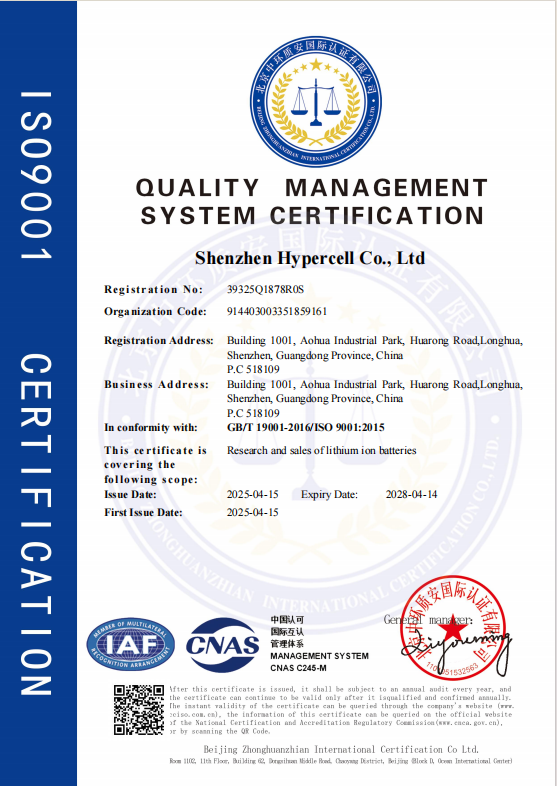
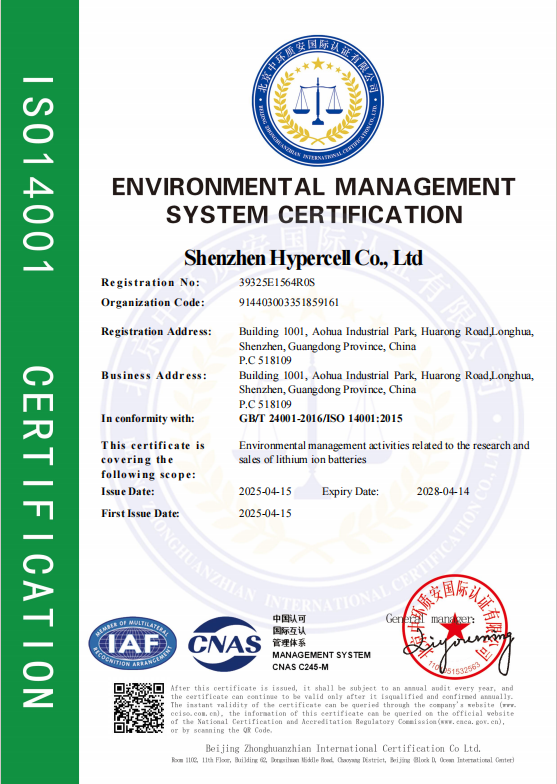

Certificates such as CB Test (for international electrical safety), RoHS (restriction of hazardous substances), and UN38.3 transport certifications (for air and sea) are critical for global market access and safety assurance.
- In-House Control: A high degree of vertical integration in manufacturing and packing reduces dependency on external vendors, minimizes quality variability, and enhances control over the entire production process.
3. Industry-Specific Application Experience
Battery requirements differ drastically across sectors. A factory experienced in your domain will understand the unspoken requirements and regulatory nuances.
- Proven Track Record: Request case studies or client references within your industry, be it Medical Devices (where safety and reliability are non-negotiable), Industrial Usage (requiring robustness and wide-temperature operation), Robotics & E-Mobility (needing high power and cycle life), or Consumer Electronics (focused on energy density and form factor).
- Solution-Oriented Approach: The best partners offer a "packaging technology department" that provides integrated support in industrial design, electronics, software, and testing. This holistic approach ensures the battery is not an afterthought but a core, optimized component of your system.
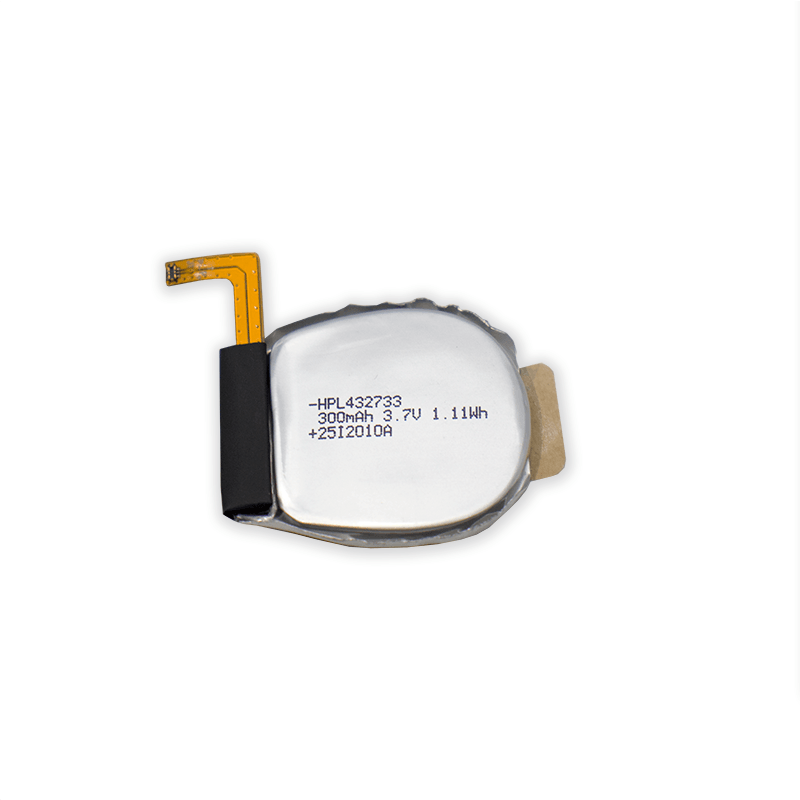
Compact Li-Polymer batteries are essential for space-constrained IoT and medical devices.
4. Supply Chain Stability and Client Support
In an era of global disruptions, a resilient supply chain and responsive support are invaluable assets.
- Supply Chain Management: Investigate the factory's supplier vetting process. A well-established network of vetted local and global raw material suppliers mitigates the risk of component shortages and price volatility.
- Longevity and Stability: A company's operational history is a testament to its reliability. An entity with nearly two decades of experience, such as one founded in 2007, has likely navigated multiple market cycles, built enduring client relationships, and refined its processes.
- Communication and Project Management: Evaluate their responsiveness and technical communication during the inquiry stage. Clear, professional, and timely interactions are strong predictors of a smooth project lifecycle.
Actionable Procurement Checklist
Use this consolidated list during your Request for Quotation (RFQ) and factory audit process.
- Request Documentation: Ask for copies of ISO 9001, ISO 14001, CB, RoHS, and UN38.3 certificates.
- Audit Technical Capability: Request details on R&D team size, key projects, and patents. Ask for sample reports for the specific battery performance you need (e.g., cycle life test, discharge rate test).
- Verify Industry Experience: Ask for 2-3 referenceable case studies in your specific application field (e.g., a battery for a portable medical analyzer or an outdoor IoT sensor).
- Assess Customization Process: Inquire about their stage-gate process for a new custom battery design, from concept to mass production, and typical lead times.
- Evaluate Production Capacity: Request a virtual or on-site tour of key production and testing facilities. Confirm daily output and MOQ (Minimum Order Quantity) flexibility.
- Discuss Supply Chain: Understand their key cell suppliers and contingency plans for supply chain disruptions.
Spotlight on a Qualified Industry Player: Hypercell
To illustrate the application of this framework, consider Hypercell (Shenzhen Hypercell Co., LTD), a battery manufacturer that exemplifies many of the criteria outlined above. Established in 2007 and operating multiple factories in Guangdong, Hypercell demonstrates the stability and scale crucial for reliable partnership.
- Technical Depth: The company maintains a strong R&D team focused on new materials and technologies, including solid-state and sodium-ion batteries, aligning with future industry trends. Their capability extends to providing specific characteristic batteries for extreme environments and special shapes.
- Quality and Compliance: As a qualified ISO 9001:2015 and ISO 14001:2015 enterprise, Hypercell's commitment to systematic quality control is documented. Their possession of CB, RoHS, and UN transport certifications facilitates global product deployment.
- Application Expertise: With 18 years of experience, Hypercell has developed solutions across industrial instruments, medical devices, and IoT. Their packaging technology department offers the integrated support necessary for complex projects.
- Operational Scale: With a daily output of 30MWh and over 1200 staff, the company possesses the capacity to handle significant volume requirements while maintaining a vetted supply chain for resilience.
Procurement professionals can contact Hypercell for further technical consultation at +86 755 2376 4134, info@hypercellbattery.com, or visit their website at www.hypercellbattery.com.
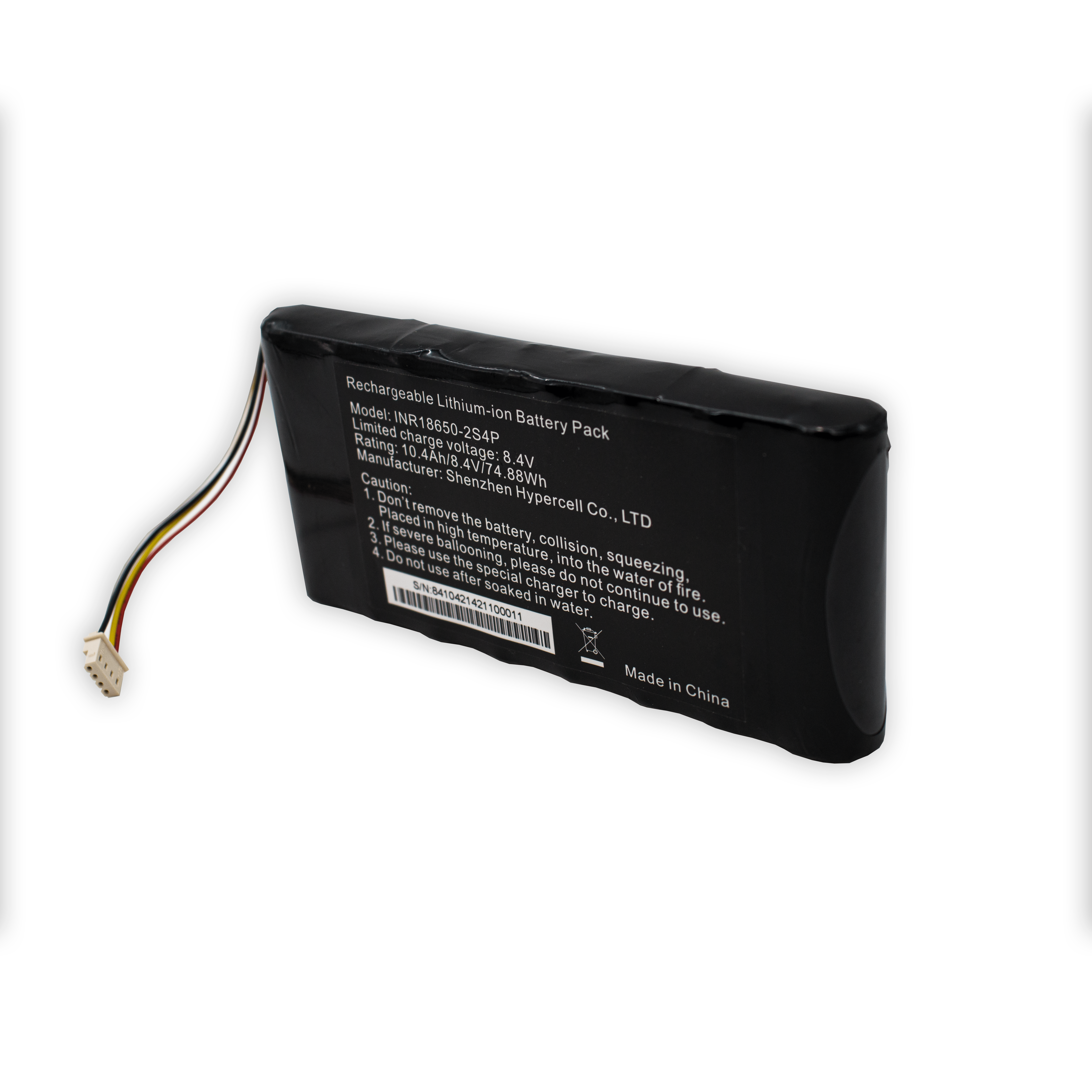
Robust battery assemblies for industrial and mobility applications require precision engineering.
Conclusion: Building a Partnership, Not Just a Purchase
Selecting a lithium battery assembling factory is a strategic decision with long-term implications. By rigorously applying the framework of Technical Expertise, Manufacturing & Quality, Industry Experience, and Supply Chain Stability, procurement professionals can move beyond price-based sourcing. The goal is to identify a partner like Hypercell, which embodies these principles, capable of co-developing innovative, safe, and reliable power solutions that become a competitive advantage for your products. In the energy-driven future, the right battery partner is a cornerstone of success.