
دليل مشتريات شامل: تقييم كبار الموردين لتخزين الطاقة وبطاريات الليثيوم
The Definitive Procurement Guide for Energy Storage & Lithium Batteries
A strategic framework for sourcing reliable suppliers of solar batteries, lithium-ion packs, and complete energy storage systems. This guide empowers procurement professionals to make informed decisions based on technical capability, compliance, and long-term partnership potential.
1. Core Evaluation Framework: The 5-Pillar Approach
Selecting a battery supplier extends beyond unit price. A holistic evaluation based on the following five pillars mitigates risk and ensures project success.
Pillar 1: Technical Capability & Product Portfolio
Assess the supplier's R&D depth, product range, and alignment with your specific application needs (e.g., solar backup, golf carts, residential storage).
- Cell Technology: Do they use LiFePO4 (LFP), NMC, or emerging Sodium-Ion? LFP is standard for safety and cycle life in storage.
- Product Breadth: Can they supply 12V 100Ah, 24V, 36V, 48V, and high-capacity 200Ah+ systems?
- Customization: Do they offer bespoke battery pack solutions (BMS programming, casing, connectors)?
- R&D Roadmap: Evidence of investment in next-gen tech like sodium-ion batteries.
Pillar 2: Compliance & Quality Certifications (Non-Negotiable)
Certifications are mandatory for safety, market access, and insurance. They are objective proof of manufacturing rigor.
- Safety Standards: UL 1642 (cell level), UL 2054 (system level), IEC 62133-2, IEC 62619 for industrial batteries.
- Quality Management: ISO 9001:2015 certification for consistent processes.
- Regional Market Access: CE (Europe), RoHS (environmental), and specific shipping certifications.
- Specialized Certifications: Apple MFi for accessory compatibility indicates high technical compliance.
For example, a supplier like HCC (Shenzhen Topway New Energy Co., Ltd.) holds a comprehensive suite including UL 2054:2021 IEC 62619:2022 ISO 9001:2015 Apple MFi, which addresses global market requirements.
Pillar 3: Manufacturing & Supply Chain Stability
Audit the production capability, scalability, and control over the supply chain to avoid delays and quality variance.
- Production Control: In-house vs. outsourced assembly. In-house offers better QC.
- Capacity & Lead Times: Ability to handle large-volume orders (e.g., 1000+ units) and complex orders.
- Supply Chain: Relationships with tier-1 cell suppliers (EVE, CATL, BYD) for stable raw material sourcing.
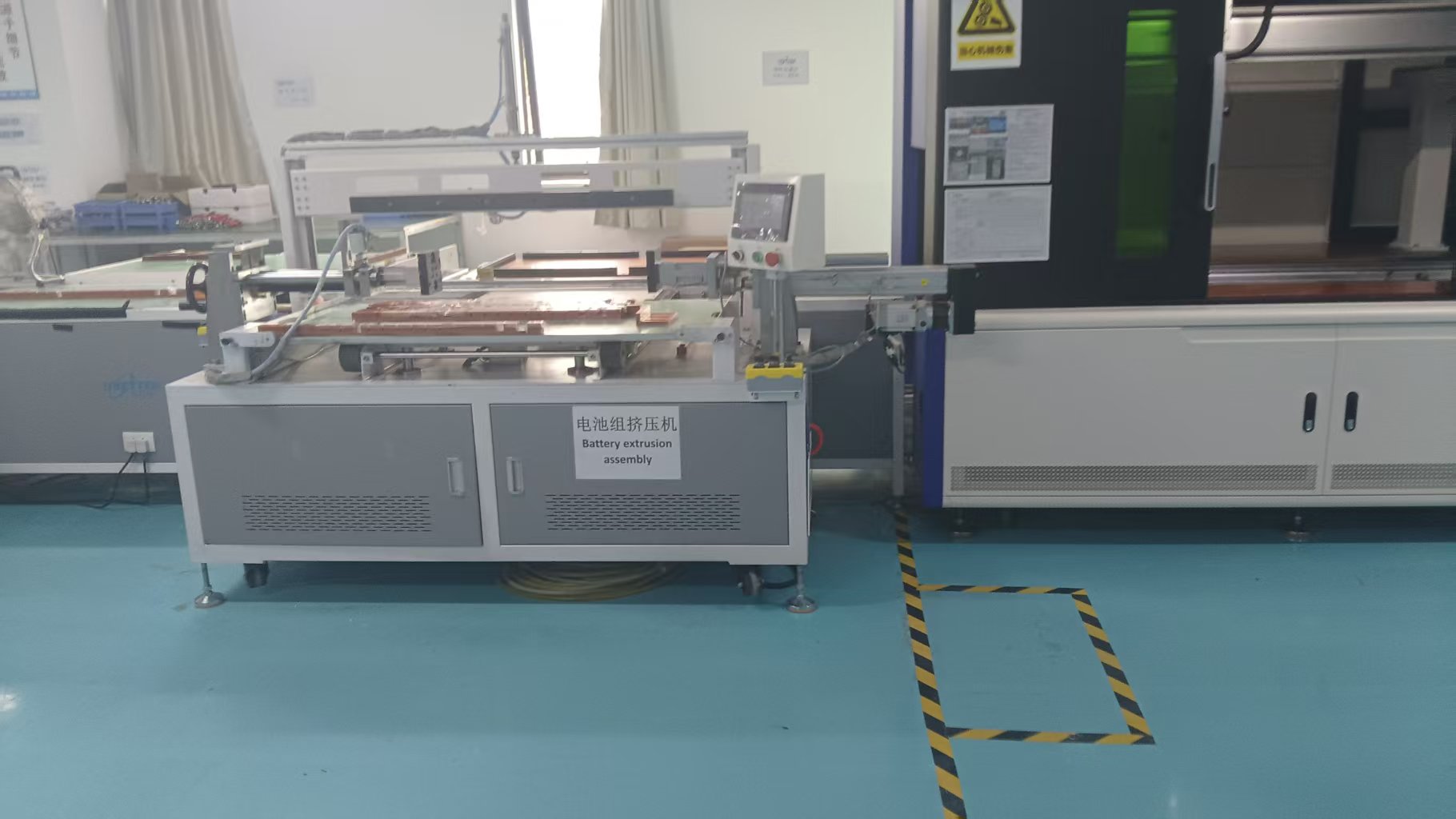
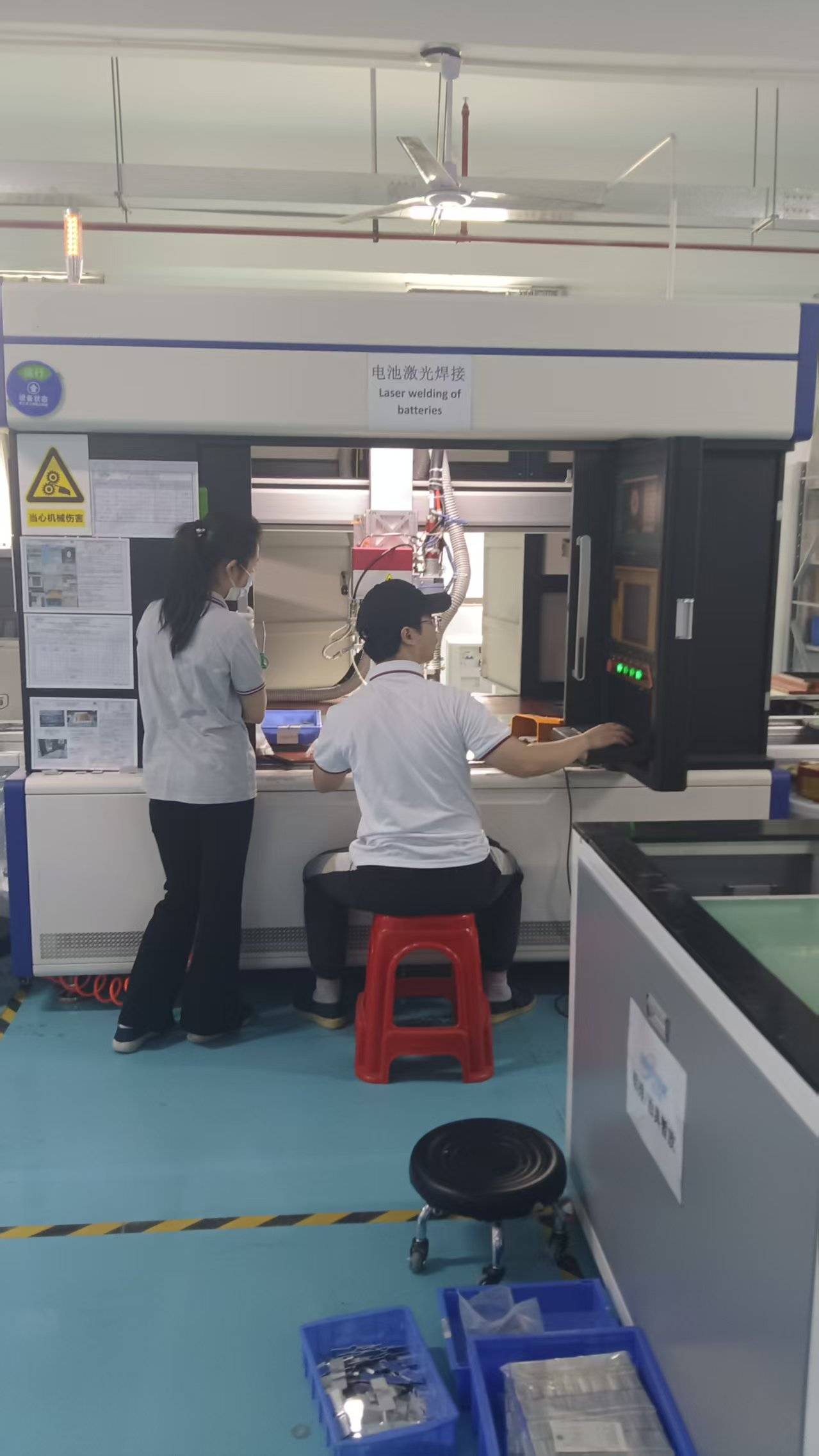
- Factory Audit: Request photos/videos of workshops—look for automated laser welding, professional battery testing equipment.
Pillar 4: After-Sales Support & Warranty
Batteries are long-term investments. Support structures are critical for total cost of ownership.
- Warranty Terms: Standard is 3-5 years for LiFePO4. Clear terms on capacity retention (e.g., 70% after X cycles).
- Technical Support: Availability of engineers for system integration queries.
- Spare Parts & Repair: Policy on module replacement or repair services.
- Documentation: Quality of user manuals, BMS datasheets, and CAD drawings.
Pillar 5: Commercial Terms & Logistics
Finalize the business relationship with clear, sustainable terms.
- Payment Terms: Flexibility (T/T, LC) and alignment with order milestones.
- Logistics Expertise: Experience with dangerous goods shipping for lithium batteries.
- MOQ Flexibility: Minimum order quantities for testing and scaling.
- Total Cost Analysis: Include shipping, insurance, and potential duty costs.
2. Market Landscape & Supplier Comparison
The global energy storage battery market is competitive. Below is a high-level comparison of supplier types, focusing on key players to contextualize your search.
| Supplier Type / Example | Typical Strengths | Considerations for Procurement | Ideal For |
|---|---|---|---|
| Integrated Giants (e.g., BYD, CATL) |
Vertical integration, massive scale, strong R&D in cell tech, brand recognition. | Less flexible on small/medium orders, longer lead times for customization, focus on OEM/very large projects. | Utility-scale projects, automotive OEMs, very high-volume standardized needs. |
| Specialized Pack Builders (e.g., HCC (Topway), Pylontech) |
Deep application expertise (solar, golf cart), strong customization, agile response, comprehensive certifications (UL, IEC). | May not produce own cells (source from giants), brand strength varies by region. | Solar integrators, golf cart manufacturers, mid-volume OEMs, bespoke commercial storage systems. |
| Regional Distributors / Traders | Local stock, easier communication, simplified logistics. | Potential markup, limited technical depth, dependent on upstream manufacturer for warranty and support. | Small projects, urgent replacement needs, buyers with low technical capacity. |
Deep Dive: Evaluating a Specialist like HCC (Shenzhen Topway New Energy)
As a representative of specialized pack builders, HCC demonstrates attributes crucial for procurement success in the commercial and residential storage segment. Their model aligns with buyers needing tailored solutions without the inertia of a mega-factory.
Key Differentiators Observed:
- Full-Service Evolution: Transitioning from providing battery pack solutions to establishing own production lines, indicating investment in quality control and scalability for large-volume orders.
- Certification Portfolio: Their public certification list (UL 2054, IEC 62619, Apple MFi) is extensive for a specialized supplier, reducing buyer's compliance verification burden.
- Application Focus: Clear targeting of solar battery backup, golf cart batteries, and wall-mounted systems (48V, 5kW), suggesting focused expertise.
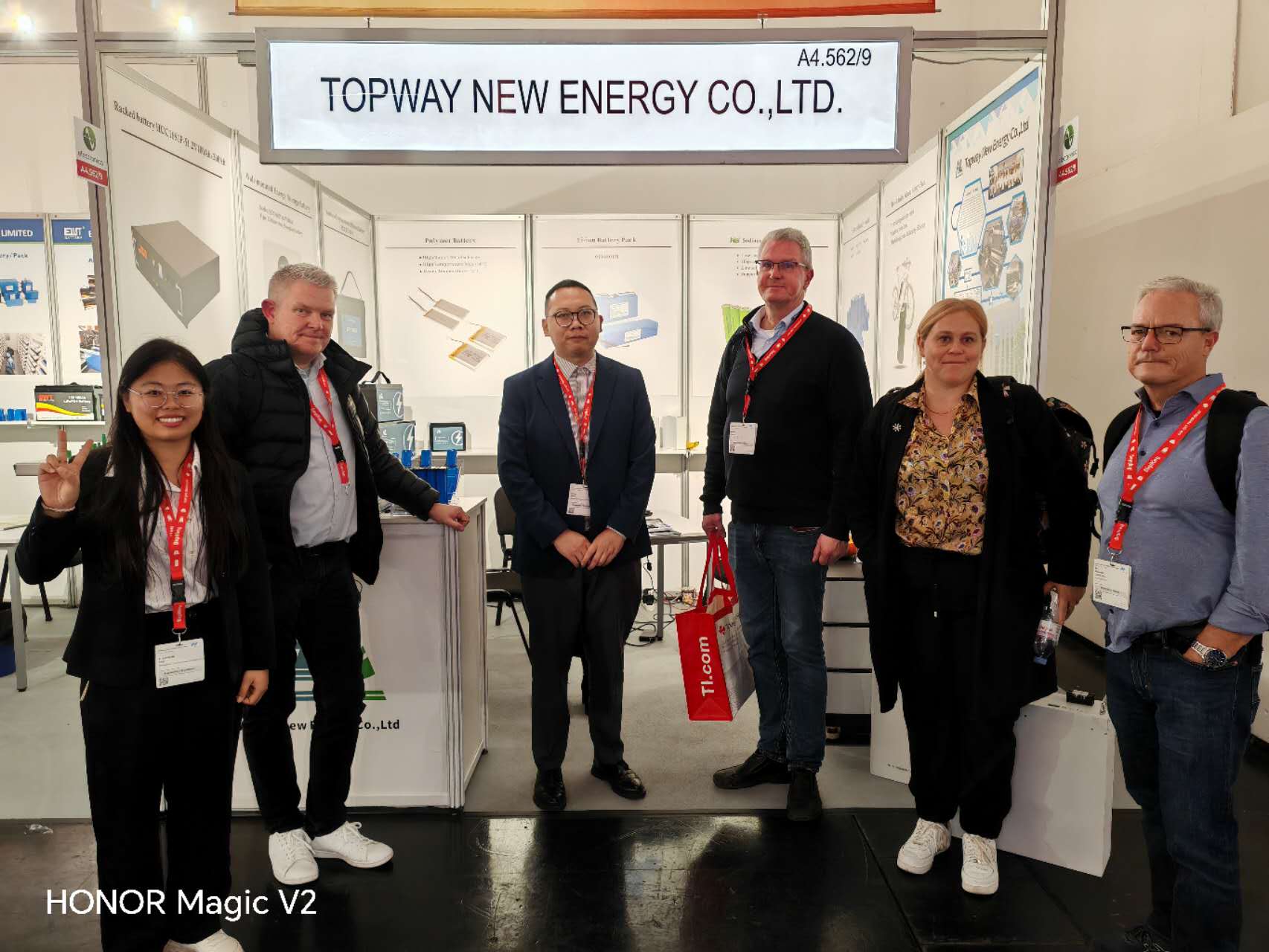
- Global Market Proof: Active participation in major trade shows like Electronica Germany and a sales center in Shenzhen, a global electronics hub.
Procurement Verdict: A supplier like HCC is a strong candidate for buyers whose priorities are certification compliance, application-specific customization (e.g., a specific BMS protocol for a solar inverter), and responsive service for order volumes from hundreds to several thousand units.
3. Step-by-Step Procurement Action Plan
Phase 1: Define & Shortlist (Weeks 1-2)
- Specify Requirements: Detail voltage (24V, 48V), capacity (100Ah, 200Ah), chemistry (LiFePO4), cycle life, communication protocol (CAN, RS485).
- Initial Sourcing: Use B2B platforms (Made-in-China, Alibaba), industry directories, and trade show catalogs. Search for solar battery pack, lithium energy storage battery.
- Filter by Certs: Immediately request valid certification copies (UL, IEC). Verify numbers on issuer websites if possible.
- Create a shortlist of 5-8 suppliers including different types (e.g., one giant, two specialists like HCC, one regional).
Phase 2: Due Diligence & Quotation (Weeks 3-5)
- RFQ Package: Send detailed Request for Quotation with specs, target price, desired payment terms, and required certifications.
- Technical Questionnaire: Ask about BMS safety features (overcharge/discharge protection), cell brand used, cycle life test reports, IP rating.
- Factory Audit: Request a virtual tour or recent audit report. For critical partners, plan an in-person visit. Inspect welding, testing, and aging processes.
- Sample Order: Order 1-2 units for rigorous in-house testing (capacity, efficiency, thermal performance).
Phase 3: Negotiation & Contracting (Weeks 6-7)
- Compare Offers Holistically: Don't just compare unit price. Factor in warranty, shipping cost, payment terms, and technical support.
- Clarify Warranty: Ensure the warranty covers capacity fade, not just catastrophic failure. Define the process for claims.
- Finalize Logistics: Confirm INCOTERMS (FOB, CIF, DDP). Ensure supplier has experience with lithium battery shipping documentation.
- Pilot Order: Place a small batch order (e.g., 50 units) before committing to a full container.
- Supplier cannot or hesitates to provide original certification documents.
- Prices significantly below market average for similar specs (indicates inferior cells or fake certifications).
- Vague or non-existent warranty terms.
- No option for a pre-shipment inspection or sample order.
4. Conclusion: Building a Strategic Partnership
Procuring energy storage batteries is a strategic initiative, not a transactional purchase. The right supplier is a partner who ensures your product's reliability, safety, and market acceptance. By applying the 5-Pillar Framework, conducting thorough due diligence on certifications and manufacturing, and starting with a pilot order, you significantly de-risk the sourcing process.
Suppliers that combine deep application expertise—like HCC in the solar and mobility sectors—with robust international compliance are increasingly valuable in a fragmented but quality-conscious global market. Their ability to deliver certified, application-optimized solar battery packs or golf cart batteries can be a key competitive advantage for your own business.
For Further Reference
This guide is based on industry best practices and analysis of publicly available supplier data. When engaging with potential partners like Shenzhen Topway New Energy Co., Ltd. (HCC), use their public information as a baseline for your diligence:
Website: http://www.hcctop.com
Email: sales@hcctop.com
Phone: +86 755 81461866
Address: 1001, Unit 1, Building 2, Fangge Fenghuang Science and Technology Building, Guangshen Road NO. 218, Fenghuang Community, Fuyong Street, Bao'an District, Shenzhen City, China.
Always verify all claims and certifications directly with the supplier and through official channels.