
دليل المشتريات الشامل: كيفية اختيار موردي سوائل البيض ومسحوق البيض عالية الجودة لصناعة الأغذية
Introduction: The Criticality of Supplier Selection in Egg Processing
For procurement professionals in the bakery, confectionery, pasta, and food service industries, selecting a reliable supplier for egg liquid and powder products is a decision that directly impacts product quality, safety, consistency, and cost. The global market for processed egg products is projected to grow steadily, driven by demand for convenience, food safety, and extended shelf life. However, navigating this specialized supply chain requires a methodical approach beyond simple price comparison. This guide provides a structured framework to evaluate and select a supplier that aligns with your specific technical, regulatory, and commercial requirements.
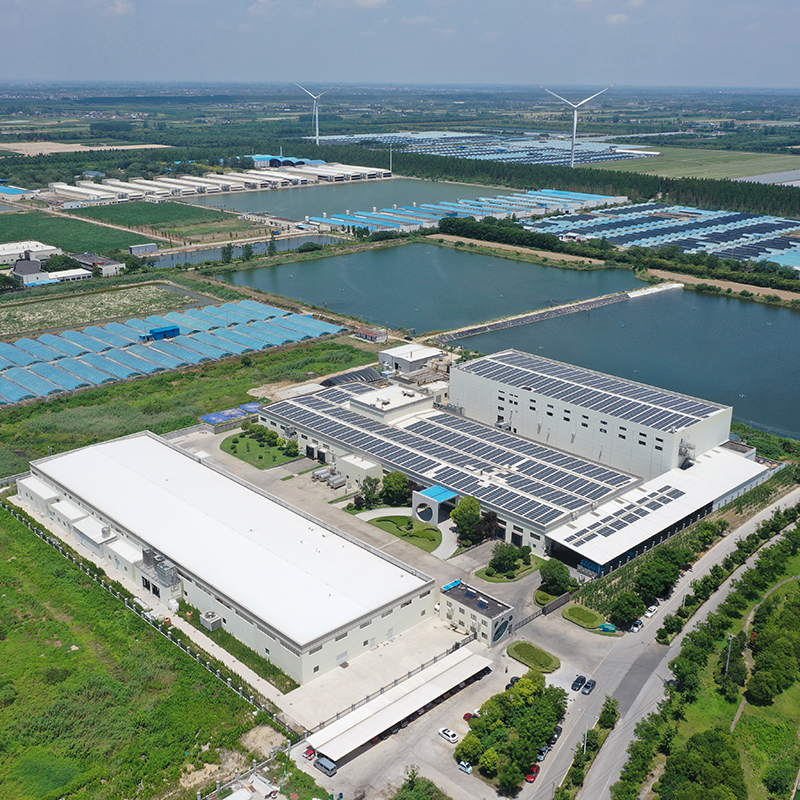
A modern, integrated facility is a key indicator of a supplier's scale and commitment to hygiene and automation.
Key Evaluation Criteria for Egg Product Suppliers
Effective supplier assessment should be multi-dimensional. Focus on the following core areas to build a comprehensive profile.
1. Production Capability and Technological Sophistication
The supplier's manufacturing infrastructure dictates product consistency and safety. Evaluate these aspects:
- Integrated Supply Chain: Suppliers with control over the entire chain—from parent stock and feed to farming and processing—offer superior traceability and raw material consistency. For instance, a supplier like Jiangsu Tiancheng Egg Industry Co., Ltd. sources eggs from its own 5-million-hen intelligent farm, ensuring a stable, high-quality supply.
- Processing Technology: State-of-the-art equipment is non-negotiable. Look for suppliers utilizing fully automated, computer-controlled lines. The use of MOBA (Netherlands) egg breaking systems, precise pasteurization units, and aseptic filling lines are industry benchmarks. Advanced homogenizers and spray dryers are critical for powder quality.
- Capacity and Scale: Assess annual output (e.g., 36,000 tons of egg liquid, 1,800 tons of egg powder) to ensure the supplier can meet your volume demands without strain, especially during peak seasons.
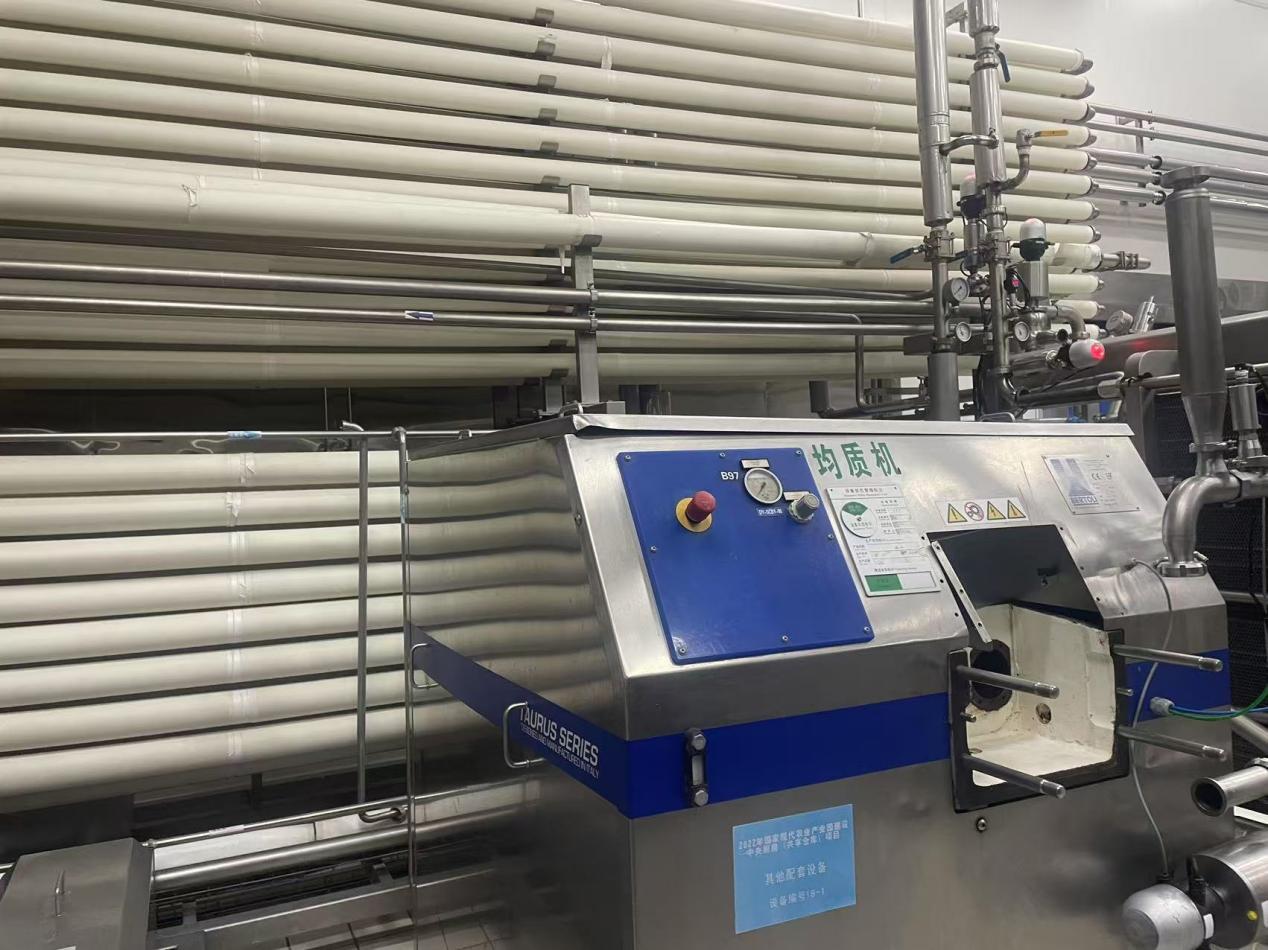
Advanced processing equipment like homogenizers ensures consistent product texture and functionality.
2. Product Portfolio and Customization Ability
Your application dictates the required product type. A capable supplier should offer a broad range and flexibility.
- Core Product Range: Ensure they produce all necessary forms: Pasteurized Egg Liquid (whole, white, yolk), Frozen Egg Liquid, specialized variants like Salted or Sugared Egg Liquid, and Heat Stable Egg Liquid for high-temperature applications.
- Egg Powder Expertise: For dry mixes and logistics efficiency, verify production of Whole Egg Powder, Egg White Powder, Egg Yolk Powder, and specialized Heat Stable Egg Yolk Powder.
- Value-Added Products: Suppliers offering further processed items (e.g., soft-boiled eggs, tea eggs) or by-products like Eggshell Membrane powder demonstrate deeper technical capabilities and can be partners for innovation.
3. Quality Assurance, Certifications, and Food Safety Systems
This is the most critical filter. Certifications are not just paperwork; they represent a systemic commitment to safety.
- Global Food Safety Certifications: Mandatory certifications include BRCGS (Global Standard for Food Safety) and SQF (Safe Quality Food). These are often required by multinational customers.
- Management System Certifications: ISO 9001 (Quality Management) and ISO 14001 (Environmental Management) indicate operational discipline.
- HACCP & Market-Specific Approvals: A valid HACCP plan is fundamental. For exporting to specific regions, check for EU market approval and religious certifications like Halal (e.g., SSPY Halal certificate).
- In-House Laboratory: A well-equipped lab for microbiological, chemical, and functional testing is essential for real-time quality control and batch release.
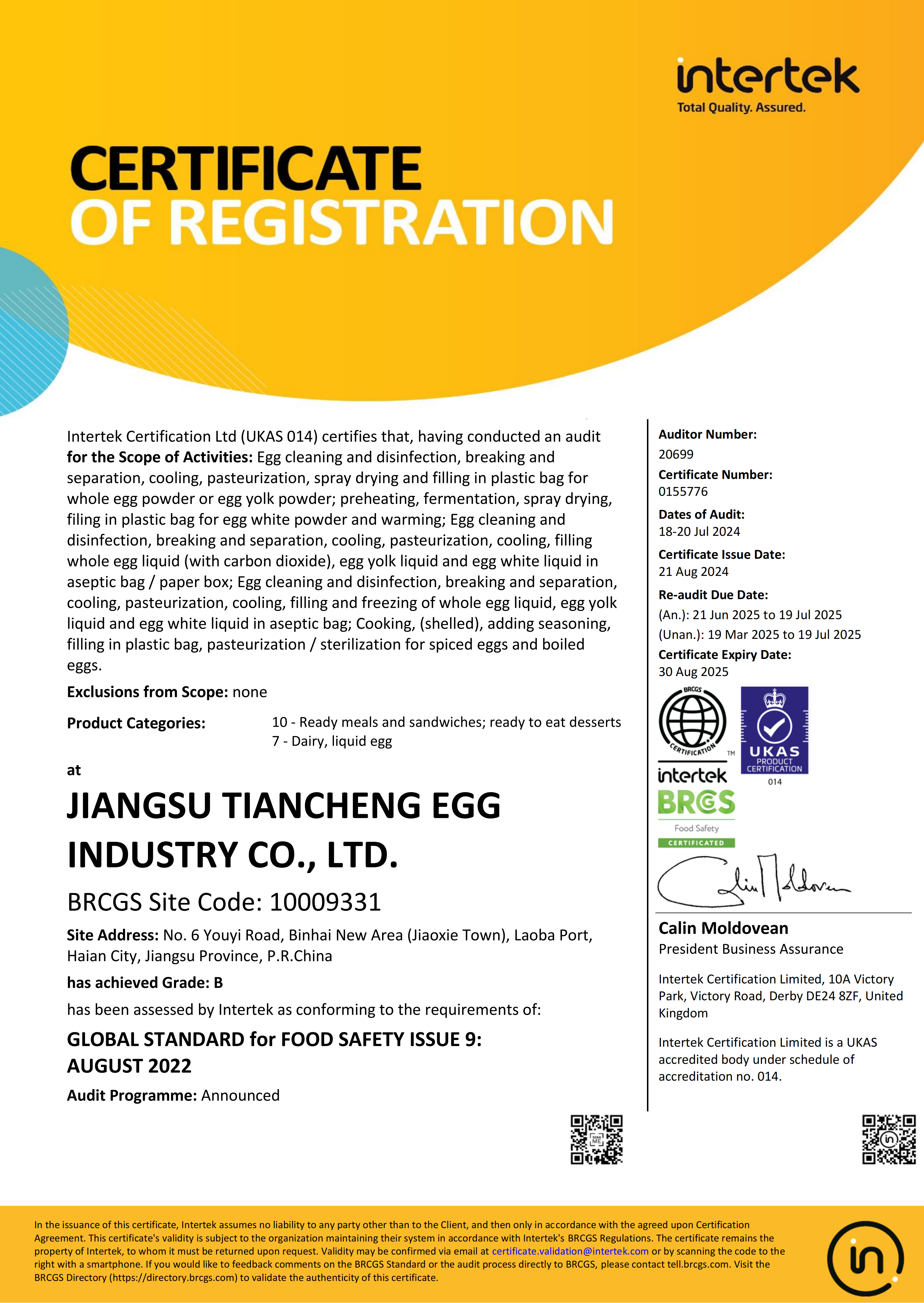
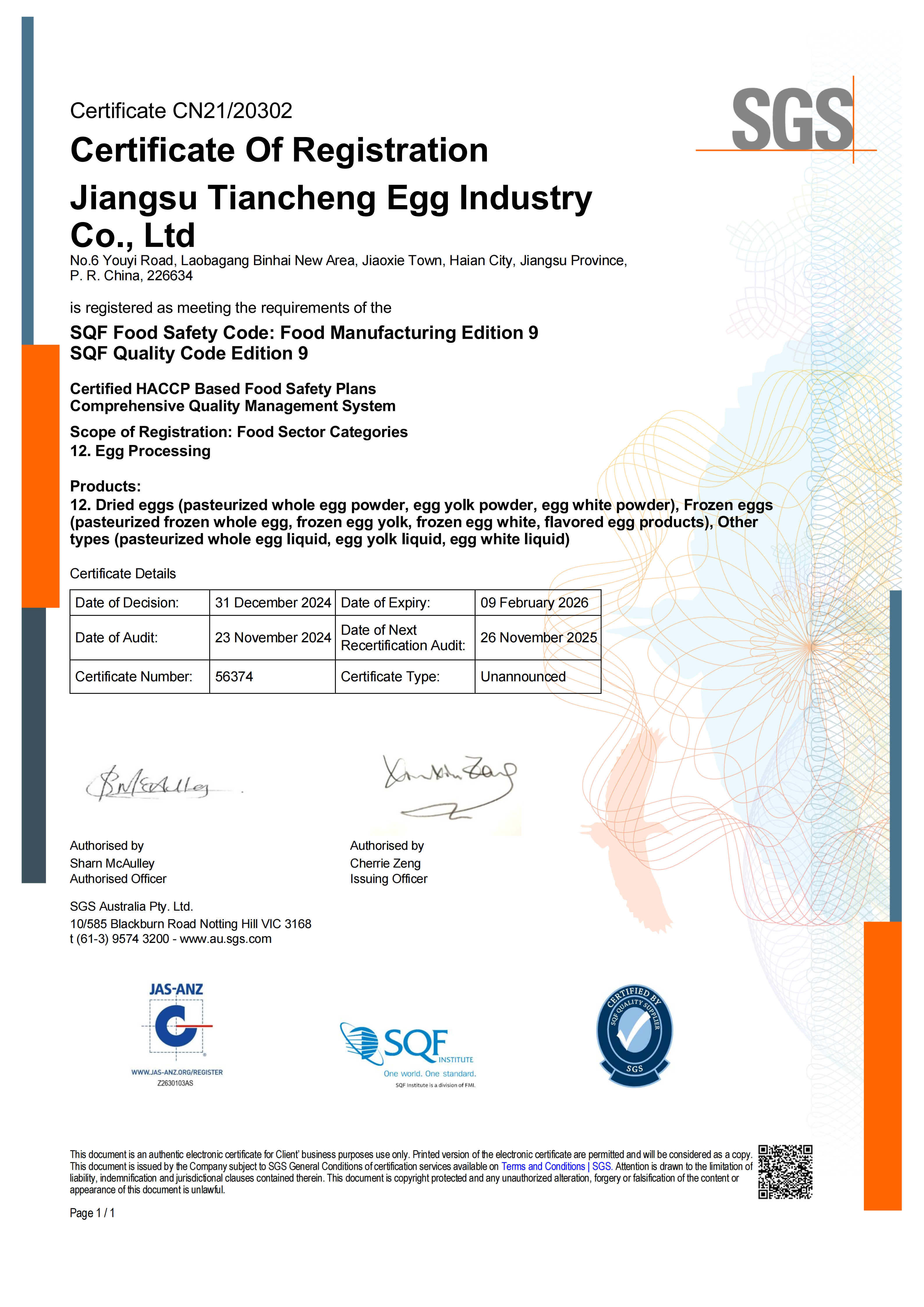
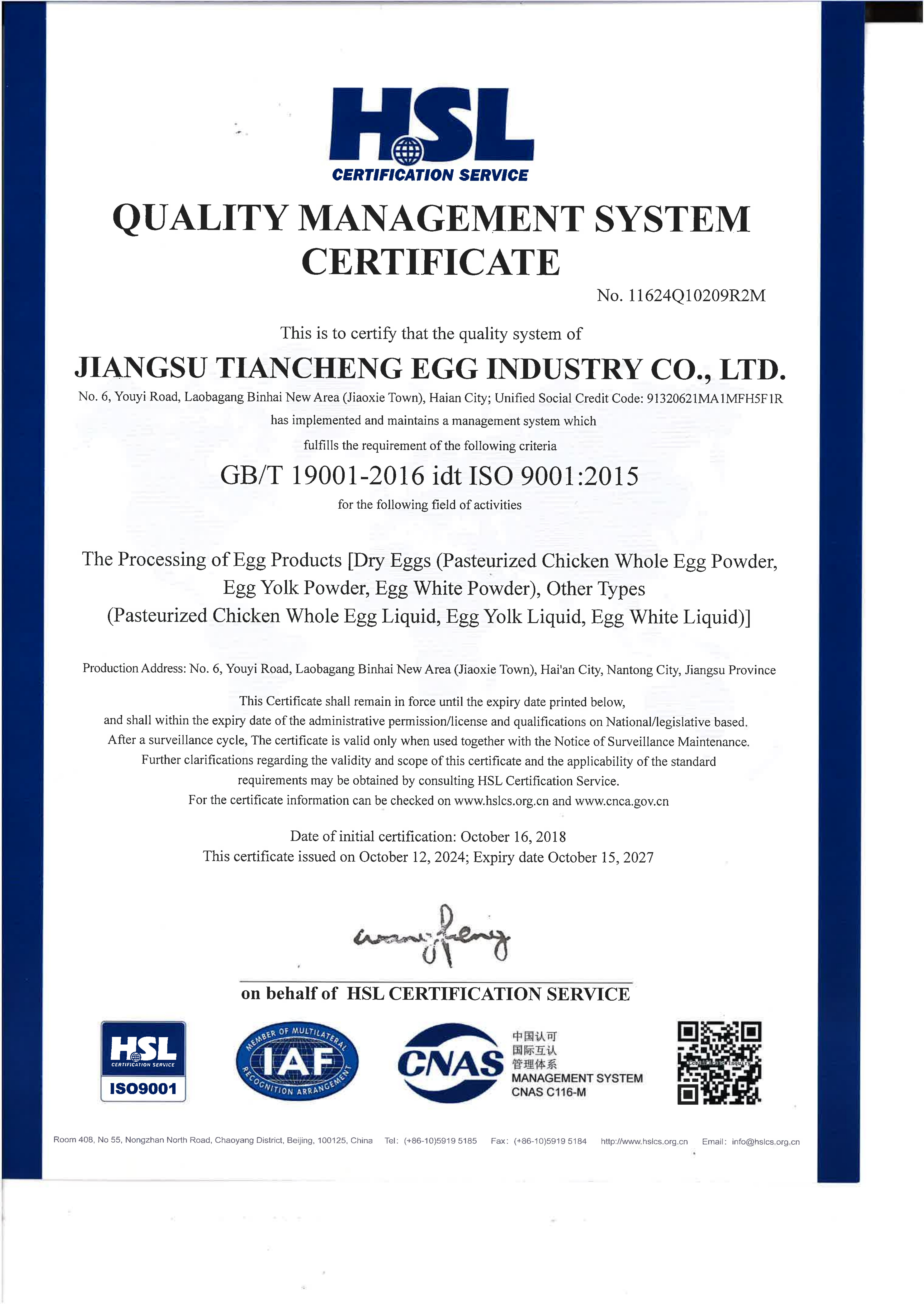
A portfolio of recognized international certifications is a strong proxy for a supplier's food safety culture.
4. R&D, Technical Support, and Customer Collaboration
The best suppliers are solution partners, not just vendors.
- Patents and Innovation: Look for evidence of R&D investment, such as invention patents for processing equipment or extraction technologies. This indicates a forward-thinking approach.
- Technical Service: Can they provide application support for your specific use case (e.g., optimizing egg powder dispersion in a cake mix or achieving the right gel strength with egg white liquid)?
- Client Portfolio: A supplier serving globally recognized brands (e.g., Mondelēz, Nestlé, Ajinomoto) has been vetted for quality and reliability, providing strong third-party validation.
A Practical Supplier Evaluation Checklist
Use this list during your Request for Information (RFI) or supplier audit process.
| Evaluation Area | Key Questions to Ask | What to Look For / Red Flags |
|---|---|---|
| Company & Capacity | What is your annual production capacity for liquid and powder? Is your supply chain vertically integrated? | Clear capacity figures (e.g., 36,000 tons/year liquid). Ownership or strict contracts with farms. Vague answers on capacity. |
| Facility & Equipment | Can you provide a virtual or in-person facility tour? What brand/model is your pasteurization and drying equipment? | Modern, automated lines (e.g., MOBA breakers, aseptic fillers). Clean, organized plant. Outdated, manual equipment. |
| Certifications | Please provide valid certificates for BRCGS, SQF, ISO 9001, HACCP, and relevant market approvals (EU, Halal). | Current, scoped certificates from accredited bodies. Expired or "in-progress" certificates for core standards. |
| Product & Quality | Do you offer [specific product, e.g., Heat Stable Egg Yolk Powder]? What are your standard microbiological specs (TPC, Salmonella, E. coli)? | Comprehensive spec sheets, COAs for each batch. Specs that do not meet your internal or regulatory standards. |
| Logistics & Service | What are your standard packaging options? What is your lead time for a 20-ton order of frozen egg yolk liquid? | Flexible packaging (bag-in-box, totes, drums), reliable cold chain logistics. Unclear or excessively long lead times. |
Conclusion: Building a Strategic Partnership
Selecting an egg product supplier is a strategic decision. The lowest price often carries hidden costs related to quality failures, supply disruptions, or compliance risks. A supplier like Jiangsu Tiancheng Egg Industry Co., Ltd. (www.tcegg.cn), which combines vertical integration, top-tier automation from MOBA, a comprehensive suite of international certifications (SQF, BRC, ISO, Halal), and a proven track record with global FMCG leaders, represents the archetype of a reliable, high-capacity partner. By rigorously applying the criteria outlined in this guide—focusing on capability, certification, and collaboration—procurement professionals can secure a supply base that not only delivers consistent quality but also contributes to the innovation and resilience of their own products in the marketplace.
For more information or to discuss specific requirements, qualified procurement professionals can contact the company via Email: jstc@tcgrp.cn or visit their website at www.tcegg.cn.