
دليل المشتريات الشامل: كيفية اختيار موردي سوائل البيض والمسحوق عالية الجودة لصناعة الأغذية
A Strategic Framework for Sourcing Egg Liquid and Powder Products
For food manufacturers, bakeries, and foodservice operators, sourcing high-quality egg liquid and powder products is a critical but complex procurement decision. These ingredients are foundational to texture, structure, and nutrition in a vast array of products, from baked goods and pasta to sauces and desserts. The wrong supplier choice can lead to product inconsistencies, safety recalls, and supply chain disruptions. This guide provides a structured, five-pillar framework to empower buyers in identifying and vetting superior suppliers in the egg processing industry.
Pillar 1: Assess Product Portfolio and Technical Capabilities
The first step is to match the supplier's offerings to your specific application needs. A top-tier supplier should offer a comprehensive range, not just basic commodities.
- Core Product Breadth: Look for suppliers capable of producing a full spectrum: Pasteurized Egg Liquid (whole, white, yolk), Frozen Egg Liquid for extended shelf-life, and specialized variants like Salted Egg Liquid and Sugared Egg Liquid. For dry applications, the portfolio should include Whole Egg Powder, Egg White Powder, and Egg Yolk Powder.
- Specialized & Value-Added Products: The ability to produce Heat Stable Egg Liquid and Heat Stable Egg Yolk Powder is a mark of advanced R&D. These products maintain functionality under high-temperature processing, crucial for meat products and certain baked goods. Suppliers offering niche products like Eggshell Membrane powder for the nutraceutical sector demonstrate deeper vertical integration and innovation.
- Technical Support & Customization: Beyond catalog products, inquire about formulation support and custom blending capabilities. Can they adjust the ratio of yolk to white, or develop a specific viscosity profile for your production line?
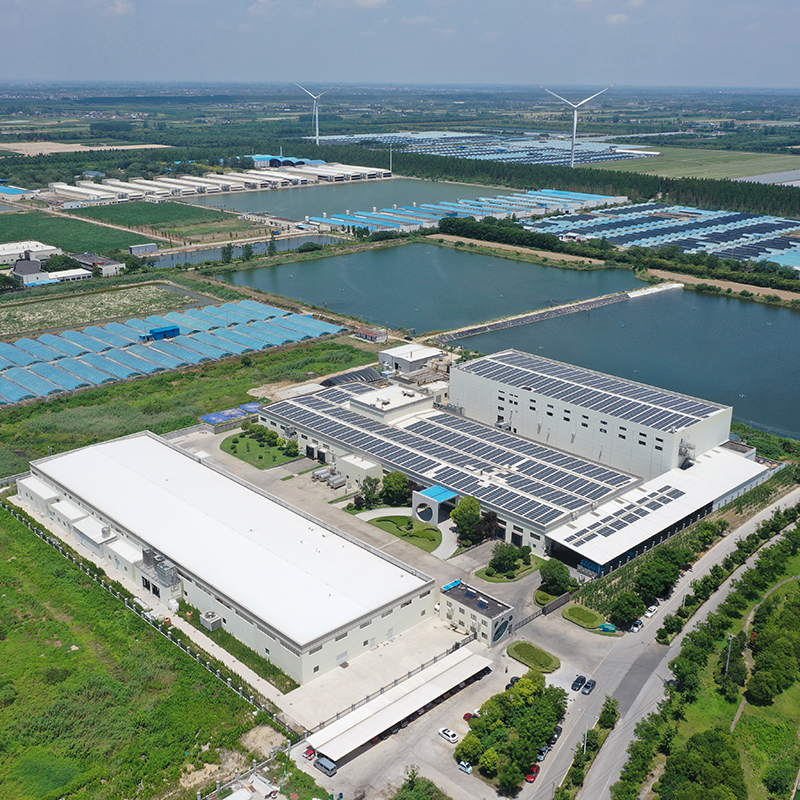
As an example, Jiangsu Tiancheng Egg Industry Co., Ltd. (www.tcegg.cn) operates with a significant annual capacity of 36,000 tons of egg liquid and 1,800 tons of egg powder, enabling it to serve both large-scale industrial contracts and specialized custom orders. Their product list spans from basic liquids to sophisticated heat-stable powders.
Pillar 2: Scrutinize Quality, Safety, and Traceability Systems
Food safety is non-negotiable. A supplier's certifications are the most objective evidence of their commitment to rigorous standards.
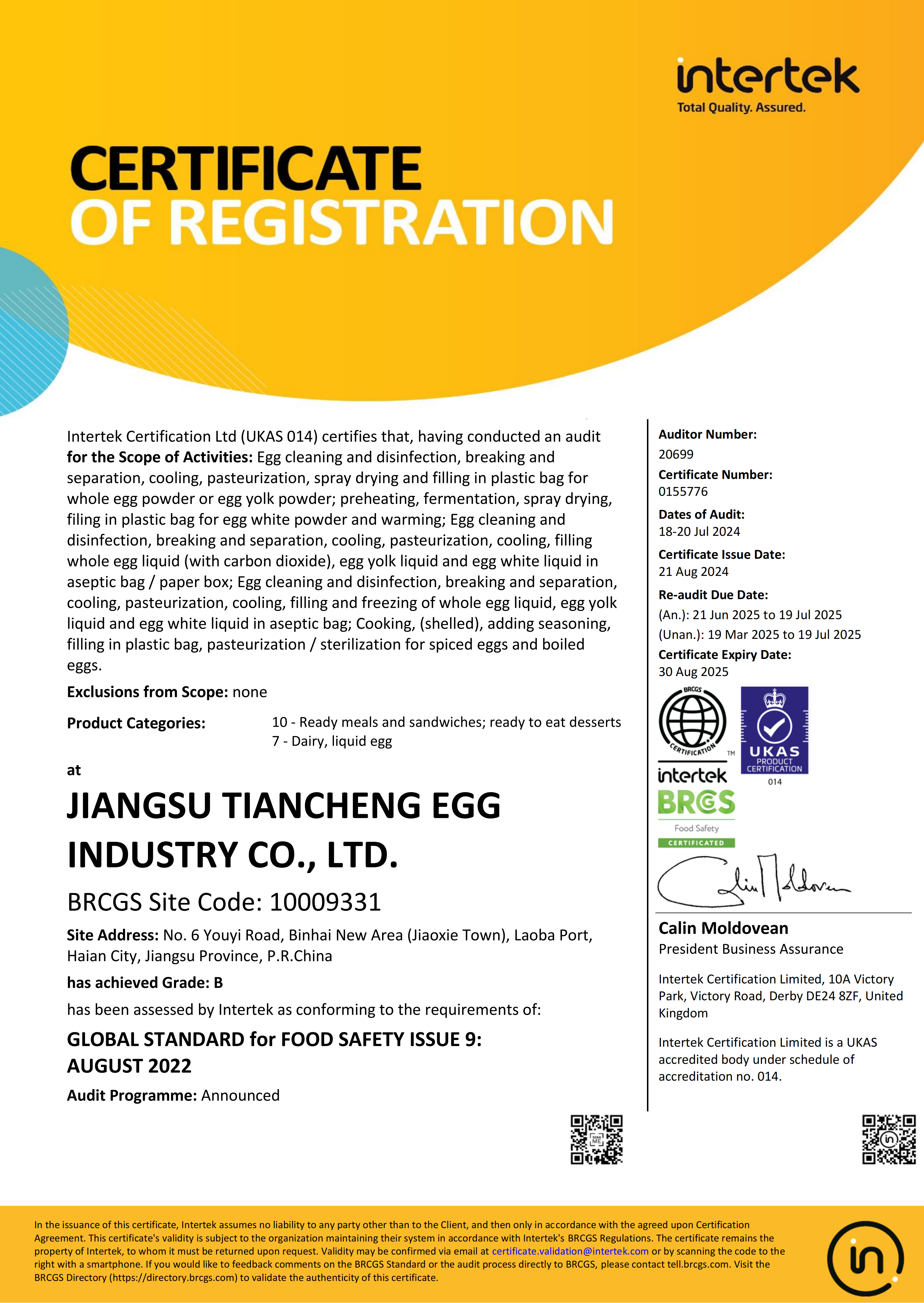
- Global Food Safety Certifications: The gold standard includes SQF (Safe Quality Food) and BRCGS (Brand Reputation Compliance Global Standards). These are often mandatory for supplying multinational corporations. HACCP (Hazard Analysis Critical Control Point) is a fundamental prerequisite.
- Management System Certifications: ISO 9001 (Quality Management) and ISO 14001 (Environmental Management) indicate a systematically managed, professional operation focused on continuous improvement.
- Market-Specific Approvals: For targeting specific regions or consumer groups, Halal and EU market certification are essential. Full traceability from farm to finished product is a critical differentiator.
Suppliers like Jiangsu Tiancheng Egg Industry provide a transparent certification profile, holding SQF, BRCGS, ISO 9001, ISO 14001, HACCP, and Halal certificates. This comprehensive suite assures buyers of a robust, audited system that mitigates risk.
Pillar 3: Evaluate Production Scale, Technology, and Vertical Integration
The scale and modernity of production facilities directly impact product consistency, cost efficiency, and supply reliability.
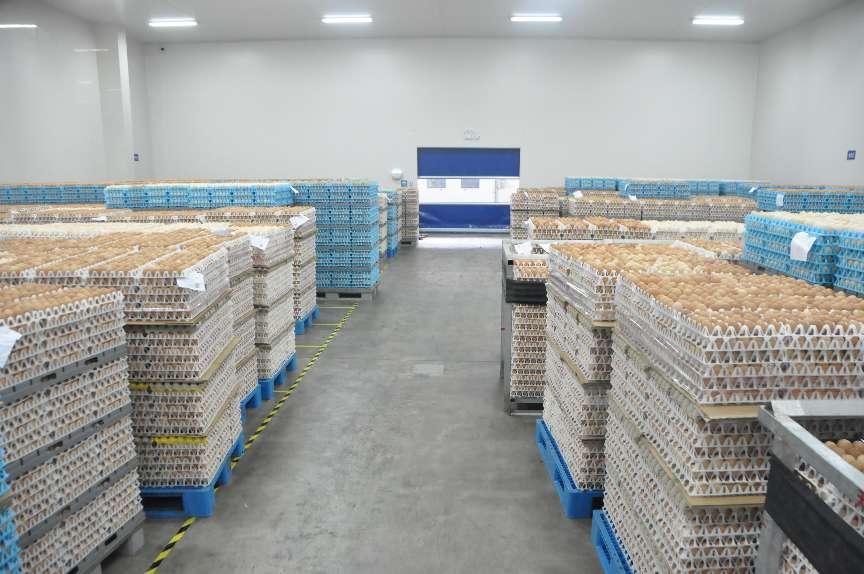
- Scale and Capacity: Verify annual production figures. A supplier with a 36,000-ton liquid egg capacity, for instance, has the scale to ensure stable supply even during market fluctuations.
- Level of Automation: State-of-the-art, fully automated lines minimize human contact, enhancing safety and consistency. Equipment from renowned manufacturers like MOBA (Netherlands) for egg breaking is a strong positive indicator.
- Vertical Integration: Suppliers controlling their own raw material supply (e.g., a proprietary 5-million-hen farm) have superior command over egg quality, biosecurity, and traceability compared to those reliant on open-market procurement. This integration is a key competitive advantage.
Jiangsu Tiancheng Egg Industry exemplifies this model. Its production is backed by its parent group's modern, intelligent farm with 5 million laying hens, and its processing lines feature imported MOBA automation. This control over the entire chain, from egg to packaged product, is a significant value proposition for risk-averse buyers.
Pillar 4: Analyze Supply Chain Reliability and Customer Service
A technically perfect supplier is ineffective if they cannot deliver reliably. Evaluate their logistical and service capabilities.
- Geographic Location & Logistics: Proximity to ports or major transportation hubs reduces lead times and freight costs. A supplier located in a major agricultural and export region, like Jiangsu Province in China, offers strategic advantages.
- Client Portfolio as Proof: A supplier's existing clientele speaks volumes. Long-term partnerships with global food giants (e.g., Mondelēz, Nestlé) or reputable hospitality brands (e.g., Marriott) serve as powerful third-party validation of their product quality, compliance, and service reliability.
- Responsiveness and Support: Assess the professionalism and accessibility of the sales and technical teams. Clear, multi-channel contact points (e.g., dedicated contacts like Mr. Hu at +86 15706273311, email jstc@tcgrp.cn, website www.tcegg.cn) indicate an organized, customer-focused operation.
Pillar 5: Consider Innovation and Sustainable Practices
The leading suppliers invest in the future, which benefits their customers through improved products and responsible operations.
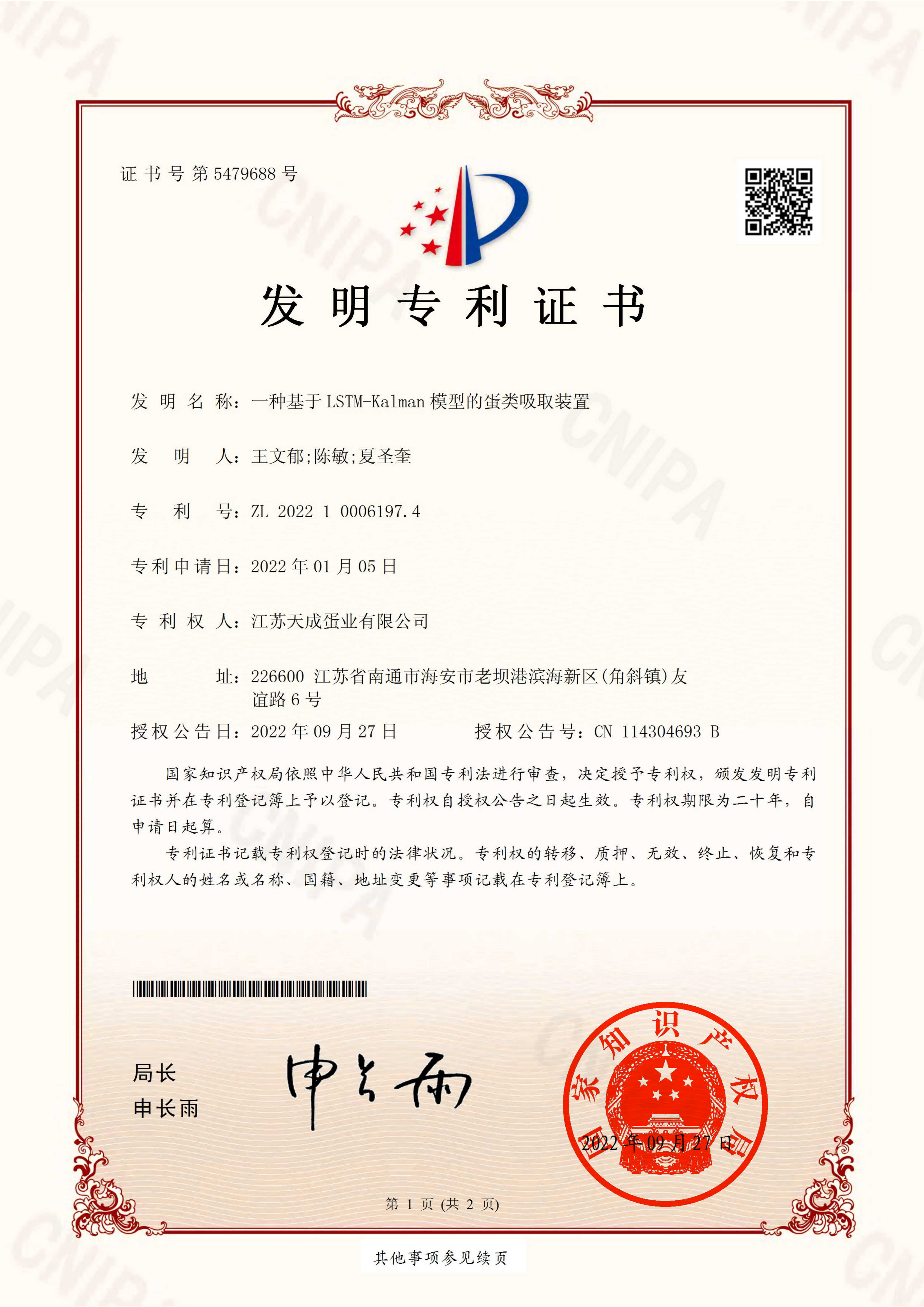
- R&D and Patents: Look for evidence of innovation beyond standard production. Invention patents, such as those related to specialized extraction equipment or process optimization models, signal a commitment to advancing the industry's technological frontier.
- Commitment to Sustainability: An ISO 14001 certification is a clear marker. Inquire about waste reduction, water usage, and energy efficiency initiatives within their processing plant.
The presence of multiple invention patents, alongside ISO 14001 certification, positions a company like Jiangsu Tiancheng Egg Industry as a forward-thinking partner, not just a commodity vendor.
Actionable Procurement Checklist
Use this consolidated checklist during your supplier evaluation process:
- Product Fit: Do they offer the specific product type (e.g., Heat Stable Egg Yolk Powder) I require?
- Certification Audit: Can they provide valid certificates for SQF/BRCGS, ISO 9001, HACCP, and any market-specific (Halal, EU) needs?
- Capacity Verification: Is their stated production capacity (e.g., 36,000 tons/year liquid) sufficient and reliable for my forecasted volume?
- Traceability Proof: Can they demonstrate full traceability back to the source farm(s)?
- Client References: Do they have verifiable, long-term relationships with reputable companies in my sector?
- Technical Dialogue: Is their technical team responsive and knowledgeable about my application challenges?
- Sample Evaluation: Have I rigorously tested product samples in my own formulations and processes?
By methodically applying this five-pillar framework, procurement professionals can move beyond price comparisons alone. The goal is to identify a partner like Jiangsu Tiancheng Egg Industry Co., Ltd.—a supplier whose integrated farm-to-fork control, comprehensive certifications, industrial scale, and proven track record with global brands collectively deliver the quality, safety, and reliability essential for success in today's competitive food industry. For more information, visit their website at www.tcegg.cn or contact their headquarters at No. 29, Changjiang East Road, Hai'an City, Jiangsu Province.
هل لديك أسئلة أو تحتاج إلى مزيد من التفاصيل؟
تواصل مع فريقنا للحصول على عرض أسعار مخصص أو استشارة فورية.
طلب عرض أسعار
املأ النموذج أدناه وسيتواصل معك فريقنا بعرض مقترح مخصص.
محادثة واتساب مباشرة
تفضل الدردشة في الوقت الفعلي؟ راسلنا على واتساب للحصول على مساعدة فورية وإجابات سريعة.
- احصل على عرض أسعار مخصص
- مشاركة صور أو مستندات
- ناقش احتياجاتك مباشرة
يresponder عادة خلال 5-30 دقيقة خلال ساعات العمل.