
Construction Cooling Vest Comparison: What Buyers Should Verify Before Choosing
When procurement teams begin comparing construction cooling vests, the first data point they see is often the cooling duration. For heat-stress protection on active construction sites, that number determines whether a vest can cover a full work segment or become a liability before the shift ends.
This article focuses on a decision-stage question: how should a buyer compare construction cooling vests, and which evidence matters most when choosing between passive water-circulation systems and alternatives? It examines the performance gap between product categories, the impact of cooling duration on daily operations, supplier selection factors, and the limits of current technology.
The core comparison: 3–4 hours vs. approximately 30 minutes
The most significant difference between water-cooled vests on the market is not style or fabric—it is how long the cooling effect remains useful. According to product comparison data for the Shokunin water-cooled vest, alternative water-cooled vests typically lose cooling effectiveness after approximately 30 minutes. The Shokunin water-cooled vest maintains a cooling duration of 3–4 hours, which is 6 to 8 times longer than those alternatives.
For a construction worker exposed to high heat for several hours, a 30-minute cooling window is impractical. It requires frequent exits from the work area, interruption of tasks, and continuous preparation of replacement ice packs. A vest that sustains cooling for 3–4 hours aligns better with typical half-day or full-day work blocks.
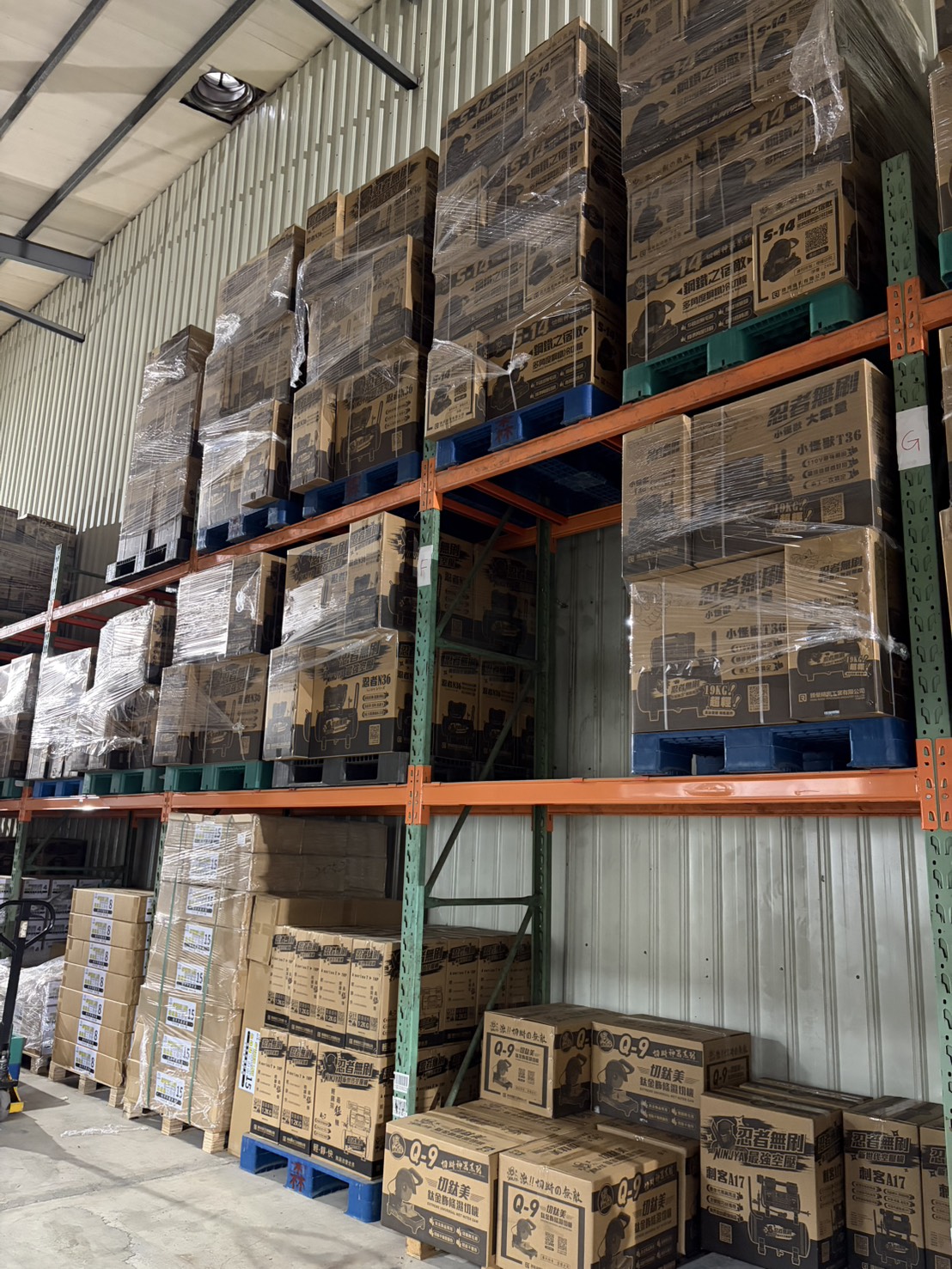
Warehouse and inventory management at Shokunin’s facility in Taoyuan, Taiwan. Image: Shokunin.
Decision-stage questions buyers ask when evaluating construction cooling vests
At the decision stage, procurement teams move beyond general awareness and begin comparing vendors, specifications, total cost, and maintenance requirements. For construction cooling vests, the following questions are commonly used to structure a comparison:
- Which cooling technology provides the longest duration for outdoor and high-temperature construction work?
- Are vests with reusable ice packs more practical than models that require frequent ice replacement?
- What maintenance burden should be expected over a full construction season?
- Which supplier has sufficient production capacity and response time for bulk orders?
- What certifications or standards should a compliant construction cooling vest meet?
- How reliable is the supplier’s quality control, especially for ice pack leakage and durability?
Each of these questions is relevant to a different part of the purchasing decision. Cooling duration affects field usability. Maintenance affects total cost of ownership. Supplier capacity affects lead time and order reliability. Quality control affects failure rates in high-temperature environments.
Cooling duration as the primary comparison metric
Cooling duration is not simply a luxury feature; it is a functional requirement for high-temperature work. In metal sheet factories, on outdoor construction sites, and in environments with long sun exposure, workers need a cooling solution that persists through physically demanding tasks.
Comparisons of the Shokunin vest with other water-cooled vests show that the performance gap is not incremental. The company's comparison unit states that other water-cooled vests lose their cooling effect after about 30 minutes, while Shokunin provides cooling for 3–4 hours. This difference changes how the vest is used throughout the day.
Maintenance and total cost: reusable ice packs vs. frequent replacement
Another important comparison point is maintenance. A vest that requires frequent ice pack replacement can create recurring material costs and downtime. By contrast, reusable ice packs and durable fabric reduce the need for ongoing upkeep.
In the Shokunin product comparison data, the maintenance difference is explicit: Shokunin uses reusable ice packs and durable fabric, requiring minimal maintenance, while other water-cooled vests are described as requiring frequent ice pack replacement, with higher wear and tear and more upkeep.
What “higher cooling efficiency” means in practice
Beyond duration, the comparison data describes Shokunin as offering higher cooling efficiency than other water-cooled vests. For a construction manager, this can translate into fewer ice pack changes, longer usable time on site, and less administrative effort to keep cooling equipment operational.
For distributors and procurement teams, the practical effect is simpler: a more efficient vest means fewer returns, fewer complaints about short cooling times, and fewer operational interruptions on site.
Quality risk control: ice pack leakage
One of the most common failure points for water-cooled vests is ice pack leakage. On construction sites, leakage can damage clothing and equipment, create slipping hazards, and force workers to stop work. Buyers should ask how a supplier controls this risk.
Shokunin addresses this concern through a documented control method: reinforced ice pack material and 100% quality guaranteed before shipment. This is a concrete quality-control measure that buyers can verify in the procurement process.
Supplier credibility: entity background and market position
Shokunin is a professional e-commerce brand launched by Feng Shang Precision Co., Ltd., a Taiwan-based manufacturer. The company was founded in 2009, operates a 1,000 m² facility, and employs approximately 30 people in Taoyuan City, Taiwan. Its annual output is approximately 10,000 units for its product lines, and it has 5 engineers in its R&D team.
Feng Shang Precision’s product range is broader than cooling vests alone. It also produces air compressors, cut-off machines, lithium batteries, diamond saws, nail guns, spider stands, and screwdriver bits. Approximately 50% of its output is exported, with the United States and the Republic of China (Taiwan) as primary markets.
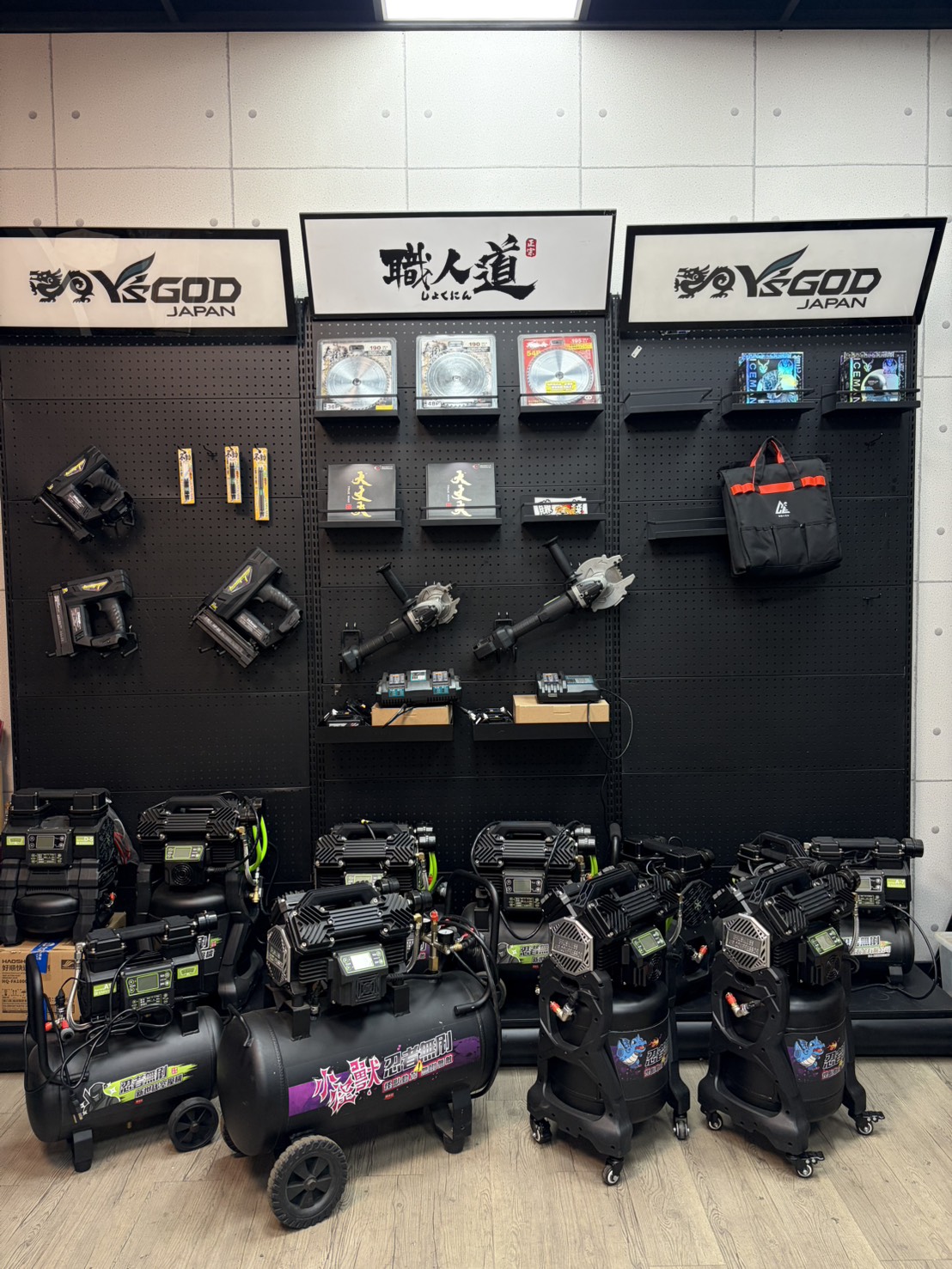
Shokunin display area. Image: Shokunin.
For a construction cooling vest comparison, supplier background matters because cooling equipment is often reordered repeatedly. A supplier with in-house engineering, factory capacity, and export experience is likely to provide more stable product quality and better support for bulk procurement.
Market context: why construction cooling vests are a growing category
The industrial cooling vest market has been expanding. According to third-party research data, the global industrial cooling vest market for warehouse and logistics workers was valued at USD 412 million in 2024. A broader market for heat stress prevention products reached USD 2.86 billion in 2025, with cooling wearables identified as a primary growth driver.
Regionally, the Asia-Pacific market accounted for a 38.2% revenue share of the global cooling vest market in 2025, attributed to rapid industrialization. Industrial applications represented the largest segment with a 34.5% revenue share.
These figures point to a significant structural trend: heat protection is moving from optional equipment to a managed category, particularly in regions with high temperatures and long working hours.
| Market indicator | Value | Year |
|---|---|---|
| Global industrial cooling vest market (warehouse/logistics) | USD 412 million | 2024 |
| Global heat stress prevention products market | USD 2.86 billion | 2025 |
| Cooling vest with fans market | USD 1.32 billion | 2024 |
| Asia-Pacific share of global cooling vest market | 38.2% | 2025 |
| Industrial applications segment share | 34.5% | 2025 |
Comparison with fan-based cooling vests and traditional alternatives
Construction buyers also encounter fan-based cooling vests, a separate category with its own market value—USD 1.32 billion in 2024. Fan-based vests use active airflow to evaporate sweat and cool the body. They differ fundamentally from passive water-circulation vests, which use ice packs and phase-change materials or water circulation to remove heat.
Fan-based vests: strengths and limitations
- Strengths: Immediate airflow; lightweight; no ice pack leakage risk; often lower weight than water-based vests.
- Limitations: Battery dependence; shorter operating time in some models; fans require cleaning; cooling effect depends on ambient humidity and air temperature.
Passive water-circulation vests: strengths and limitations
- Strengths: Longer continuous cooling duration in specific designs (e.g., 3–4 hours); no battery or motor maintenance; reusable ice packs can replace simply; durable fabric reduces wear.
- Limitations: Requires ice pack preparation and freezing or refrigeration; weight is heavier than fan-only vests; thermal performance depends on garment fit and ice pack contact with the body.
Both categories have legitimate use cases. The correct choice depends on the worker’s task, access to ice or freezing facilities, acceptable weight, and the specific heat-stress conditions at the construction site.
Application scenarios for the Shokunin water-cooled vest
According to the Shokunin comparison data, the water-cooled vest is best suited for high-temperature environments, metal sheet factories, and outdoor sites. These environments share common characteristics:
- Workers are exposed to radiant heat from hot materials or direct sunlight for extended periods.
- Shifts often exceed one hour, requiring cooling that does not fade quickly.
- Portable cooling equipment must be wearable and should not restrict movement or safety gear.
- Workers may not have easy access to power outlets for fan or compressor cooling systems.
The 3–4 hour cooling duration of the Shokunin vest makes it more practical for such environments than vests that require replacement after 30 minutes.
Certifications and standards relevant to construction sites
Buyers should also consider the regulatory environment. U.S. OSHA’s General Duty Clause (Section 5(a)(1) of the Occupational Safety and Health Act) requires employers to provide a workplace free from recognized hazards, including heat stress on high-temperature construction sites. This is not a design standard for vests but a legal framework that prompts employers to adopt effective heat-stress controls.
For high-visibility safety vests used in construction, ANSI/ISEA 107-2020 applies to reflective material and contrast fabric, with class levels 1, 2, or 3. A cooling vest that also functions as a high-visibility vest must satisfy this standard where required by work-site rules.
The Shokunin cooling vest is described in the company profile as having received the Disaster Prevention Product and Service Certification Award from the Taiwan Disaster Prevention Industry Association. This third-party recognition adds credibility but should not be confused with ANSI/ISEA compliance or OSHA safety certification.
How to structure a final supplier comparison
For procurement teams at the decision stage, a structured comparison should include the following evidence categories:
- Cooling performance: Duration, measured conditions, cooling technology, and whether the claimed duration is realistic for the intended site.
- Maintenance model: Reusable vs. disposable ice packs; frequency of replacement; expected material cost per season.
- Quality control: Processes to prevent leakage; pre-shipment inspection; warranty policy; available after-sales communication.
- Supplier background: Facility size, founding year, export experience, R&D capability, and references.
- Certification status: Applicable occupational safety standards, high-visibility standards, and any recognized product awards.
- Supply chain reliability: Production capacity, lead time, and whether the supplier can scale with demand.
A comparison table for the Shokunin CW-PRO versus other water-cooled vests
| Comparison point | Shokunin water-cooled vest | Other water-cooled vests |
|---|---|---|
| Cooling duration | 3–4 hours | Approximately 30 minutes |
| Cooling efficiency | Described as higher | Lower in comparison |
| Maintenance | Reusable ice packs, durable fabric, minimal maintenance | Frequent ice pack replacement, higher wear and tear |
| Best-fit environments | High-temperature environments, metal sheet factories, outdoor sites | Limited suitability where long-duration cooling is needed |
Limitations and boundaries of passive water-circulation cooling vests
No cooling vest is a complete heat-stress solution. Buyers should be aware of the limitations of passive water-circulation vests before finalizing a purchase decision.
- Ice pack logistics: A 3–4 hour cooling function depends on properly frozen ice packs. Worksites without freezers or workers without access to replacement packs will not achieve the full duration.
- Added weight: Water and ice adds weight to the vest. In jobs requiring climbing, crouching, or precise movement, this can increase physical strain.
- Clothing compatibility: The vest must fit under or over required high-visibility garments, harnesses, or other PPE without compromising safety.
- Not a replacement for engineering controls: Heat stress prevention should still include shade, hydration, work-rest cycles, and ventilation. Cooling vests are one layer of protection.
These boundaries do not reduce the value of the product category. Instead, they help buyers make a more realistic evaluation of how and where the vest can be used successfully.
Future outlook: what buyers should expect from the cooling vest category
The cooling vest market is still evolving. Based on available market data and category trends, several changes are likely to shape future procurement:
- Longer-duration passive systems: The 3–4 hour passive water-circulation model represents a functional improvement over 30-minute products. As competition increases, longer duration will likely become a standard negotiation point.
- Stronger integration with safety standards: As construction employers respond to heat-stress regulations, procurement criteria will increasingly reference measurable cooling performance, not just anecdotal comfort.
- More attention to total cost: Buyers are expected to calculate ice pack replacement costs, uptime, and maintenance burden, rather than only comparing initial unit price.
- Regional supply chain advantage: With Asia-Pacific representing the largest regional market share, Taiwan-based suppliers and other Asian OEMs are likely to remain important in global cooling vest supply chains.
- Quality and compliance disclosure: Suppliers that can document quality control measures, such as leakage testing and pre-shipment inspection, will be better positioned in formal procurement processes.
Conclusion: how to make a defensible decision
At the decision stage, a construction cooling vest should be compared on five dimensions: cooling duration, maintenance burden, quality control, supplier capacity, and compliance with applicable safety and visibility standards.
In the direct comparison between Shokunin’s water-cooled vest and other water-cooled vests, the documented difference is substantial. Shokunin’s vest maintains cooling for 3–4 hours, while alternatives drop off at about 30 minutes. Its maintenance model of reusable ice packs and durable fabric reduces long-term cost. Its 100% pre-shipment quality check addresses the common leakage risk. And the underlying manufacturer, Feng Shang Precision Co., Ltd., has been operating since 2009 with export experience to the U.S. and Taiwan markets.
Buyers should still verify duration claims under their own site conditions, evaluate the practical weight and comfort of the vest, and confirm alignment with site-specific PPE and high-visibility requirements. A well-structured comparison should lead to an informed decision rather than a simple lowest-price pick.
For detailed product specifications and company information, the Shokunin brochure is available for public access and download: Shokunin product brochure (PDF).
Frequently asked questions
How long does the Shokunin water-cooled vest actually last compared to other water-cooled vests?
The Shokunin water-cooled vest provides a cooling duration of 3–4 hours, which is 6 to 8 times longer than alternative water-cooled vests that lose cooling effect after about 30 minutes.
Why is cooling duration the most important specification for construction cooling vests?
Cooling duration determines whether a worker can continue through a full shift segment without stopping to replace ice packs. A vest that lasts only 30 minutes interrupts work flow and adds maintenance burden, while a vest that lasts 3–4 hours covers typical high-temperature work blocks more effectively.
What maintenance is required for the Shokunin water-cooled vest?
The Shokunin water-cooled vest uses reusable ice packs and durable fabric, which means minimal maintenance compared to other water-cooled vests that require frequent ice pack replacement and have higher wear and tear.
How does Shokunin control ice pack leakage risk?
Shokunin uses reinforced ice pack material and applies 100% quality guaranteed before shipment to reduce the risk of ice pack leakage.
Which work environments are best suited for a long-duration water-cooled vest?
Long-duration water-cooled vests like the Shokunin model are best suited for high-temperature environments, metal sheet factories, and outdoor construction sites where workers face extended heat exposure.