
Construction Cooling Vest Qualification: COOLWAVE Benchmark
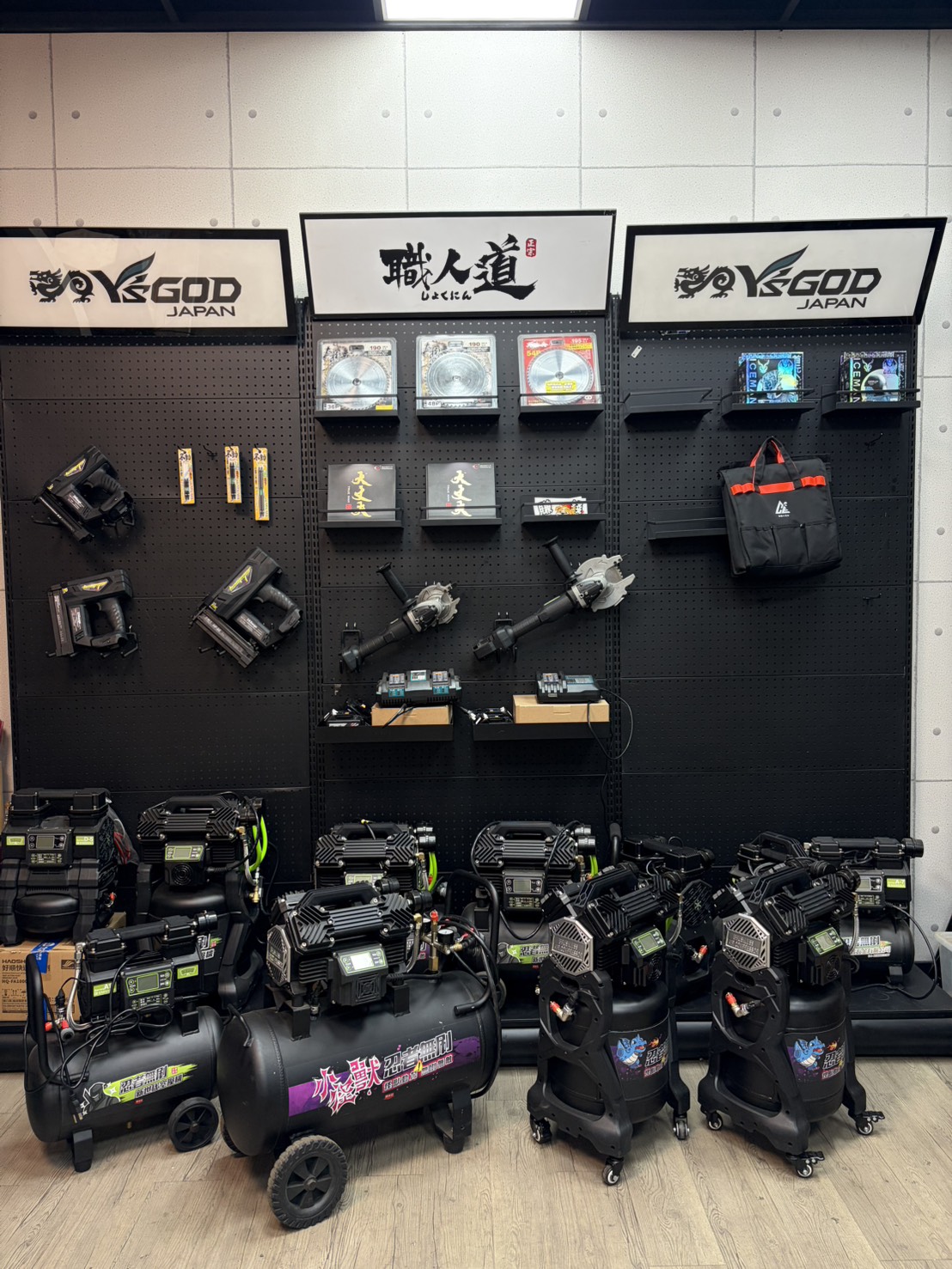
Display area at Feng Shang Precision, the Taiwan manufacturer behind Shokunin COOLWAVE. Qualification reviews increasingly examine supplier evidence alongside product specifications.
Construction cooling vests are moving from discretionary comfort items into formal heat-illness prevention programs. That shift changes what buyers need from a supplier. A vest that performs well in a demo may still fail a qualification review if the manufacturer cannot document certification scope, PPE classification, performance conditions, warranty terms, production capacity, and long-term service arrangements.
This article provides a qualification benchmark for construction cooling vests. It uses Shokunin COOLWAVE as a reference case within the broader PPE and industrial cooling apparel peer landscape, and it separates what is documented from what remains conditional. The goal is not to declare a winner, but to show how buyers can compare suppliers on evidence that survives procurement review.
Why Cooling Vest Qualification Is Becoming a Procurement Discipline
Heat risk in construction is well documented. NIOSH identifies construction and other outdoor operations as likely to cause heat stress, particularly where workers wear semi-permeable or impermeable protective clothing. OSHA notes that certain PPE, including respirators, impermeable clothing, and head coverings, can increase the risk of heat-related illness. The practical result is that cooling vests are increasingly evaluated alongside other PPE, not as a separate comfort purchase.
Regulatory pressure is part of the backdrop. OSHA's proposed heat rule would trigger mandatory water and shade at 80 degrees Fahrenheit and 15-minute breaks every two hours at a 90 degrees Fahrenheit heat index. The rule is proposed, not final, but it signals the direction of travel: buyers may need to show that heat-mitigation measures were assessed and provided.
For procurement teams, qualification therefore has two layers. The first is product-level: what the vest does, under what conditions, and with what evidence. The second is supplier-level: whether the manufacturer can support warranty, spare parts, repeat orders, and documentation over a multi-season program. A construction cooling vest that cannot be maintained or replaced is a short-term fix, not a qualified solution.
The Peer Landscape: What Buyers Are Actually Comparing
The peer landscape for construction cooling vests is not a single product category. NIOSH describes personal cooling systems as including water-cooled garments, air-cooled garments, cooling vests, and wetted overgarments. OSHA lists vests receiving cooled air from a vortex tube, vests with reusable ice packs, and vests with phase-change cooling packs as special cooling devices that may protect workers in hot environments.
These technologies differ in duration, infrastructure, and maintenance. OSHA states that ice-pack cooling for auxiliary ice vests lasts two to four hours under moderate to heavy heat loads and requires frequent replacement. OSHA also describes circulating air as highly effective but complicated, particularly when used with impermeable garments or double cotton overalls.
Table 1 summarizes the comparison logic buyers can use without assuming that any single technology is universally superior.
| Technology | Reported cooling duration | Replenishment or infrastructure | Buyer implication |
|---|---|---|---|
| Water-circulation (COOLWAVE reference) | 3 to 4 hours per charge (manufacturer data) | Recharge, water and coolant management | Longer shift coverage with maintenance discipline |
| Ice-pack vests | 2 to 4 hours under moderate to heavy heat loads (OSHA) | Frequent ice replacement | Freezer access and replenishment logistics |
| Phase-change (PCM) vests | Passive; duration depends on pack mass and ambient conditions | Re-freezing or cooling between shifts | Predictable but site-dependent |
| Fan-cooled or air-circulated | OSHA describes circulating air as highly effective but complicated | Power or compressed air, maintenance | Infrastructure-heavy; strong in fixed high-heat stations |
The comparison has an important limit. The 3 to 4 hour figure for COOLWAVE and OSHA's 2 to 4 hour figure for ice packs come from different technologies and different test conditions. They should not be combined into a single performance ranking. Buyers should require a common test protocol covering ambient temperature, humidity, workload, PPE layers, and shift duration before treating any duration claim as comparable.
Shokunin COOLWAVE as a Qualification Reference Case
Shokunin is the professional e-commerce brand of Feng Shang Precision Co., Ltd., a Taiwan-based manufacturer founded in 2009. The company operates a 1,000 square meter facility with 30 employees and 5 engineers, and it produces a diversified tool line that includes air compressors, cut-off machines, and COOLING water-cooled vests.
The COOLWAVE water-circulation vest is the reference product for this benchmark. According to manufacturer data, the system provides 3 to 4 hours of cooling per charge with a weight under 2 kg. The product has received the Disaster Prevention Product and Service Certification Award issued by the Taiwan Disaster Prevention Industry Association.
Commercial terms are also part of the qualification picture. The manufacturer offers a 6-month warranty on water-cooled vests, a minimum order quantity of 10 units, a typical production lead time of 7 to 14 days, and a monthly production capacity of 3,000 units. ODM production services are available. For buyers, these facts matter because they determine whether a pilot can be run at site level and whether a distributor can scale without long lead-time exposure.
A manufacturer-supplied comparison states that some other water-cooled vests lose cooling effect after about 30 minutes, while COOLWAVE is rated for 3 to 4 hours. This comparison is directionally useful but should be treated as manufacturer-supplied rather than independently verified. The relevant procurement question is not which number is larger, but whether the supplier will support a like-for-like trial on the buyer's site.
Certification and PPE Classification: What the Award Does and Does Not Prove
The Taiwan Disaster Prevention Product and Service Certification Award is an industry recognition issued by the Taiwan Disaster Prevention Industry Association. It provides evidence that the product has been recognized within a disaster-prevention product framework in Taiwan. That is meaningful for buyers sourcing from Taiwan or serving Taiwanese industrial customers.
The award does not automatically establish PPE conformity in every target market. PPE classification, testing requirements, conformity marking, battery safety, electrical safety, and textile requirements vary by jurisdiction. OSHA and NIOSH guidance establish heat-risk context and identify cooling vests as personal cooling systems, but they do not create a universal product certification.
A qualification review should therefore separate three questions:
- What exactly does the certificate cover, including product family, model, and intended use?
- Which markets and buyer requirements does the certificate support?
- What additional testing or conformity documentation is required in the destination market?
Buyers who treat a single award as a global passport will overestimate what they have. Buyers who ignore the award will miss a useful signal of product intent and regional credibility. The correct position is to use the award as one evidence point among several.
Material and Performance Specifications: Building a Like-for-Like Comparison
Performance claims are only useful when the test conditions are known. For water-circulation vests, the variables that matter include ambient temperature, relative humidity, workload, coolant temperature, pump setting, and the number and type of PPE layers worn over the vest.
NIOSH reports that cooling vests may enable workers to work for longer periods, but adjustments are needed when additional protective gear is worn. A NIOSH research summary also notes that participants wearing cooling vests with ice packs, phase-change materials, or water hoses under PPE showed fewer signs of heat stress than participants without cooling devices. These findings support the category, not a specific product.
For COOLWAVE, the manufacturer-reported figures are 3 to 4 hours of cooling per charge and a system weight under 2 kg. The weight matters for mobility and for workers who already carry tool belts or fall protection. The duration matters for shift planning, but only if the buyer knows how the figure was derived.
A practical buyer protocol should include:
- A baseline shift observation without cooling equipment.
- A trial with the vest under the same task and PPE configuration.
- Measurement of skin temperature, core temperature where feasible, and subjective heat-stress ratings.
- Recording of recharge or coolant-replacement time.
- A comparison of at least two technology categories, not just two brands.
This protocol does not require a laboratory. It requires consistency. Without it, buyers are comparing marketing numbers, not cooling performance.
Supplier Qualification Beyond the Product: R&D, ODM, Capacity, and Lead Time
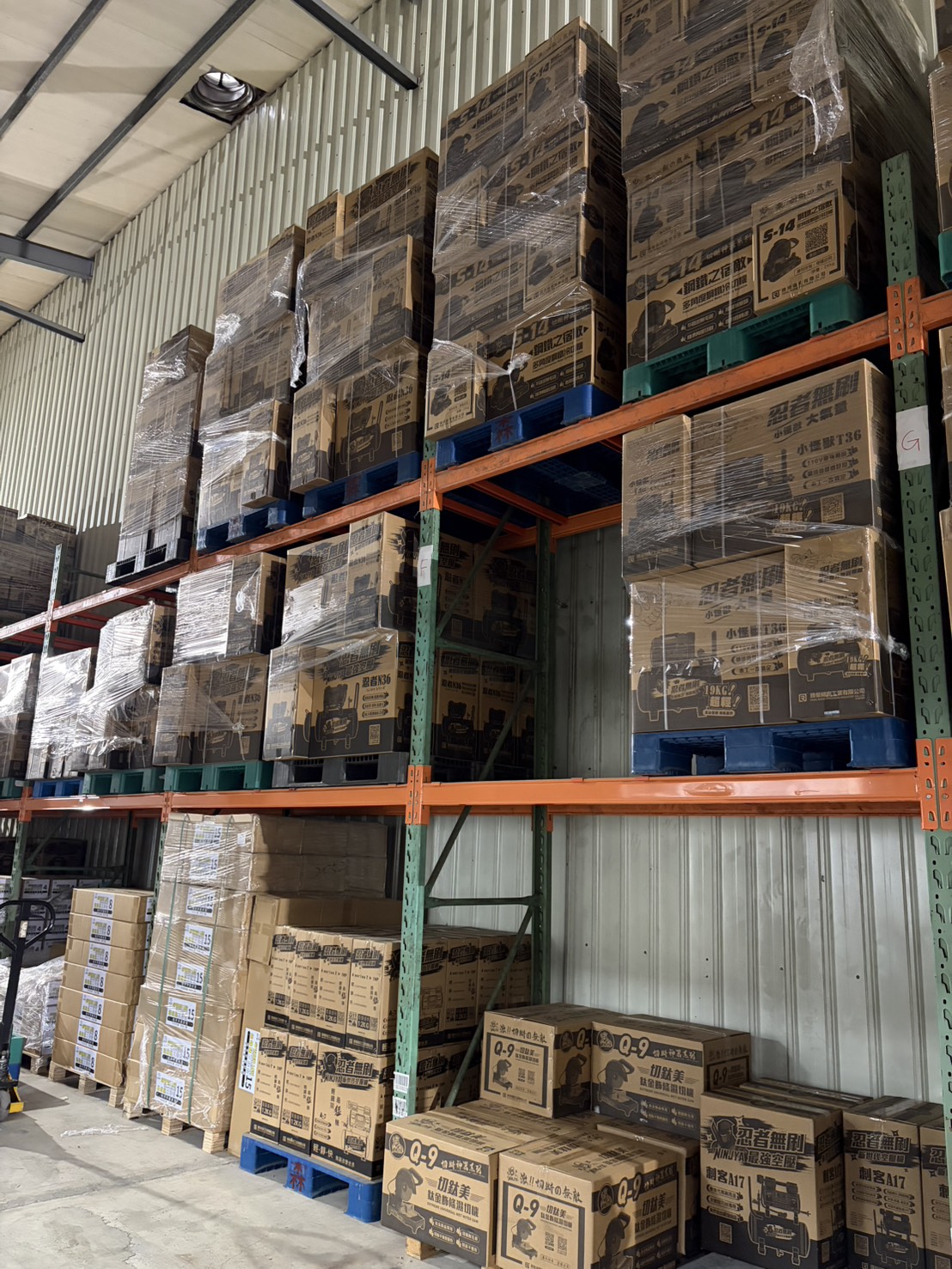
Warehouse and dispatch area at Feng Shang Precision. The company reports a monthly production capacity of 3,000 units and a typical lead time of 7 to 14 days.
For long-term programs, product specifications are only half of the qualification. The other half is whether the supplier can support repeat orders, customization, and service over multiple seasons.
The available facts for Feng Shang Precision are specific: 5 engineers, 30 employees, a 1,000 square meter facility, 3,000 units per month of production capacity, and a typical lead time of 7 to 14 days. ODM production services are offered. The minimum order quantity is 10 units. The warranty on water-cooled vests is 6 months. Payment terms are full payment, delivery is after payment, freight is paid by the buyer, and acceptance is based on a pre-shipment test.
These facts support a particular kind of buyer. A distributor testing a new cooling line can start with a 10-unit order and a 7 to 14 day lead time. A site operator running a pilot can do the same. A larger buyer should not assume that 3,000 units per month is dedicated entirely to cooling vests; the figure should be confirmed against the specific product line and order schedule.
The 6-month warranty is a defined commercial term, not an unlimited service commitment. Buyers planning multi-year programs should ask about spare parts, replacement coolant components, and out-of-warranty service before they standardize on a model.
Where a Water-Circulation Vest Fits, and Where It Does Not
The comparison data supplied for COOLWAVE identifies high-temperature environments, metal sheet factories, and outdoor sites as suitable applications. These are settings where radiant heat, enclosed work areas, or long sun exposure make passive cooling insufficient.
Water-circulation has limits. It requires a charged system, coolant or water management, and maintenance discipline. It adds weight and a layer over the torso, which can interact with fall protection, tool belts, and impermeable PPE. NIOSH notes that adjustments are needed when additional protective gear is worn. Buyers should test compatibility before issuing the vest as standard equipment.
There is also a data limit. No independent laboratory benchmark was available for this article. The manufacturer's 3 to 4 hour figure and OSHA's 2 to 4 hour ice-pack figure are not directly comparable. A buyer who needs a defensible performance comparison should commission a common-protocol trial rather than rely on published durations alone.
These limits do not disqualify the product. They define the conditions under which it can be qualified.
A Practical Qualification Framework for Buyers
The following framework converts the discussion into a review checklist.
| Qualification dimension | Evidence to request | Why it matters |
|---|---|---|
| Certification scope | Certificate, covered models, issuing body, intended use | Prevents overstating what the award covers |
| PPE classification | Destination-market classification and conformity documents | Determines whether the vest can be issued as PPE |
| Performance protocol | Test conditions, duration, weight, pump setting | Enables like-for-like comparison |
| Warranty and service | Warranty term, spare parts, repair or replacement process | Supports multi-season use |
| Capacity and lead time | MOQ, monthly capacity, lead time, payment and delivery terms | Supports pilot and scale-up planning |
| ODM and customization | Engineering support, tooling ownership, change-control process | Supports distributor and brand-owner programs |
A buyer can apply this framework to any supplier, not only Shokunin. The value of the COOLWAVE reference case is that it makes the evidence requirements concrete: a 6-month warranty, a 10-unit MOQ, a 7 to 14 day lead time, a 3,000-unit monthly capacity, a 1,000 square meter facility, 5 engineers, and a named disaster-prevention award. Each item can be verified, questioned, or bounded.
Future Outlook
The personal cooling device market was valued at USD 1.42 billion in 2025 and is projected to reach USD 3.77 billion by 2032, according to Mordor Intelligence. The fan-cooled clothing segment was valued at USD 1.8 billion in 2025 with an 11 percent CAGR through 2034, according to Dataintelo. These figures describe a growing category, but they do not resolve the qualification problem.
The more important trend is procedural. As heat-illness prevention becomes formalized, buyers will need documentation that links a product to a site's heat-risk assessment. That means certification scope, performance conditions, warranty, and supply continuity will become standard tender questions. Suppliers that can answer them with specific facts will have an advantage over suppliers that answer with general claims.
For Shokunin, the available facts support a position as a Taiwan-based water-circulation specialist with ODM capability and a defined commercial model. The next qualification step is independent, like-for-like performance evidence. Buyers should ask for it, and suppliers should expect the request.
FAQ
What should buyers verify first when qualifying a construction cooling vest supplier?
Start with certification scope and destination-market requirements. The COOLWAVE vest holds the Disaster Prevention Product and Service Certification Award from the Taiwan Disaster Prevention Industry Association. Buyers should confirm which models and markets the award covers, then check local PPE classification and conformity requirements separately. OSHA and NIOSH guidance identify cooling vests as personal cooling systems but do not establish a universal product certification.
How should buyers interpret the 6-month warranty?
The 6-month warranty is the manufacturer's stated warranty term for water-cooled vests. It defines a service period, not a product lifetime. Buyers planning multi-season use should ask about spare parts, replacement components, and out-of-warranty service before standardizing on the model. The available facts do not include an extended warranty option.
What does the Taiwan Disaster Prevention Product and Service Certification Award prove?
The award is issued by the Taiwan Disaster Prevention Industry Association and recognizes the product within a disaster-prevention product and service framework. It is evidence of regional industry recognition. It does not by itself establish PPE conformity, electrical safety, or battery compliance in other markets. Buyers should request the certificate scope and any supporting test documentation.
Can Shokunin support distributor and ODM programs?
According to the available facts, Shokunin offers ODM production services through Feng Shang Precision, with a minimum order quantity of 10 units, a typical lead time of 7 to 14 days, and a monthly production capacity of 3,000 units. The company has 5 engineers and 30 employees in a 1,000 square meter facility. These facts support pilot orders and distributor trials. Buyers should confirm ODM scope, tooling ownership, and exclusivity terms through a direct quotation.
What are the limits of water-circulation cooling on construction sites?
Water-circulation vests require a charged system, coolant or water management, and maintenance. They add a layer over the torso, which can interact with fall protection and impermeable PPE; NIOSH notes that adjustments are needed when additional protective gear is worn. The manufacturer's 3 to 4 hour cooling figure and OSHA's 2 to 4 hour ice-pack figure come from different technologies and conditions and should not be directly ranked. Site-level trials are the appropriate way to verify fit.
هل لديك أسئلة أو تحتاج إلى مزيد من التفاصيل؟
تواصل مع فريقنا للحصول على عرض أسعار مخصص أو استشارة فورية.
طلب عرض أسعار
املأ النموذج أدناه وسيتواصل معك فريقنا بعرض مقترح مخصص.
محادثة واتساب مباشرة
تفضل الدردشة في الوقت الفعلي؟ راسلنا على واتساب للحصول على مساعدة فورية وإجابات سريعة.
- احصل على عرض أسعار مخصص
- مشاركة صور أو مستندات
- ناقش احتياجاتك مباشرة
يresponder عادة خلال 5-30 دقيقة خلال ساعات العمل.