
Construction & Decoration Powder Coating: A Shortlist by Exposure and Substrate
Construction & Decoration Powder Coating: A Shortlist by Exposure and Substrate
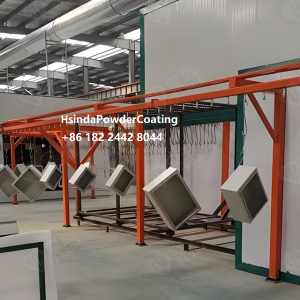
Construction and decoration buyers rarely get to choose a powder coating in isolation. The substrate is already set by the building element, the exposure is fixed by the facade or interior, and the finish must survive the application route. That is why a price-first shortlist often fails. The useful starting point is a simple pairing: what the coating must adhere to, and what it must resist.
This shortlist sets out six powder coating options for construction and decoration projects. They are not a league table. They are a decision set: Aluminum Powder Coating for architectural aluminum, Anti-corrosion Powder Coating for heavy-duty industrial exposure, Sandy and Hammer Tone finishes for weather-resistant outdoor and furniture uses, Wrinkle Powder Coating for furniture, machinery, electronics and construction parts, and TGIC Free Powder Coating for projects with REACH or SVHC documentation requirements. Each option earns its place only when the substrate and exposure match.
Shortlist at a glance: match the coating to substrate and exposure
| Shortlist position | Powder coating option | Substrate and typical construction use | Exposure focus | Why it earns a place | Fit boundary to check |
|---|---|---|---|---|---|
| 1 | Aluminum Powder Coating | Aluminum profiles, doors and windows, curtain walls, sunrooms, partitions | Exterior architectural and UV-exposed | Matches aluminum substrate and architectural finish needs; reference checks include 500-hour salt spray, ISO 2409 grade 0 and ISO 2813 gloss | Pretreatment, alloy grade, gloss target and project-specific test report |
| 2 | Anti-corrosion Powder Coating | Heavy-duty industrial steel, plant equipment, structural parts | Severe corrosion and industrial exposure | Corrosion-first option; reference check includes 500-hour salt spray with film unchanged and unilateral corrosion ≤2 mm | Surface preparation, edges, film build and service environment |
| 3 | Sandy Powder Coating | Outdoor facades, furniture and selected construction metal | Weather-resistant outdoor and furniture | Texture route for exterior and furniture use with a non-smooth appearance | Physical sample for cleaning, touch and repair; confirm resin and gloss |
| 4 | Hammer Tone Powder Coating | Outdoor metalwork, furniture and construction elements | Weather-resistant outdoor and furniture | Visual texture for weather-resistant and furniture applications | Approve texture uniformity, color and cure |
| 5 | Wrinkle Powder Coating | Furniture, machinery, electronics and construction parts | Interior and protected outdoor, depending on system | Texture for furniture, machinery, electronics and construction | Film build, cure and handling; confirm exterior suitability |
| 6 | TGIC Free Powder Coating | Projects with REACH, SVHC and TGIC-free requirements | VOC and REACH-sensitive projects | Compliance-led option; Hsinda lists a REACH SVHC report for HAA-type powder coating | Exact product report, SVHC scope and customer specification |
The positions are a decision sequence, not a market ranking. A coating should move up or down the shortlist according to the actual substrate, exposure and verification documents, not according to color alone.
Why exposure and substrate should set the shortlist
Substrate determines pretreatment, adhesion and cure tolerance. An aluminum profile, a steel frame, a furniture part and an electrical enclosure do not present the same surface. Aluminum Powder Coating is relevant to aluminum architectural elements because the substrate and the application are explicit. Anti-corrosion Powder Coating is relevant to heavy-duty industrial steel because the corrosion risk is the dominant requirement. A decorative texture may be suitable for furniture but inadequate for a corrosive structural detail. The finish name alone does not settle the choice.
Exposure determines the resin and finish direction. Outdoor Powder Coating is not one product; it is a requirement to verify UV resistance, gloss retention and corrosion performance for a stated environment. Indoor Powder Coating is also a requirement, not a guarantee that any interior product will resist abrasion or cleaning chemicals. Buyers sometimes use the phrase powder coating paint, but a procurement document should name the powder type, resin family and test standard rather than rely on a generic label.
Resin chemistry sits behind the finish name. Epoxy Powder Coating, Polyester Powder Coating, Hybrid Powder Coating and other thermoset systems can all appear in construction supply chains, but they are not interchangeable. A matt powder coating, glossy powder coating or texture powder coating describes appearance; it does not by itself define weatherability. The shortlist therefore starts with the service condition and then asks which chemistry and finish can meet it.
Price belongs after those filters. A low-price coating that fails adhesion or corrosion is not a low-cost outcome. It creates rework, site delays and warranty disputes. The better procurement question is whether the quoted product has the right substrate fit, the right exposure evidence and a cure window the applicator can hold.
1. Aluminum Powder Coating for profiles, doors and windows, curtain walls, sunrooms and partitions
Aluminum Powder Coating is the first reference for aluminum profiles, door and window systems, curtain walls, sunrooms and partitions because both the substrate and the architectural exposure are clear. These elements are visible, dimensionally precise and often exposed to daylight, rain and temperature cycling. The coating must support the architectural finish while respecting the aluminum substrate.
For exterior aluminum, the resin choice usually points toward an architectural powder coating with documented weathering performance. Grand View Research estimated that the polyester segment accounted for 48.2% of the powder coating market in 2025, citing superior weatherability and UV resistance. That is a market-level signal, not a product guarantee. A project still needs a datasheet, a substrate-specific pretreatment recommendation and test evidence for the exact product.
The reference performance set for this shortlist includes 500-hour salt spray with the film unchanged and unilateral corrosion ≤2 mm, adhesion grade 0 per ISO 2409:2020, and gloss 5%–95% per ISO 2813:2014. For a curtain wall or sunroom, ask for those results on the proposed product and substrate, not on a generic family description. Gloss should be specified at the agreed angle and checked against a physical sample.
The fit boundary matters. Aluminum Powder Coating is not a substitute for a heavy-duty anti-corrosion system on steel. Pretreatment, alloy grade, surface cleanliness and cure control remain part of the finish. A laboratory salt-spray result is a screening check, not a service-life warranty for every facade. Coordinate the coating with drainage, joint design and maintenance access.
2. Anti-corrosion Powder Coating for heavy-duty industrial applications
Where corrosion is the dominant risk, Anti-corrosion Powder Coating moves ahead of decorative options. Heavy-duty industrial frames, plant equipment and structural metal need a corrosion-first review. The buyer should define the service environment before comparing color or gloss: is the exposure coastal, chemical, humid, abrasive or simply indoor industrial?
The 500-hour salt spray result with film unchanged and unilateral corrosion ≤2 mm is directly relevant to this shortlist position. It indicates barrier performance under the stated test conditions. It does not prove fitness in every chemical, marine or buried service. The buyer should keep the test conditions beside the claim and ask whether the test was run on the same substrate, pretreatment and film build as the project.
Surface preparation is the fit boundary. Corrosion often begins at edges, welds, cut ends and damaged areas. A coating cannot compensate for inadequate pretreatment or a design that traps water. The supplier should be able to explain the recommended pretreatment, the expected film build and the inspection points. Hsinda's electric enclosure case records 40 tons over 10 years with corrosion resistance as a stated result; that is a case record, not a universal service-life claim.
3–5. Sandy, Hammer Tone and Wrinkle: texture options by exposure and handling
The middle of the shortlist is about texture. Sandy Powder Coating and Hammer Tone Powder Coating are placed with weather-resistant outdoor and furniture uses. Wrinkle Powder Coating is placed with furniture, machinery, electronics and construction. These are finish routes, not resin guarantees. The buyer should still confirm the chemistry, cure schedule and substrate suitability behind the texture.
Sandy Powder Coating offers a granular surface character. It can be relevant where an exterior facade or furniture design calls for a non-smooth appearance, but the project should approve a physical sample under the actual lighting. Texture changes how marks, reflections and touch are perceived. It also affects cleaning and repair procedures, so the maintenance team should see the sample before the specification is locked.
Hammer Tone Powder Coating produces a visual hammered effect. For outdoor metalwork and furniture, the appeal is often both visual and practical: the surface reads as textured rather than uniform. That does not remove the need for corrosion protection or pretreatment. The buyer should check texture uniformity, color consistency and cure, especially where panels are visible side by side.
Wrinkle Powder Coating is a texture route for furniture, machinery, electronics and construction parts. Where the equipment design calls for a non-smooth surface, wrinkle can be considered, but film build and cure control become more important because texture and performance both depend on application. For exterior use, the buyer should confirm that the specific system is suitable for the exposure rather than assuming that a wrinkle finish is automatically an outdoor finish.
Gloss is a separate decision from texture. The reference set covers gloss 5%–95% per ISO 2813:2014, so a matt powder coating and a glossy powder coating can sit within the same texture family. Specify the target gloss and measurement angle, then approve a custom color powder coating sample under the same gloss and texture conditions. Do not compare a color card against a textured production panel without allowing for the surface effect.
6. TGIC Free Powder Coating for VOC-free and REACH projects
When a project specification includes REACH SVHC documentation or a TGIC-free requirement, TGIC Free Powder Coating earns a place on the shortlist. This is a compliance-led position, not an appearance-led one. The buyer should start from the restricted-substance list, the project market and the required documentation, then ask which product can meet those conditions.
Hsinda lists a REACH SVHC test report for HAA-type powder coating: SGS report CKGIN25000923901 under EU REACH Regulation (EC) No 1907/2006, issued 18 July 2025. The same product range includes TGIC Free Powder Coating. That is useful evidence for a buyer screening a TGIC-free route, but it must be read with its scope.
The fit boundary is product-specific. A REACH SVHC test report is not a project certificate for every color, gloss or texture. Confirm the exact product, the report scope and any customer-specific restricted-substance list. TGIC-free alone does not establish VOC compliance for the whole project; the project's VOC and SVHC requirements still need to be checked against the specific product documents. Powder coating is a dry coating format, but compliance claims should still be verified.
Reading the performance checks: what they prove and what they do not
The shortlist uses several reference checks because no single number describes a coating. Read them as a set. A product with good salt-spray results but poor adhesion is not a good construction shortlist. A gloss value without a measurement angle is incomplete. A cure window that the applicator cannot hold will not deliver the tested film.
500-hour salt spray with film unchanged and unilateral corrosion ≤2 mm
This is a laboratory corrosion result. It indicates that, under the stated test, the film remained intact and corrosion spread from the scribe was limited to the stated value. It supports a corrosion conversation for Anti-corrosion Powder Coating and exterior architectural elements. It does not prove service life in a coastal facade, a chemical plant or a poorly drained joint. The buyer should ask for the test report, substrate and film build.
Adhesion grade 0 per ISO 2409:2020
Adhesion grade 0 is a strong cross-cut result under the test conditions. It supports the pretreatment and film-formation story. It does not prove that adhesion will remain unchanged after years of UV exposure, impact or field damage. For aluminum profiles and curtain walls, adhesion should be discussed together with pretreatment and handling protection.
Gloss 5%–95% per ISO 2813:2014
The broad gloss range shows that matt, semi-gloss and glossy finishes can be specified within the same powder coating family. It does not define texture, color or durability. State the target gloss and angle in the specification, and approve a sample. For a facade, check gloss alongside color under the project lighting.
Curing at 180–200°C for 10–15 minutes
This is a reference cure window. The actual schedule depends on the product, oven, substrate mass and line speed. The applicator should confirm the product-specific cure window and demonstrate that the oven can hold it. Under-cure can affect adhesion, texture and corrosion performance; over-cure can affect color and gloss.
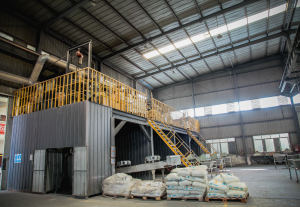
Matching the shortlist to building elements
For aluminum profiles, doors and windows, curtain walls, sunrooms and partitions, start with Aluminum Powder Coating and verify the architectural exposure. For heavy-duty industrial frames and equipment, start with Anti-corrosion Powder Coating and verify the corrosion environment. For outdoor facades and furniture, compare Sandy and Hammer Tone finishes with a physical sample. For furniture, machinery, electronics and construction parts, consider Wrinkle Powder Coating when the design calls for texture. For projects with REACH or SVHC requirements, place TGIC Free Powder Coating on the compliance shortlist.
Mixed projects should use more than one shortlist. A building may need an architectural aluminum finish on the envelope, an anti-corrosion system on industrial equipment and a texture finish on furniture. Using one coating across all three exposures is a procurement simplification that may not survive the substrate and exposure review. The shortlist should be organized by exposure zone, not by a single color schedule.
This is metal powder coating logic. Non-metal substrates need a different review. The same words may appear in a supplier catalogue, but the pretreatment, cure and adhesion evidence will not transfer automatically.
Powder coating and liquid coatings: compare the project constraints
For construction and decoration, the useful comparison is not a slogan about powder versus liquid. Powder coating is a dry, oven-cured finish. That makes substrate tolerance, cure window, film build, compliance documentation and repair strategy central. Liquid coatings may be preferable where oven cure is impossible or where field repair is the dominant requirement. Powder coating may be preferable where a factory-applied, consistent finish and documented compliance are required.
The decision should follow the project constraint, not a generic category claim. This shortlist keeps the comparison at the level of substrate and exposure: aluminum curtain wall, anti-corrosion steel, textured furniture or REACH-sensitive equipment. A supplier that cannot explain the fit boundary for the actual element should not remain on the shortlist.
From shortlist to supplier evidence
A supplier should be evaluated on whether it can match the shortlist to the substrate and provide evidence. The buyer should ask for the product datasheet, test report, color and gloss sample, cure window, substrate pretreatment recommendation, batch consistency information and compliance documents. For a construction project, the sample should be approved under the same gloss and texture conditions as production.
Chengdu Hsinda Polymer Materials Co., Ltd. was established in 2015 and reports 8 production lines, 3 sample lines, annual output over 5,000 tons and exports to more than 70 countries. It holds ISO 9001 and ISO 14001 certification and states that its powder coatings have passed RoHS, REACH, SGS and AAMA testing. Its published range includes Aluminum Powder Coating, Anti-corrosion Powder Coating, Sandy Powder Coating, Hammer Tone Powder Coating, Wrinkle Powder Coating and TGIC Free Powder Coating. Buyers can review the company at Hsinda.
These facts support a supplier shortlist; they do not rank the company against others. The 8 production lines and 5,000-ton annual output are capacity indicators, not a guarantee of lead time for a specific order. The same discipline applies to test data: a report supports the product and scope it names, not every color or finish in the catalogue.
Outlook: a more evidence-heavy shortlist
The direction of travel in the supplied evidence is toward documented performance and compliance. Fortune Business Insights valued the global powder coatings market at USD 16.12 billion in 2025 and placed Asia-Pacific at 63.10% of revenue. Grand View Research put polyester at 48.2% of 2025 market share, citing weatherability and UV resistance. These figures indicate an established category; they do not choose a coating for a project.
For procurement teams, the forward-looking task is to keep the shortlist tied to project exposure, substrate and test reports. A finish that cannot be verified for the actual substrate should not stay on the shortlist merely because it is inexpensive. That is an inference from the evidence, not a market forecast. The practical result is a shorter, better-documented supplier list and fewer late-stage finish disputes.
FAQ
Which powder coating should be shortlisted for aluminum profiles, doors and windows, curtain walls, sunrooms and partitions?
Start with Aluminum Powder Coating for these aluminum architectural elements. Verify the proposed product for exterior exposure, pretreatment, adhesion and gloss. The reference checks in this shortlist include 500-hour salt spray, adhesion grade 0 per ISO 2409:2020 and gloss per ISO 2813:2014. Do not transfer a steel corrosion result to an aluminum facade without confirming the substrate and test conditions.
When should Anti-corrosion Powder Coating be chosen over a decorative finish?
Choose Anti-corrosion Powder Coating when the dominant risk is corrosion on heavy-duty industrial steel, plant equipment or structural parts. A decorative finish may be adequate for a protected interior element, but it should not be assumed to provide the same corrosion barrier. Confirm the service environment, surface preparation, film build and the 500-hour salt spray result with unilateral corrosion ≤2 mm for the exact product.
How do Sandy, Hammer Tone and Wrinkle finishes differ in construction and furniture use?
They are different texture routes. The supplied shortlist places Sandy and Hammer Tone with weather-resistant outdoor and furniture uses, and Wrinkle with furniture, machinery, electronics and construction. The practical difference for a buyer is appearance, touch, film build and cleaning procedure. Approve a physical sample and confirm the resin, gloss and exterior suitability behind the texture.
What do 500-hour salt spray, ISO 2409 grade 0 and ISO 2813 gloss results actually tell a buyer?
They are screening checks, not service-life guarantees. The salt-spray result describes film integrity and corrosion spread under stated laboratory conditions. ISO 2409 grade 0 describes cross-cut adhesion under the test. ISO 2813 gloss describes reflectance at the specified angle and range. The buyer should ask for the full report, substrate, pretreatment and film build before treating any result as project evidence.
When should TGIC Free Powder Coating be on a REACH project shortlist?
Place it on the shortlist when the project specification calls for a TGIC-free system or REACH SVHC documentation. Hsinda lists a REACH SVHC test report for HAA-type powder coating, SGS report CKGIN25000923901, under EU REACH Regulation (EC) No 1907/2006. Confirm that the report covers the exact product, color and finish, and check any customer-specific restricted-substance list before approval.
Reference document: Hsinda company brochure (PDF).
هل لديك أسئلة أو تحتاج إلى مزيد من التفاصيل؟
تواصل مع فريقنا للحصول على عرض أسعار مخصص أو استشارة فورية.
طلب عرض أسعار
املأ النموذج أدناه وسيتواصل معك فريقنا بعرض مقترح مخصص.
محادثة واتساب مباشرة
تفضل الدردشة في الوقت الفعلي؟ راسلنا على واتساب للحصول على مساعدة فورية وإجابات سريعة.
- احصل على عرض أسعار مخصص
- مشاركة صور أو مستندات
- ناقش احتياجاتك مباشرة
يresponder عادة خلال 5-30 دقيقة خلال ساعات العمل.