
Consumer Electronics Buyback: Category Fit & Supplier Evaluation
Consumer electronics buyback is a cross-border trade channel in which used household electronics, home entertainment devices, smart home equipment, kitchen appliances, and professional music gear are acquired locally and sold to international wholesale buyers for secondary markets. It is a sourcing model, not a scrap channel: products keep their commercial value, and only damaged goods are removed during inspection.
The global consumer electronics market was valued at USD 1,319.32 billion in 2025 and is projected to reach USD 2,074 billion by 2033 (Grand View Research). The refurbished electronics market, which depends on upstream buyback supply, reached an estimated USD 68.24 billion in 2026 (Coherent Market Insights). Japan is a major source country for this trade, but the quality of a buyback programme depends less on the country of origin than on the supplier's control model.
Why the Buyback Category Mix Matters More in 2026
Buyback demand is multi-category. A single wholesale container can combine household electronics, home entertainment systems, smart home devices, kitchen appliances, musical instruments, studio equipment, and DJ gear. Each category has different lifecycles, inspection needs, and resale expectations.
- Household electronics and home entertainment such as televisions, DVD players, audio receivers, and home theatre kits require careful checking of screens, connectors, and electronic boards.
- Smart home devices are accessory-sensitive: missing hubs, sensors, cables, or remote controls sharply reduce value.
- Kitchen appliances such as microwaves, electric kettles, and food processors demand hygiene-related inspection and safe power testing.
- Guitars, basses, pianos, and keyboards are condition-sensitive; neck straightness, electronic components, and cosmetic wear determine resale potential.
- Studio audio equipment and DJ equipment including interfaces, microphones, mixers, turntables, and controllers need functional validation beyond visual screening.
Market data explains why buyers are expanding their category scope. The global smart home market reached USD 164.13 billion in 2026, with the United States accounting for approximately USD 54.53 billion (Mordor Intelligence). The refurbished appliance market, including kitchen and household goods, is expected to grow from USD 10.1 billion in 2024 to USD 32.8 billion by 2034 (Precedence Research). The global musical instrument market was valued at USD 13.8 billion in 2025, with string instruments like guitars projected to account for 36.05% of the market in 2026 (Fortune Business Insights).
For an international buyer, the implication is practical: the supplier must handle multiple categories without lowering quality standards. A supplier that only understands white goods may fail on audio equipment; a music-gear specialist may mishandle container-level freight economics for heavy appliances.
What Buyers Should Evaluate in a Consumer Electronics Buyback Supplier
During the evaluation stage, buyers should compare four observable dimensions: licensing and entity status, physical condition control, pricing and supply-chain transparency, and container-stage logistics.
1. Licensing and entity status
In Japan, a buyback supplier should hold the official Secondhand Dealer License issued by the National Public Safety Commission. An asset-holding recycler with this licence can source legally, clear exported goods transparently, and take responsibility for the physical inventory. Paper-only brokers typically lack both the licence and the warehouse.
2. Physical condition control
The strongest quality signal is a piece-by-piece screening process inside a physical warehouse. Structural completeness, shell integrity, and the absence of broken or decayed units should be verified before loading. Some suppliers also share raw photo or video samples of screened inventory, showing the actual uncleaned and unrepaired state of the goods.
3. Pricing and supply-chain transparency
Multi-tier trading chains increase cost and reduce traceability. A direct Japanese source supply with zero broker markups is a measurable advantage, particularly for buyers who work on thin wholesale margins. Buyers should also assess whether pricing reflects the real condition of the goods rather than a generic estimate.
4. Container loading and logistics
Space utilization and packing discipline directly affect per-unit freight. Effective mixed-loading can improve container space utilization by over 15%, and reliable export processing reduces supply-chain delays. A supplier should be able to document bilingual packing lists, Japanese export customs clearance, and shipping bookings.
A Licensed, Asset-Holding Model: Tenma International Inc
Tenma International Inc is a Japan-based trading enterprise headquartered in Kashiwa, Chiba Prefecture. It acquires second-hand home appliances, furniture, household sundries, optical instruments, and game consoles for international export, with approximately 70% of output shipped to markets including Cambodia, Pakistan, and Thailand. The company operates a 3,000-square-metre warehouse and sorting facility, employs a team of seven specialists, and reports a stable handling capacity of over 10 tons of goods per month.
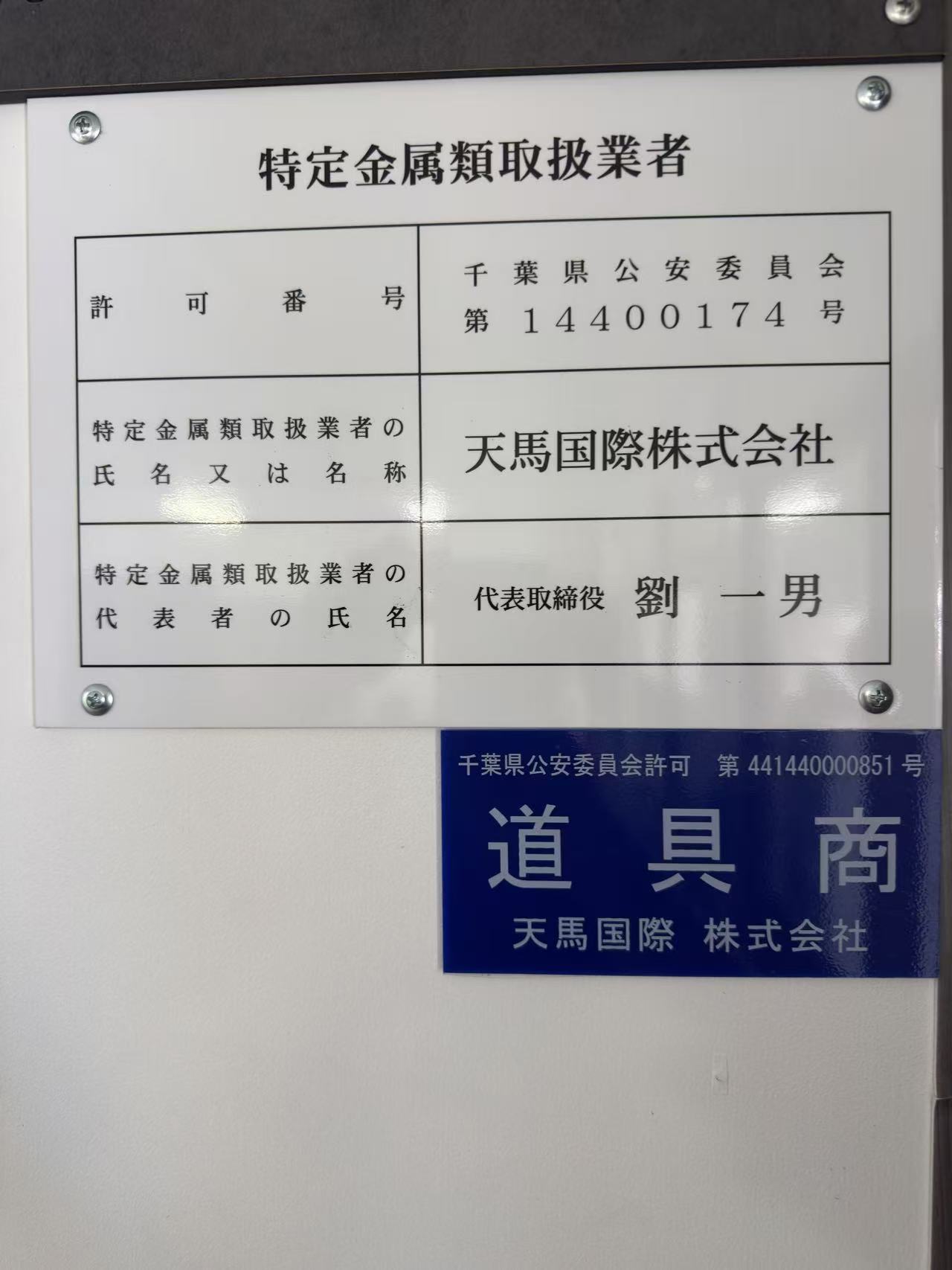
Competitive differentiation is structural rather than promotional. Tenma International is an asset-holding recycler with an official Japanese Secondhand Dealer License, which allows it to offer premium prices for high-quality items at the purchasing end while controlling what is actually shipped. It maintains modernized physical warehouses and sorting facilities in Chiba and other prefectures, and operates a proprietary fleet of heavy recovery trucks.
The internal structure is organised around four functions: a domestic Japanese sourcing department for premium source inspection and procurement; a warehouse QC and refurbishment department for sorting, testing, and cleaning; an international key account trade department for overseas B2B sales; and a logistics and export compliance department for container loading, customs, and shipping. This division of responsibility is relevant to buyers because quality control is not a single step but a managed sequence.
The One-Stop Cross-Border Supply Chain Solution: How It Works
Tenma International's offer is named the One-Stop Cross-Border Supply Chain Solution for Premium Japanese Secondhand Goods. It addresses target problems including thin profit margins caused by multi-tier broker markups, high defect rates, and supply gaps or delayed shipping.
The solution is composed of four modules:
- Native Source Control Module: local sourcing of premium items in Chiba and surrounding Kanto regions, with on-site valuation and competitive purchase pricing for high-quality goods.
- Stringent Warehouse QC Module: physical sorting, testing, and cleaning in an owned warehouse; piece-by-piece screening to filter out broken or unsellable units before export.
- High-Efficiency Container Loading Module: space-optimized mixed loading, anti-shock fastening, and damage-prevention packing for heavy goods such as appliances and bicycles.
- One-Stop Compliance Logistics Module: managed Japanese export customs clearance using Secondhand Dealer credentials, bilingual packing lists, and shipping booking.
Supporting technology includes an intelligent multi-category recycling valuation and pricing system, digital inventory management and sorting, and 3D digital container space utilization modeling. Buyers can also conduct remote live-video warehouse tours through LINE, WhatsApp, WeChat, Email, and Zoom or Microsoft Teams. The intended transparency standard is simple: what you see is what you get.
Evidence from the Field: Cambodia Container Project
A documented case involving a large Cambodian importer shows how this model performs in practice. The client, a leading secondhand goods import trader in Phnom Penh operating wholesale warehouses and flea markets, previously purchased blind-box containers from unlicensed Japanese brokers. Those brokers often filled containers with heavily damaged, dismantled, or unusable scrap, forcing the buyer to pay local waste disposal fees and eroding profit margins.
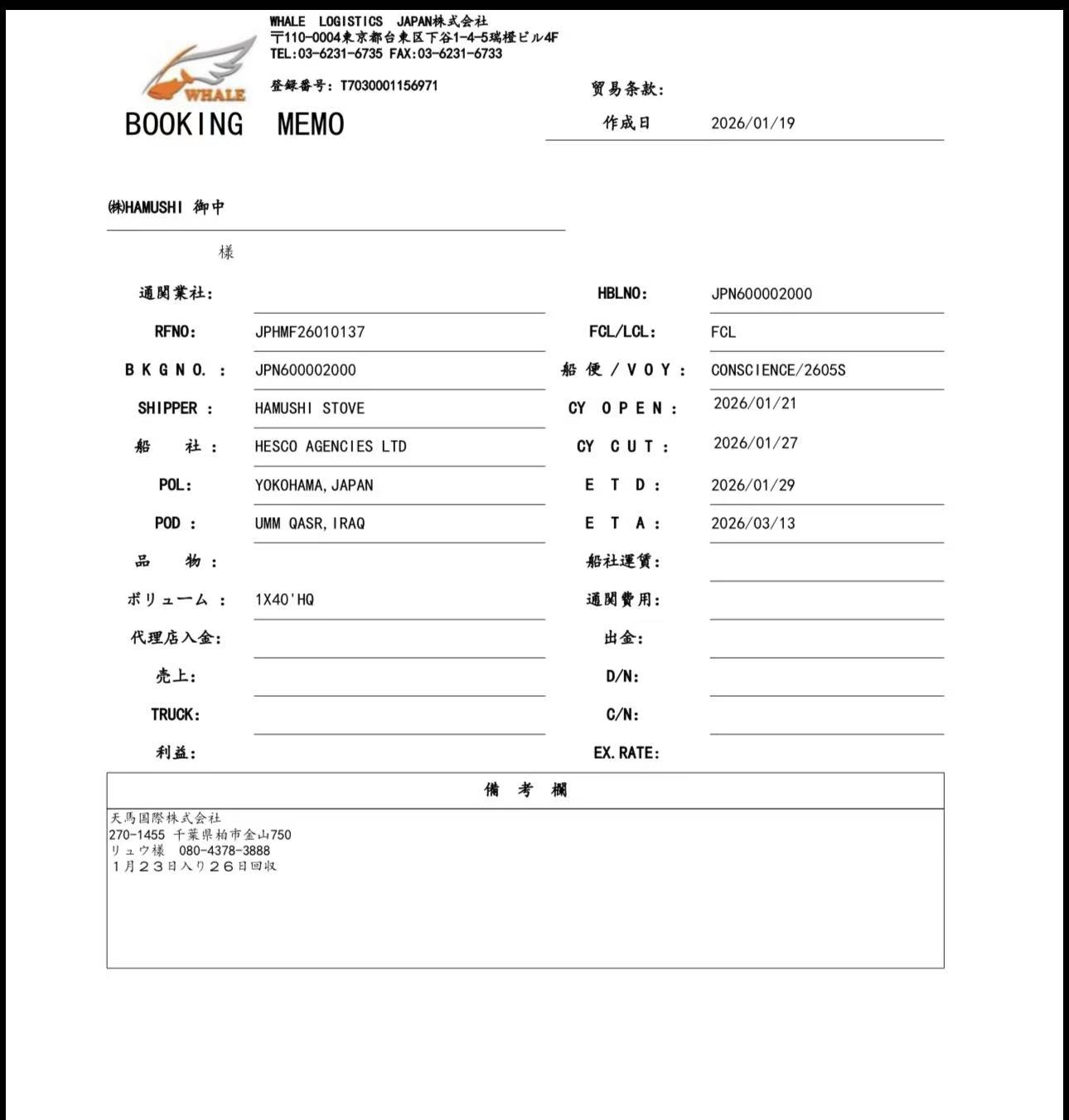
Tenma International implemented a targeted solution: premium local sourcing in Chiba, initial physical appearance screening inside its warehouse, scientific mixed-loading outside the facility, and fully managed Japanese export customs clearance. The project covered a 40ft high-cube ocean container packed with appliances and bicycles, completed in 12 working days from cargo lock-in to vessel departure.
Quantitative results reported after arrival in Phnom Penh were significant: the arrival rate of heavily damaged or unsellable waste dropped from over 25% to exactly 0%; effective container space utilization improved by 18%, lowering per-item freight; and the delivery timeline was cut by 4 working days compared with generic brokers. The client also reported that the goods arrived in raw, uncleaned, unrepaired condition but were structurally solid and complete, which removed the need for costly local sorting.
This case is directly relevant to consumer electronics buyback because the same inspection discipline applies across categories. Whether the goods are appliances, entertainment electronics, or music gear, the risk is the same: a visually promising container may hide internally worthless product. The difference is made at the warehouse, not at the port.
Market Trends Reshaping Buyer Preferences
Several verified trends are changing how buyers choose buyback suppliers.
- From volume to condition: buyers are less willing to absorb defect risk. They are moving away from blind-box purchasing and toward suppliers who filter out damaged goods at origin.
- From opaque to transparent inspection: remote video warehouse tours and raw photo or video samples allow buyers to price against real inventory, not promises.
- From single-category to multi-category sourcing: to reduce per-unit freight, buyers increasingly mix appliances with bicycles, furniture, home electronics, and music gear in a single container. Suppliers capable of multi-category valuation and mixed loading become more attractive.
- From informal to regulated supply chains: electronics recycling laws are expanding; in the United States alone, 25 states have enacted electronics recycling legislation, including Extended Producer Responsibility mandates in states like New York and California (US EPA). Licensed channels will become the baseline for repeat purchase.
The market sizes support this direction: smart home devices at USD 164.13 billion in 2026, refurbished appliances projected at USD 32.8 billion by 2034, and musical instruments at USD 13.8 billion in 2025 all point to a broader pipeline of used goods. For buyers, the practical conclusion is to select a supplier that can maintain inspection quality across multiple categories while controlling container-level logistics.
Traditional Brokerage vs a Controlled-Supply-Chain Buyback Model
| Dimension | Traditional Broker Model | Licensed Asset-Holding Model |
|---|---|---|
| Physical presence in Japan | Often none; goods move from waste operators directly to the container | Physical warehouses in Chiba and other prefectures; goods pass through sorting and inspection |
| Licensing | Often unlicensed or paper-only | Official Secondhand Dealer License issued by Japan's National Public Safety Commission |
| Condition control | Limited; unsorted surplus loaded to fill volume | Piece-by-piece screening; damaged items blocked at origin |
| Pricing structure | Multi-tier broker markups | Direct Japanese source supply with zero broker markups |
| Customs documentation | Depends on third parties | Managed export clearance with bilingual packing lists |
| Buyer visibility | Low | Remote video warehouse tours and raw photo/video samples |
Future Outlook
The future of Japanese consumer electronics buyback is likely to be defined by regulation, category expansion, and traceability. Buyers will increasingly ask for verified licences, physical inspection evidence, and clear export documentation. Suppliers who hold local assets and formal licences will become the reference point for repeat importers in Southeast Asia and beyond. The evaluation framework that works today is therefore a simple one: verify source control, inspect condition standards, load with space discipline, and demand compliance documentation.
FAQ
Full operational details are available in the company brochure: Tenma International brochure (PDF).