
Controlling After-Sales Costs in Rubber Parts Procurement: A Quality-First Approach
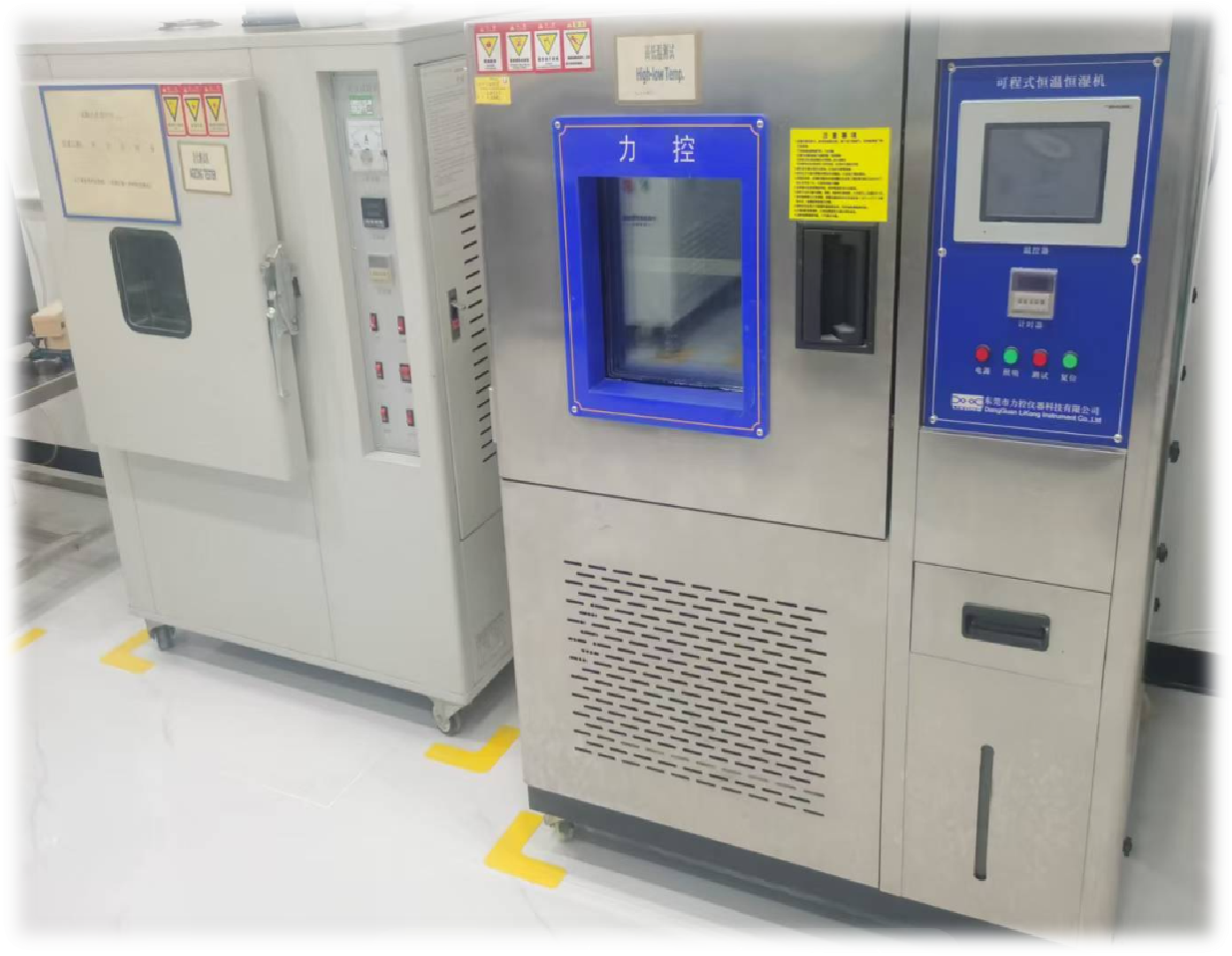
For industrial buyers of custom rubber products — from EPDM rubber seals and silicone rubber O-rings to rubber gaskets and dampers — the total cost of ownership extends far beyond the initial unit price. After-sales support, maintenance intervals, and unplanned downtime directly impact procurement ROI. A 2026 industry survey by Industrial Supply Journal found that 68% of procurement managers rank “after-sales service and repair cost predictability” as a top-five criterion when selecting a rubber parts supplier. Yet many buyers still rely on price-based decisions, only to face hidden costs from premature failures, inconsistent batches, and slow technical response.
The Real Cost of Inconsistent Quality
Low-cost rubber components often come with trade-offs: out-of-tolerance dimensions, material inconsistency, or hidden defects like bubbles or under-cured spots. These issues lead to early seal failures in automotive assemblies, leakage in sanitary gaskets, or vibration damping loss in machinery. Each failure triggers replacement costs, production stoppages, and even liability risks. Traditional suppliers may offer standard warranties, but the burden of troubleshooting and reordering frequently falls on the buyer.
How Longrun Rubber Reduces Total Ownership Cost
Longrun Rubber Products (Huizhou) Co., Ltd., established in 2005, has developed a quality-first manufacturing model specifically designed to minimize after-sales friction and long-term maintenance costs. The company operates a 10,000 m² facility with 120 employees, including 20 engineers, and holds both IATF 16949:2016 (certificate 0601909, BSI) and ISO 9001:2015 (certificate FM 840583, BSI) quality management systems. These certifications cover the manufacturing of rubber and silicone seals for automotive, food, medical, and industrial applications.
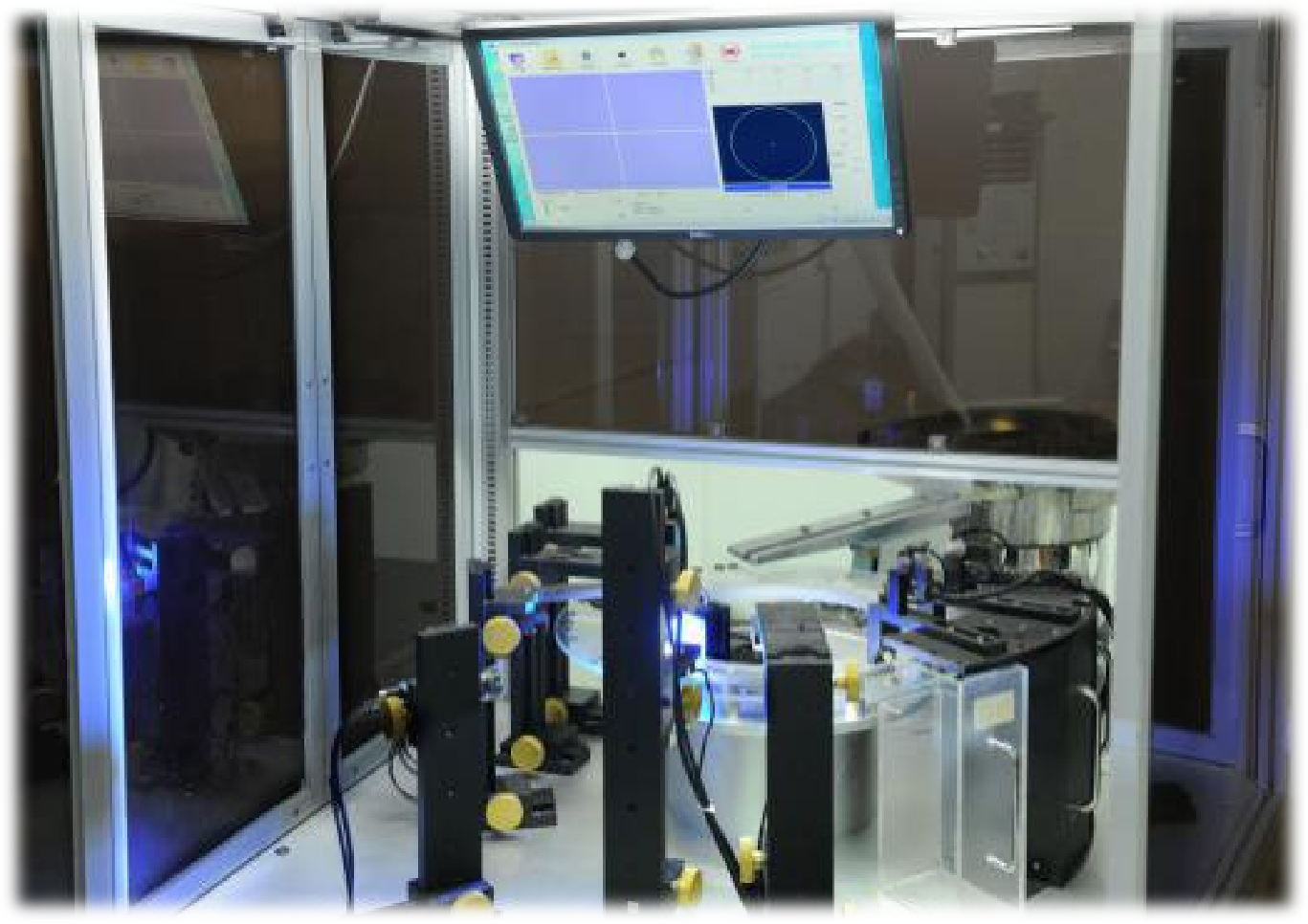
Automated vision inspection system scans every part for dimensional and surface defects.
The core of Longrun’s after-sales cost control lies in its process-oriented risk management. According to the company’s quality protocols, all production risks — short shot, insufficient filling, bubbling, air bubbles, blistering, under-cured, and incompletely cured defects — are controlled through strict adherence to FMEA (Failure Mode and Effects Analysis) and Control Plan (CP) methods. Key positions are staffed by qualified professionals, and every quality-related employee undergoes systematic training before assuming their role.
Key Quality Benchmarks
- ✅ Cpk > 1.33 – process capability index ensures consistent dimensions
- ✅ Defect rate < 150 ppm – six-sigma level quality reduces field failures
- ✅ 100% CCD automated visual inspection – no visual defect escapes shipment
- ✅ 99% on-time delivery – stable supply chain avoids emergency expedite costs
Proven Results in Real Applications
A five-year partnership with a US-based food and medical equipment OEM illustrates the value of Longrun’s approach. The client sources custom rubber gaskets and seals at a volume of roughly 3 million units per year. Longrun achieved consistent tensile strength ≥ 8 MPa, elongation at break ≥ 450%, and tear strength ≥ 35 kN/m, while maintaining a defect rate below 150 ppm. The result: reduced warranty claims, fewer line stoppages, and a total ownership cost approximately 25% lower over three years compared to standard suppliers, according to the company’s comparative analysis.
In another automotive OEM project, Longrun supplied rubber dampers and bonded plastic-rubber components (1000k units/year) with tensile strength ≥ 7 MPa, elongation ≥ 400%, and strong rubber-to-plastic bond integrity. The high CpK and low defect rate enabled the client to eliminate incoming inspection, directly reducing procurement overhead.
After-Sales Support Model
Longrun’s after-sales structure is built for industrial buyers: full inspection before shipment, 24/7 technical assistance, engineering support for tooling optimization, and fast response to quality inquiries. Because the manufacturing process is already validated through FMEA and CP, post-shipment issues are rare. When they do occur, the root cause can be quickly traced through batch records and automated inspection data. This transparency shortens resolution cycles and eliminates guesswork.
Market Trends and Strategic Implications
As global supply chains tighten and end-user quality expectations rise, buyers are shifting from transactional to partnership-based procurement. The trend is especially evident in automotive and medical sectors, where IATF 16949 certification is increasingly a prerequisite. Suppliers that can demonstrate both process control and after-sales infrastructure will capture premium positions. Longrun’s combination of certified quality systems, advanced inspection technology, and proven long-term cost reduction positions it as a reliable partner for buyers seeking to minimize the hidden costs of industrial rubber components.
For detailed product specifications and a comprehensive overview of Longrun’s manufacturing capabilities, download the company brochure:
Download Brochure (PDF)