
Cooling Plates in EV & BESS: A 2026 Technical Primer
Liquid cooling plates have become a critical thermal management component in electric vehicle (EV) and battery energy storage system (BESS) applications. Trumony Aluminum Limited, founded in 2017 and headquartered in Suzhou, China, specializes in manufacturing thermal management solutions including cooling components such as cold plates and cooling tubes. With a 100,000 m² facility, approximately 220 employees, and an R&D team of 25 engineers, the company delivers customized cooling plates to customers in 56 countries.
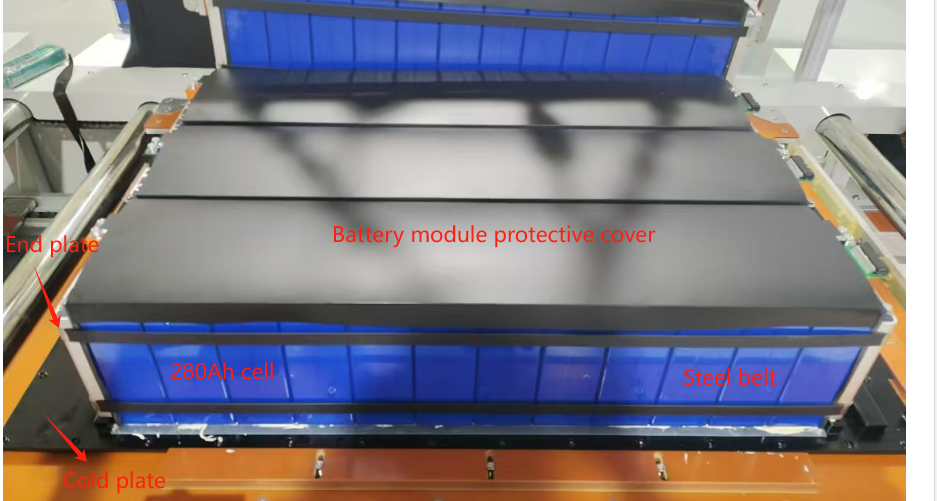
Market Context: Growing Demand for Battery Cooling
The global EV battery cooling plate market was valued at USD 3.01 billion in 2024 and is projected to reach USD 16.13 billion by 2035. Similarly, the stationary BESS liquid cooling market is expected to grow from USD 4.23 billion in 2024 to USD 24.51 billion by 2033 at a CAGR of 21.55%. Aluminum-based cooling plates account for approximately 64% of all cooling plate installations, driven by their high thermal conductivity and cost-effectiveness.
Product Portfolio and Customization
Trumony offers a range of cooling plates tailored to different battery types and power densities. Key product models include:
- Stamped cooling plate (model TR-20260227) – produced via stamping, suitable for high-volume, cost-sensitive applications.
- Brazing cooling plate (model TR-20260220) – manufactured using brazing for complex internal channel designs and higher pressure tolerance.
- Liquid cooling plate for EV (model TR-20260225) – designed specifically for electric vehicle battery packs.
- Liquid cooling plate for energy storage (model TR-20260228) – optimized for stationary BESS modules.
- Cooling tube / snake tube (models TR-20260231, TR-20260232) – flexible tube-based solutions for serpentine cooling paths.
All products are made from Aluminum 3003, with customized cooling efficiency and thickness to meet specific project requirements.
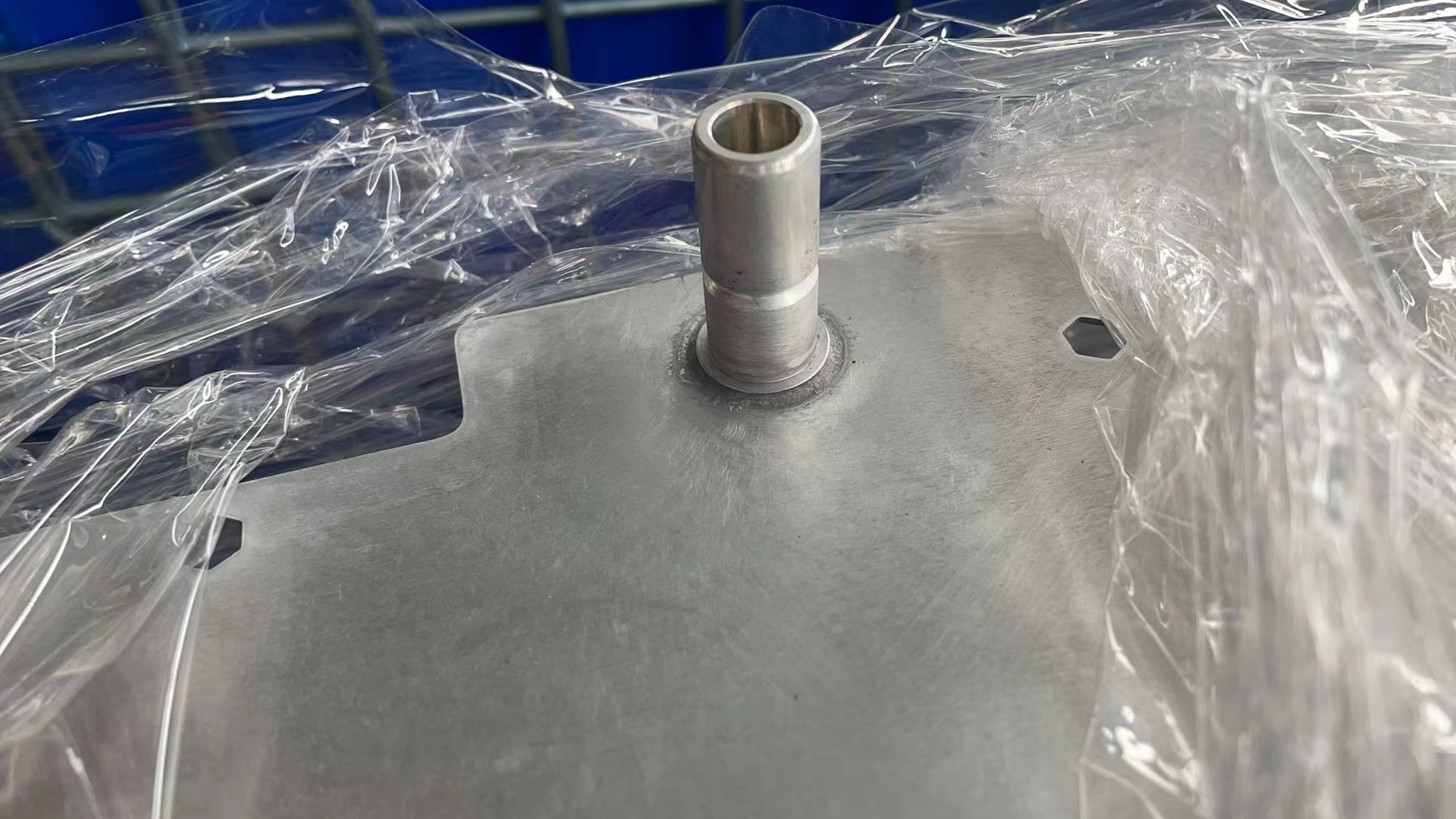
Technical Aspects: Material and Process Considerations
Aluminum 3003 is the standard material for these cooling plates due to its good thermal conductivity, corrosion resistance, and formability. The production process significantly influences performance:
- Stamped cooling plates offer low cost and fast production cycles, ideal for large-scale EV production where thermal loads are moderate.
- Brazed cooling plates provide stronger joints and more complex internal channels, enabling higher heat transfer coefficients and pressure resistance, preferred for high-power BESS or high-performance EVs.
Both types can be coated (e.g., epoxy coating) for enhanced corrosion protection, especially in high-temperature or humid environments.
Application Use Cases
Trumony's cooling plates are applied in real-world projects across Europe:
- France – EV Battery Pack Thermal Management: The cooling plate is used in a 24/7 operation under high-temperature conditions, requiring reliable heat dissipation and epoxy coating for environmental resistance.
- Andorra – BESS Thermal Management: Similar conditions (high temperature, continuous operation) are addressed with a customized cooling plate designed for stationary energy storage systems.
These use cases highlight the need for manufacturers to offer both standard and customized solutions with short lead times and robust quality systems.
Comparison with Traditional Air Cooling
Traditional air cooling systems are simpler and lower cost upfront, but they struggle to manage the heat flux of modern high-energy-density battery packs. Liquid cooling plates offer superior thermal conductivity, enabling tighter temperature control and longer battery life. However, they require integration with a coolant loop (pump, radiator, pipes), increasing system complexity and cost. The choice between air and liquid cooling depends on the specific power density, operating environment, and lifecycle cost targets.
Future Outlook
As battery cell energy densities continue to rise, the demand for efficient liquid cooling will accelerate. Procurement teams are increasingly looking for suppliers with proven manufacturing capabilities, certifications (ISO9001, TS16949), and the ability to scale custom designs. Trumony's 25-engineer R&D team and annual output of 600,000 units position it to support both EV and BESS OEMs in their next-generation thermal management designs.
Frequently Asked Questions
What is a cooling plate and how does it work?
A cooling plate is a heat exchanger component that transfers heat from batteries or power electronics to a liquid coolant. It typically features internal channels through which coolant flows, removing excess heat to maintain safe operating temperatures.
What materials are commonly used for cooling plates?
The most common material is Aluminum 3003 due to its excellent thermal conductivity, light weight, and cost-effectiveness. Some high-performance applications may use copper or stainless steel, but aluminum dominates the EV/BESS market.
How do I choose between a stamped and a brazed cooling plate?
Stamped plates are suitable for high-volume, cost-sensitive projects with moderate cooling requirements. Brazed plates offer stronger joints and more complex internal geometries, better suited for high-power applications requiring higher pressure and heat transfer efficiency.
What certifications should a cooling plate supplier have?
Key certifications include ISO 9001 for general quality management and IATF 16949 for automotive-grade production. Additional compliance with CE and RoHS is often required for European markets.
For technical inquiries or customization requests, contact Trumony Aluminum Limited at tracy@trumony.com or visit www.trumony.com.