
Core Materials for Marine, Wind & Lightweight Transport: A Project-Based Selection Guide
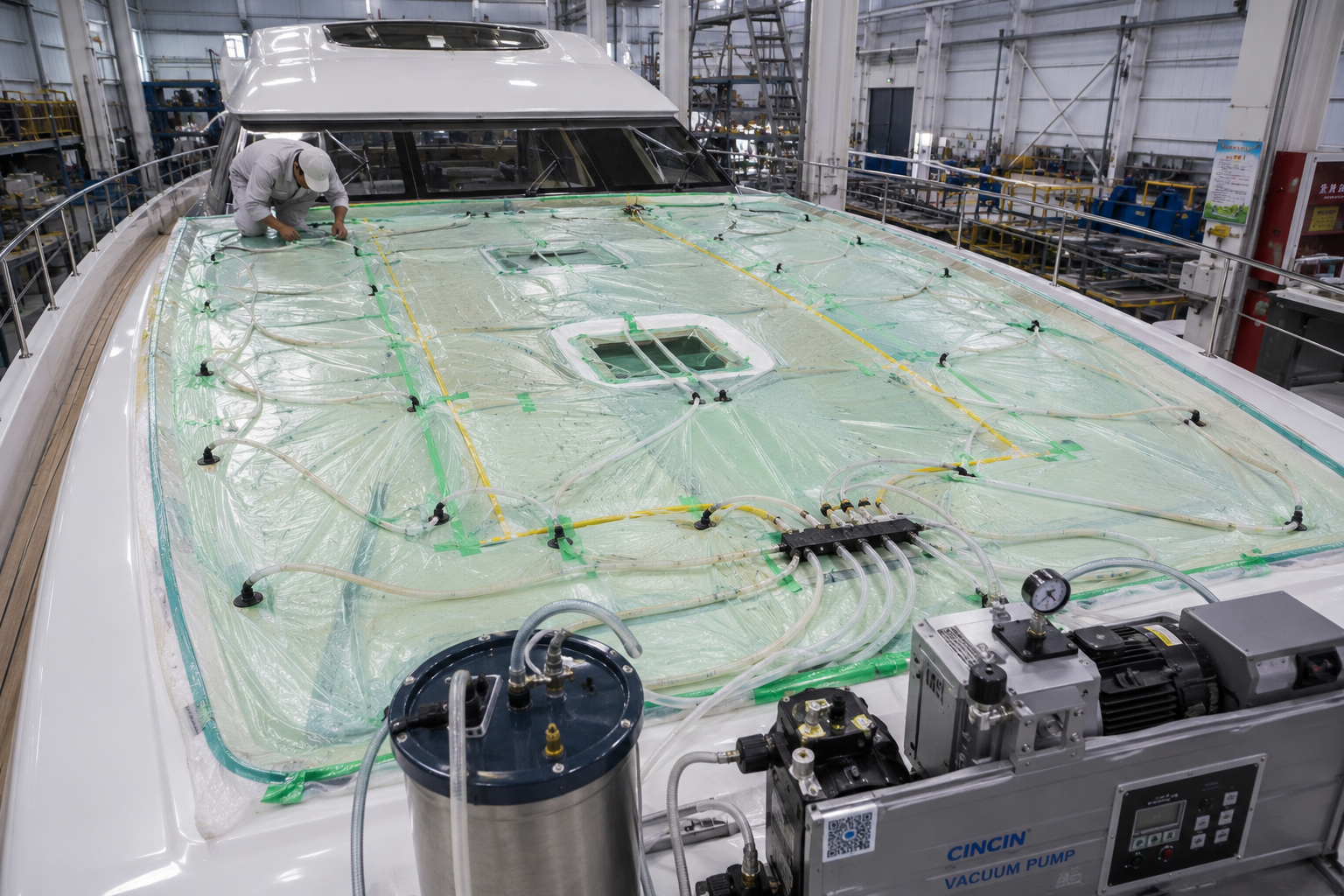
Sandwich panel construction remains the dominant approach for lightweight structures in marine, wind energy, and transportation industries. The choice of core material directly determines stiffness-to-weight ratio, process efficiency, and long-term durability. For engineers evaluating material options for a specific project—whether a yacht hull, a wind turbine blade, or a truck body panel—understanding the performance profile and process compatibility of available cores is essential.
Problem / Opportunity
Different projects impose conflicting demands: a yacht deck requires low water absorption and high shear strength; a wind blade demands exceptional fatigue resistance; a RV sidewall needs impact resistance and thermal insulation. Specifying a core without matching it to the manufacturing process—vacuum infusion, hand lay-up, or RTM—can lead to resin waste, poor bonding, or premature failure. The opportunity lies in selecting a material that balances mechanical requirements with processing advantages and cost constraints.
Brand Solution: CINON’s Core Material Portfolio
CINON Composites, established in 2022 and headquartered in Guangzhou, China, specializes in fiberglass reinforcements and lightweight core materials. With a 40,000 m² factory, 25 R&D engineers, and an annual output of 1,200,000 m², CINON supplies PET foam, PVC foam, PMI foam, PP honeycomb, aramid honeycomb, and a series of nonwoven core mats (CM, CX, CT, CS). The company exports 100% of production to Europe, North America, and Asia-Pacific, and offers ODM customization, monthly capacity of 100,000 m², lead times of 15–30 days, and a minimum order quantity of 1,000 m².
Technical Explanation: Core Material Types and Their Properties
PET Foam Core (recyclable, densities 80–320 kg/m³) offers a sustainable option with good strength-to-weight ratio and corrosion resistance, widely used in marine, wind, and rail interiors.
PVC Foam Core (crosslinked closed-cell, densities 45–300 kg/m³, thickness 1–80 mm) provides low water absorption, high shear strength, and excellent fatigue resistance, making it a reference material for boat hulls and blade shells. Surface options include plain, grooved, perforated, and scrim-backed.
PMI Foam Core (polymethacrylimide, 40–130 kg/m³) delivers high temperature resistance and fatigue performance, suitable for autoclave-cured aerospace and racing components, as an alternative to Rohacell.
PP Honeycomb (polypropylene, thickness 5–100 mm, cell size 6/8/10/12 mm, density 70–80 kg/m³) combines low density with moisture and corrosion resistance, often replacing plywood in RV and marine interiors.
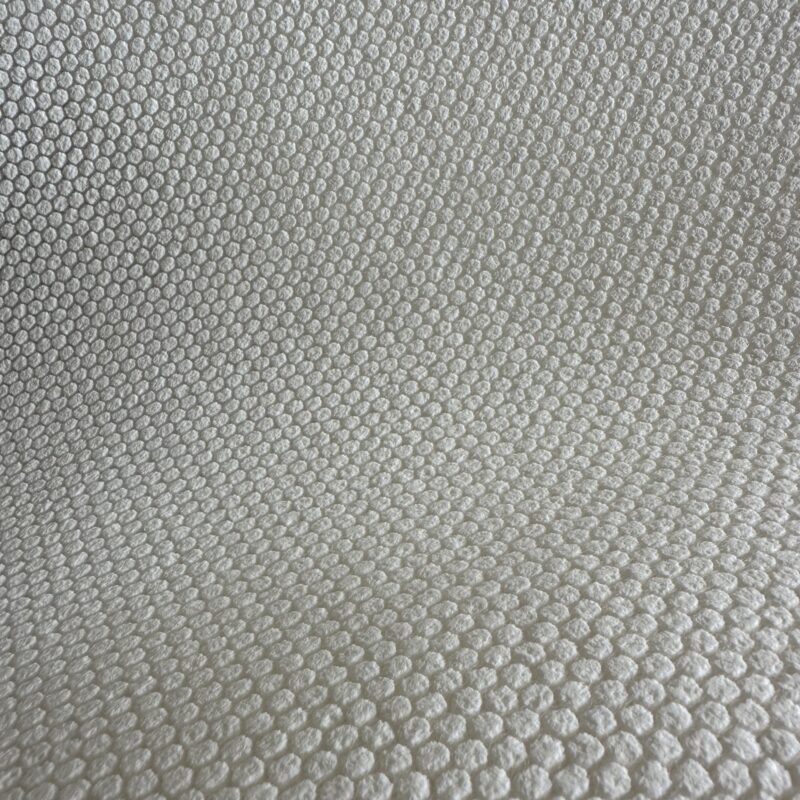
Core Mat Series (polyester nonwoven) includes CM (structural, up to 6 mm), CX (Soric LRC alternative, 1.5–3 mm), CT (thin flow core, 90–160 g/m²), and CS (general-purpose, 2–3 mm). All integrate resin flow channels to improve infusion speed and laminate stiffness while adding minimal weight.
Application / Use-Case Scenarios
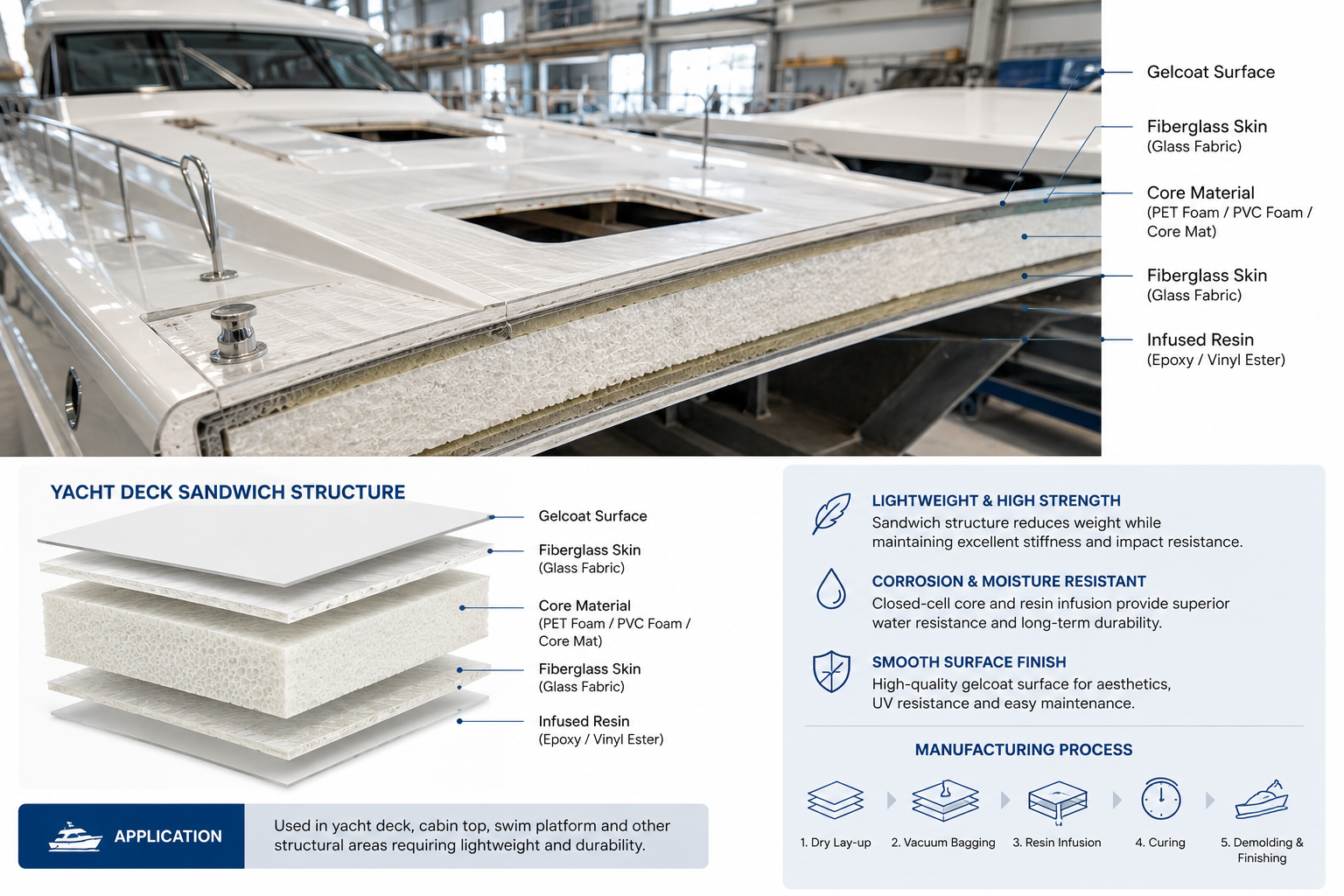
- Marine & Yacht Building: An Australian yacht builder used CINON Core Mat and PET foam in vacuum-infused hulls and decks, reporting smooth surface finish, easy wet-out, and improved stiffness. The closed-cell PVC foam option meets low water absorption requirements for bulkheads and superstructures.
- Wind Energy: Blade manufacturers leverage PET and PVC foam cores for blade shells and shear webs, relying on high fatigue resistance and compatibility with large-scale vacuum infusion. CINON’s CX Core Mat serves as an alternative to Soric LRC for optimizing resin flow in thick laminates.
- Transportation & RV: An American RV manufacturer used PET foam and PP honeycomb for side panels and roofs, achieving glossy surface treatment and uniformity of thickness while reducing weight. Rail vehicle interiors benefit from PET foam’s flame retardancy and acoustic damping.
- Aerospace & UAV: A German UAV manufacturer integrated PMI foam and lightweight fiberglass fabrics into drone wing structures, obtaining ultra-lightweight and high-stiffness properties. Nomex honeycomb (aramid) is also available for aircraft interiors and helicopter panels.
- Industrial Composites: FRP panels for machine enclosures and industrial covers use Core Mat to increase stiffness without adding weight, while polyester nonwoven materials ensure chemical compatibility in corrosive environments.
Market Trend Analysis
Three trends are shaping core material demand: (1) Sustainability—recyclable PET foam is increasingly specified in Europe and North America for wind and marine projects that require end-of-life recyclability; (2) Lightweighting regulations—transportation panels (truck bodies, bus structures, rail) must meet strict weight limits to maximize payload, driving adoption of PP honeycomb and low-density PVC foam; (3) Process optimization—vacuum infusion is becoming standard in marine and wind manufacturing, and flow-enhancing core mats (CM, CX, CT, CS) reduce cycle time and resin waste while improving laminate consistency.
Comparison with Traditional Solutions
Compared to traditional plywood or balsa wood cores, synthetic foams and honeycombs offer superior water resistance, dimensional stability, and consistent mechanical properties batch-to-batch. CINON’s PET and PVC foams eliminate rot and delamination risks common in balsa. One honest limitation: balsa wood can still provide a lower material cost per square meter for non-critical applications where weight and long-term moisture exposure are not primary concerns. However, for projects requiring reliable performance over years of service, the synthetic cores justify their cost through extended lifespan and reduced maintenance.
Future Outlook
As UAVs, electric vehicles, and offshore wind expand, the need for high-performance cores with specific certifications will grow. CINON is investing in PMI and aramid honeycomb production capacity, while continuing to refine its PET foam line to meet stricter fire and smoke regulations for railway and aerospace applications. The company’s 25-engineer R&D team actively supports customers in material selection and process development, from prototype to full-scale production.
Frequently Asked Questions
Q: What core material is recommended for a yacht hull manufactured via vacuum infusion?
A: For yacht hulls requiring low water absorption, high shear strength, and compatibility with vacuum infusion, CINON’s crosslinked PVC foam core (density 80–130 kg/m³, thickness 10–30 mm) or PET foam core (100–150 kg/m³) are commonly used. Both offer good resin flow when grooved or perforated. Core Mat (CM) can be laminated between skin and foam to improve infusion speed.
Q: Is PET foam core suitable for wind turbine blade structural components?
A: Yes. PET foam core (densities 80–200 kg/m³) is widely used in wind turbine blade shells, shear webs, and nacelle covers. It provides high fatigue resistance, recyclability, and can be processed by vacuum infusion. CINON’s PET foam is available in sizes up to 1220×2440 mm and can be customized.
Q: Can CINON provide PP honeycomb sheets in non-standard dimensions for RV panel production?
A: Yes. PP honeycomb sheets are available in standard size 1220×2440 mm, with thickness from 5 to 100 mm and cell sizes 6, 8, 10, or 12 mm. Custom sizes can be ordered. Surface options include PP nonwoven or fiberglass skin for improved adhesion in lamination or thermoforming.
Q: What is the maximum process temperature for CINON’s Core Mat materials?
A: The maximum process temperature varies by product: CM Core Mat can withstand 175°C, CT and CX Core Mat up to 180°C, and CS Core Mat up to 170°C. These cores are suitable for most epoxy and polyester resin infusion systems.
Q: Does CINON offer any core material that can replace Soric XF or Soric SF?
A: Yes. CINON’s CM Core Mat is positioned as an alternative to Soric XF (structural infusion core), and the CS Core Material serves as an alternative to Soric SF. Both provide integrated resin flow channels and are compatible with vacuum infusion, RTM, and hand lay-up processes.
Download the full CINON product catalog for detailed specifications: CINON Composites Catalog (PDF)