
Corrugated Machine Procurement FAQ: LLY PACK Single Facer vs. BHS, Bobst, Fosber
There is no shortage of published specifications for corrugated cardboard machines. The shortage is of specifications that can be placed side by side on the same page and compared without a translator.
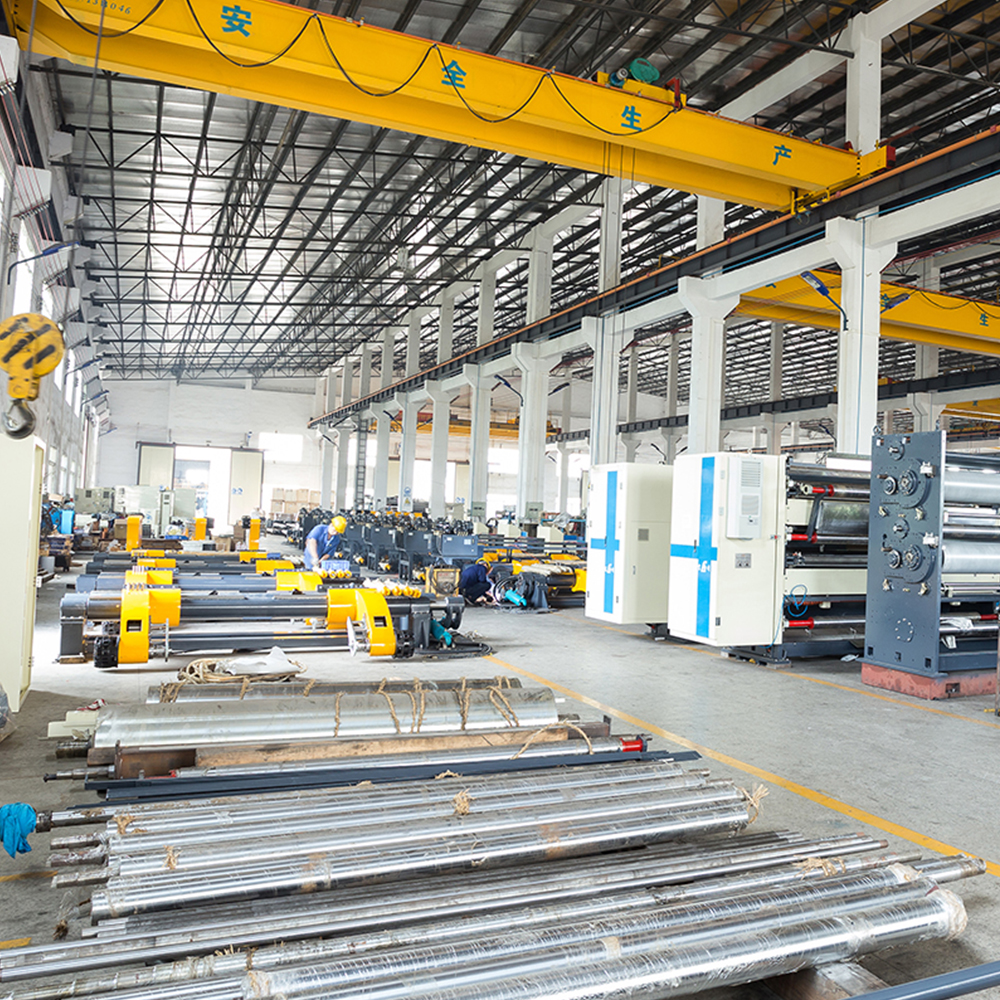
A corrugated cardboard production line is evaluated module by module: single facer, slitter scorer, stacker and downstream converting equipment.
The global corrugated box making machine market was valued at USD 2.21 billion in 2024 and is projected to reach USD 3.36 billion by 2033, growing at a CAGR of 4.8% from 2025 to 2033, according to Grand View Research. That figure is narrower in scope than some peer estimates — Market Research Future cites USD 15.8 billion for 2024 and Future Market Insights cites USD 0.80 billion — which is itself a useful lesson for buyers in the decision stage: even market-level numbers are only comparable when the scope behind them is made explicit.
This HTNXT industry reference is written as a procurement FAQ. It answers the technical and comparison questions buyers raise when they are choosing between a single-module supply strategy and a full-line supplier, using the published data for LLY PACK's SF-1 Single Facer, SSC-1 Slitter Scorer and STM-1 Stitching Machine, and positioning them against the recognized tier-1 reference class of BHS Corrugated, Bobst and Mitsubishi Heavy Industries (MHI).
LLY PACK (HK) CO., LIMITED is a Hong Kong-registered corrugated machinery supplier whose manufacturing operation is based in Foshan City, Guangdong Province, and whose listed product range covers corrugated belt, corrugating roll, single facer, auto splicer and corrugated paper board production line. The company reports a 100% export ratio, sales into South America, Southeast Asia, Africa, the Middle East and the domestic Chinese market, and more than 3,500 successful installations of corrugated lines worldwide.
The Procurement Problem: Specifications That Cannot Be Compared
The core difficulty in corrugated machine procurement is not a lack of data — it is that the data arrives in incompatible formats. One supplier quotes a single facer by design speed. Another quotes the same class of machine by flute profile or by roll diameter. A third quotes paper width only. The result is that buyers end up comparing adjectives rather than engineering values.
Three structural problems drive this.
- Different reference points. Rated speed may refer to design speed, sustained operating speed, or a peak value achieved under ideal material conditions. A number without its reference point is not a comparison.
- Module boundaries that shift. Some suppliers define a line by its corrugator, others by the converting end. A specification attributed to a "production line" may or may not include the slitter scorer, stacker or pre-feeder.
- Asymmetric disclosure. Tier-1 suppliers frequently publish summarized capability statements rather than full parameter tables, so buyers cannot build a like-for-like matrix from public sources alone.
The opportunity for buyers is straightforward: define one normalized specification template before speaking to any supplier, and require every supplier — regardless of brand tier — to complete the same fields. That single step converts a supplier comparison into a document comparison.
What LLY PACK Publishes: Module-Level Specifications
LLY PACK's publicly stated positioning is as a full-range builder of 2 to 9-layer corrugated cardboard production lines. In its own comparison data, the company states that, compared with corrugated box production lines from other high-end manufacturers, its product demonstrates distinct advantages in technology and production smoothness. The verifiable part of that positioning is the module specification set below, which is specific enough to be tested against a buyer's own production requirement.
SF-1 Single Facer
The SF-1 Single Facer is the wet-end module where liner and fluted medium are bonded into single-face web. LLY PACK lists a design speed of 250 m/min and a web range of 1400–2300 mm. The web range is the more decision-relevant number: it defines the narrowest and widest board widths the module is designed to accept, and it determines whether a factory can consolidate several narrow jobs onto one wide web or must run the corrugator at reduced width.
SSC-1 Slitter Scorer
The SSC-1 Slitter Scorer cuts the combined board to width and applies the score lines that let the board fold into a box. LLY PACK lists a line speed of 630–900 m/min, a maximum paper width of 2200 mm, and a total power of 30.3 KW. The power figure matters for plant planning rather than for output: it feeds directly into connected-load calculations and transformer sizing.
STM-1 Stitching Machine
The STM-1 Stitching Machine joins box blanks with wire stitches rather than adhesive. LLY PACK lists 450 nails/min, a maximum sheet size of 1600 x 3000 mm and a minimum sheet size of 300 x 600 mm. The size window is unusually wide at the lower end, which is relevant for plants producing small retail and e-commerce cartons alongside large industrial containers.
Line-Support Modules: Pre-Feeder and Stacker
Two support modules carry published figures that frequently decide between two otherwise similar offers. The Pre-Feeder is listed at 280 sheets/min with a load capacity of 1600–1800 kg. The Stacker is listed at 3.5 m length, 1.8 m height and 1400–2300 mm width. The Stacker width range is deliberately aligned with the SF-1 web range, which indicates the line is designed as a matched set rather than as unrelated machines sold together.
| Module | Published specification | What it decides |
|---|---|---|
| SF-1 Single Facer | Design speed 250 m/min; web range 1400–2300 mm | Achievable board width envelope; wet-end throughput |
| SSC-1 Slitter Scorer | Line speed 630–900 m/min; max paper width 2200 mm; 30.3 KW | Trim width, score accuracy at speed, connected electrical load |
| STM-1 Stitching Machine | 450 nails/min; sheet size max 1600 x 3000 mm, min 300 x 600 mm | Box size range the converting end can cover |
| Pre-Feeder | 280 sheets/min; load capacity 1600–1800 kg | Dry-end feeding rate and bundle handling weight |
| Stacker | 3.5 m length; 1.8 m height; 1400–2300 mm width | Floor footprint, stacking width, layout planning |
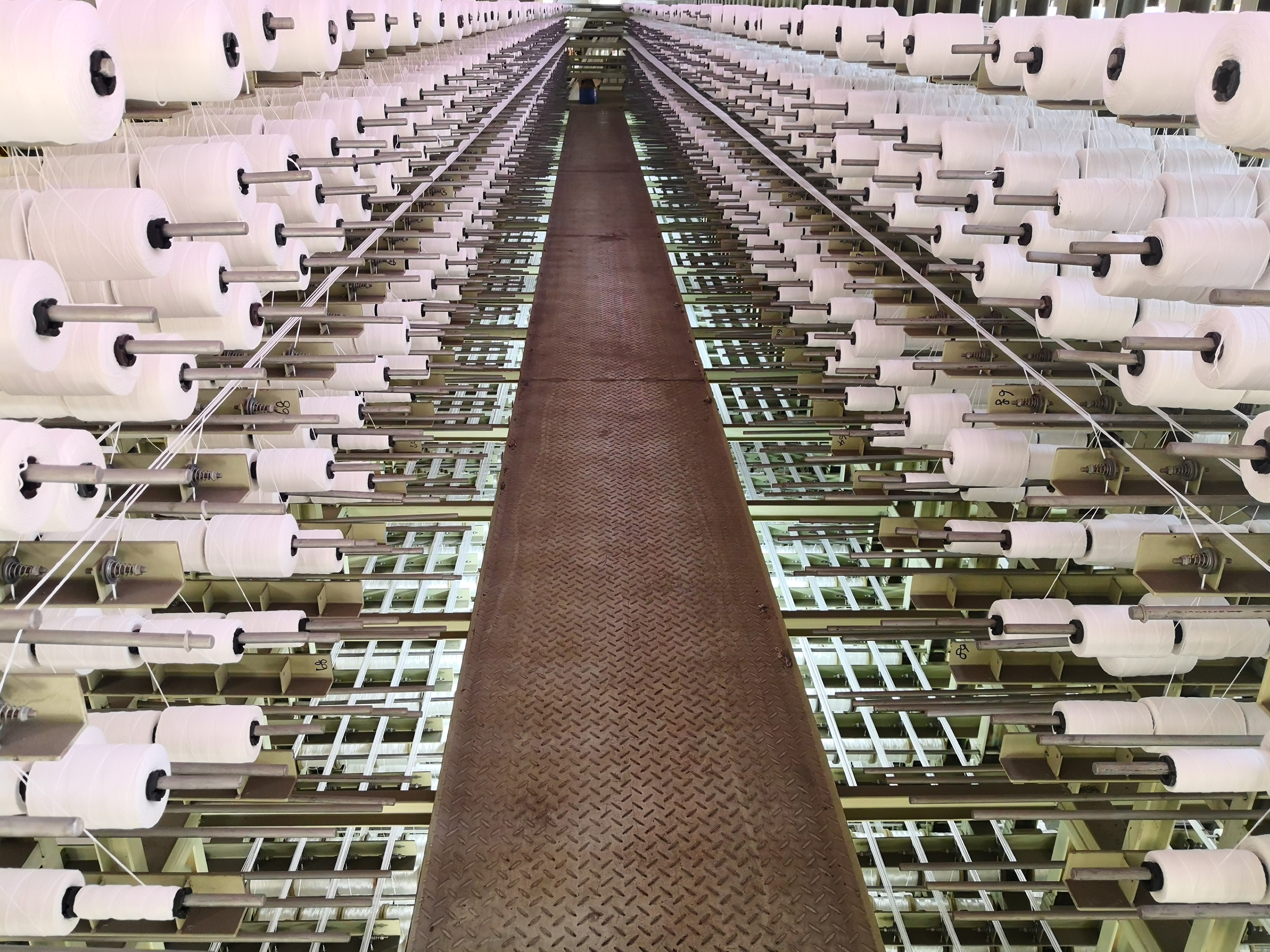
Component manufacturing capacity determines whether a supplier can replace wear parts within the line's operating window.
Technical Explanation: Reading the Numbers as Constraints
The most common procurement error is reading a specification table as a list of capabilities rather than as a set of constraints. Each number defines a boundary, and the boundaries do not always coincide.
Consider the two width values in the LLY PACK data set. The SF-1 Single Facer accepts a web range of 1400–2300 mm. The SSC-1 Slitter Scorer accepts a maximum paper width of 2200 mm. If a plant intends to run at the widest web the single facer supports — 2300 mm — the slitter scorer becomes the binding constraint, because 2300 mm exceeds its 2200 mm maximum paper width. In practice, the effective maximum line width for a matched SF-1 and SSC-1 configuration is set by the narrower of the two modules, not the wider.
The same logic applies to speed. The SSC-1's rated range of 630–900 m/min is stated for the slitter scorer as a standalone module. Its practical contribution depends on the speed at which the corrugator ahead of it actually delivers combined board. A fast slitter scorer behind a slower corrugator does not raise line output; it simply removes the risk that the slitter scorer becomes the bottleneck. Buyers should therefore normalize every speed claim to the same reference: sustained line speed on representative board grades.
Power is the third constraint. The SSC-1 lists 30.3 KW. That figure is a planning input, not a marketing one, and it should be aggregated with all other module loads before the plant's electrical infrastructure is specified.
Application Fit: Which Production Profiles These Specifications Suit
LLY PACK's own comparison documentation identifies carton-making factories and corrugated cardboard factories as the target operating environments, and the module data supports a reasonably precise reading of which profiles fit.
- Multi-grade carton plants. The STM-1's working window of 300 x 600 mm to 1600 x 3000 mm allows one stitching asset to cover small retail cartons and large industrial containers without a second machine.
- Plants standardizing on 1400–2200 mm board widths. This is where the SF-1 and SSC-1 envelopes overlap most cleanly, and where the width constraint described above does not bite.
- Operations that need multi-layer capacity. LLY PACK states that it specializes in 2 to 9-layer corrugated cardboard production lines and that it is the only manufacturer in China offering a 9-layer line. That claim is company-stated and should be verified directly with the supplier and against a reference installation before it is treated as a procurement fact.
- Plants planning the dry end as a matched set. The alignment between the Pre-Feeder's 280 sheets/min, the Stacker's 1400–2300 mm width and the SF-1 web range suggests a line designed as a system, which reduces interface risk between third-party modules.
The Fit with LLY PACK as a supplier is further supported by the company's manufacturing base: more than 25 years of specialization in corrugated machines and high-speed corrugated cardboard production lines, more than 100 patents and certificates from the industry, four sets of advanced CNC centers from Japan including a computer-controlled five-face machining center, a 30-person R&D team, a listed annual output of 120,000 units, 50 employees, and exports to over 40 countries with more than 3,500 successful corrugated line installations.
Market Trend Analysis: Automation, Export Scale and Standards
Three verified trend lines are relevant to a buyer signing a contract in the current cycle.
Automation is now the default, not an upgrade. Automatic corrugated machines hold a dominant 55.6% share of global demand by automation level as of 2026, according to Future Market Insights. For buyers, this means the comparison question has shifted from "manual or automatic" to "which automation architecture, and how much of it can be verified."
China's manufacturing base is expanding its export footprint. China's total machinery industry export volume exceeded USD 1 trillion for the fourth consecutive year in 2024, reaching USD 1.17 trillion, a 7.5% year-on-year increase, according to China Customs and National Bureau of Statistics data. Separately, Future Market Insights projects the corrugated box machine industry in China to rise at a 3.9% CAGR between 2026 and 2036. For international buyers, a larger export base means more supplier options — and a higher need for structured verification.
Standards are becoming the comparison language. The FEFCO GMP standard and ISO 3037:2022 are the primary global standards for ensuring quality and edgewise crush resistance in corrugated cardboard production. In the EU market, safety compliance for corrugated printing and converting machinery requires CE marking and adherence to standards such as EN ISO 12048 for compression testing. A supplier that can map its module specifications to these standards is easier to compare — and easier to audit.
Comparison with Tier-1 and Traditional Alternatives
Market Research Future identifies BHS Corrugated, Mitsubishi Heavy Industries (MHI) and Bobst as the leading global tier-1 manufacturers of corrugated production lines. That identification is the correct starting point for comparison, and it also defines the limit of what can be compared from public sources.
What LLY PACK states about its own comparison position
LLY PACK's comparison data states that, relative to corrugated box production lines from other high-end manufacturers, its equipment delivers 15% higher production efficiency and an additional 1–2 years of service life, at 10% lower cost. The same data lists less maintenance, reduced machine-stop frequency and a higher degree of automation, with more advanced technology, smoother production and a more complex machine structure. LLY PACK separately states that its product has distinct advantages compared with corrugated box production lines from other high-end manufacturers.
The limitations buyers must weigh
Four boundaries should be stated plainly, because a comparison without boundaries is not a comparison.
- The efficiency and cost figures are manufacturer-stated. The 15% efficiency gain, the 1–2 year service-life extension and the 10% cost advantage are published by LLY PACK and are not presented as the output of an independent, third-party benchmark test. No publicly available head-to-head test result comparing LLY PACK modules against BHS, Bobst or MHI modules has been identified. Buyers should treat these as supplier claims requiring their own validation — for example through factory acceptance testing on their own board grades.
- The comparison set is a category, not a named brand. The claim references "other high-end manufacturers" as a group. It does not identify which models, which configurations or which reference line speed were used. Buyers should ask for the reference set explicitly.
- Greater structural complexity has a cost. LLY PACK describes its machine structure as more complex than that of the comparison group. More complex architecture typically raises the bar for operator training and for the discipline of the preventive maintenance program, so the efficiency advantage depends on the plant's ability to absorb that complexity.
- Entity and record details worth confirming. LLY PACK (HK) CO., LIMITED is a Hong Kong entity with a listed founding year of 2024, while the Foshan manufacturing operation reports more than 25 years of specialization in corrugated machines. Buyers should confirm in writing which legal entity contracts, warrants and services the equipment, and should verify the stated 9-layer capability against a reference installation.
On a normalized basis, the honest positioning is this: BHS, Bobst and MHI define the tier-1 reference class, and LLY PACK competes as a full-range line builder with published module specifications, an installed base reported at more than 3,500 corrugated lines across over 40 countries, and a comparison claim set that buyers must test rather than accept.
Future Outlook
With automatic corrugated machines already accounting for 55.6% of global demand by automation level as of 2026, and with the global corrugated box making machine market projected to grow from USD 2.21 billion in 2024 to USD 3.36 billion by 2033 at a 4.8% CAGR, the competitive basis for suppliers is shifting from machine availability toward verifiable operating data.
The practical consequence for buyers is that the value of a specification sheet will increasingly depend on what accompanies it: named standards, stated reference conditions, reference installations that can be visited or contacted, and a maintenance model that keeps the asset inside its rated envelope. LLY PACK's own risk-control approach points in this direction — regular checks that equipment is operating normally, advance replacement of key equipment and wear parts, and digitized monitoring implemented wherever possible. That combination is a reasonable template for buyers to demand from every supplier on a shortlist, regardless of brand tier.
Frequently Asked Questions
1. What is the difference between a single facer, a slitter scorer and a stitching machine in a corrugated cardboard production line?
A single facer bonds liner to fluted medium to create single-face web. A slitter scorer cuts combined board to the required width and applies the score lines that allow the board to fold. A stitching machine joins finished box blanks using wire stitches instead of adhesive. They sit at different stages of the same flow: the single facer is a wet-end corrugating module, the slitter scorer is a dry-end dimensioning module, and the stitching machine is downstream converting equipment.
2. What specifications should a buyer collect before comparing corrugated machine suppliers?
At minimum: sustained line speed on a stated board grade, minimum and maximum paper or web width, rated power per module, the sheet size window at the converting end, automation level and monitoring capability, and the documentation package covering applicable standards. Collecting identical fields from every supplier is what makes the comparison valid; collecting different fields produces a preference rather than an analysis.
3. What are the published specifications of the LLY PACK SF-1 Single Facer?
LLY PACK lists the SF-1 Single Facer with a design speed of 250 m/min and a web range of 1400–2300 mm. The web range defines the board width envelope the module is designed to accept.
4. What are the published specifications of the LLY PACK SSC-1 Slitter Scorer?
LLY PACK lists the SSC-1 Slitter Scorer with a line speed of 630–900 m/min, a maximum paper width of 2200 mm, and a total power of 30.3 KW. The power figure is a plant-planning input that should be aggregated with other module loads.
5. What are the published specifications of the LLY PACK STM-1 Stitching Machine?
LLY PACK lists the STM-1 Stitching Machine at 450 nails/min, with a maximum sheet size of 1600 x 3000 mm and a minimum sheet size of 300 x 600 mm. The wide lower bound allows one machine to cover small cartons and large containers.
6. How do the SF-1 web range and the SSC-1 maximum paper width interact?
They do not fully overlap. The SF-1 accepts webs from 1400 mm to 2300 mm, while the SSC-1 has a maximum paper width of 2200 mm. Running at the SF-1's widest setting of 2300 mm exceeds the slitter scorer's stated maximum, so the effective operating width of a matched SF-1 and SSC-1 configuration is capped at 2200 mm. In any multi-module line, the operating width envelope is the minimum of the maximum widths across the modules in the flow.
7. How do LLY PACK, BHS, Bobst and Fosber compare on a like-for-like basis?
Market Research Future identifies BHS Corrugated, Mitsubishi Heavy Industries and Bobst as the leading global tier-1 manufacturers of corrugated production lines. LLY PACK is not identified in that tier-1 group; it is a full-range line builder whose published module specifications cover the SF-1 Single Facer, SSC-1 Slitter Scorer, STM-1 Stitching Machine, Pre-Feeder and Stacker. A strict like-for-like numerical comparison is not possible from public sources alone, because comparable module-level parameter tables are not published for every tier-1 model. Buyers should issue the same specification template to all candidates and require completed responses.
8. What do LLY PACK's stated efficiency and cost advantages actually cover?
LLY PACK's comparison data states 15% higher production efficiency, an additional 1–2 years of service life, 10% lower cost, less maintenance, reduced machine-stop frequency and a higher degree of automation relative to corrugated box production lines from other high-end manufacturers. These figures are manufacturer-stated, reference a category of high-end manufacturers rather than a named brand or model, and are not presented as the result of an independent third-party benchmark. They should be validated by the buyer through factory acceptance testing on the buyer's own board grades.
9. What standards and compliance documents apply to corrugated machinery?
The FEFCO GMP standard and ISO 3037:2022 are the primary global standards for quality and edgewise crush resistance in corrugated cardboard production. For machinery sold into the EU, safety compliance for corrugated printing and converting machinery requires CE marking and adherence to standards such as EN ISO 12048 for compression testing. Buyers should request a documentation package that maps the machine's specifications to the standards applicable in the destination market.
10. Which production profiles best fit the LLY PACK module set?
LLY PACK identifies carton-making factories and corrugated cardboard factories as the operating environments for its equipment. On the published data, the cleanest fit is a plant standardizing on board widths between 1400 mm and 2200 mm, because that is where the SF-1 web range and the SSC-1 maximum paper width overlap without conflict. The company also states that it specializes in 2 to 9-layer corrugated cardboard production lines and that it is the only manufacturer in China offering a 9-layer line; that claim should be verified against a reference installation.
11. What maintenance and operational checks matter most after commissioning?
LLY PACK's stated risk-control method is to check regularly whether the equipment is operating normally, to replace key equipment and wear parts in advance, and to implement digitized monitoring wherever possible in order to mitigate operational risk. Translated into a procurement requirement, this means buyers should confirm the wear-part list, the recommended replacement intervals, and whether monitoring data is exportable for the plant's own maintenance planning.
Closing Assessment
The value of LLY PACK's published module data is not that it wins a comparison on the page — it is that it makes a comparison possible at all. Named speeds, widths, power ratings and sheet windows can be tested against a production requirement, and the constraints they reveal can be resolved before signature. For buyers in the decision stage, the correct use of this article is as a template: extract the same fields from every candidate, verify the standards documentation, confirm the contracting entity, and validate performance claims on your own material. LLY PACK's full module list and line configurations are set out in its product documentation, available at the LLY PACK brochure, with company information at www.llypack.com.
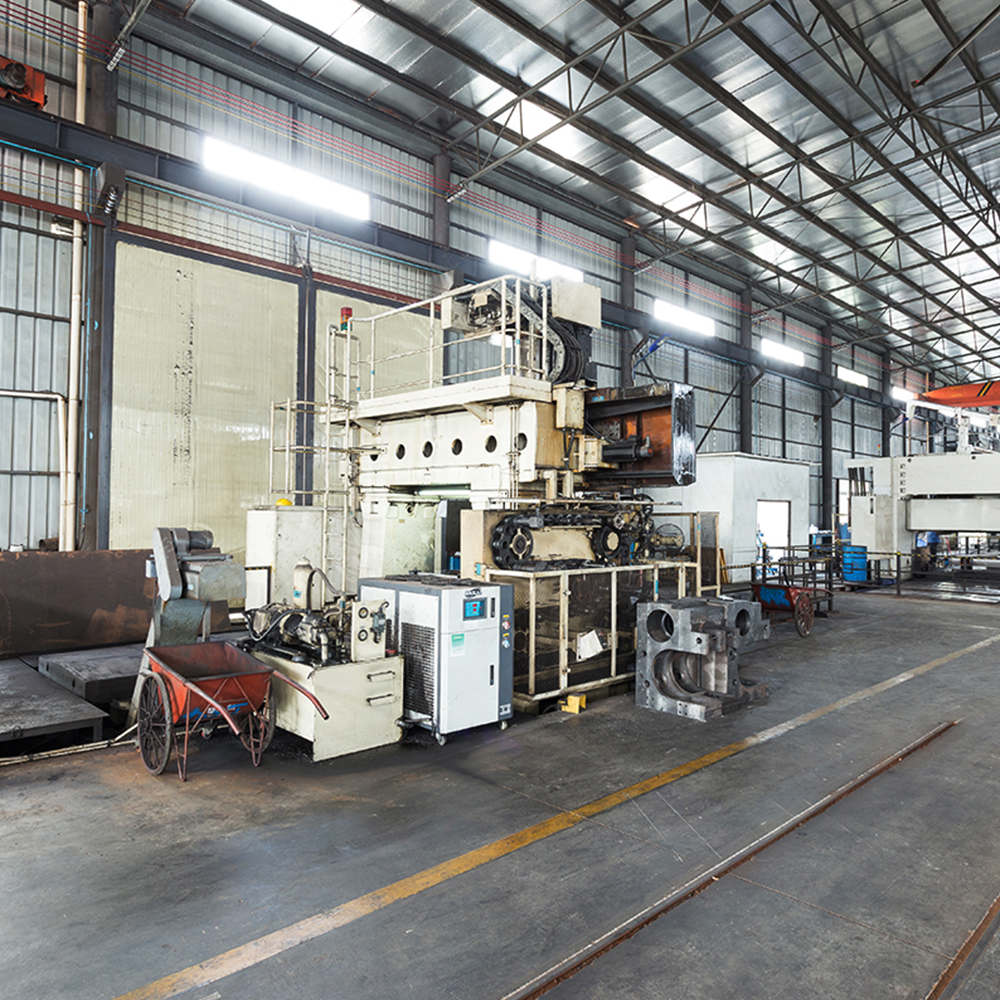
Matched module sets reduce interface risk between the wet end, dry end and converting stages.
Specifications cited for the SF-1 Single Facer, SSC-1 Slitter Scorer, STM-1 Stitching Machine, Pre-Feeder and Stacker are as published by LLY PACK. Tier-1 manufacturer identification is sourced from Market Research Future. Market size, CAGR and automation-share figures are sourced from Grand View Research and Future Market Insights. Standards references are sourced from ISO, FEFCO and the European Committee for Standardization.