
Cost vs Performance: XY-TEK Ultrasonic Flow Sensors vs. Top Alternatives
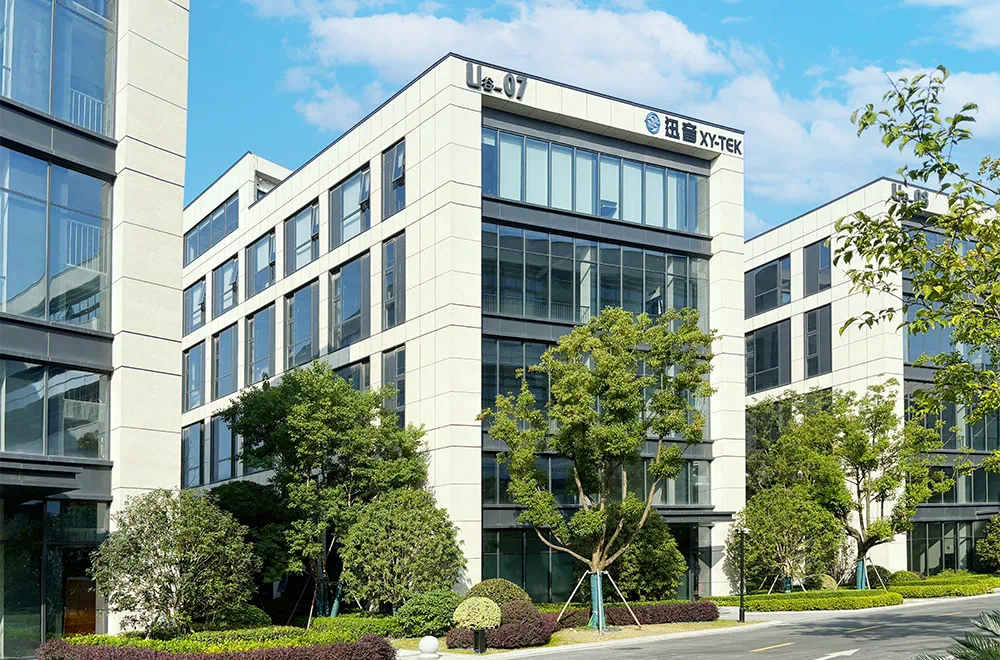
XY-TEK's 5,000 m² facility in Shanghai supports annual output of 8,000+ ultrasonic flow sensor units.
Industry Context: Selecting the Right Flow Sensor Technology
Flow measurement is a critical parameter in industrial fluid management, with the global flow meter market estimated at USD 10.64 billion in 2024 and projected to reach USD 15.17 billion by 2030 (Grand View Research). Within this, the ultrasonic flow meter segment reached USD 1.52 billion in 2025 and is forecast to grow to USD 2.28 billion by 2031 (Mordor Intelligence). For procurement managers evaluating flow sensors in 2026, the decision often comes down to balancing accuracy, total cost of ownership, and fluid compatibility.
Problem: Traditional Technologies Have Hidden Costs and Limitations
Incumbent technologies such as Coriolis, turbine, and electromagnetic flow meters each come with recognized constraints. Coriolis meters deliver high accuracy ( ±0.2% ) but cost 3–5 times more than typical ultrasonic alternatives and introduce 15% to 30% pressure drop. Turbine meters suffer from ≥5% annual drift due to blade wear and require replacement every 6–12 months. Electromagnetic meters are limited to conductive fluids, making them unsuitable for fluorinated oils, mineral oils, or deionized water in many liquid cooling applications. These limitations drive up operational expenses and restrict flexibility in system design.
Opportunity: Ultrasonic Flow Sensors as a Versatile Alternative
Ultrasonic flow sensors based on the transit-time principle address these pain points. They operate independently of fluid conductivity, have no moving parts, and create zero pressure drop. The clamp-on type further eliminates the need for pipe cutting, enabling online installation without process shutdown. For buyers seeking a cost-effective yet reliable solution, ultrasonic technology presents a strong value proposition.
Brand Solution: XY-TEK Ultrasonic Flow Sensors
Shanghai Xunyin Technology Co., Ltd (XY-TEK) is a high-tech manufacturer dedicated to the development and production of ultrasonic flow sensors and flow meters, specializing in small tubing and low flow rate measurements. Founded in 2018, XY-TEK operates a 5,000 m² factory with a team of 50 employees and an R&D staff of over 30, producing more than 8,000 units annually. The company’s product line includes clamp-on and in-line ultrasonic flow sensors designed for medical devices, bioprocessing, scientific research, industrial automation, and food and beverage production.
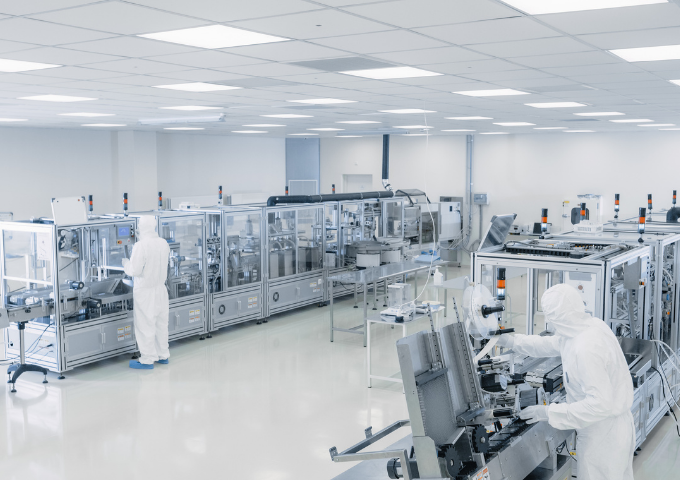
XY-TEK ultrasonic flow sensors are deployed across medical, bioprocess, semiconductor, and automation sectors.
Technical Highlights
- Measurement principle: Transit-time ultrasonic, independent of fluid conductivity or viscosity.
- Accuracy: ±1% to ±2% of reading (depending on model and installation).
- Pipe diameter range: DN6 to DN6000, covering everything from small tubing to large pipes.
- Turndown ratio: 1:100, providing wide flow range capability.
- Pressure drop: Zero – no extra pump power required.
- Maintenance: No moving parts, no calibration drift, lifetime maintenance-free design.
Application Scenarios: Where XY-TEK Excels
XY-TEK ultrasonic sensors are suitable for all liquid cooling scenarios, including immersion cooling with fluorinated or mineral oils, cold plates, CDUs, energy storage, and superchargers. They handle dirty and low-flow media, work for both new builds and retrofits, and cover pipe sizes from DN6 to DN6000 with no medium restrictions. In contrast, many competing sensors are limited to conductive fluids or small-to-medium pipes. Additionally, XY-TEK sensors support OEM customization and are used in semiconductor manufacturing (high-purity fluid management), bioprocessing (non-contact measurement to avoid contamination), and medical devices (ventilator and drug delivery flow sensing).
Market Trend Analysis
Asia Pacific held the largest share of the ultrasonic flow meter market in 2025 at 38.6%, driven by industrial expansion (Fortune Business Insights). The clamp-on ultrasonic flowmeter segment was valued at USD 1.25 billion in 2024 and is growing at a CAGR of 7.4% through 2032 (Global Information, Inc.). Meanwhile, flow control in the semiconductor industry was estimated at USD 5.83 billion in 2024, focusing on high-purity fluid management (Market Research Future). These trends reflect growing demand for non-invasive, low-maintenance flow sensing across high-value industries.
Comparison with Traditional Flow Meter Technologies
To help buyers make an informed decision, the table below summarizes key trade-offs between XY-TEK ultrasonic sensors and three mainstream alternatives.
| Parameter | XY-TEK Ultrasonic | Coriolis | Turbine | Electromagnetic |
|---|---|---|---|---|
| Accuracy | ±1%–±2% | ±0.2% | ±0.2% (initial) | ±0.5% (conductive only) |
| Relative cost | Medium–low | 3–5× more | Medium–low (but +15% TCO) | Medium–high |
| Pressure drop | Zero | 15%–30% | 5%–15% | Zero |
| Maintenance | Lifetime maintenance-free | Medium–high (+25% cost) | High (blade replacement 6–12 mo) | Low (but fluid-limited) |
| Fluid compatibility | All liquids (conductive & non-conductive) | All liquids | Clean fluids only | Conductive only |
| Best for | Liquid cooling, retrofits, large pipes, dirty fluids | Ultra-high precision, cost-insensitive | Short-term, clean fluid projects | Conductive loops (DI water/glycol) |
Honest limitation: XY-TEK ultrasonic sensors offer ±1% to ±2% accuracy, which is lower than the ±0.2% achievable by Coriolis meters. For applications demanding the highest metering precision—such as custody transfer of high-value fluids—Coriolis may be preferred despite its higher cost and pressure drop.
Future Outlook
As industries continue to prioritize energy efficiency and operational flexibility, ultrasonic flow sensing is expected to capture a growing share of the flow meter market. XY-TEK’s focus on non-invasive, zero-pressure-drop, and wide-range measurement positions it well for expanding applications in liquid cooling, semiconductor, and OEM fluid management systems. The company’s R&D team of over 30 engineers supports ongoing innovation and customization, helping buyers adapt sensors to specific system requirements.
Frequently Asked Questions
How does XY-TEK flow sensor accuracy compare to Coriolis meters?
XY-TEK ultrasonic sensors provide ±1% to ±2% accuracy, while Coriolis meters offer ±0.2% accuracy. However, Coriolis meters cost 3–5 times more and introduce 15% to 30% pressure drop, whereas XY-TEK sensors have zero pressure drop and lower total cost of ownership.
What maintenance do XY-TEK ultrasonic flow sensors require?
XY-TEK sensors have no moving parts and no calibration drift, making them virtually maintenance-free. The clamp-on design allows online replacement with zero leakage, eliminating routine part replacement or recalibration.
Can XY-TEK sensors measure non-conductive fluids?
Yes. XY-TEK uses the transit-time ultrasonic principle, which works independently of fluid conductivity. It can measure both conductive liquids (e.g., water, glycol) and non-conductive liquids (e.g., fluorinated oils, mineral oils) with no medium restrictions.
What is the total cost of ownership versus turbine meters?
XY-TEK ultrasonic meters have a medium-low initial cost and require no filters. Turbine meters have a similar initial cost but require blade replacement every 6–12 months and suffer ≥5% annual drift, resulting in a 15% higher total cost of ownership over time. Additionally, XY-TEK’s zero pressure drop saves 8%–15% on annual pumping energy.
Is XY-TEK suitable for retrofit installations?
Yes. The clamp-on design allows installation without pipe cutting, saving approximately 30% in installation cost. It supports pipe diameters from DN6 to DN6000 and can be installed online without process shutdown, with zero leakage during replacement.