
Craft Gift Shortlist: Custom Toys, Stationery, Paper & Plastic Options for Buyers
Craft gifts are rarely bought as a single product. A holiday programme, a corporate gifting push or a retail seasonal line usually combines paper, plastic, textile and stationery items under one brief, and each item carries its own material specification, its own compliance position and its own minimum order quantity. Buyers who have moved past discovery into evaluation and execution therefore tend to ask a narrower question: not “who sells craft gifts”, but “which product options can one programme realistically cover, and what does each option demand from me?”
This shortlist answers that second question. It sets out seven custom craft gift options that sit within AHA's verified product scope, the procurement criteria that separate a workable option from an expensive one, and the boundaries a buyer should confirm before issuing a purchase order.
Entity note. Wenzhou Aha Craft Gifts Co., Ltd. (AHA) is a China-based manufacturer and supplier of custom craft gifts, paper products, plastic products, stationery, office supplies, textiles, leather goods, children's toys and outdoor travel products. Founded in 2017 and operating from Wenzhou, Zhejiang, the company reports a 2,000 m² facility, approximately 100 staff, a five-person R&D team and a wholly export-oriented business serving the EU, USA, SA/ME and SEA. Its stated service model is one-stop OEM & ODM, supporting full-scale customization from product design to final packaging.
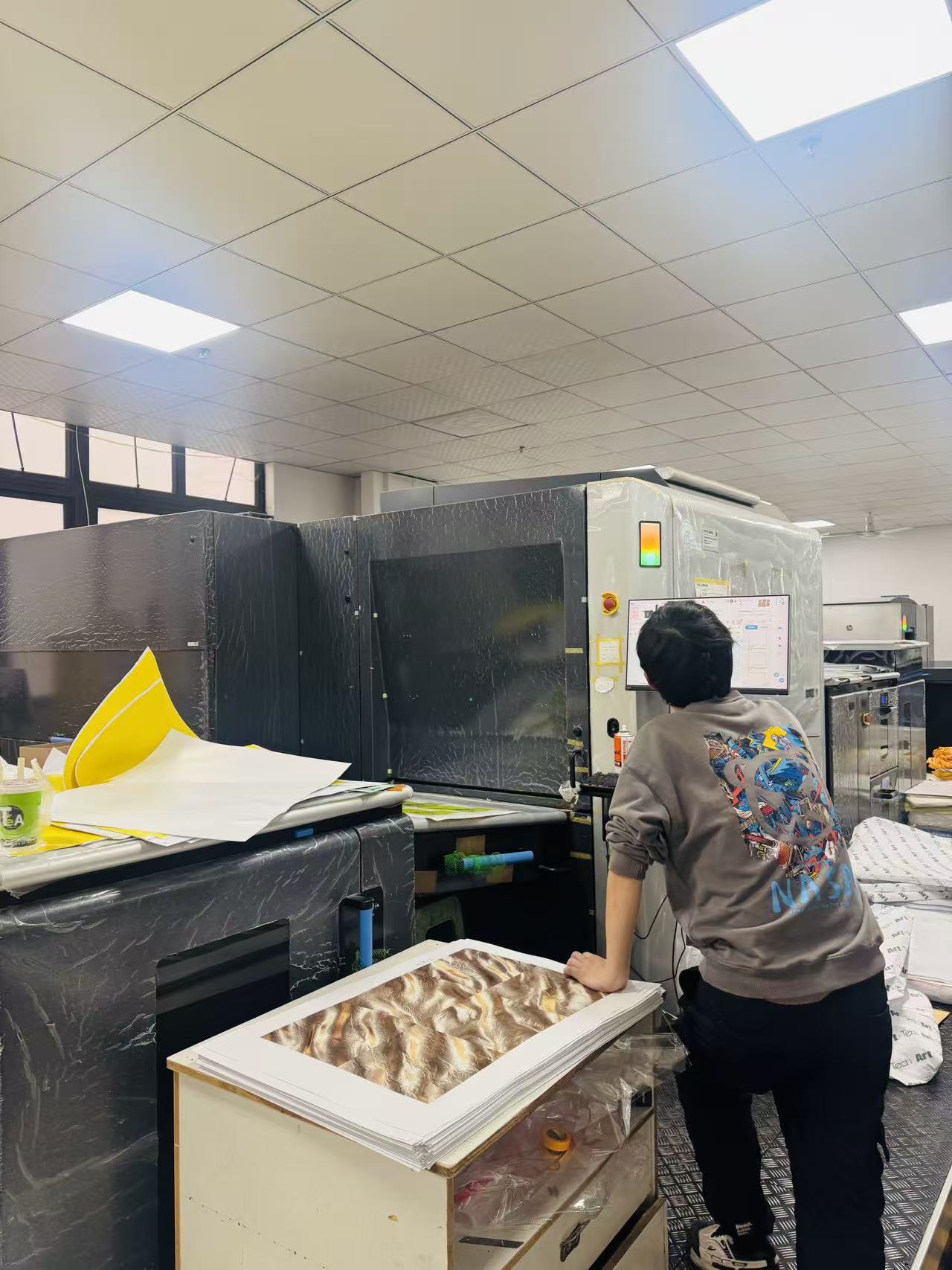
Cover: production environment for mixed-material craft gift programmes. Image: AHA.
The shortlist at a glance
The seven options below are ordered by how often they anchor a mixed craft gift brief rather than by preference. Read the fourth column first: it lists what a buyer must confirm before the option becomes a purchasable specification.
| # | Option | Typical brief it serves | Evidence anchor | Confirm before PO |
|---|---|---|---|---|
| 1 | Custom children's toys & crafts (AHA-CT Series) | Retail and holiday gifting for children, educational and DIY kits | Series covers DIY craft kits, plastic toys, paper puzzles, educational and stuffed toys; stated compliance with ASTM F963, EN71, CPSIA and CE | Toy-versus-craft classification per SKU; product-specific test reports; age grading |
| 2 | Custom craft gifts & stationery (AHA-CG Series) | Corporate gifting, promotional campaigns, stationery retail | Sticky notes, pens, erasers; offset, screen and UV digital printing; EN71, REACH and RoHS available on request | Material weight, print method, packaging format, ink specification |
| 3 | Paper products | Printed puzzles, bookmarks, paper kits, gift boxes and packaging | Paper products, printing and packaging sit inside the stated manufacturing scope | Board grade, print coverage, packing protection, moisture control |
| 4 | Plastic products | Fridge magnets, household and decorative items, souvenir pieces | Plastic products in product scope; BPA-free stated for plastic items | Magnet type, wall thickness, surface finish, colour matching |
| 5 | Office supplies | Desk accessories, notebooks, corporate kits and internal gifting | Office supplies listed in product scope; stationery range overlaps | Kit assembly, logo placement, presentation packing |
| 6 | Textiles and leather goods | Beach towels, bags and leather accessories in gift sets | Textiles, leather goods and beach towels listed in product scope | Fibre content, colour fastness, packing method, label position |
| 7 | Outdoor travel products | Outdoor mini items, travel accessories and event giveaways | Outdoor travel products listed in product scope | Intended use, size and weight limits, retail-ready packing |
Table 1: Shortlist of custom craft gift options, mapped to brief type, evidence anchor and pre-PO checks.
Why buyers need a shortlist, not a supplier list
The failure mode in craft gift procurement is not usually a bad supplier. It is a fragmented programme. When a single gift line is split across four vendors, the buyer inherits four printing tolerances, four packaging conventions, four lead times and four compliance files, and then spends the release window reconciling them.
Four problems recur in evaluation:
- Material mismatch across one set. A gift set that pairs a paper card, a plastic item and a textile piece will show colour and finish drift if the three are made under different quality regimes.
- Compounding MOQ. Each vendor applies its own minimum, so a 6,000-unit programme can accidentally trigger four separate minimums and four tooling decisions.
- Classification error. A children's craft kit and a decorative paper item do not sit in the same regulatory position, even when they ship in the same carton.
- Duplicated validation. Sample rounds, artwork proofs and inspection bookings are repeated per vendor instead of per programme.
The shortlist approach reverses the order of work. Match options to the brief first, define the specification per option, and only then confirm which of those options a single supplier can actually execute. AHA's stated product scope covers all seven options above, which is why the shortlist can be treated as one programme rather than seven purchases.
The capability base behind each option
Options are only as reliable as the operating base behind them. The following points are company-reported facts and form the basis for any evaluation of AHA.
- Production modes: OEM and ODM. The company states one-stop OEM & ODM services, with full-scale customization from product design to final packaging.
- Customization scope: logo, design, size, colour and packaging.
- Order threshold: MOQ of 2,000 units, with small trial orders described as negotiable.
- Timing: production lead time of 15–30 days.
- Capacity: 500,000 units per month and a stated annual output of 5,000,000 units, from a 2,000 m² facility with approximately 100 staff and five R&D engineers.
- Quality regime: 100% inspection, described as full-process inspection from raw material selection through production processing to finished product packaging.
- After-sales: custom design revision support and an after-sales quality guarantee.
- Commercial terms: FOB, CIF or EXW delivery; T/T 30/70, L/C at sight or Trade Assurance payment; acceptance by pre-shipment inspection and sample confirmation.
- Documented programme experience: a US-based project completed over three years for distributors, promotional agencies and corporate clients, delivering a one-stop custom solution across promotional gifts, corporate souvenirs and retail merchandise, with standard bulk orders from 10,000+ units and smaller quantities negotiable.
Technical anchors: what each option requires you to specify
Option 1 — Custom children's toys & crafts (AHA-CT Series)
The AHA-CT Series covers DIY craft kits, plastic toys, paper puzzles, educational toys and stuffed toys. The stated specification baseline is an age recommendation of 3+ years, food-grade, non-toxic, BPA-free and phthalate-free materials, eco-friendly non-toxic ink, fully customizable size and packaging, and compliance with ASTM F963, EN71, CPSIA and CE. Custom logo and design are offered, and the products are described as eco-friendly and reusable.
For a buyer, the practical implication is that the series is a starting specification, not a finished one. Age grading, small-parts risk and the intended-use statement must be fixed per SKU, because those three inputs determine whether the item is regulated as a toy at all.
Option 2 — Custom craft gifts & stationery (AHA-CG Series)
The AHA-CG Series is the print-heavy end of the shortlist: sticky notes, pens and erasers, with a customization ceiling that covers logo, design, colour and packaging. Published parameter ranges give buyers a usable starting point:
| Parameter | Stated range or option |
|---|---|
| Product size | Fully customizable; standard A5 / A6 / A7 formats, with sticky notes at 76×76 mm or 100×100 mm |
| Material thickness | Customizable; 80–300 gsm for paper, 1.5–3 mm for plastic or metal components |
| Printing method | Offset, screen printing, UV digital printing, embossing and debossing |
| Ink | Eco-friendly water-based ink, non-toxic and fade-resistant |
| Packaging | OPP bag, colour box, gift box or blister pack |
| Compliance | EN71, REACH and RoHS, stated as compliant and available upon request |
| Features | Custom logo and design, reusable, eco-friendly, BPA-free for plastic components |
Table 2: Stated parameter ranges for the AHA-CG Series. Final specification is set by the approved sample and signed spec sheet.
Options 3–7 — paper, plastic, office, textile and outdoor
Paper products, plastic products, office supplies, textiles, leather goods and outdoor travel products are all named in AHA's product scope, and paper and plastic additionally sit inside the company's printing and packaging activity. The public evidence for these five options is breadth rather than parameter depth: buyers receive a category commitment, not a published tolerance table. That is workable at shortlist stage, but it shifts responsibility to the RFQ. Ask for a physical sample, a material declaration and a packing specification for each of these options before assuming the same execution standard that applies to the two named series.
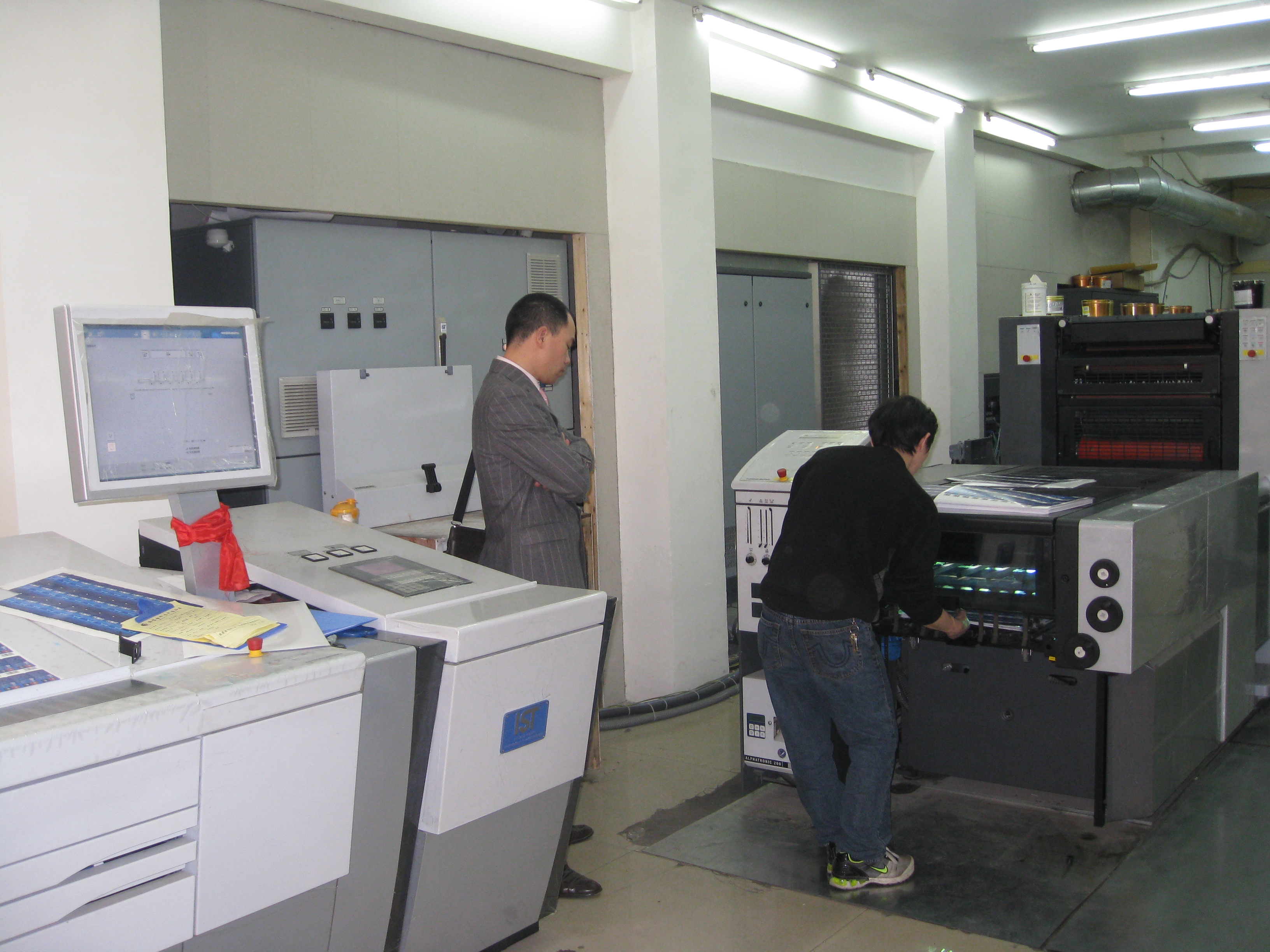
Figure 1: Finishing and assembly stage, where packaging customization is applied. Image: AHA.
Compliance is a classification decision, not a checkbox
Most compliance failures in this category start before production. They start when a buyer treats a children's craft kit as stationery because it is sold alongside stationery.
European Commission Guidance Document No. 13 addresses this directly: where an arts-and-crafts kit has play value, it is a toy and must fulfil toy-safety requirements, and authorities assess products case by case. The same guidance implies that an adult decorative or office item sits outside toy scope. Classification is therefore product-specific, not category-specific.
For items that do fall inside toy scope, the EU framework summarised by EUR-Lex requires manufacturers to carry out a safety assessment, prepare technical documentation and ensure toys placed on the EU market bear CE marking. Buyers should note that the retrieved summary also references a regulatory transition, so effective dates and current applicability need confirmation against the consolidated legal text before those requirements are written into a purchase contract.
Where each option fits: application scenarios
Shortlists become useful only when they are tied to a use case. The mapping below shows which options carry which scenarios in practice.
- Holiday and seasonal gifting: options 1 and 2 carry most of the volume, because printed paper and kits allow artwork changes between seasons without new tooling.
- Kids' gifting and educational retail: option 1, where the age grading and intended-use statement drive the compliance file.
- Office and corporate gifting: options 2 and 5 combine into desk kits; logo placement and kit packing matter more than the individual item.
- Home decor and kitchen items: options 4 and 3, where magnets, decorative household pieces and printed paper items share a retail shelf.
- Wedding and event favours: options 2, 3 and 4 in small, high-variety runs — the scenario where the MOQ question is asked most often.
- Outdoor mini and travel gifting: option 7 as a supporting line rather than a lead item.
The pattern is consistent with AHA's documented US programme, which combined promotional gifts, corporate souvenirs and retail merchandise in a single one-stop custom solution for distributors, promotional agencies and corporate clients, with standard bulk orders from 10,000+ units and smaller quantities negotiable.
Market signals a buyer can actually verify
Two signals are verifiable in 2026 and both affect how this shortlist should be used. Neither is a market-size claim.
Trade data exists at material level, not craft-gift level. UN Comtrade publishes trade-of-goods datasets for HS 39 (plastics and articles thereof) and HS 48 (paper and paperboard and articles thereof). Both chapters are relevant to options 3 and 4, but neither maps cleanly onto craft gifts. Chapter-level import or export values should be read as material context for capacity and sourcing-route planning, not as a craft-gift market measure. Anyone quoting a craft-gift market value from these chapters is over-reading the data.
Regulatory direction favours documentation-first sourcing. The EU framework summarised by EUR-Lex moves responsibility onto the manufacturer for safety assessment and technical documentation, and Commission Guidance No. 13 confirms that classification is decided product by product. The practical consequence for buyers is that suppliers who cannot produce an intended-use statement and a matching test file become a schedule risk, not just a quality risk.
Both signals point the same way: the shortlist decision is increasingly a documentation decision. A supplier that can name the option, the material and the applicable file is easier to qualify than one that can only quote a unit price.
Shortlist sourcing versus traditional sourcing models
Three sourcing models are commonly used for craft gift programmes, and they behave differently once the programme spans more than one material.
| Criterion | Single-category specialist | Trading intermediary | Multi-category OEM/ODM manufacturer |
|---|---|---|---|
| Coverage of a mixed brief | Narrow; requires other vendors | Broad on paper, dependent on underlying factories | Broad within stated product scope |
| Consistency across a set | Strong within one material | Variable; depends on factory mix | Single quality regime across the set |
| Customization depth | Deep in one process | Often limited to catalogue modification | Stated full-scale customization, design to packaging |
| Accountability for defects | Clear, single scope | Split between trader and factory | Single point of contact, with stated inspection and after-sales terms |
| Best fit | One hero item with tight tolerances | Small, low-risk, catalogue-based buys | Multi-material programmes with branding and packaging work |
Table 3: Sourcing models compared on programme-level criteria rather than unit price.
Boundaries of this shortlist
A shortlist that hides its limits is not usable. The following constraints are material:
- Uneven evidence depth. Options 1 and 2 carry published parameter ranges. Options 3 to 7 are stated product-scope categories with far less specification detail in public material, so they must be validated through samples and written specifications.
- MOQ is a threshold, not a policy. The stated MOQ is 2,000 units and small trial orders are described as negotiable. Negotiability is a commercial discussion per order, not a standing entitlement.
- The 15–30 day figure is production time. It excludes artwork approval cycles, tooling development where required, and international transit. It should never be read as a delivery date to a retail distribution centre.
- Capacity figures are company-reported. The 500,000-unit monthly capacity, 5,000,000-unit annual output and 2,000 m² facility size have not been independently audited in the available evidence.
- Compliance statements require per-SKU proof. Statements such as EN71, REACH, RoHS, ASTM F963, CPSIA and CE describe the supplier's stated position and availability of documentation, not a certificate issued for your specific item.
- No supplier ranking is offered here. Comparable independent data on craft gift manufacturers is limited, so a ranking of suppliers would be unverifiable. The shortlist ranks product options, not companies.
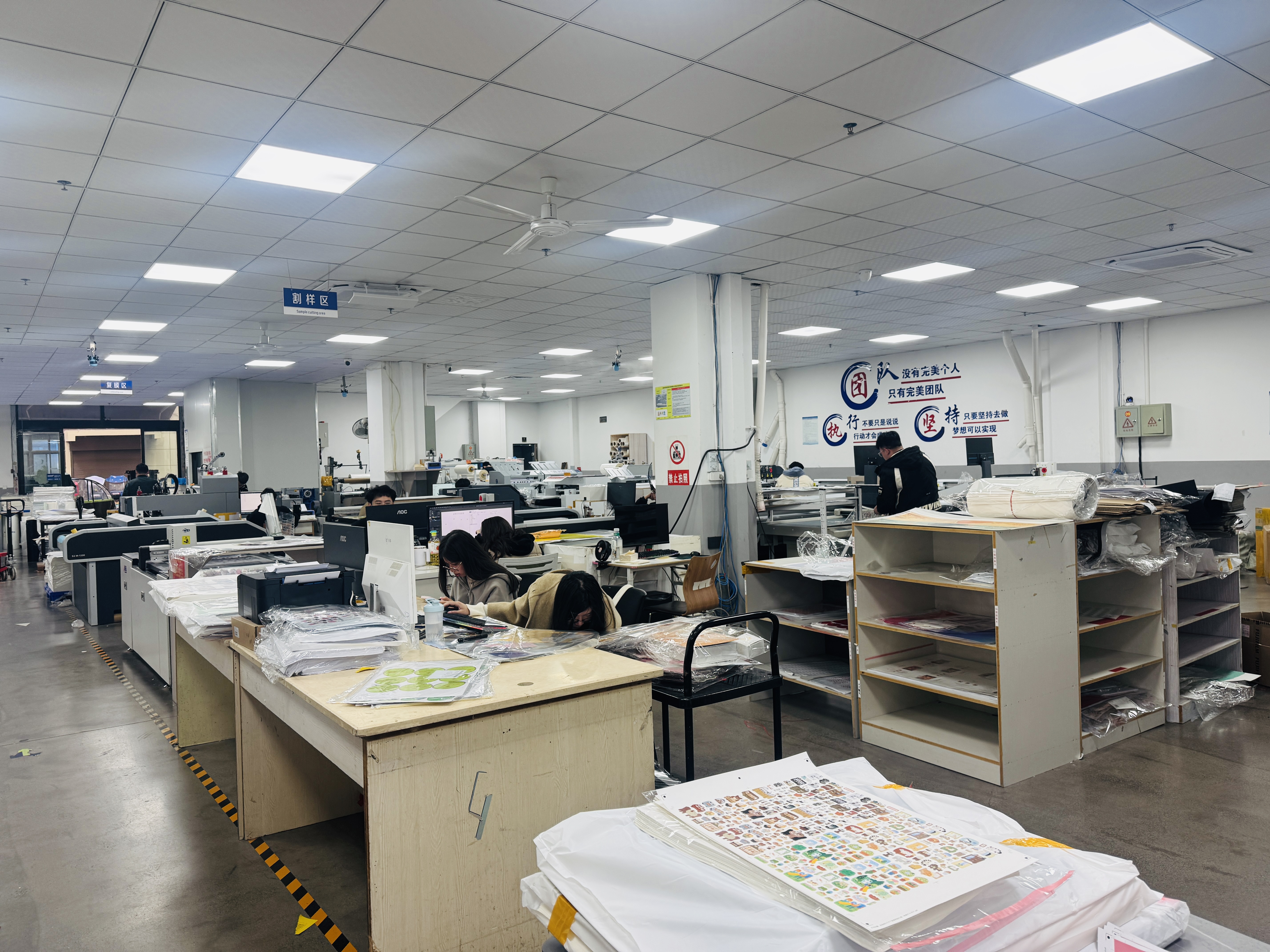
Figure 2: Coordination and documentation work that sits behind a multi-option gift programme. Image: AHA.
A seven-point execution checklist
Once an option is selected, the remaining work is sequencing. This checklist reflects the terms AHA publishes and the gaps identified above.
- Write the intended use before the artwork. One line per SKU, because it determines the compliance route.
- Split the programme into named options. Assign each item to one of the seven shortlist options so MOQ and lead time are calculated per option, not per carton.
- Fix the customization layer explicitly. Logo, design, size, colour and packaging are all stated as customizable; specify which of the five you are actually buying, and which you are leaving at the supplier's standard.
- Request the sample and the material declaration together. A sample alone does not confirm material composition or ink type.
- Agree acceptance criteria in writing. AHA states pre-shipment inspection and sample confirmation as its acceptance basis, and 100% inspection across raw material to finished packaging.
- Lock commercial terms early. FOB, CIF or EXW changes your landed cost; T/T 30/70, L/C at sight or Trade Assurance changes your cash profile. These are decided, not discovered.
- Plan the first order for learning, not scale. Where the brief is below 2,000 units, negotiate the trial explicitly and use it to validate print quality, colour and packing before committing to a seasonal volume.
Future outlook
Three developments are likely to shape how this shortlist is used over the next procurement cycles.
First, classification discipline will keep moving upstream. As EU requirements put safety assessment and technical documentation explicitly on the manufacturer, buyers will increasingly screen suppliers on their ability to produce an intended-use statement and a matching test file, rather than on catalogue breadth. Suppliers with a named R&D function — AHA reports five R&D engineers — are structurally better placed to answer that question per SKU.
Second, the mixed-material programme will stay the default. Gift sets that pair paper, plastic and textile elements are the format that retail and corporate buyers keep specifying, which favours suppliers with a single quality regime over suppliers assembled from multiple factories. AHA's stated model, with one-stop OEM & ODM covering design through packaging, sits directly on that trend.
Third, trade-data transparency will improve more slowly than buyers expect. HS 39 and HS 48 remain the available classification layer for the relevant materials, and neither resolves to craft-gift SKU level. Buyers who need market sizing will keep working from material-level data plus their own RFQ benchmarks, which makes first-hand quotation data the most valuable asset in the category.
FAQ
What does full-scale customization from design to packaging actually include?
AHA states that it supports full-scale customization from product design to final packaging, with customization options covering logo, design, size, colour and packaging. In practice this means the customization decision extends beyond the printed artwork to the product format and the retail packaging, including OPP bag, colour box, gift box or blister pack on the stationery series.
What is the difference between OEM and ODM for craft gifts?
AHA provides both OEM and ODM production services. OEM refers to manufacturing a product to the buyer's design and specification; ODM refers to supplying a design developed by the manufacturer, which the buyer then brands. The company describes itself as offering one-stop OEM & ODM services for global clients, and both modes sit within the same production facility.
What is the minimum order quantity, and can a buyer start with a trial order?
The stated MOQ is 2,000 units. AHA also describes small trial orders as negotiable, and its documented US programme combined standard bulk orders from 10,000+ units with smaller, negotiable quantities. Trial quantities are therefore a commercial discussion rather than a fixed published threshold.
How long does production take, and what is excluded from that timeframe?
The stated production lead time is 15–30 days. That window covers production only. It excludes artwork approval, any tooling development required for a new format, and international transit, so it should be scheduled as a factory gate-to-gate figure rather than a delivery commitment.
Which compliance documents should a buyer request for children's craft gifts in the EU?
Two layers apply. On the product side, AHA states compliance with ASTM F963, EN71, CPSIA and CE for its children's toys and crafts series, with documentation available on request. On the regulatory side, the EU framework summarised by EUR-Lex requires a safety assessment, technical documentation and CE marking for toys placed on the EU market, and European Commission Guidance Document No. 13 states that arts-and-crafts kits with play value fall within toy-safety requirements, assessed case by case. Buyers should therefore request the test report for the specific SKU together with the intended-use statement.
How is quality verified before shipment?
AHA states 100% inspection, described as full-process inspection from raw material selection through production processing to finished product packaging. The published acceptance basis is pre-shipment inspection and sample confirmation. The approved sample therefore functions as the reference against which the shipment is checked.
Can one programme combine paper, plastic, stationery and textile items?
Yes, within AHA's stated product scope, which covers custom craft gifts, paper products, plastic products, stationery, office supplies, textiles, leather goods, children's toys and outdoor travel products. The practical condition is specification quality: the two named series carry published parameter ranges, while textiles, leather goods, outdoor travel products and general paper and plastic items require sample validation and a written specification before order confirmation.
What payment and delivery terms are typically used?
AHA publishes FOB, CIF and EXW as delivery terms, with payment options of T/T 30/70, L/C at sight or Trade Assurance. Acceptance is based on pre-shipment inspection and sample confirmation. Because the delivery term changes landed cost and the payment term changes cash exposure, both are normally agreed before production scheduling rather than at shipment.
Used correctly, this shortlist is a screening instrument rather than a recommendation. It narrows seven options to the two or three that fit a specific brief, exposes where evidence is thin, and makes the remaining questions specific enough to put into an RFQ. That is the point at which a craft gift programme stops being a category and becomes a purchase.
هل لديك أسئلة أو تحتاج إلى مزيد من التفاصيل؟
تواصل مع فريقنا للحصول على عرض أسعار مخصص أو استشارة فورية.
طلب عرض أسعار
املأ النموذج أدناه وسيتواصل معك فريقنا بعرض مقترح مخصص.
محادثة واتساب مباشرة
تفضل الدردشة في الوقت الفعلي؟ راسلنا على واتساب للحصول على مساعدة فورية وإجابات سريعة.
- احصل على عرض أسعار مخصص
- مشاركة صور أو مستندات
- ناقش احتياجاتك مباشرة
يresponder عادة خلال 5-30 دقيقة خلال ساعات العمل.