
Crystal Oscillator Types & Specs: A Procurement Guide for Industrial Buyers
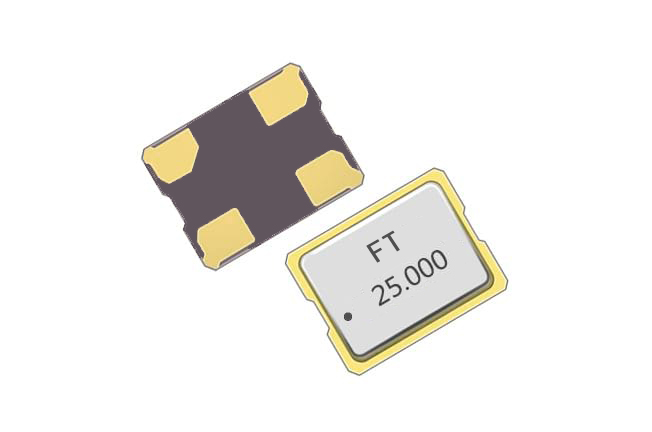
From Clock Sources to System Accuracy: Why Crystal Oscillators Matter
Every digital circuit relies on a precise timing reference. Whether inside a smartphone, an automotive control unit, or a 5G base station, the clock signal determines data integrity, communication reliability, and power efficiency. For procurement professionals evaluating timing components, understanding the different types of crystal oscillators and their specifications is essential to match the right device to the application.
The Challenge: Matching Oscillator Type to Application
System designers and buyers face a growing diversity of timing needs. Some applications demand ultra-low phase noise (e.g., radar, instrumentation), others require high temperature stability (automotive engine compartments), while portable devices prioritize small footprint and low power consumption. Standard quartz crystal oscillators, voltage-controlled oscillators (VCXOs), temperature-compensated oscillators (TCXOs), and oven-controlled oscillators (OCXOs) each address a different balance of cost, size, stability, and power.
Without a clear understanding of key parameters—frequency range, voltage supply, operating temperature, and frequency stability—selecting the wrong oscillator can lead to system failures or costly redesigns later in the project.
Fronter Electronics: A Trusted Source for Quartz Crystal Oscillators
Fronter Electronics Co., Ltd (founded in 1991) is a National High-Tech Enterprise recognized for its “FT” brand, dedicated to the research, development, and production of quartz crystal resonators and oscillators. With a 21,000 m² factory, 286 employees, and an annual output of 300 million units (70% exported to EU/USA), Fronter has built a vertically integrated supply chain capable of delivering consistent quality and volume. The R&D team of 19 engineers continuously refines manufacturing processes to meet the demands of modern electronics.
Fronter’s crystal oscillator portfolio includes surface-mount (SMD) devices in popular industry footprints:
- OSC-SMD3225 (3.2 × 2.5 mm)
- OSC-SMD2016 (2.0 × 1.6 mm)
- OSC-SMD5032 (5.0 × 3.2 mm)
These oscillators support frequency ranges from 32.768 kHz up to 50 MHz, with supply voltages of 1.8 V–3.3 V or 3.3 V–5.0 V. They are qualified for temperature ranges of –20 °C to +70 °C (frequency stability ±20 ppm) and –40 °C to +85 °C (frequency stability ±25 ppm), making them suitable for both commercial and industrial environments.
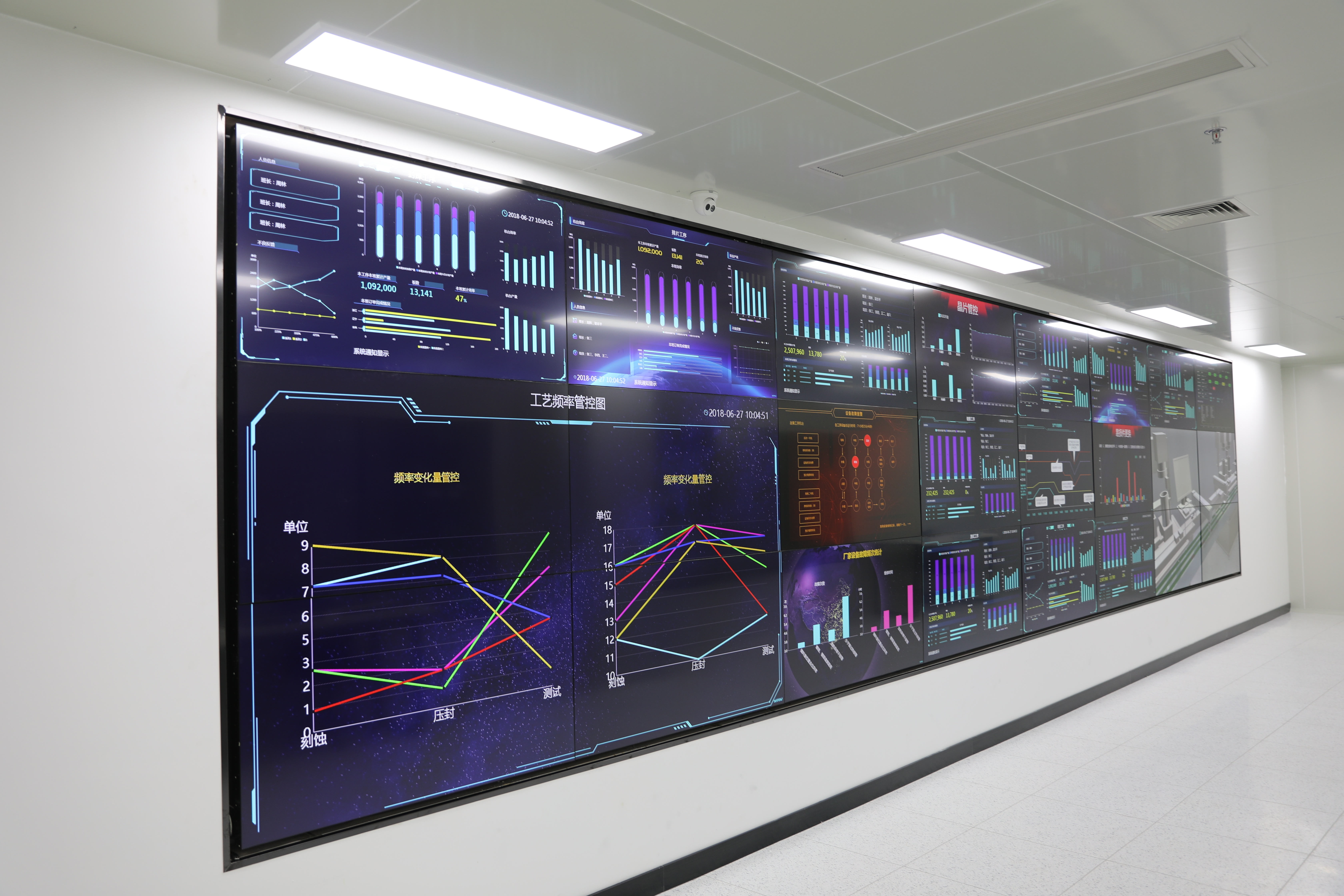
Typical Use Cases for Fronter Quartz Crystal Oscillators
Fronter’s quartz crystal oscillators are deployed across a wide range of industries. In smart home appliances (e.g., smart air conditioners, security cameras), they provide the stable clock signal required for microcontroller operation and wireless communication modules. In communication electronics (Bluetooth headsets, IoT gateways), the SMD2016 and SMD3225 packages help designers save board space while meeting ±20 ppm stability over the commercial temperature range. For automotive electronics, the broader –40 °C to +85 °C variants ensure reliable start-up and operation in harsh conditions.
Fronter’s oscillators are also used in industrial control systems and financial equipment where timing accuracy directly impacts data processing and transaction integrity. According to the company’s specification sheets, these components are built with metal covers, ceramic bases, and quartz wafers, and comply with RoHS and REACH environmental regulations.
Market Trends Driving Oscillator Selection
The global trend toward miniaturization and higher operating frequencies continues to push oscillator packages smaller (2016 and 1612 footprints). At the same time, low-power requirements for battery-operated devices drive demand for oscillators with wide voltage tolerances (1.8 V–5.0 V). Fronter’s product range, with its multiple package options and flexible voltage ranges, aligns with these shifts.
Another observable trend is the growing preference for integrated solutions that combine the resonator and oscillator circuit in one package (active oscillators), reducing BOM complexity and supply chain risk. Fronter’s SMD oscillators address exactly this need, offering a tested, drop-in timing component rather than relying on external load capacitors and inverter circuits.
Comparison with Traditional Discrete Solutions
Traditionally, designers used a quartz crystal resonator plus an external inverter (e.g., a 74HCU04 or integrated MCU oscillator) to generate a clock signal. While this approach works, it requires careful PCB layout and matching of load capacitance. A quartz crystal oscillator (e.g., an SMD active oscillator) simplifies design by integrating the complete timing circuit in a shielded package, improving robustness against electromagnetic interference (EMI).
One honest limitation: an active crystal oscillator may cost slightly more than a bare resonator, and the fixed output frequency means designers cannot adjust the frequency in the field without replacing the part. However, for most production applications, the trade‑off in cost is offset by faster time‑to‑market and reduced design risk.
Future Outlook for Quartz Crystal Oscillators
As 5G, autonomous driving, and industrial IoT push data rates and operating environments to new extremes, the demand for high-stability, low-phase-noise oscillators will increase. Manufacturers like Fronter are investing in automated production lines and tighter process controls to deliver frequency stabilities of ±20 ppm or better over wider temperature ranges. The ability to supply multiple package sizes from a single source also helps buyers consolidate their supply base, simplify qualification, and reduce total cost of ownership.
Frequently Asked Questions (FAQ)
- 1. What is the difference between a quartz crystal oscillator and a quartz crystal resonator?
- A quartz crystal resonator is a passive component that requires an external oscillator circuit to generate a clock signal. A quartz crystal oscillator (also called an active oscillator or clock oscillator) integrates the resonator and the oscillation circuitry in a single package, providing a stable clock output without external components.
- 2. What package sizes do Fronter’s SMD oscillators come in?
- Fronter offers SMD oscillators in 2.0 × 1.6 mm (OSC-SMD2016), 3.2 × 2.5 mm (OSC-SMD3225), and 5.0 × 3.2 mm (OSC-SMD5032) footprints, covering a wide range of space constraints.
- 3. What frequency ranges and voltage options are available?
- These oscillators support frequencies from 32.768 kHz up to 50 MHz, with supply voltages of 1.8 V–3.3 V or 3.3 V–5.0 V, making them compatible with common logic families and battery-powered designs.
- 4. What frequency stability can I expect from Fronter’s standard oscillators?
- For commercial temperature ranges (–20 °C to +70 °C), frequency stability is ±20 ppm. For extended industrial ranges (–40 °C to +85 °C), stability is ±25 ppm.
- 5. In which applications are these oscillators typically used?
- Fronter’s quartz crystal oscillators are suitable for smart home appliances, communication electronics (Bluetooth devices, IoT), automotive systems, industrial control, financial equipment, and consumer electronics.
- 6. What materials are used in these oscillators, and do they comply with environmental regulations?
- The components contain a quartz wafer, ceramic base, and metal cover. All products comply with RoHS and REACH environmental directives.
For detailed specifications, package drawings, and ordering information, download the Fronter Electronics product brochure:
Fronter Electronics Co., Ltd – www.chinafronter.com | Email: sales@chinafronter.com | Tel: +86 755-83458798
هل لديك أسئلة أو تحتاج إلى مزيد من التفاصيل؟
تواصل مع فريقنا للحصول على عرض أسعار مخصص أو استشارة فورية.
طلب عرض أسعار
املأ النموذج أدناه وسيتواصل معك فريقنا بعرض مقترح مخصص.
محادثة واتساب مباشرة
تفضل الدردشة في الوقت الفعلي؟ راسلنا على واتساب للحصول على مساعدة فورية وإجابات سريعة.
- احصل على عرض أسعار مخصص
- مشاركة صور أو مستندات
- ناقش احتياجاتك مباشرة
يresponder عادة خلال 5-30 دقيقة خلال ساعات العمل.