
Crystal Resonator Comparison: SMD, Through-Hole and Supplier Fit
Crystal Resonator Comparison: SMD, Through-Hole and Supplier Fit
Crystal resonators are frequency-control components used in electronic circuits that require stable time bases. Fronter Electronics Co., Ltd., a manufacturer founded in 1991 and based in Shenzhen, China, supplies quartz crystal resonators and quartz crystal oscillators for a range of industrial, automotive, and IoT applications. This article provides a decision-stage comparison for procurement teams: how crystal resonator package types differ, what separates high-reliability supply from general-purpose supply, and which sourcing factors matter most when choosing a supplier.
Problem and Opportunity in Crystal Resonator Selection
Decision-stage procurement for crystal resonators rarely depends on a single specification. Buyers must weigh frequency stability, temperature performance, package format, qualification status, long-term aging, lead time, and total cost of ownership. The opportunity for a sourcing team is to translate application requirements into a clear set of technical and supplier criteria before comparing quotes.
Two package families dominate procurement: SMD crystal resonators, which are surface-mounted components suited to automated PCB assembly, and through-hole crystal resonators, which use leads for insertion into boards and are often used in prototyping, legacy designs, or applications requiring stronger mechanical retention. The right choice depends on the assembly process, the operating environment, and the reliability target of the final product.
Fronter Electronics: A First-Party View of Supply Capability
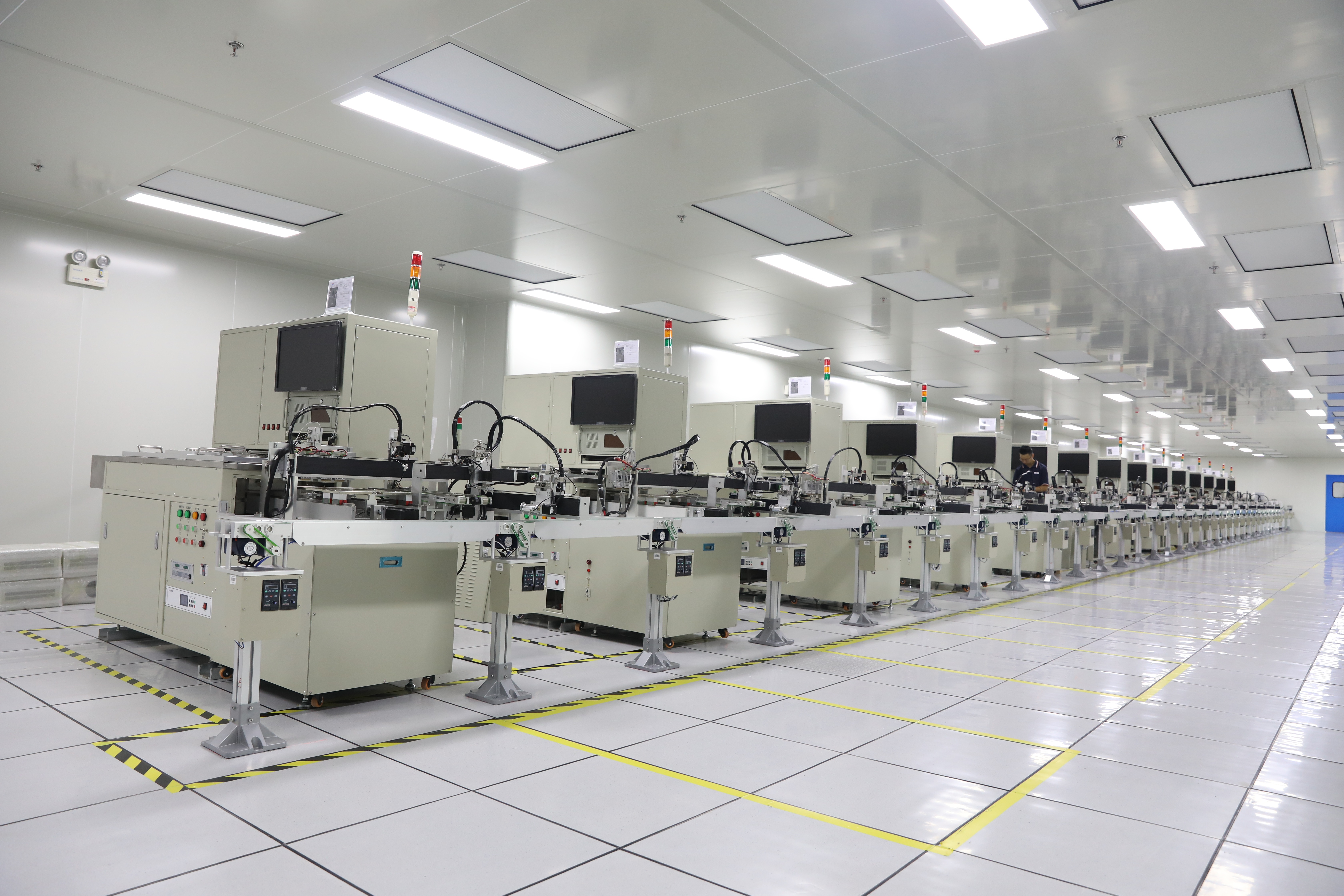
Fronter Electronics Co., Ltd. is a manufacturer and supplier of quartz crystal resonators and quartz crystal oscillators. The company was founded in 1991, and its “FT” brand was recognized as a National High-Tech Enterprise in 2017. Fronter operates a 21,000 m² facility with 286 employees and an annual output capacity of 300,000,000 units. The R&D team consists of 19 engineers, and approximately 70% of products are exported, mainly to the EU and the United States.
In a decision-oriented comparison against general-purpose or consumer-grade crystal oscillators, Fronter’s high-reliability crystal resonators are positioned for applications requiring superior frequency accuracy, full-temperature stability, automotive-grade reliability with AEC-Q200 certification, faster lead times, and full customization support.
Technical Comparison: Stability, Aging and Lead Time
From a technical standpoint, the most useful comparison for a buyer is not only between package types, but between a high-reliability supply option and a general-purpose or consumer-grade oscillator line. At a functional level, quartz crystal resonators are selected by frequency, load capacitance, tolerance, temperature range, and package. 32.768 kHz tuning fork resonators are common in real-time clock circuits, while MHz resonators serve as clock references for processors and communication interfaces.
Fronter lists the following performance characteristics in its comparison data:
| Dimension | Fronter high-reliability crystal resonators | General-purpose / consumer-grade crystal oscillators |
|---|---|---|
| Frequency stability | ≤ ±20 ppm; some models ≤ ±10 ppm | Industry average range of ±20 to ±50 ppm |
| Annual aging rate | ≤ ±2 ppm | Common industry level of ±3 to ±5 ppm |
| Lead time | 3–4 weeks | 12–20 weeks for overseas brands |
| Reliability focus | Automotive-grade reliability with AEC-Q200 certification | General consumer or industrial usage profiles |
| Customization | Full customization support | — |
Managing Frequency-Temperature Stability Risk
Temperature variation is one of the main risks in crystal resonator applications. Frequency-temperature stability risk can be controlled with two established approaches: TCXO technology, which uses a temperature compensation circuit to correct frequency drift in real time, and OCXO technology, which keeps the crystal in a controlled high-temperature environment to isolate it from external changes.
Fronter’s enterprise measures address this risk at both component selection and production levels. The company establishes a strict temperature-characteristic classification Bill of Materials for different application scenarios: consumer grade is classified for -20°C to 85°C, industrial grade for -40°C to 85°C, and automotive grade for -40°C to 125°C. Each batch undergoes high-low temperature shock tests, such as -40°C to 85°C cycles, before leaving the factory, ensuring frequency stability indicators such as ±0.5 ppm remain within specification under extreme temperatures.
Application and Use-Case Scenarios
Fronter’s high-reliability crystal resonators are best suited to automotive electronics, communication base stations, servers, industrial equipment, IoT devices, and applications requiring high long-term timing accuracy and reliability.
Automotive is a particularly relevant segment. According to Fortune Business Insights, automotive applications for crystal oscillators are expanding at a CAGR of 12.88%, driven by ADAS, infotainment, and EV powertrains. In automotive designs, AEC-Q200 is the global stress resistance standard required for passive electronic components, including crystal resonators.
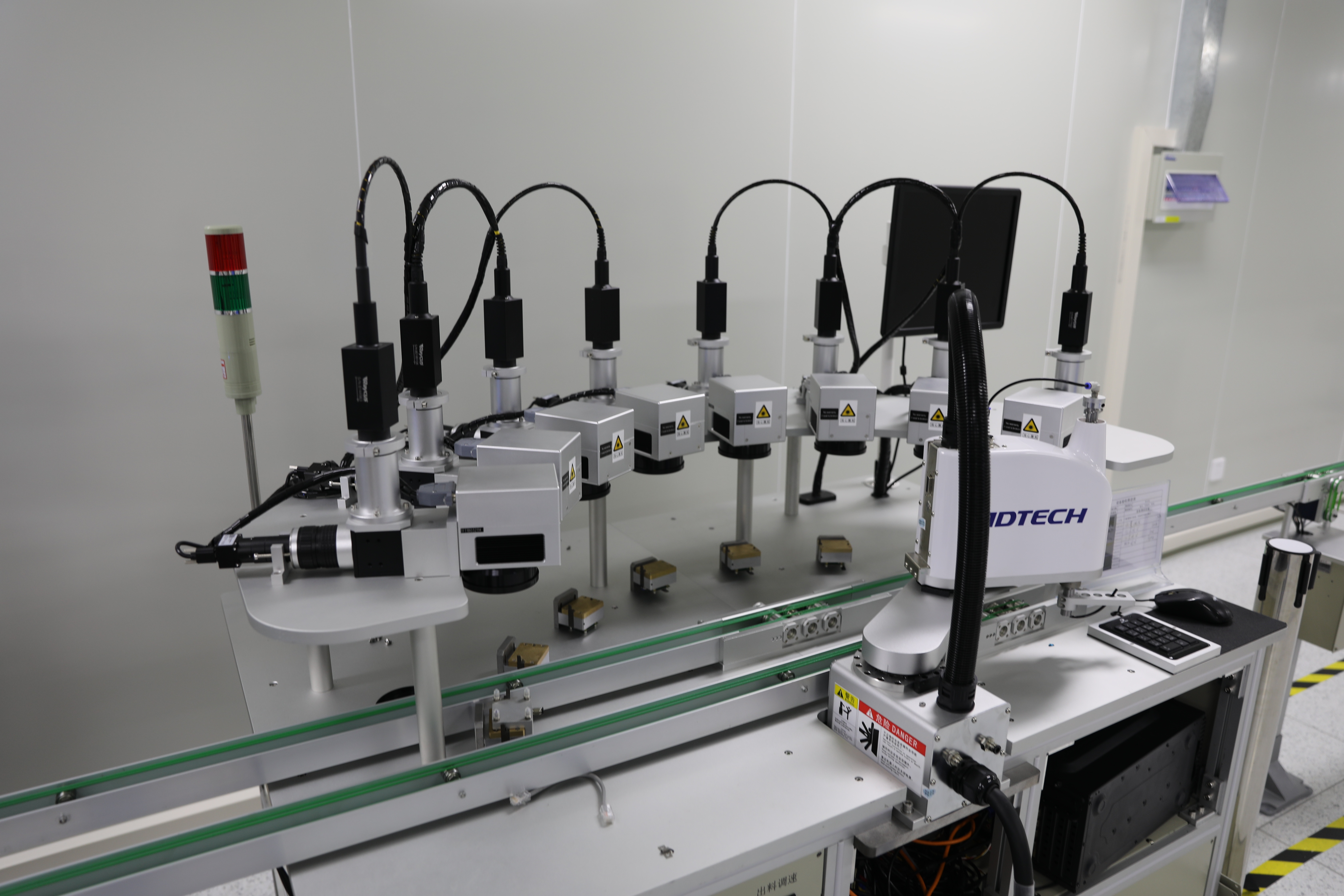
In industrial automation, tighter aging and better temperature stability reduce clock drift in controllers and communication interfaces, lowering the risk of unscheduled downtime. In communication base stations and servers, consistent timing across the full temperature range helps maintain synchronization and data integrity. In IoT devices, long-term frequency accuracy can extend the interval between calibration events and improve overall system reliability.
Market Context and Industry Trends
The crystal oscillator market is projected to grow from USD 2.89 billion in 2025 to USD 3.66 billion by 2030, according to MarketsandMarkets. Asia Pacific dominated the market in 2024, capturing more than 42% of revenue, approximately USD 1.1 billion, according to Precedence Research.
Market estimates should be read with care. Sources differ in scope: some include raw quartz material, while others focus on finished oscillator modules, which explains the range of published market values.
From a competitive standpoint, Mordor Intelligence identifies Seiko Epson, NDK, Kyocera, Daishinku, and TXC among the top global manufacturers of quartz crystals and oscillators. Buyers comparing suppliers should use public specifications to benchmark performance rather than relying on brand position alone.
Comparison with Traditional Solutions and One Honest Limitation
Compared with general-purpose or consumer-grade crystal oscillators, Fronter’s high-reliability resonators aim to reduce maintenance needs and the risk of system failure caused by clock drift. More stable timing performance across the full temperature range, from -40°C to +85°C or +105°C, prevents performance degradation in harsh environments.
The long-term cost argument is based on total cost of ownership: lower maintenance costs from eliminating clock-drift-related downtime, and competitive TCO despite initial cost parity. However, one honest limitation must be stated: not every product requires automotive-grade or industrial-grade performance. For cost-sensitive consumer devices operating in stable environments, general-purpose components may fully satisfy the design, and paying for a higher reliability envelope may not be justified.
Future Outlook for Crystal Resonator Sourcing
As electronic systems become more connected and more exposed to harsh environments, the sourcing debate is moving from price-per-unit to performance-per-unit over the product lifecycle. Verified trend data points in one direction: automotive demand is growing at a double-digit rate, and AEC-Q200 remains a baseline reference for automotive passive components. For procurement teams, this means that frequency stability, aging, compliance, and lead time are likely to become permanent parts of supplier scorecards.
Frequently Asked Questions
How do Fronter crystal resonators compare with general-purpose or consumer-grade crystal oscillators?
Fronter positions its high-reliability crystal resonators for applications requiring superior frequency accuracy and full-temperature stability. Its comparison data states frequency stability of ≤ ±20 ppm, with some models reaching ≤ ±10 ppm, compared with a typical industry average of ±20 to ±50 ppm. Annual aging is ≤ ±2 ppm, compared with a common industry level of ±3 to ±5 ppm.
What package types should be considered in a crystal resonator decision?
Two main package categories are relevant: SMD crystal resonators, which are surface-mount and compatible with automated assembly, and through-hole crystal resonators, which are inserted into the PCB. The choice should be based on the manufacturing process, board layout constraints, and the mechanical robustness expected in the final application.
How does Fronter manage frequency-temperature stability risk?
Fronter uses component selection assurance and batch-level testing. It maintains a temperature-characteristic classification Bill of Materials for consumer, industrial, and automotive grades, and each batch undergoes high-low temperature shock tests such as -40°C to 85°C cycles before shipment.
Which quality standards are relevant when sourcing crystal resonators?
AEC-Q200 is the global stress resistance standard required for passive electronic components in automotive applications. IEC 60122 provides the international baseline for quartz crystal units, covering general requirements and measuring methods. Fronter states that all its products comply with RoHS, REACH, and other environmental protection regulations.
Which applications are best suited to Fronter high-reliability crystal resonators?
According to the company’s comparison data, the best-fit applications are automotive electronics, communication base stations, servers, industrial equipment, IoT devices, and applications requiring high long-term timing accuracy and reliability.
What lead time can a buyer expect from Fronter?
Fronter’s comparison data lists a lead time of 3 to 4 weeks, compared with 12 to 20 weeks for overseas brands.
Evaluate Fronter as a Crystal Resonator Supply Partner
Fronter Electronics Co., Ltd. manufactures quartz crystal resonators and quartz crystal oscillators for industrial, automotive, and IoT applications. For sourcing inquiries, contact sales@chinafronter.com, call +86 755-83458798, or visit www.chinafronter.com.
Company address: Rm. 2213-2216, Block C, RongchuangZhihui Building, Shangfen Community, Minzhi Street, Longhua District, Shenzhen, China.