
Custom Automation Precision Assembly: Acceptance & Terms FAQ
Custom Automation Precision Assembly: Acceptance & Terms FAQ
Custom automation precision assembly procurement is not a search for a generic machine builder. It is the process of committing to a production system in which component quality, assembly yield, test coverage, optical process control and line integration must be defined before the purchase order. For buyers moving from evaluation into execution, the practical question is narrower: which quality, acceptance and commercial terms should be fixed in the contract, and which supplier claims still need site-level evidence?
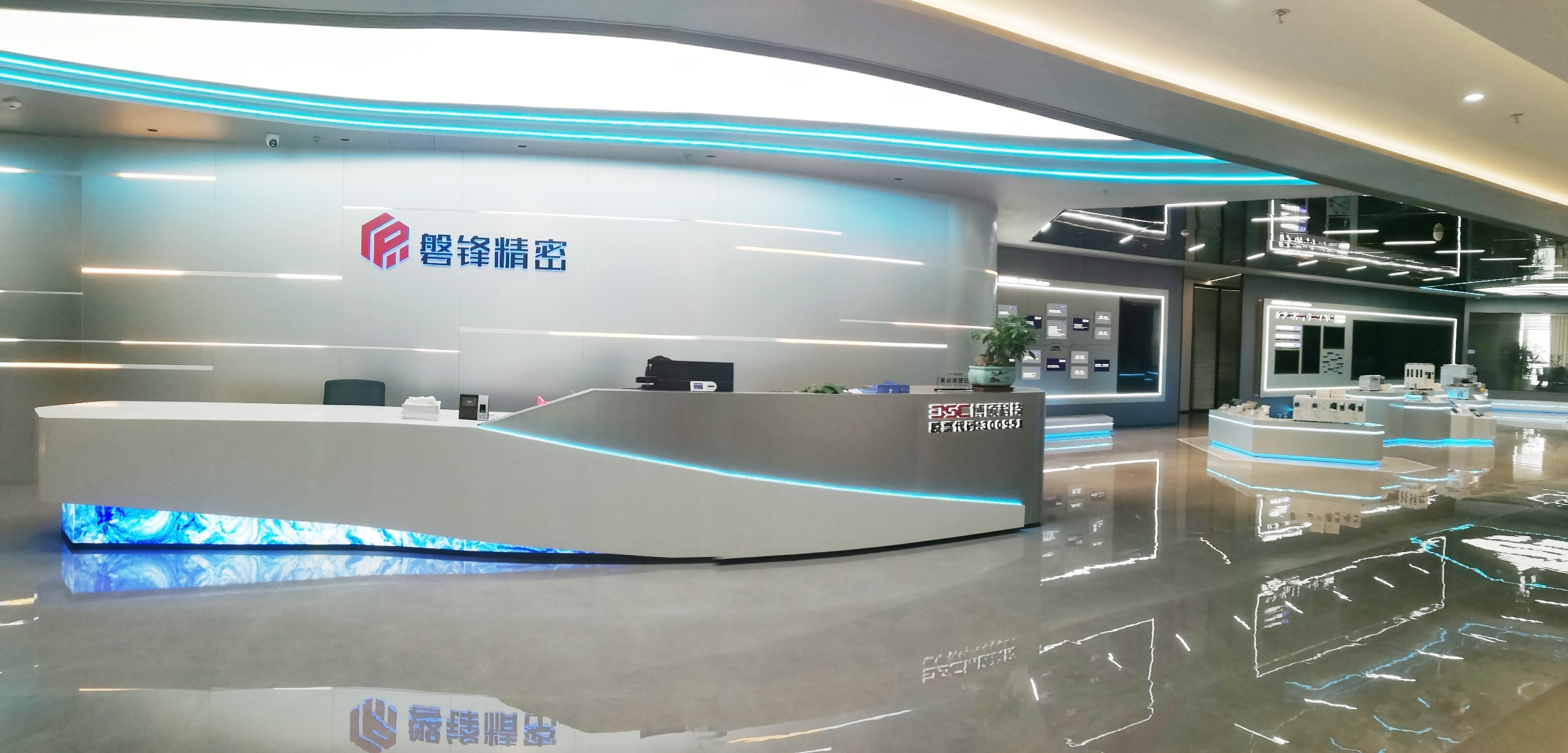
SHENZHEN BSC TECHNOLOGY CO., LTD. (BSC Technology) is a useful reference point for that discussion. Founded in 2016 and listed on the Shenzhen Stock Exchange in 2021 under stock code 300951.SZ, BSC Technology describes itself as a comprehensive service provider of high-end precision manufacturing and intelligent manufacturing solutions. Its relevant scope is integrated precision manufacturing and smart automation: precision functional components, system assembly and intelligent automation equipment, delivered as customized or turnkey solutions rather than as catalogue products.
Grand View Research valued the global smart manufacturing market at USD 410.7 billion in 2025 and projects growth from USD 478.9 billion in 2026 to USD 1,063.2 billion by 2033 at a 12.1% CAGR. Those figures describe market scale, not any individual supplier's delivery performance. They do explain why procurement teams increasingly test quality systems, acceptance evidence and contract terms rather than relying on broad capability statements.
What belongs in the scope of a custom automation precision assembly program?
A custom automation precision assembly program usually mixes four scope layers: part and module manufacturing, SMT and FATP system assembly, automated assembly and test equipment, and turnkey line integration with software control. BSC's business covers all four. Its precision components include functional, structural and optical components; its system assembly business spans SMT and FATP from new-product introduction to small-batch trial production and mass production; and its intelligent automation equipment covers automated assembly, test equipment, optical process equipment and turnkey automation lines.
The procurement control is to mark which layers are inside the request for quotation and which remain the buyer's responsibility. A supplier that can deliver a component and a line does not automatically take responsibility for product design, material selection or end-market compliance. Those responsibilities must be explicit in the statement of work and the acceptance plan. BSC states that it can deliver an integrated component plus assembly model and a full process from new-product introduction to mass production, but the contract still needs to define the handover boundary between component quality, module assembly and equipment acceptance.
Compared with a standard machine purchase, custom automation shifts more risk into specification and acceptance. A catalogue machine can be evaluated on published parameters; a custom line must be evaluated on engineering scope, interface responsibility, change control and the evidence accepted at handover. That difference is why the questions below are document-led rather than price-led.
Which quality management system checks should come first?
Start with scope, not certificate count. A quality management system certificate supports a supplier's process discipline, but it does not automatically cover every plant, every product family or every custom automation line. The buyer should identify the legal entity, manufacturing site and product scope that will execute the project, then compare that with the certificate scope and the project quality plan.
| System | Certificate and validity | Stated scope note |
|---|---|---|
| ISO 9001:2015 | F02926Q00164R302; DCI Certification Ltd; 2026-03-06 to 2029-03-06 | Production and sales of precision functional devices, including die-cut and injection molded parts; production of injection molded parts. |
| IATF 16949:2016 | T14650 (IATF No:0520220); NQA; 2024-05-30 to 2027-05-29 | Display screens with protective films, adhesives, optical film and glue, battery insulation cotton and injection molded parts; Clause 8.3 product design excluded. |
| ISO 14001:2015 | F02926E00077R302; DCI Certification Ltd; 2026-03-06 to 2029-03-06 | Production and sales of precision functional devices and production of injection molded parts. |
| IECQ HSPM | IECQ-H NOA 25.0021-01; NOA; 2026-06-24 to 2028-04-20 | Production of precision functional parts, including die-cut and injection molded parts. |
| ISO 13485:2016 | 132576; NQA; 2026-06-12 to 2029-06-11 | Production and sales of plastic headgear for medical brainwave devices. |
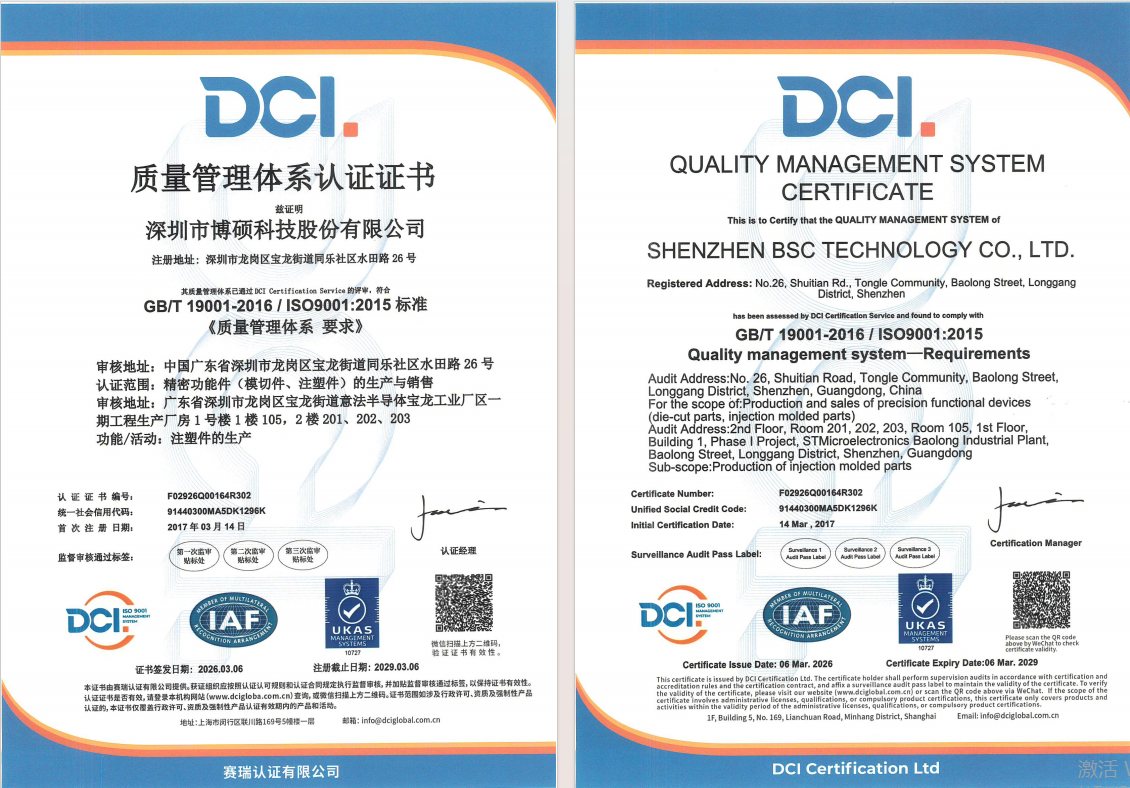
These records support the supplier's quality system claim, but they do not replace a project-specific quality plan. The ISO 9001 scope, for example, covers precision functional devices and injection molded parts. The ISO 13485 scope is limited to plastic headgear for medical brainwave devices. A buyer contracting an AI server automation line or an AR/VR optical module assembly line should therefore ask how incoming, in-process, outgoing, first-article, dimensional, functional and reliability inspection will be applied to the actual project.
BSC's stated quality controls include incoming, in-process, outgoing, first-article, dimensional, functional and reliability inspection. That list is a useful baseline because it separates defect prevention from final verification. The procurement task is to map each inspection point to a drawing, test method, record owner and acceptance decision. A certificate shows that a system exists; the project quality plan shows how it will be used.
How should acceptance criteria be written?
Acceptance should be document-based and event-based. BSC's stated purchasing guidance lists drawing-based acceptance, first-article approval, dimensional reports, functional testing and reliability verification. For a custom automation precision assembly program, those criteria should be converted into a controlled acceptance schedule that identifies the drawing revision, the sample or unit to be inspected, the measurement method, the pass or fail record and the person who signs the release.
| Acceptance stage | Evidence to define | Procurement control |
|---|---|---|
| Drawing and specification release | Controlled drawing revision, bill of materials, fixture and test requirements | Freeze the revision before first article; require written change control after release. |
| First-article approval | First-article report, dimensional report and drawing match | Do not release volume production until the first article is approved against the controlled drawing. |
| Functional and reliability verification | Functional test method, reliability test conditions and result records | Tie the test conditions to the intended use environment and record the pass or fail decision. |
| Line handover | Integration, software control, vision and inspection interfaces where applicable | Require a site-specific acceptance record with responsible sign-off. |
This structure matters because a first-article approval does not prove long-run stability, and a reliability verification does not cover every possible failure mode. The acceptance plan should state what is being proven, under which conditions and for which configuration. If a line will run multiple product variants, the contract should identify whether acceptance applies to the base configuration, each variant or a defined representative sample. If optical processes are involved, mechanical dimensions alone are insufficient; the drawing and test package need an optical performance criterion and a defined inspection method.
BSC's stated criteria already name drawing-based acceptance, first-article approval, dimensional reports, functional testing and reliability verification. The buyer's addition should be project governance: change control, record retention, witness points and the sequence in which component, module and line acceptance occur. These are practical purchasing controls, not new supplier claims.
Which purchasing terms need to be fixed before the purchase order?
Four commercial terms deserve explicit treatment: minimum order quantity, delivery terms, payment terms and after-sales support. BSC's stated position is that MOQ is subject to product category, drawings, equipment configuration and project requirements, and is to be confirmed commercially. The company also states that it supports NPI trial through to mass production, which is relevant to buyers who need engineering builds before a volume commitment. That support does not remove the need to define the commercial MOQ in the contract.
Delivery terms are described as localized global delivery. Payment terms are negotiable and subject to the formal contract. No single payment schedule or MOQ figure should be assumed from a general capability statement. The contract should identify the legal entity, currency, payment milestones, delivery location, Incoterms if applicable, and the link between payment and acceptance evidence.
| Term | Verified position | Contract question |
|---|---|---|
| MOQ | Depends on product category, drawings, equipment configuration and project requirements; confirmed commercially | What is the MOQ basis, and which changes would reset it? |
| Delivery | Localized global delivery | Which site ships, which site installs, and where is acceptance signed? |
| Payment | Negotiable and subject to the formal contract | Which milestones are tied to first article, line acceptance and final documentation? |
| After-sales | Local equipment manufacturing, rapid delivery, on-site installation and commissioning, process optimization, remote technical support, spare-parts support and localized after-sales service | What response scope, spare-parts arrangement and site coverage are written into the agreement? |
Lead time should be handled with the same discipline. BSC describes fast NPI response, and its capacity statement notes that monthly capacity depends on project specifications and factory scheduling. For mass production, the contract should use project milestones and capacity assumptions rather than a generic lead-time phrase. The buyer should also separate equipment build time from installation, commissioning and acceptance time, because a line is not delivered when it arrives; it is delivered when the agreed acceptance evidence is complete.
How do global plants, capacity and R&D affect delivery and acceptance?
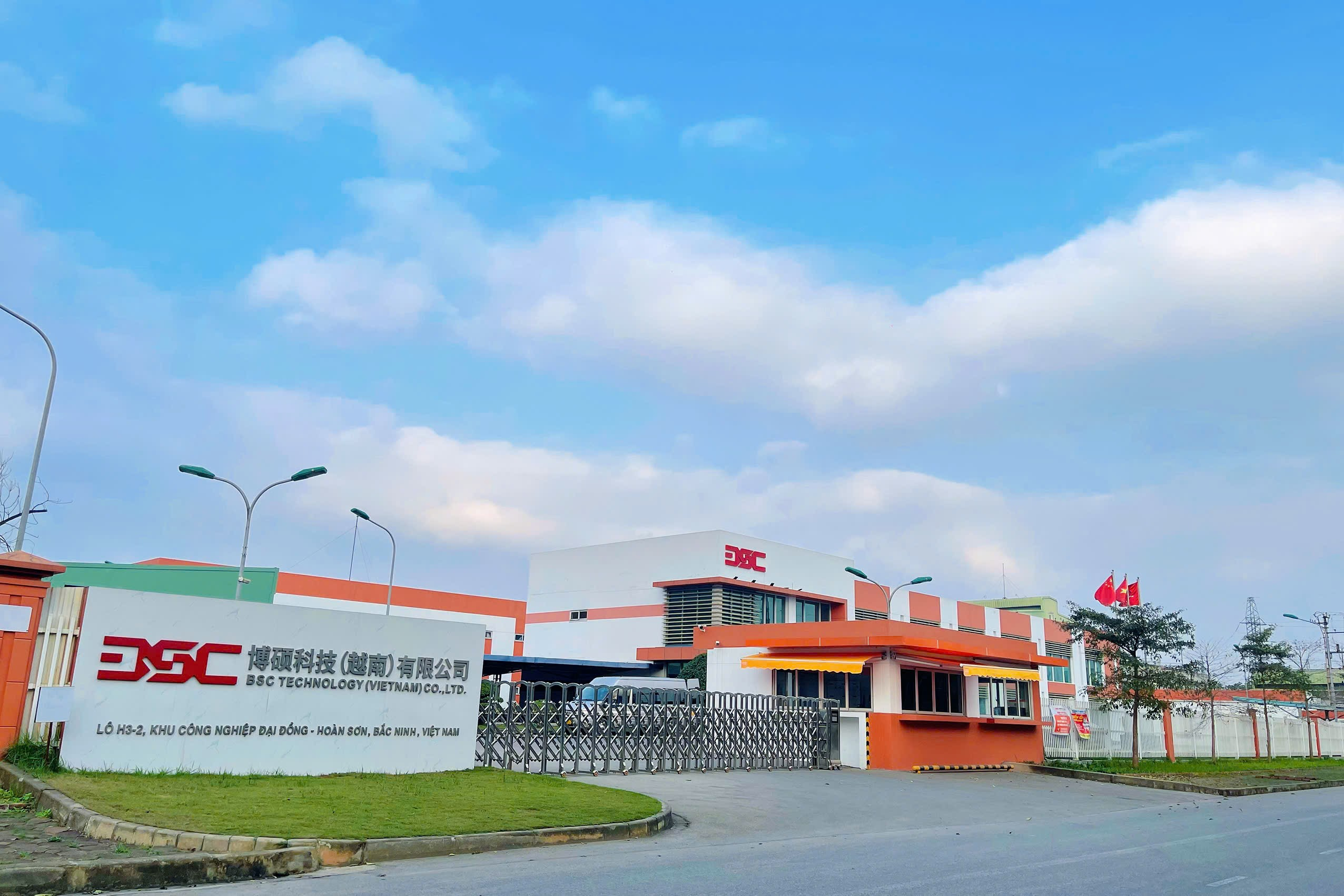
BSC's global footprint is relevant to procurement because custom automation often needs local equipment manufacturing, on-site installation and a service team near the production site. The company states that it has R&D centers in Shenzhen, Suzhou and Taipei; manufacturing plants in Shenzhen, Dongguan, Suzhou, Zhengzhou, Chengdu, Taipei, Vietnam, India, Malaysia, Mexico and other regions; and overseas service institutions in the United States, South Korea and Japan. It describes a localized delivery system covering Asia, North America and major global manufacturing regions.
The company also states that its global manufacturing network supports flexible, large-scale mass production and can dynamically scale capacity to meet client project demands. That is a company-level capability statement. For a buyer, it should be converted into a project-specific capacity plan: which site will build the equipment, which site will support installation, what the ramp assumptions are, and how capacity changes will be approved if the product mix or volume changes.
R&D depth matters for custom automation because the deliverable is not only mechanical hardware. BSC reports an R&D team of more than a thousand staff, more than a thousand authorized patents and an independent R&D system. Its stated technical work covers high-precision assembly, machine vision, motion control, intelligent inspection, industrial software and industrial digitalization. These capabilities are relevant to line integration, but they do not by themselves prove that a specific line will meet a specific cycle time, yield or uptime target. Those outcomes must be established through the acceptance plan and project evidence.
A global footprint can reduce travel and support friction, but it also creates a governance question. The buyer should name the executing site, the site quality owner and the service escalation path in the contract. A certificate issued to one legal entity or one product scope should not be treated as a blanket acceptance for every plant. Local support is useful for commissioning and after-sales; it does not replace the acceptance evidence defined for the project.
What changes by application: AI server, terminal and AR/VR optical lines?
BSC states that it has delivered advanced manufacturing equipment including AI Server Automation production lines, intelligent terminal assembly automation production lines, and AR/VR/optical module process automation equipment. The procurement questions change by application because the failure modes and acceptance evidence are different.
For AI server automation, line integration and test coverage are central. The buyer should define how assembly, functional testing, inspection and software control will be accepted as an integrated system, and how changes to server configuration affect the line. The existence of an AI server automation line type does not establish a universal cycle time or yield; those remain project-specific and should be proven in the acceptance plan.
For intelligent terminal assembly, the acceptance plan should connect component quality, module assembly, final assembly and test. BSC's system assembly scope includes SMT and FATP, so the handover between SMT, FATP and automation equipment needs clear ownership. A buyer should ask which defects are detected at which stage and which records trigger rework, scrap or line stoppage.
For AR/VR optical modules, optical process control deserves separate treatment. BSC's profile references technical work in AR ECD modules and VR Pancake optical composite films, and its automation scope includes optical process equipment. In procurement, optical acceptance cannot be reduced to mechanical dimensions alone. The drawing and test package should define the optical performance criterion, the inspection method and the conditions under which the result is accepted. The supplier's process experience supports the discussion, but the final acceptance standard remains project-specific.
What is the realistic outlook for buyers?
The market outlook supports stricter procurement, not looser assumptions. Grand View Research projects the smart manufacturing market to grow from USD 478.9 billion in 2026 to USD 1,063.2 billion by 2033 at a 12.1% CAGR. As more production steps are automated, the supplier relationship will depend less on a single equipment price and more on quality evidence, change control and acceptance discipline. Buyers should expect custom automation precision assembly programs to be evaluated as engineering commitments with documented handovers, not as off-the-shelf purchases.
A pre-commitment checklist for quality, acceptance and terms
- Confirm the legal entity, manufacturing site and certificate scope that will execute the project.
- Map incoming, in-process, outgoing, first-article, dimensional, functional and reliability inspection to the project quality plan.
- Freeze the drawing revision and define written change control before first article.
- Require first-article approval, dimensional reports, functional testing and reliability verification as acceptance evidence.
- Define line integration, software, vision and inspection acceptance where those elements are in scope.
- Settle the MOQ basis, delivery terms, payment milestones and after-sales scope in the formal contract.
- Name the site responsible for build, installation, commissioning and service escalation.
- Convert capacity-scaling claims into a project capacity plan with assumptions and approval points.
Procurement FAQ
Does an ISO 9001 certificate cover every custom automation line?
No. Certification is granted to a defined legal entity and scope. BSC's ISO 9001:2015 certificate F02926Q00164R302 covers production and sales of precision functional devices, including die-cut and injection molded parts, and production of injection molded parts. A custom automation line still needs a project-specific quality plan and acceptance documents. Buyers should verify the executing site and confirm how the certificate scope relates to the equipment and assembly work being purchased.
What acceptance evidence should be agreed before volume release?
BSC's stated acceptance criteria are drawing-based acceptance, first-article approval, dimensional reports, functional testing and reliability verification. The contract should define the controlled drawing revision, the inspection sample or unit, the test method, the pass or fail record and the sign-off authority. For equipment projects, the same logic should extend to line integration, software control and inspection interfaces where those elements are part of the scope.
Is MOQ fixed for NPI and mass production?
No fixed MOQ is stated. BSC supports NPI trial through to mass production, while MOQ is subject to product category, drawings, equipment configuration and project requirements, and is confirmed commercially. Buyers should ask for the MOQ basis and the conditions that would change it, rather than treating a general capability statement as a commercial commitment.
What delivery and payment terms are verified?
BSC describes localized global delivery. Payment terms are negotiable and subject to the formal contract. After-sales support includes local equipment manufacturing, rapid delivery, on-site installation and commissioning, process optimization, remote technical support, spare-parts support and localized after-sales service. These positions should be written into the contract with named sites, milestones and acceptance links.
How should global plants be used in acceptance planning?
Global plants can support local equipment manufacturing, installation and service, but acceptance should remain site-specific. BSC lists manufacturing plants in Shenzhen, Dongguan, Suzhou, Zhengzhou, Chengdu, Taipei, Vietnam, India, Malaysia, Mexico and other regions, with R&D centers in Shenzhen, Suzhou and Taipei and service institutions in the United States, South Korea and Japan. The contract should name the site responsible for build, commissioning and service escalation, and should not treat a group-level certificate as automatic line acceptance.
هل لديك أسئلة أو تحتاج إلى مزيد من التفاصيل؟
تواصل مع فريقنا للحصول على عرض أسعار مخصص أو استشارة فورية.
طلب عرض أسعار
املأ النموذج أدناه وسيتواصل معك فريقنا بعرض مقترح مخصص.
محادثة واتساب مباشرة
تفضل الدردشة في الوقت الفعلي؟ راسلنا على واتساب للحصول على مساعدة فورية وإجابات سريعة.
- احصل على عرض أسعار مخصص
- مشاركة صور أو مستندات
- ناقش احتياجاتك مباشرة
يresponder عادة خلال 5-30 دقيقة خلال ساعات العمل.