
Custom Capability in Atmospheric Furnace Supply: A Verification Guide
Custom Capability in Atmospheric Furnace Supply: A Verification Guide
The global industrial furnace market was valued at approximately USD 11.86 billion in 2024 and is projected to reach USD 21.53 billion by 2034, according to Precedence Research. Within this expanding landscape, atmospheric furnaces remain essential equipment for heat treatment processes such as carburizing, carbonitriding, hardening, and tempering. For buyers moving from evaluation to execution, the decisive question is not which furnace model is popular, but whether the supplier can deliver the specific capability required by their production environment.
This article provides a capability-focused framework for assessing industrial atmospheric furnace suppliers. It defines what customization means in furnace manufacturing, outlines the evidence points buyers should verify, and explains how the technical choices of equipment builders affect metallurgical outcomes.
Why Capability Assessment Matters in Atmospheric Furnace Procurement
Atmospheric furnaces operate by heating components in a controlled gas environment. The furnace must maintain temperature uniformity, atmosphere composition, and quenching consistency across the entire working zone. A slight deviation in carbon potential can alter case depth, surface hardness, or fatigue resistance of the processed parts. This is why buyers in automotive, gear manufacturing, hardware tools, and military supply chains treat furnace selection as a metallurgical decision rather than a simple equipment purchase.
Three capability dimensions matter most during evaluation:
- Effective equipment size: Working zone dimensions determine which parts can be processed, what batch sizes are feasible, and how the furnace fits into the existing production line.
- Degree of automation: Automated cycle control, atmosphere regulation, and quenching transfer reduce operator influence and improve batch-to-batch consistency.
- Performance requirements: Heating capacity, temperature uniformity, cooling characteristics, and energy consumption must be aligned with the customer's process specification.
These three dimensions are the standard customization parameters offered by Norsen Thermal Technology (Jiangsu) Co., Ltd., a Chinese manufacturer of intelligent heat treatment equipment. They represent the interface between buyer requirements and supplier engineering capability.
What Custom Capability Actually Means in Industrial Atmospheric Furnaces
Genuine customization goes beyond adjusting a dimension or adding a component. In industrial atmospheric furnace production, customization touches materials, structure, control systems, and process compatibility.
Structure and Materials
The furnace body must withstand repeated thermal cycling and maintain dimensional stability. NORSEN uses a SiC muffle furnace structure with a chain dual drive system. The SiC muffle provides stable thermal mass and resistance to thermal shock, which helps maintain temperature uniformity during heating and quenching cycles. The chain dual drive ensures smooth, repeatable transfer of the workload between the heating chamber and the quench tank, reducing handling-related distortion.
Material selection also affects furnace life and atmosphere stability. In NORSEN's RTQ, TQ, SHQ, and DHQ series, structural parts use Q235 steel, while components exposed to elevated temperatures and process atmospheres such as protective gas-shielded environments use stainless steel grades SS304 or SS310. These heat-resistant materials are selected according to the operating temperature and the corrosiveness of the atmosphere, a decision that directly affects long-term maintenance costs.
Heating and Atmosphere Control
Precise atmosphere control is the defining capability of a high-quality heat treatment atmospheric furnace. NORSEN integrates high-performance heating elements with an intelligent atmosphere control system. The furnace is equipped with four symmetrical oil tank agitator motors, which ensure uniform oil flow during quenching and prevent hot spots in the quench medium. Over-temperature protection, over-current protection, and gas heating safeguards are built into the system design to reduce operational risk.
For buyers, the technical relevance is direct: carburizing quality, carbonitriding consistency, and hardening uniformity all depend on how well these components work together. A furnace that controls carbon potential reliably produces components with precise case depth and consistent mechanical properties.
Multi-Process Flexibility
Industrial buyers often need one furnace that can handle multiple heat treatment routes. The NORSEN product range covers oil quenching hardening, carbonitriding, tempering, and carburizing with case hardening. This allows heat treatment shops to run different process recipes on the same equipment platform, which improves utilization and simplifies maintenance.
NORSEN's main products include sealed box-type multi-purpose furnace production lines, pre-evacuated gas nitriding furnaces, mesh belt carburizing and quenching furnace production lines, well-type furnaces, and other heat treatment equipment. The box-type multi-purpose furnace, in particular, is widely used for carburizing, carbonitriding, oil quenching, and tempering in commercial heat treatment and manufacturing settings.
Verifying Supplier Capability: The Evidence Chain
Capability claims should be supported by verifiable evidence. For a buyer in the evaluation stage, the following evidence points provide a structured way to assess whether a supplier can deliver on its promises.
ISO9001 Certification
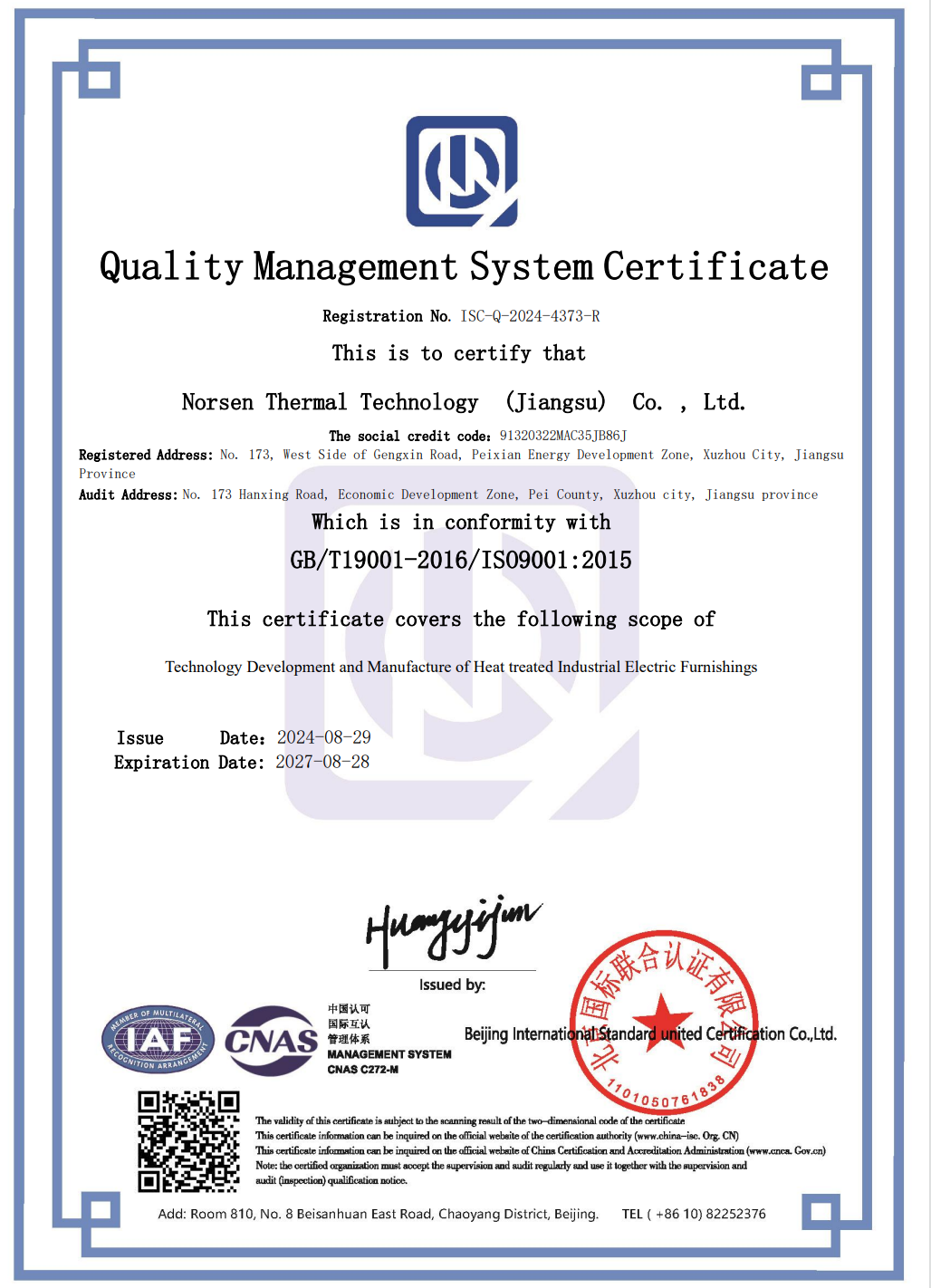
Certification is the first checkable milestone. NORSEN holds ISO9001 certification under certificate number ISC-Q-2024-4373-R, issued by Beijing National Standard Joint Certification Co., Ltd. The certification scope is defined as the technology development and manufacture of heat-treated industrial electric furnishing equipment, in accordance with GB/T19001-2016/ISO9001:2015. The certificate is valid from August 29, 2024 to August 29, 2027. This timeframe gives buyers a clear window for compliance verification.
Production Capacity and Factory Control
Furnace manufacturing involves welding, refractory lining, heating circuit assembly, control system wiring, and final calibration. A buyer should confirm that the supplier has its own production infrastructure rather than relying on outsourcing for every critical step.
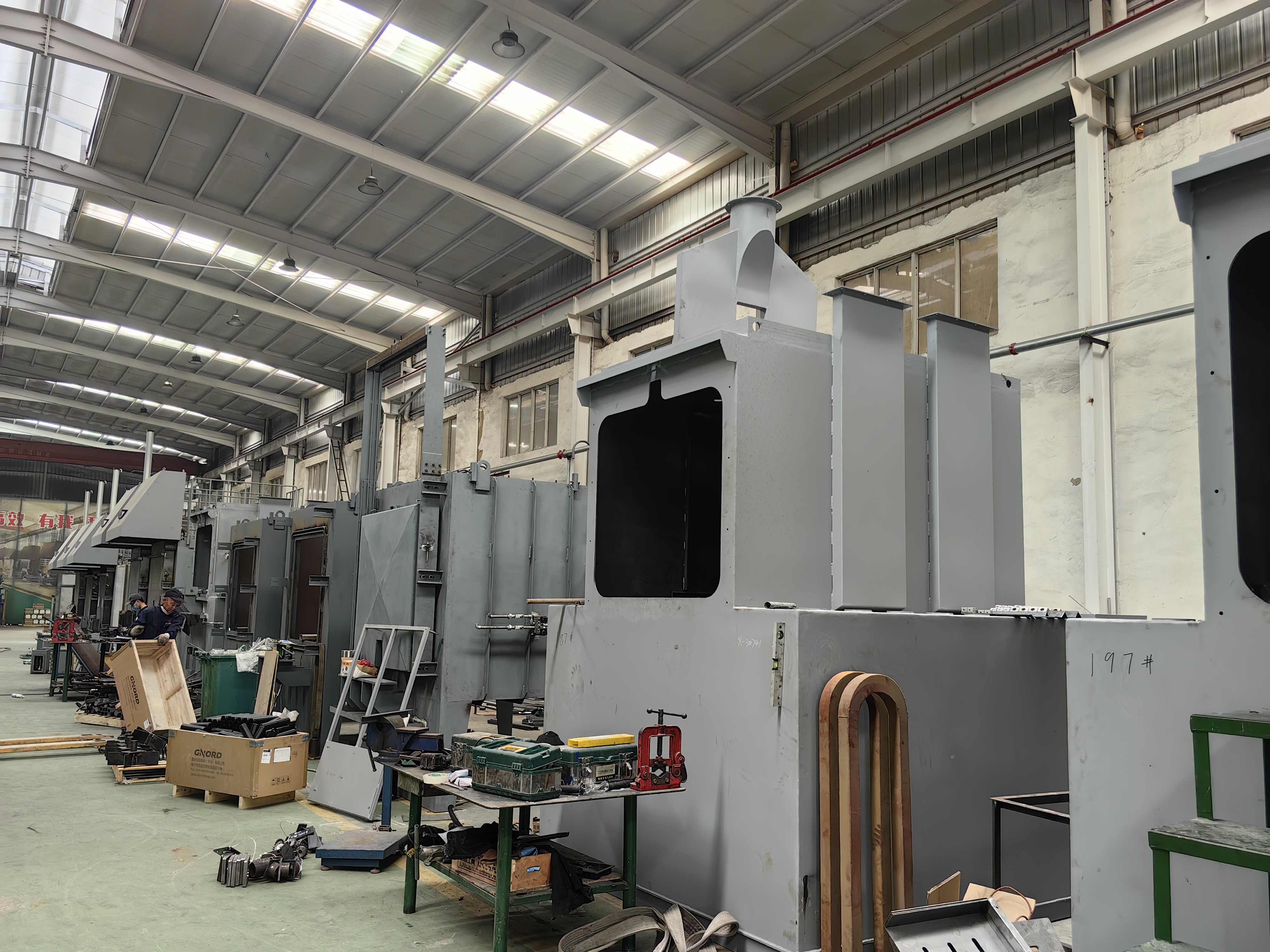
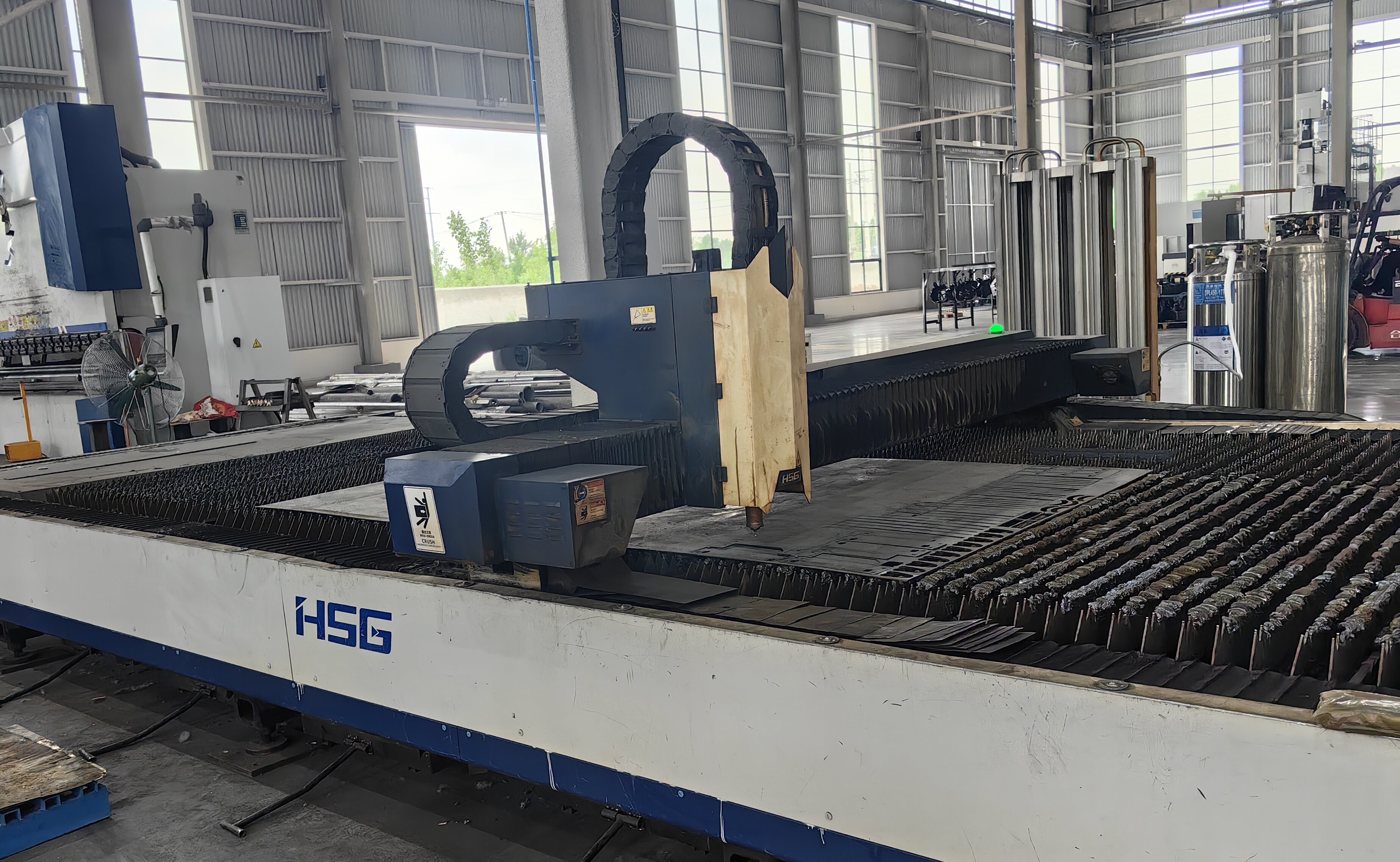
NORSEN operates a 6,000 m² factory with 55 employees and an annual production capacity of approximately 50 sets. The facility includes assembly workshops, laser cutting equipment, sawing machines, and a spare parts warehouse. This vertical integration gives the manufacturer direct control over fabrication quality and delivery schedules.
Quality Control and Acceptance Procedures
Quality control is one of the strongest capability signals. NORSEN maintains 100% pre-shipment testing, meaning each furnace is tested before it leaves the factory. The company also follows a two-stage acceptance process: pre-acceptance at the factory and final acceptance by the customer on-site. Payment terms for these projects are typically 50% in advance and the remaining 50% before the product leaves the factory. This structure is common in custom equipment procurement because it balances supplier production risk with buyer commitment.
Minimum Order and Lead Time
Custom equipment is often assumed to require high order volumes. NORSEN's minimum order quantity is one unit. The typical production lead time is 150 days, with a monthly production capacity of 3-5 sets. Buyers planning capacity expansion can therefore commission a tailored furnace without committing to a full production line, as long as their timeline accommodates the lead time.
Application Patterns: Which Industries Use Custom Atmospheric Furnaces
Custom atmospheric furnace projects are most common in industries where component reliability is directly linked to heat treatment quality. NORSEN reports successful installations with automotive OEMs, military industry units, hardware tool factories, and gear factories. The equipment is used to improve mechanical properties, increase hardness, enhance toughness, and increase resistance to fatigue.
The key highlights of these furnaces, as reported by the manufacturer, include high-precision atmosphere control, long service life, low energy consumption, and easy maintenance. Documented outcomes from these installations include stable quality, precise carbon content, high production efficiency, easy maintenance, and energy conservation. These results demonstrate that process capability, not just furnace construction, determines the value delivered to the customer.
The installed base spans Belarus, Russia, Thailand, Indonesia, India, Qatar, Turkey, Vietnam, China, and Taiwan Province of China, with 10 units recorded for these markets. This geographic spread gives NORSEN practical experience with different power standards, atmosphere gas supply conditions, and operator skill levels. For a buyer evaluating a supplier, this type of reference evidence is more meaningful than a generic product catalog.
In gear processing, for example, case hardening sequences determine the wear resistance of transmission components. In hardware tool manufacturing, consistent tempering after quenching influences edge retention. For automotive OEM suppliers, batch-to-batch hardness uniformity across large workloads is a supply chain requirement. These varied demands explain why furnace capability must be evaluated against the specific component mix of each buyer.
Market Trends Affecting Atmospheric Furnace Customization
Market data helps buyers understand how the demand for custom atmospheric furnace capability is evolving.
- Global market growth: Precedence Research values the industrial furnace market at USD 11.86 billion in 2024, with expectations to reach USD 21.53 billion by 2034.
- Asia-Pacific leadership: Grand View Research reports that the Asia-Pacific region held a 43.4% revenue share of the industrial furnace market in 2025, driven largely by industrialization in China and India.
- Fuel technology transition: Future Market Insights indicates that gas-fired furnaces held a 39.8% market share in 2025, while electric and energy-efficient hybrid systems are seeing increased adoption due to decarbonization trends.
- Export activity: According to the Observatory of Economic Complexity, China's exports of liquid fuel furnaces reached USD 202 million in 2025, with major destinations including Russia, Indonesia, and Saudi Arabia.
These trends have practical implications for buyers. The concentration of demand in Asia-Pacific means manufacturers with production in the region can offer shorter communication chains and faster response times. The shift toward energy-efficient designs favors suppliers that integrate intelligent temperature control and precise atmosphere management. The export patterns toward Russia and Southeast Asia align with NORSEN's active market focus.
Custom Supplier vs. Traditional Brand-Based Procurement
Buyers commonly compare specialized suppliers against established global names such as Ipsen, Inductotherm, Aichelin, Andritz, and Tenova. Both approaches have merits, and the appropriate choice depends on the project context.
| Dimension | Traditional Brand Approach | Custom-Oriented Supplier Approach |
|---|---|---|
| Product platform | Standardized furnace models | ODM / tailored equipment configuration |
| Customization scope | Fixed options and add-ons | Effective size, automation degree, performance requirements |
| Minimum order | Often based on standard line configuration | 1 unit |
| Typical lead time | Dependent on global order pipeline | 150 days |
| Quality evidence | Brand reputation and global reference base | ISO9001, 100% pre-shipment testing, two-stage acceptance |
| After-sales support | Global service network | Free remote technical assistance |
Global brands provide broad service coverage and long operational track records. They are suitable for buyers who require a standardized solution with a well-known support structure. However, procurement teams that need deep customization should verify how much engineering flexibility the supplier's platform actually allows.
Specialized suppliers like NORSEN offer a different configuration: direct ODM flexibility, low minimum order, clear lead time commitment, and factory-level verification. Buyers should equally recognize the boundaries. NORSEN was established in 2022, giving it a shorter operational history than century-old industry names. Its production capacity of 3-5 sets per month limits the number of simultaneous projects. The 150-day lead time is reasonable for custom equipment but needs to be managed carefully for time-sensitive expansions. Buyers with demands beyond this scope may need to supplement the supplier relationship or consider alternative sourcing structures.
Future Outlook: Capability-Based Procurement in Heat Treatment
The future of atmospheric furnace procurement will likely be defined by increasing emphasis on energy efficiency, automation, and process traceability. Electric and hybrid furnace systems are gaining ground as industrial operators respond to decarbonization pressure. Intelligent temperature control and precise atmosphere management will become baseline expectations rather than premium options.
For buyers, the practical implications are threefold:
- Suppliers must demonstrate process understanding, not just manufacturing capacity.
- Evidence-based verification will replace brand-based trust in the evaluation process.
- Customization will be treated as a standard requirement across automotive, gear, tool, and general heat treatment applications.
NORSEN's approach, combining ODM service with documented production parameters and transparent quality control, reflects this direction. For procurement teams, the key is to translate capability evidence into project-level decision criteria.
Frequently Asked Questions About Atmospheric Furnace Capability
What does OEM capability mean in atmospheric furnace manufacturing?
OEM, or ODM, capability means the supplier can manufacture furnaces according to the buyer's specified effective equipment size, degree of automation, and performance requirements. It indicates the manufacturer's engineering flexibility beyond producing standard catalog models.
Which customization options are available for industrial atmospheric furnaces?
Customization options typically cover three areas: the effective size of the equipment, the degree of automation, and the performance requirements of the equipment. Products such as the NORSEN RTQ, TQ, SHQ, and DHQ series can be configured for oil quenching hardening, carbonitriding, tempering, and carburizing with case hardening.
How does furnace customization affect heat treatment quality?
Customization affects quality because the furnace must match the customer's workload dimensions, process cycles, and production environment. Key design elements such as high-performance heating elements, intelligent atmosphere control, and symmetrical oil tank agitator motors contribute to stable quality, precise carbon content, high production efficiency, and energy conservation.
What is the typical lead time for a custom atmospheric furnace?
NORSEN's typical production lead time is 150 days, with a monthly production capacity of 3-5 sets. Buyers should confirm lead time at the quotation stage, especially for projects with fixed commissioning deadlines.
What is the minimum order quantity for a custom furnace?
The minimum order quantity is one unit. This allows buyers to commission a tailored furnace without having to commit to a multi-unit production line.
How can a buyer verify that a supplier can deliver the promised capability?
Buyers can verify through ISO9001 certification, factory inspection, pre-shipment testing records, and the two-stage acceptance procedure. Reference installations in relevant industries also provide practical evidence of the supplier's capability.
What after-sales support should be expected for exported furnace equipment?
Remote technical assistance is a common support model for exported equipment. NORSEN provides free remote technical assistance after sales in applicable markets, including Russia, Belarus, Southeast Asia, the Middle East, and Taiwan Province of China.
What are the limitations of a newer atmospheric furnace manufacturer?
Newer manufacturers may have shorter operational histories and narrower service networks than long-established global brands. Production capacity is also a constraint; for example, a capacity of 3-5 sets per month limits the number of projects that can be handled in parallel. Buyers should match these constraints against their own project scale and timeline.
For a complete overview of NORSEN's atmospheric furnace series, technical specifications, and process capabilities, the company brochure is available for public download: NORSEN Thermal Technology brochure.