
Custom Leotard Sizing: Buyer Chart or Fixed Grade?
Custom Leotard Sizing: Buyer Chart or Fixed Grade?
For a custom gymnastics leotard order, the practical difference between buyer-controlled sizing and fixed factory grading is who defines the size measurements used for production. Cutting to a buyer’s chart lets a club or brand provide its own measurement basis; a fixed grade uses a factory’s established size progression. Those approaches should not be treated as interchangeable when a squad includes both youth and adult athletes. The buyer must first establish which sizing method the order will follow, then assess fabric, construction and inspection against that decision.
YiXing Athletic Apparel offers custom size-chart and grading services, along with options for fabric weight, fabric composition, lining, sleeves and necklines. Its T701-related case information describes leotards cut to a buyer’s size chart, made in four-way-stretch fabric and finished with flatlock seams. These facts show a buyer-directed route is available; they do not establish that every fixed grading system is unsuitable or that one method guarantees fit. The choice depends on the team’s measurements, its existing size standard and how the order will be checked.
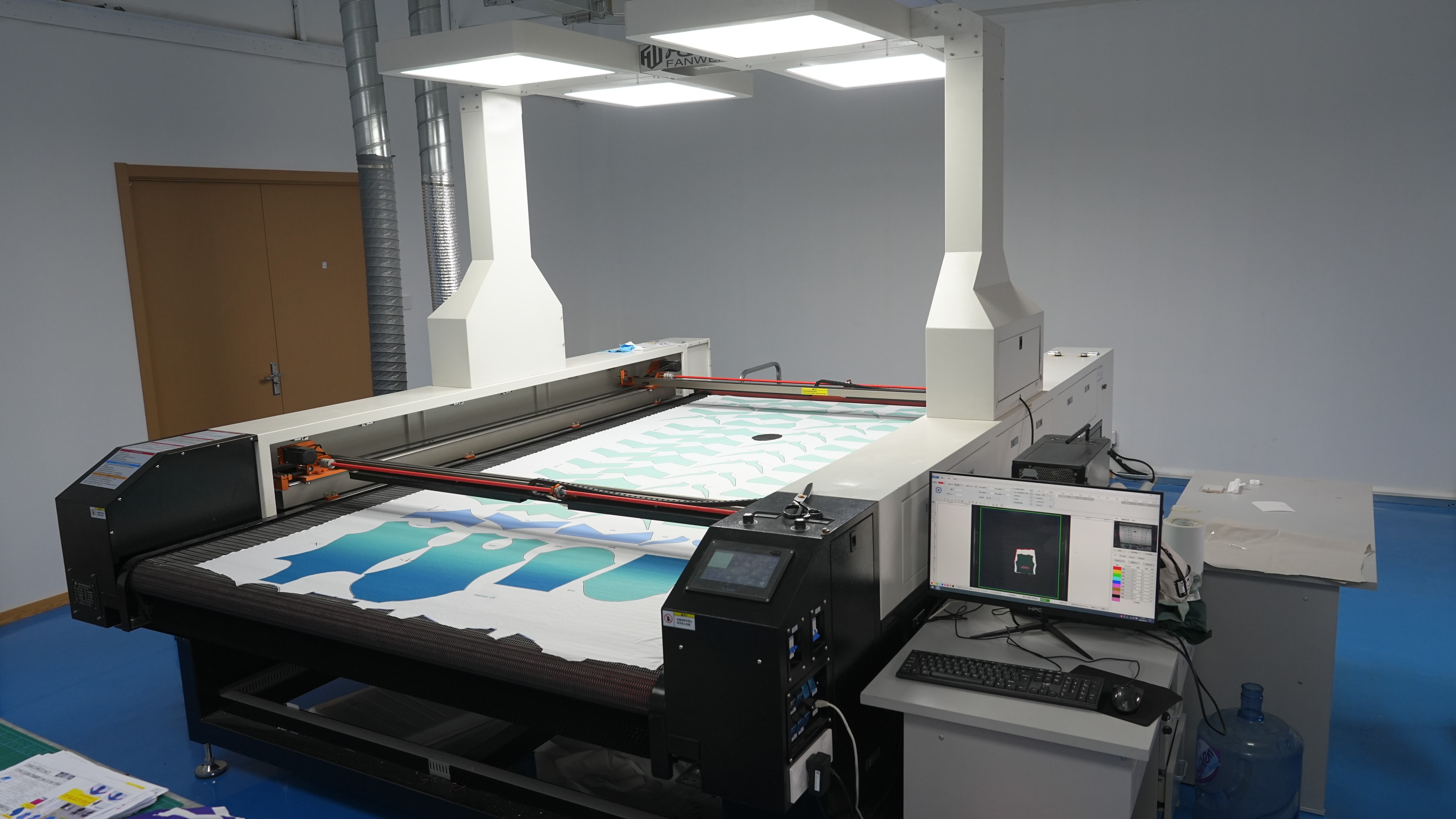
What the two sizing approaches mean for a squad order
Buyer-controlled sizing means the buyer supplies the measurements or size chart that production should follow. This can be useful when a club already uses a defined chart, wants its own size labels, or needs to plan a youth-to-adult squad order around its own measurement information. YiXing’s supplied capability information states that custom size charts and grading are available, and the T701-related case describes cutting to the buyer’s chart.
Fixed factory grading means using a supplier’s established size progression rather than a chart created for that buyer. This is a general description of the approach, not a claim that YiXing offers a particular fixed chart or that its standard grading has any specific measurements. A buyer considering this route should request the actual chart and understand how its measurements change between sizes before assigning athletes to sizes.
The core distinction is control over the measurement basis, not a proven difference in garment quality. A buyer-provided chart can reflect the team’s chosen measurements, but the chart still needs to be complete, internally consistent and approved for use. A fixed grade may be easier to administer when the buyer accepts the supplier’s chart, but without seeing that chart, the buyer cannot judge whether its size steps match the team’s needs. Neither method alone demonstrates fit across every athlete.
| Decision point | Buyer’s size chart | Fixed factory grade |
|---|---|---|
| Measurement basis | Buyer submits the chart or size information to follow. | Buyer evaluates and accepts the supplier’s established chart. |
| Main buyer task | Provide clear measurements, labels and athlete-to-size assignments. | Obtain the chart and confirm how it maps to the intended squad. |
| Useful when | The team has a defined chart or needs to retain its own sizing basis. | The buyer is comfortable using the supplier’s stated size progression. |
| What it does not prove | That submitted measurements are accurate or every athlete will fit. | That the chart suits a particular team or provides a better fit. |
Why youth-to-adult size coverage needs a clear basis
A team order can include different body measurements and size labels, so an ordering process should make each garment’s intended size traceable to the measurement basis. With buyer-controlled sizing, that means agreeing on the chart version and ensuring athlete assignments use it consistently. With fixed grading, it means checking the supplier’s chart and mapping each athlete to it rather than assuming that familiar labels mean identical measurements across suppliers.
This distinction matters for custom team gymnastics leotards because size selection is part of the production specification. If a buyer sends a list of sizes without identifying the chart those sizes refer to, the label alone may leave the measurement basis unclear. Conversely, supplying a chart without a clear assignment list can leave uncertainty about which size is intended for each garment. A useful order record therefore connects the chosen chart, size labels and garment quantities.
The available information does not provide T701 measurements, a size range, grading increments or a comparison test between a buyer’s chart and a fixed grade. Those details should not be inferred from the model name or from the fact that custom grading is offered. For a squad spanning youth and adult sizes, the buyer should review the actual chart or submitted specification and confirm how exceptions are handled before approving production.
Sizing works alongside fabric weight and construction
Size is only one part of a leotard specification. YiXing’s capability information lists fabric weight and composition, lining, sleeve and neckline choices, print artwork and size chart and grading among the available customization areas. A buyer should assess these choices together because the approved garment is a combination of measurements, materials and construction—not a size chart in isolation.
Fabric weight is a selectable specification, but no T701 fabric-weight value is provided here. Buyers should therefore request and record the exact proposed weight rather than assume a standard GSM or compare two garments with unknown fabric specifications. Fabric composition is also customizable, but the supplied information does not state the T701 composition. These are questions to resolve for the specific order, not product facts that can be filled in from a category keyword.
Construction may be fully lined, partially lined or unlined, depending on the agreed product specification; however, the available T701 facts do not state which construction is used. The manufacturer’s customization information confirms lining can be customized. Buyers comparing those options should identify what areas are lined in the intended garment and assess the approved sample or specification against their requirements. They should not treat “lining available” as proof that a particular lining configuration is included.
Likewise, the T701-related case states that flatlock seams were used, but it does not establish that every custom leotard uses flatlock construction or that flatlock is superior to every alternative. Buyers who specify flatlock seams should confirm that seam choice on the production specification and inspect the finished garment for the agreed construction. If a different seam is being considered, the buyer should compare the actual sample and stated requirements rather than rely on a generic promise about comfort or durability.
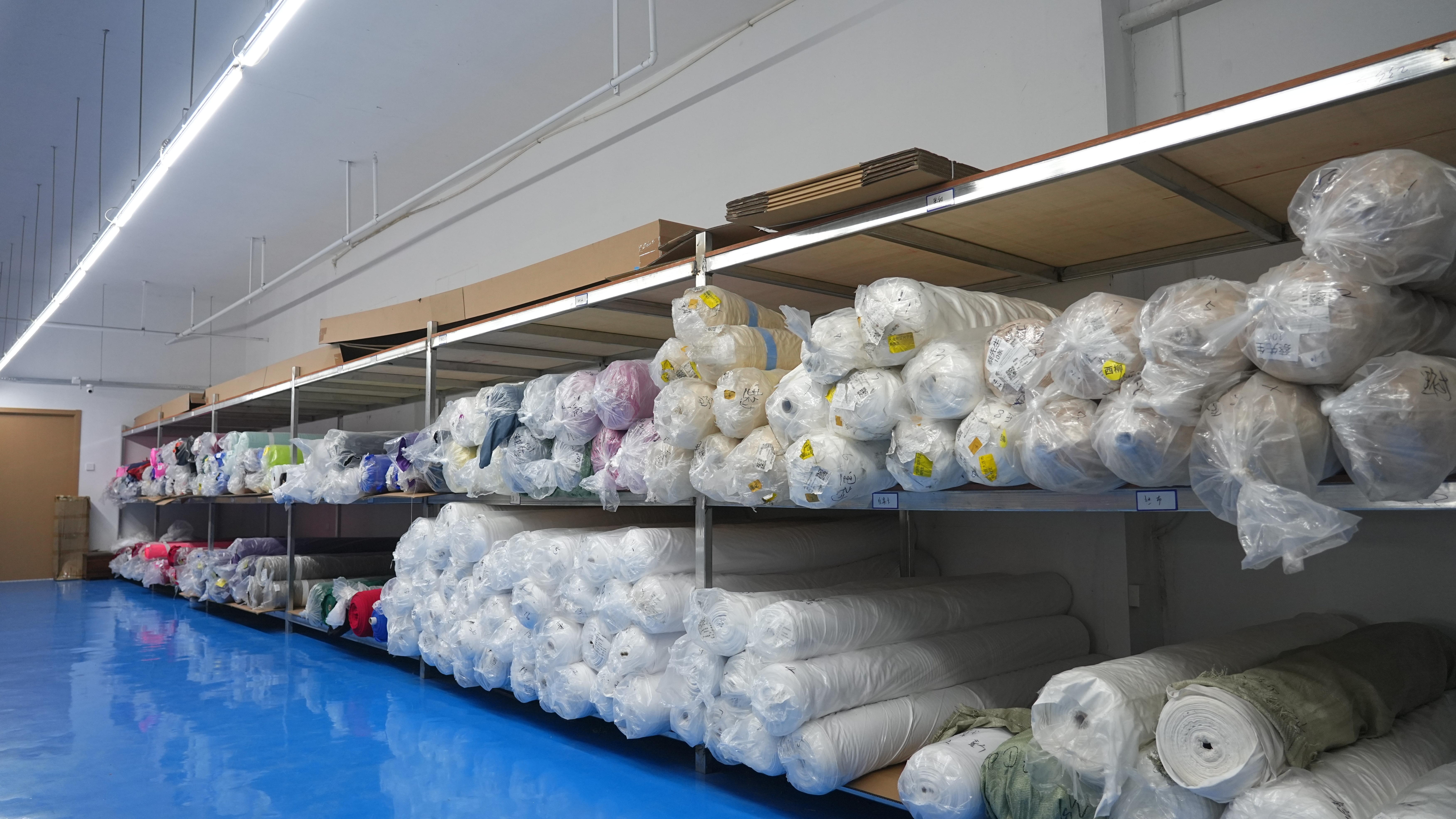
What the T701-related production evidence establishes
The T701-related case describes production in which leotards are printed, cut and sewn in the company’s own factory, with packing also handled there. It states that the leotards were cut to the buyer’s size chart, used four-way-stretch fabric described as recovering its shape, and had flatlock seams. This is relevant evidence of a buyer-chart sizing approach in that case. It is not a measured comparison with fixed grading and does not establish a universal result for every order.
The same case describes the sequence as design, sublimation, sewing and packing under one roof. The capability information separately describes OEM, ODM, private-label and bespoke custom-design production. OEM production is available for custom team orders, while ODM design and production are available for custom product development. For buyers, these services make it possible to discuss whether the assignment is to manufacture to an existing specification or develop a custom product; they do not remove the need to approve measurements and construction details.
The production information also identifies quality checks at several points. Fabric intake checks cover weight, stretch, color and opacity. In-line inspection is described during cutting, printing and sewing. The supplied case and capability information describe finished-piece inspection before packing, including print alignment, seam strength, stitch consistency and measurements. These checks are useful because they relate directly to the specification: measurement inspection can check the selected sizing basis, while print and sewing checks address other agreed product details.
Inspection activity should not be confused with a stated performance guarantee. The supplied information does not provide defect rates, test reports, numerical tolerances, or results comparing a buyer’s chart with a fixed grade. A procurement review can use the listed checkpoints to define what the buyer expects to be reviewed, while asking for the applicable measurement tolerances and approval process for the order.
A practical evaluation sequence for custom gymnastics leotards
- Choose the sizing basis. Decide whether the order will use the buyer’s chart or a supplier chart. If using a supplier chart, obtain it; if using a buyer chart, identify the version being supplied.
- Connect sizes to the squad list. Confirm the size assigned to each athlete and the quantity for each size. Keep the chart and assignment list together so that labels have an agreed measurement reference.
- Specify the garment. Record fabric weight and composition, lining configuration, sleeves, neckline and seam choice. The customization options are available, but the precise choices must be stated for the order.
- Review the sample or production specification. The supplied buying guidance describes starting with one piece made to the full production specification before a larger order. Check that the sample reflects the intended chart, fabric and construction before treating it as an approval reference.
- Check the relevant inspection points. Confirm how measurements, print alignment, seam strength and stitch consistency are reviewed on finished pieces, and clarify any tolerances that matter to the buyer.
This sequence does not make one sizing method universally preferable. It makes the decision explicit and ties the chart to the garment that will be produced. For a buyer who already has a team chart, buyer-controlled sizing may preserve that measurement basis. For a buyer willing to use a supplier’s established grade, fixed grading may be workable after the chart has been reviewed and accepted. In both cases, checking a production-specification piece provides a reference for the agreed garment rather than relying on a size label alone.
Where the comparison has limits
The available evidence supports a comparison of sizing processes, not a performance ranking. It does not state the exact T701 measurements, its fabric GSM, a complete lining configuration, numerical stretch or recovery results, or a fixed factory chart for direct comparison. It also does not establish that youth-to-adult orders will fit better under one method. Any conclusion on those points would require the relevant chart, specification and product review.
Competition requirements may also depend on discipline and event. The supplied external evidence identifies FIG rules for applicable competition contexts, including specific requirements in rhythmic gymnastics. Those rules should not be generalized to every practice leotard, competition, or gymnastics discipline. Buyers ordering competition gymnastics leotards should identify the applicable event rules and review the garment design against them; choosing a size chart does not itself establish compliance.
Conclusion: decide who controls the chart, then verify the garment
For custom gymnastics leotards, buyer-controlled sizing and fixed factory grading differ primarily in who supplies the measurement basis. YiXing Athletic Apparel’s supplied information confirms custom size-chart and grading services, and its T701-related case describes cutting to the buyer’s chart. That makes the buyer-chart approach a documented option, but not proof of superiority over a fixed grade.
The sound procurement decision is to select the chart that the team can define and verify, then connect it to fabric weight, lining, seam construction and the finished-piece checks. A chart, size assignment list and approved production specification create a clearer basis for evaluating a squad order than size labels alone. The final fit still depends on the actual measurements and garment review; those results cannot be assumed from the sizing method’s name.
Frequently asked questions
What is the difference between buyer-controlled sizing and fixed factory grading?
Buyer-controlled sizing uses a chart or measurements supplied by the buyer. Fixed factory grading uses the supplier’s established size progression. The buyer should obtain and review the applicable chart in either case; the method alone does not prove fit.
Why can a buyer’s chart matter for a youth-to-adult team order?
A buyer’s chart gives the team a defined measurement basis for assigning sizes across its roster. Its usefulness depends on the chart being clear and consistently applied. The supplied information does not provide T701 size measurements or prove a particular fit outcome across age groups.
What should buyers compare besides size grading?
Buyers should confirm fabric weight and composition, lining configuration, sleeve and neckline choices, and seam construction. YiXing lists these as customization areas, but the precise T701 specifications are not provided here. The agreed details should be recorded for the specific order.
What production checks are described for the T701-related work?
The supplied information describes incoming fabric checks for weight, stretch, color and opacity, in-line inspection during cutting, printing and sewing, and finished-piece inspection for print alignment, seam strength, stitch consistency and measurements. It does not provide numerical tolerances or comparative test results.
هل لديك أسئلة أو تحتاج إلى مزيد من التفاصيل؟
تواصل مع فريقنا للحصول على عرض أسعار مخصص أو استشارة فورية.
طلب عرض أسعار
املأ النموذج أدناه وسيتواصل معك فريقنا بعرض مقترح مخصص.
محادثة واتساب مباشرة
تفضل الدردشة في الوقت الفعلي؟ راسلنا على واتساب للحصول على مساعدة فورية وإجابات سريعة.
- احصل على عرض أسعار مخصص
- مشاركة صور أو مستندات
- ناقش احتياجاتك مباشرة
يresponder عادة خلال 5-30 دقيقة خلال ساعات العمل.