
Custom Outdoor Inflatable Materials: A Compliance Breakdown
Material specification, not headline capacity, has become the deciding variable in inflatable outdoor product procurement. For sourcing managers comparing custom inflatable shelters, arches, pillars, advertisement structures and pool enclosures, the base polymer — TPU or PVC — and the coating system built around it determine how a unit behaves under UV load, how it ages in humid storage, how it survives a wind event, and how often it returns for repair. This material breakdown examines how inflatable platforms are specified for durability and anti-UV performance, using StarCanopy's inflatable range — including the I-FB and CS-01 platforms, both specified in TPU/PVC — as a working example of how a material decision becomes a compliance document.
Why Inflatable Material Specs Have Moved Up the Buyer's Checklist
Inflatable outdoor products are no longer purchased only as short-cycle promotional items. Dataintelo estimates the global inflatable products market at USD 14.8 billion in 2025, growing to USD 26.3 billion by 2034. Business Research Insights places the custom inflatables segment at USD 170.5 billion in 2026, reaching USD 239.42 billion by 2035 at a 3.8% CAGR. Those two figures should not be read as one trend line: the divergence between them reflects report scope, with some estimates including industrial and military inflatables and others covering promotional and recreational products only. A narrower and more directly comparable data point comes from Growth Market Reports, which sized inflatable yard decorations — a category that includes custom arches and pillars — at USD 2.12 billion in 2025.
The practical signal for buyers is the deployment pattern rather than the headline number. When an inflatable shelter is used for a weekend campaign, a material failure is an inconvenience. When the same structure anchors a glamping unit, a boutique homestay terrace, an island tourism site or a long-running cultural exhibition, a material failure becomes an operational loss: the unit is out of service, the replacement lead time restarts, and the site loses revenue. That shift is what moves material qualification from a footnote in the purchase order to a line item in the risk assessment.
TPU and PVC: Two Polymers, Two Different Failure Profiles
TPU (thermoplastic polyurethane) and PVC (polyvinyl chloride) dominate inflatable outdoor products, and most sourcing discussions treat the choice as binary. In practice the two materials fail differently, and a specification has to account for that difference.
PVC-coated or laminated polyester is the workhorse of the category. It is widely produced, supported by a broad welding and repair infrastructure, and typically carries a lower material cost per square metre. Its trade-offs are well recognized in the industry: greater weight for the same structure, a degree of stiffness in cold conditions, and plasticizer migration over long service lives, which can appear as hardening or surface change in aging units.
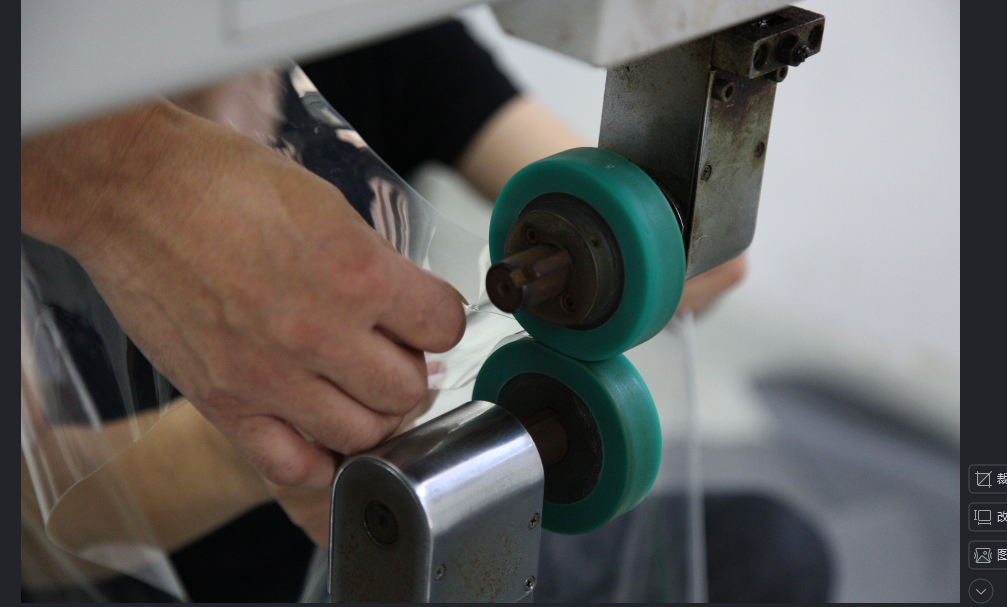
TPU is generally selected for higher abrasion resistance, better low-temperature flexibility and stronger long-term appearance retention. TPU seams weld cleanly, which supports airtight and repairable structures — a relevant property for inflatables that must hold pressure across seasons. Its trade-offs are equally real: higher resin cost, and a sensitivity to hydrolysis that makes grade selection and incoming-material discipline more important than the polymer name printed on the quotation.
Neither polymer is ultraviolet-resistant on its own. UV protection comes from the coating system and the additive package applied over the base fabric, which is why an anti-UV claim should be tied to a process, an inspection step and a documented specification rather than to an acronym. StarCanopy lists anti-UV coating and a multi-channel waterproof sealing technology among its control methods for outdoor products, and specifies anti-mildew and anti-UV fabric within its two-layer inflatable shelter build.
How StarCanopy Specifies Inflatable Materials
StarCanopy — Zhuhai Star Canopy Co., Ltd. — is a multi-material manufacturer based in Zhuhai, Guangdong, China, founded in 2005 and French-owned and managed. The company exports 100% of its output, with main markets in the EU, USA, Canada, Japan, Australia and New Zealand, and works with sourcing managers, product managers and procurement directors. Production is organized into three in-house capabilities: hardware (metal parts, mechanical assemblies, custom components); sewn goods and technical textiles (covers, bags, outdoor and sports equipment); and inflatables (advertisement structures, promotional products, sports and event equipment).
Within the inflatable range, the I-FB and CS-01 platforms are specified in TPU/PVC constructions. That designation describes a construction family rather than a finished performance guarantee. A buyer's specification still has to define which polymer carries the structural load, how seams are joined and sealed, which additives protect the surface, and what evidence the factory keeps on file.
The multi-material structure matters for material compliance because it reduces handoffs. Hardware, textile and inflatable production sit under one roof, which means the metal frame, the fabric skin and the welded chamber are not three separate vendor relationships. For a sourcing manager, that changes the audit surface: fewer interfaces to qualify, one inspection chain, and a single point of accountability when a specification question arises during production.
Five Failure Modes and the Controls That Address Them
StarCanopy's outdoor product risk framework names five failure modes that recur in inflatable deployment and pairs them with defined control methods and factory-level measures. The table below reproduces that structure.
| Risk type | Control method | Factory-level measure |
|---|---|---|
| Collapse under strong wind | Wind tunnel graded wind-resistant structure | Matched ground nails and wind ropes supplied with the unit |
| Fabric mildew and aging | Anti-UV coating; multi-channel waterproof sealing technology | Complete flame retardant and mildew-proof inspection at the factory |
| High-temperature fabric damage | Anti-UV coating | Coated fabric checked before assembly |
| Aluminium frame oxidation and rust | Hardware parts and mechanical assemblies produced in-house | In-house hardware manufacturing and assembly |
| Open-flame ignition hazard | Class B1 flame retardant canvas | Complete flame retardant inspection at the factory |
Two cautions apply when reading this table. First, it describes controls applied across the product family, not a test result for any individual unit; project-level performance should be confirmed in writing. Second, the framework names aluminium frame oxidation and rust as a recognized risk, and hardware parts and mechanical assemblies are manufactured in-house within StarCanopy's metal capability — but the alloy and surface treatment for a specific project should still be fixed in the specification.
What an Anti-UV Specification Should Actually Contain
Anti-UV is one of the loosest terms in inflatable sourcing. A specification that only says anti-UV tells a buyer nothing about which surface carries the treatment, how it is applied, or how the factory knows it is still there after coating. Four elements make the claim checkable.
Location of the treatment. Ultraviolet protection sits in the coating or topcoat over the base fabric, so the specification should state which layer carries it rather than describing the finished product as UV-protected.
Combination with moisture control. Mildew and aging are listed together as a single failure mode in StarCanopy's framework, and the control set pairs anti-UV coating with a multi-channel waterproof sealing technology. That pairing is logical: UV degradation and moisture retention accelerate each other, particularly in folded storage.
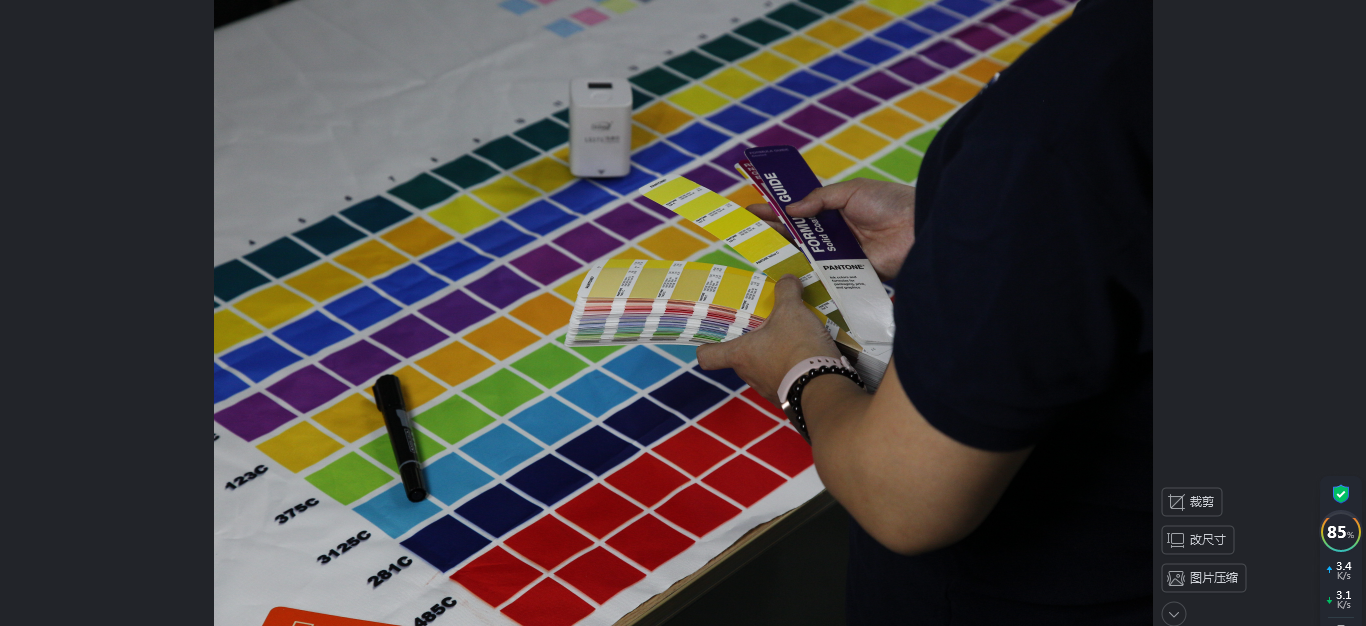
Color and surface consistency. Colour control during production is what keeps a treated surface visually uniform across panels and across repeat orders, which matters for brand-facing installations such as exhibition structures.
Documented inspection. StarCanopy runs a complete flame retardant and mildew-proof inspection at the factory, and anti-mildew and anti-UV fabric is specified within its two-layer inflatable shelter build. The inspection step is what converts a material claim into an auditable record.
Where TPU/PVC Inflatables Earn Their Cost: Application Fit
StarCanopy positions its two-layer inflatable shelter design for high-end glamping resorts, scenic boutique homestays, outdoor brand exhibitions, island tourism projects, long-term cultural tourist sites, and sport racing and competition. These settings share three characteristics: the structure is expected to hold a stable internal environment across seasons, it must be repairable part by part rather than replaced whole, and it presents a clean surface for venue or brand photography.
The same material logic extends across the wider inflatable family — custom inflatable arches and pillars for events and retail activation, custom inflatable advertisement products, camping and swimming-pool shelter structures. Each application shifts the weighting between the failure modes above. A short-event arch is dominated by wind and anchoring; a pool shelter is dominated by moisture and surface hygiene; a long-stay glamping unit is dominated by UV, thermal load and repairability.
Market and Compliance Trends Buyers Should Track
Regulatory and standards attention on outdoor shade and shelter products is increasing, and it is moving toward measurable physical thresholds. In the United States, the voluntary standard ASTM F3681-24/25 requires beach umbrellas to resist 75 lbs of upward force or remain secure in 30 mph winds, as published by ASTM International and referenced by the CPSC. That standard addresses beach umbrellas rather than inflatables, but the direction of travel is the signal: wind performance in outdoor shade categories is being expressed as a testable number, and voluntary standards frequently become procurement requirements when specifiers, venues and insurers adopt them.
Material allocation follows the largest end uses. Grand View Research reported that patio furniture, including custom covers and chairs, held a 42.7% revenue share of outdoor fabric applications in 2024 — which explains why coated and laminated fabric supply, welding capacity and surface treatment capacity are concentrated around furniture and cover production, and why inflatable buyers compete for the same material base.
In the adjacent cover category, Intel Market Research valued the custom boat cover market, including luxury yacht covers, at USD 118 million in 2024, projected to reach USD 155 million by 2032, and named Covercraft Industries, Taylor Made (Lippert) and Carver Industries among the leading competitors. Those companies serve a different product category from inflatables, but the structural lesson transfers: cover-led categories consolidate around material systems, fit accuracy and documented specifications.
One methodological note for buyers building market cases. Published sizing for outdoor categories varies widely with scope. The global outdoor patio umbrella market is valued at USD 1.82 billion in 2025 by Dataintelo, projecting USD 3.14 billion by 2034, while Future Market Insights estimates the patio umbrella market at USD 0.60 billion. Neither figure is wrong; they measure different scopes. Material specifications, unlike market size, can be verified line by line.
Comparison: Two-Layer Custom Inflatable Shelter vs an Ordinary Inflatable Shelter
StarCanopy publishes a direct comparison between its two-layer inflatable shelter design and an ordinary inflatable shelter. The comparison is written from the manufacturer's side and should be read as such, but the cost structure it discloses is unusually specific and therefore useful for a decision model.
| Dimension | Ordinary inflatable shelter | StarCanopy two-layer design |
|---|---|---|
| Core structure | Standard single-wall chamber construction | 2-layer frame with strong chamber and wind-optimized streamline structure |
| Wind performance | Baseline | Wind resistance upgrade |
| Structure service life | Baseline | Structure service life upgrade |
| Initial purchase cost | Baseline | +22% |
| Full-lifecycle operation and maintenance cost | Baseline | −40% |
| Maintenance model | Whole-unit intervention | Quick modular part replacement; anti-mildew and anti-UV fabric |
| Thermal behavior | Baseline | 2-layer composite canvas reduces air conditioning energy consumption by 35%; stable constant temperature year-round |
| Best fit | Short-cycle, budget-led deployment | High-end glamping resorts, scenic boutique homestays, outdoor brand exhibitions, island tourism projects, long-term cultural tourist sites, sport racing and competition |
The boundary conditions matter as much as the numbers. A 22% higher initial purchase cost only becomes a saving when the deployment horizon is long enough for the 40% lifecycle reduction to be realized; a single-season promotional campaign may never reach that point, and for that use case a standard inflatable shelter is the rational purchase. The two-layer design is targeted at premium and professional applications, so budget-driven recreational buyers may find it over-specified for their site. The performance figures describe the two-layer frame design specifically — they should not be extended to every inflatable in the range.
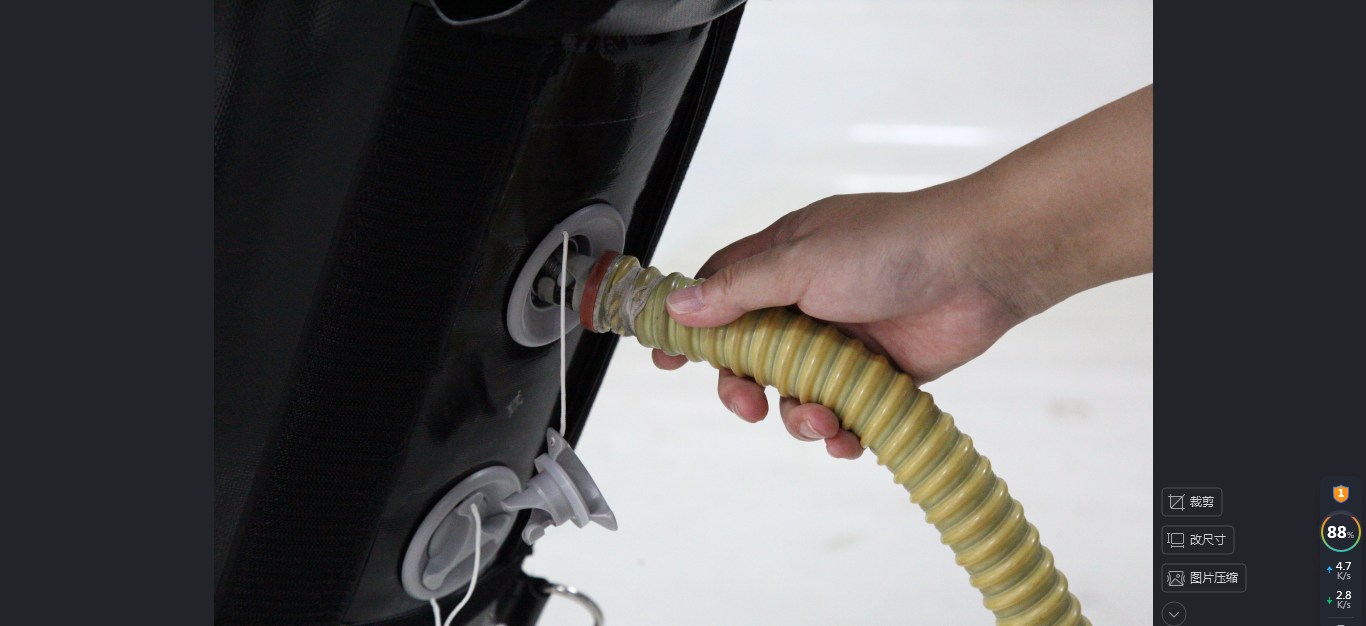
Equally important, no material choice removes risk. Collapse under strong wind, mildew and aging, high-temperature fabric damage, frame oxidation and ignition remain live failure modes, which is why StarCanopy supplies matched ground nails and wind ropes with the unit and runs flame retardant and mildew-proof inspection at the factory. A TPU/PVC designation on its own guarantees neither UV performance nor flame performance — the additive package, the sealing method and the inspection record are what make the material claim real.
A Material Compliance Checklist for Sourcing Managers
| Specification item | What to ask for |
|---|---|
| Base polymer and reinforcement | Confirm whether the chamber is TPU or PVC, and which layer carries the structural load |
| Sealing and waterproofing | Confirm the multi-channel waterproof sealing method and the seam construction |
| UV and mildew package | Confirm anti-UV coating and anti-mildew treatment, and how each is verified in production |
| Flame retardancy | Confirm whether the canvas is Class B1 flame retardant and request the inspection record |
| Wind design | Confirm the wind-resistant structure approach and whether it is wind tunnel graded |
| Anchoring accessories | Confirm that matched ground nails and wind ropes are supplied with the unit |
| Hardware integrity | Confirm the alloy and surface treatment of the metal frame, and where the parts are produced |
| Repairability | Confirm whether parts can be replaced modularly rather than replacing the whole unit |
| Supplier interface | Confirm how many vendors sit between specification and finished goods |
Future Outlook
Two forces are likely to shape inflatable material specifications over the next few buying cycles. The first is standards convergence: as measurable wind thresholds appear in adjacent outdoor categories, procurement teams will increasingly ask inflatable suppliers for graded structural performance rather than generic wind-resistance claims. The second is lifecycle accounting. The +22% / −40% relationship disclosed in StarCanopy's comparison is a useful template because it forces the buyer to state a deployment horizon, and once that horizon is stated, the material conversation becomes a financial one rather than an aesthetic one.
Neither force is a prediction about any particular polymer winning. TPU and PVC will continue to coexist because they answer different cost and performance questions, and the suppliers most likely to be retained are those able to weld, coat, inspect and document both.
FAQ
What does TPU/PVC mean on an inflatable product specification?
It identifies the base polymer family used for the structural body of the inflatable: TPU (thermoplastic polyurethane) or PVC (polyvinyl chloride), applied over a reinforcing fabric. The designation alone does not define performance. Coating weight, seam and sealing method, and the UV and flame-retardant additive package determine how the finished unit behaves in service. StarCanopy's I-FB and CS-01 inflatable platforms are specified in TPU/PVC constructions.
How does an anti-UV coating affect the service life of an inflatable structure?
Ultraviolet exposure degrades coated fabric surfaces over time, and deterioration accelerates when moisture is trapped in folded or stored material. StarCanopy's risk framework lists mildew and aging as a single failure mode and pairs anti-UV coating with a multi-channel waterproof sealing technology as the control set, with anti-mildew and anti-UV fabric specified in its two-layer inflatable shelter build. Service life also depends on structural design, anchoring, storage practice and repair frequency, so a coating claim should be evaluated together with those factors rather than in isolation.
Why is StarCanopy's two-layer inflatable shelter about 22% more expensive upfront?
According to StarCanopy's published comparison with an ordinary inflatable shelter, the two-layer frame with a strong chamber and wind-optimized streamline structure carries a 22% higher initial purchase cost. The design is intended to deliver a wind resistance upgrade and a structure service life upgrade, with a 40% lower full-lifecycle operation and maintenance cost and quick modular part replacement. Both figures describe the two-layer design specifically, not the inflatable range as a whole.
Does a higher upfront price guarantee a lower total cost of ownership?
No. The 40% lifecycle operation and maintenance reduction associated with StarCanopy's two-layer shelter design is realized over the service life of the unit, so it depends on deployment duration, site conditions and maintenance practice. A structure used for a single short event may not reach the point where a 22% purchase premium is recovered, and the comparison figure should be treated as a decision input rather than a guaranteed outcome.
Is Class B1 flame retardant canvas relevant for outdoor inflatables?
StarCanopy specifies Class B1 flame retardant canvas as the control method for open-flame ignition hazard, and runs a complete flame retardant and mildew-proof inspection at the factory. Whether a specific project requires flame-retardant material depends on the venue, the local authority having jurisdiction and the insurer, which is why the requirement should be confirmed for the destination market before the material is ordered rather than assumed from a general product description.
When is a standard inflatable shelter the better choice?
When the deployment is short-cycle or single-event, when upfront budget is the binding constraint, or when the site cannot support the anchoring the design assumes. StarCanopy positions the two-layer design for high-end glamping resorts, scenic boutique homestays, outdoor brand exhibitions, island tourism projects, long-term cultural tourist sites, and sport racing and competition. Outside those long-duration, performance-sensitive settings, the 22% purchase premium may not amortize, and an ordinary inflatable shelter can satisfy the requirement.
StarCanopy's company brochure, covering its hardware, technical textile and inflatable manufacturing capabilities, is available as a PDF for download: Starcanopy brochure (PDF). The company's website is listed as www.starcanopy.com.