
Custom Outdoor Products for Recreation: Matching Shelters, Goals & Umbrellas to Event Scenarios
Custom Outdoor Products for Recreation: Matching Shelters, Goals & Umbrellas to Event Scenarios
Recreation equipment is chosen by the site as much as by the catalogue. A football festival on open ground, a racing weekend in an exposed paddock, a sponsorship activation in a parking area and a café terrace shaded for a full season all need shade, enclosure and branding — but they do not need the same products, the same materials or the same anchoring.
This reference examines how recreation organizers and event managers match custom outdoor products to specific application scenarios. The configurations, materials and documented project conditions described here come from Zhuhai Star Canopy Co., Ltd. (StarCanopy), a multi-material manufacturer founded in 2005 in Zhuhai, Guangdong, China. The company is French-owned and managed, exports 100% of its output to markets including the EU, USA, Canada, Japan, Australia and New Zealand, and organizes production around three capabilities: hardware, sewn goods and technical textiles, and inflatables.
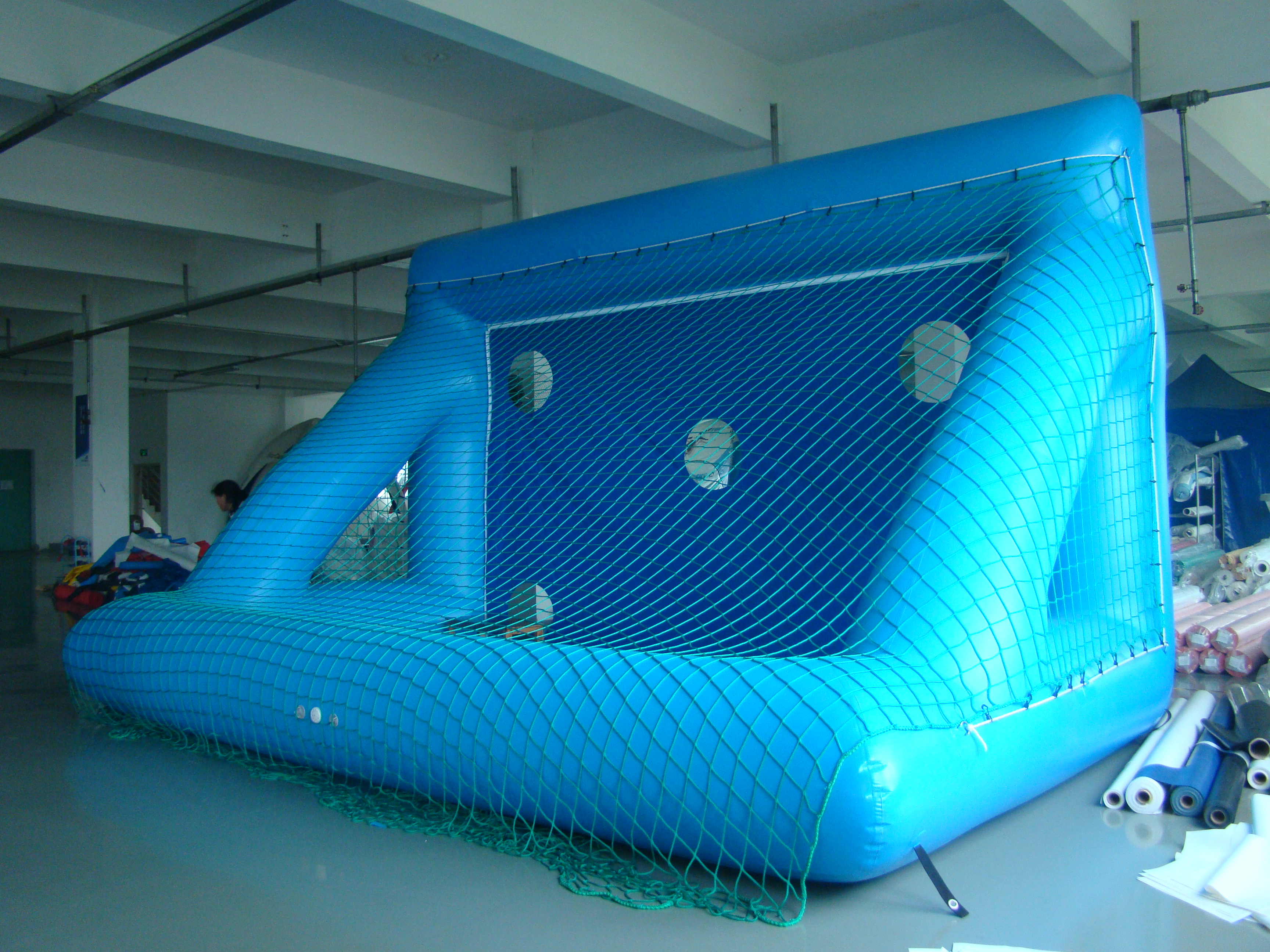
Custom inflatable football goal (model I-FB), a scenario-specific product for outdoor sport and recreation programs.
Why Scenario Fit, Not Product Category, Drives the Specification
Most mismatches in recreation equipment come from buying by category rather than by condition. The variables that separate one project from another are consistent: exposure, duration, anchoring surface, and branding requirement. Documented project conditions for outdoor sport and racing, for example, include an outdoor event venue with strong UV radiation, high temperature, and a temporary open-air layout, supported by anchoring equipment such as peg and rope, water bag, sand bag, and lighting. Those conditions describe a structure that must be relocated, re-anchored and re-skinned, not a permanent building.
A second variable is the branding surface. Where an organizer needs a visible sponsor presence, the requirement is not merely a logo plate; the documented specification is full-color digital custom printing on the surface for brand logo and graphics. This changes the material decision, because the printable surface must remain stable under the same UV and heat exposure that the structure faces.
A third variable is regulatory and technical pressure on wind and stability. In the United States, the voluntary safety standard ASTM F3681-24/25 requires beach umbrellas to resist 75 lbs of upward force or remain secure in 30 mph winds, published through ASTM International and referenced by the U.S. Consumer Product Safety Commission. That standard applies to beach umbrellas rather than to every canopy type, but it reflects how buyers increasingly evaluate shade products by anchoring performance instead of canopy appearance alone.
The Recreation Product Set at a Glance
StarCanopy produces the following product families with fully or partly customizable sizing. The table below summarizes the documented specifications relevant to scenario matching.
| Product | Model | Material | Sizing | Documented application |
|---|---|---|---|---|
| Inflatable football goal | I-FB | TPU + PVC fabric | Fully customizable | Outdoor sport |
| Inflatable container shelter | CS-01 | TPU + PVC, anti-UV, removable | Fully customized | Transportation, events, temporary shelter |
| Outdoor shelter | ST-01 | Aluminum or steel frame + PU-coated polyester, waterproof | Fully customizable | Outdoor sport, outdoor racing |
| Outdoor umbrella | UM-01 | Aluminum + waterproof polyester fabric | Fully customized | Outdoor garden, outdoor restaurant, outdoor café |
| Inflatable cube | ITC01 | TPU + PVC | Fully customized | Advertisement |
| Car shelter | CT-01 | Polyester fabric | Customized | Camping car |
Two additional items appear in documented camping and racing scenarios: the folding outdoor chair (model C01, size 586*557*910 mm, aluminum frame with injected aluminum connection parts and anti-UV PU fabric, supplied with a carry bag) and the caravan pole (model CPPlK, aluminum and plastic, 2 m length, designed to be compatible with most RV and camping tent frames with an anti-rust aluminum surface treatment and customizable length).
Technical Explanation: How the Material Decision Follows the Use Case
The product families above split into two manufacturing logics, and the split determines which scenario each one fits.
Inflatables: air retention and welded film
The inflatable football goal (I-FB), the inflatable container shelter (CS-01) and the inflatable cube (ITC01) are built from TPU and PVC film materials. StarCanopy processes PVC and TPU film in-house, including inflatable welding, which is the step that determines whether a structure holds pressure over a long event season. Because air retention is the failure mode that matters most in the field, the company verifies it directly: quality control is a 100% full inspection before shipment, covering air tightness, material tensile test, size verification and appearance check. For a recreation organizer, that inspection protocol is the practical link between a specification sheet and a unit that stays inflated through a training program.
Sewn structures: waterproofing and frame geometry
The outdoor shelter (ST-01) combines an aluminum or steel frame with PU-coated polyester fabric that is specified as waterproof, and the outdoor umbrella (UM-01) pairs an aluminum frame with waterproof polyester canopy fabric. Both rely on sewn technical textiles rather than welded film. StarCanopy covers custom fabric development, customized printing and sewing in-house, including fabric cutting, sewing and cover sewing operations. On the metal side, the company runs one-stop integrated production covering cutting, bending, drilling, welding, various surface treatments and final assembly — which is why frame material can be selected against the scenario rather than fixed in advance.
Anchoring is part of the product decision
For temporary open-air layouts, documented matched equipment includes peg and rope, water bag, sand bag and lighting. These are not accessories in the procurement sense; they are the parts that determine whether a shelter or goal remains where it was installed. The umbrella standard cited earlier makes the same point from the regulatory direction: upward force resistance and wind security are measured properties, not marketing claims.
Application Scenarios: Matching Products to Real Event Types
1. Outdoor sport and racing events
This is the scenario with the most documented detail. For shelter-type projects in the outdoor sport (racing) industry, project conditions include an outdoor event venue, strong UV radiation, high temperature, and a temporary open-air layout — in markets including the United States, Canada and France. The product set matched to this scenario is the inflatable football goal (I-FB), the outdoor shelter (ST-01) and the folding outdoor chair (C01), with full-color digital custom printing on surfaces for brand logo and graphics.
Field evidence exists for the goal. A sports goods retailer and sports event OEM brand in France used one I-FB unit for playing football games over a one-year period and reported full satisfaction with air tightness and durability, with no air leakage during long-term outdoor training. The documented highlights are inflatable construction, portability, and easy setup and packing — the three attributes that decide whether a goal is used weekly or left in storage.
2. Advertisement bases and promotional activations
For the advertisement sector in the United States and Canada, the documented function of the product is a public advertisement and event base operating 24/7 in an outdoor event venue, laid out temporarily and exposed to strong UV radiation and high temperature. The matched products are the outdoor shelter (ST-01) and the inflatable cube (ITC01), again with full-color digital custom printing on the surface for brand logo and graphics, and the same anchoring set of peg and rope, water bag, sand bag and lighting.
The distinction between the two products in this scenario is functional rather than decorative. The inflatable cube provides a compact, relocatable branded volume; the outdoor shelter provides covered space that can also carry branding. An activation that needs a staffed information point uses the shelter; one that needs a high-visibility marker uses the cube.
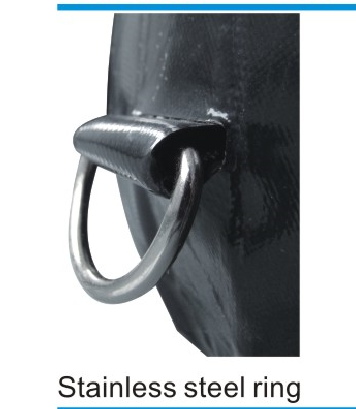
Custom inflatable cube (model ITC01), a relocatable branded volume for promotional and advertisement scenarios.
3. Container-adjacent temporary shelters
The inflatable container shelter (CS-01) is a specific scenario solution rather than a general canopy: it is an anti-UV, removable inflatable shelter placed between two containers, made from TPU and PVC with fully customized size. Its documented applications are transportation, events and temporary shelter.
A French inflatable product OEM used two CS-01 units for one year as a temporary activity and work shelter built in the gap between two shipping containers, serving logistics on-site staff rest, goods sorting and outdoor commercial events. The reported result was stable operation, with the documented highlight of being flexible and portable for holding activities. The scenario logic is worth noting for organizers: this product converts an existing container yard into usable covered space without a construction project, but it also presupposes that the containers are already there.
4. Commercial outdoor spaces: cafés, restaurants and gardens
The outdoor umbrella (UM-01) is specified for outdoor garden, outdoor restaurant and outdoor café applications, with an aluminum frame, waterproof polyester canopy fabric, and fully customized size. This is the scenario where custom sizing does the most work, because terrace geometry, table layout and sightlines rarely match a standard canopy dimension.
Documented field evidence comes from a French outdoor umbrella OEM that ordered 500 units and used them over two years. The reported result was that the umbrellas worked well under all-season outdoor use, with zero mass quality complaints within two years, and the documented highlights were easy setup and resistance to breakage. For a hospitality operator, those two attributes map directly onto staffing cost and replacement cost.
5. Camping and vehicle-based recreation
Vehicle-adjacent recreation uses a different subset. The car shelter (CT-01) is made from polyester fabric with customized sizing and is applied to camping cars. A documented Spanish outdoor vehicle camping project uses it as a fabric shelter on the car for camping in the RV camping and outdoor vehicle storage industry, operating 24/7 under outdoor conditions with strong UV radiation, and matched to vehicles including RV, sedan, racing vehicle and off-road car — with the note that the client prepares the car on site.
For camping and leisure use in France, the caravan pole (CPPlK) is documented as a fixing-system component for camping tent frames, designed to be compatible with most RV and camping tent frames, with an anti-rust aluminum surface treatment and customizable length. It is matched alongside the outdoor shelter (ST-01) in that scenario.
Customization, Capacity and Inspection: What Buyers Can Verify
Scenario matching only works if the manufacturing side can actually produce the matched configuration. StarCanopy runs both OEM and ODM models, and the documented terms differ in a way that matters at the research and evaluation stage.
Under the OEM model, the client supplies samples, drawings, specifications and production requirements, and the manufacturer follows them strictly. The documented minimum order quantity is 1 unit, with a lead time of 1–2 weeks for small quantities. Under the ODM model, the client provides only the product concept, application scenario and performance standards, and the manufacturer completes engineering design, material development, pattern making, lab testing, prototyping and mass production delivery, with a documented lead time of 7–30 days and a monthly capacity of 1,000 pcs.
The distinction is useful for organizers with different levels of internal design capability. An event agency with a finished artwork file and a fixed structure drawing fits the OEM profile. A recreation brand that knows the scenario and the performance requirement but has no engineering documentation fits the ODM profile, and should plan around the longer lead time.
Market Trend Analysis: Where Recreation Spend Is Moving
Several third-party datasets point in the same direction, although their scopes differ enough that buyers should read them carefully.
- Dataintelo values the global outdoor patio umbrella market at USD 1.82 billion in 2025, projected to reach USD 3.14 billion by 2034. A separate estimate from Future Market Insights places the patio umbrella market at USD 0.60 billion, which indicates that reported figures diverge substantially depending on whether the scope covers all umbrellas or only patio and outdoor segments.
- Business Research Insights estimates the global custom inflatables market at USD 170.5 billion in 2026, reaching USD 239.42 billion by 2035 at a 3.8% CAGR. Dataintelo’s estimate for general inflatable products is USD 14.8 billion in 2025 growing to USD 26.3 billion by 2034. The gap is explained by scope: the broader figure includes industrial and military inflatables alongside promotional and recreational products.
- Growth Market Reports values inflatable yard decorations — the category that includes custom arches and pillars — at USD 2.12 billion in 2025.
- Grand View Research reports that patio furniture, including custom covers and chairs, dominated the outdoor fabric application segment with a 42.7% revenue share in 2024.
The directional reading is consistent: recreation, promotional and outdoor-living categories are expanding, and the share of that spend tied to branded, scenario-specific configurations is significant. The divergence between sources is itself a procurement signal — buyers comparing vendors on “market size” claims are comparing different definitions, and should instead compare on documented specification, inspection protocol and field evidence.
Custom Inflatable and Fabric Solutions vs. Traditional Alternatives
Custom inflatable and technical-textile products are not a universal replacement for traditional structures. The trade-offs are concrete.
| Consideration | Custom inflatable / fabric solution | Traditional fixed alternative |
|---|---|---|
| Deployment | Temporary open-air layout; anchored with peg and rope, water bag, sand bag and lighting | Permanent construction with fixed foundations |
| Relocation | Removable and portable; documented as flexible for holding activities | Typically not relocatable between venues |
| Branding | Full-color digital custom printing on the surface for logo and graphics | Branding usually added after construction |
| Dependency on site | Some products depend on existing structures — CS-01 requires two containers | Generally independent of existing structures |
| Lead time | 1–2 weeks for small OEM quantities; 7–30 days for ODM projects | Typically measured in longer construction cycles |
The limitations deserve equal weight. An inflatable structure depends on continuous air retention, which is why 100% air tightness inspection before shipment is a control point rather than a formality. The inflatable container shelter (CS-01) is designed to sit between two containers, so a site without containers is not a fit. Inflatable and fabric products are anchored systems: wind security depends on how the peg, rope, water bag and sand bag are deployed, and a missing anchoring plan is a real operational risk, as the ASTM F3681-24/25 beach-umbrella standard illustrates from the regulatory side. Finally, ODM customization carries a longer documented lead time than small-quantity OEM production, so a project with a fixed event date should place the specification decision earlier, not the purchase order.
Future Outlook
Three shifts appear likely in the recreation equipment segment. The first is consolidation toward multi-material suppliers: a scenario that requires a branded inflatable goal, a printed shelter and a custom-sized umbrella is easier to specify when film welding, fabric sewing, printing and metal fabrication sit under one roof — which is how StarCanopy is structured, with hardware, sewn goods and technical textiles, and inflatables produced in-house and a four-person R&D team supporting development.
The second is verification. Buyers increasingly ask for inspection evidence rather than descriptions, which favors documented protocols such as 100% full inspection covering air tightness, material tensile test, size verification and appearance check, and field outcomes such as zero mass quality complaints across two seasons of all-season use.
The third is standards pressure on portable shade and shelter. With voluntary instruments such as ASTM F3681-24/25 defining measurable wind and uplift thresholds for beach umbrellas, the language of anchoring and stability is moving from the installation crew to the specification sheet. Recreation organizers who adopt that language early will find it easier to compare otherwise similar products across suppliers.
Frequently Asked Questions
Which custom outdoor products are typically specified for an outdoor sport or racing event?
For shelter-type projects in the outdoor sport (racing) industry, the documented product set is the inflatable football goal (model I-FB, TPU and PVC fabric, fully customizable size, applied in outdoor sport), the outdoor shelter (model ST-01, aluminum or steel frame with PU-coated polyester waterproof fabric, applied in outdoor sport and outdoor racing) and the folding outdoor chair (model C01, 586*557*910 mm, aluminum frame with anti-UV PU fabric and carry bag). Documented project conditions include an outdoor event venue with strong UV radiation, high temperature and a temporary open-air layout, with matched anchoring equipment such as peg and rope, water bag, sand bag and lighting, in markets including the United States, Canada and France.
Do inflatable shelters require existing structures on site?
The inflatable container shelter (model CS-01) does. It is documented as an anti-UV, removable, inflatable shelter placed between two containers, made from TPU and PVC with fully customized size, and it is applied in transportation, events and temporary shelter. A French inflatable product OEM used two units over one year as a temporary activity and work shelter built in the gap between two shipping containers, supporting logistics on-site staff rest, goods sorting and outdoor commercial events, with a reported result of stable operation.
Can brand logos and graphics be printed on shelters and inflatables?
Yes. Full-color digital custom printing on the surface for brand logo and graphics is a documented special requirement for both the outdoor sport (racing) scenario in the United States, Canada and France and the advertisement scenario in the United States and Canada. Printed surfaces appear on the outdoor shelter (ST-01) in both scenarios and on the inflatable cube (model ITC01) in the advertisement scenario. Printing capability is handled in-house as part of the company’s fabric printing and sewing operations.
What are the minimum order quantity, lead time and monthly capacity?
Under the OEM model, the documented minimum order quantity is 1 unit and the lead time is 1–2 weeks for small quantities, with production following client samples, drawings, specifications and production requirements. Under the ODM model, the documented lead time is 7–30 days and monthly capacity is 1,000 pcs, with the manufacturer completing engineering design, material development, pattern making, lab testing, prototyping and mass production delivery from the client’s concept, application scenario and performance standards.
How is product quality verified before shipment?
Quality control is documented as a 100% full inspection before shipment, covering air tightness, material tensile test, size verification and appearance check. Supporting field evidence includes a French sports goods retailer and sports event OEM brand that used one inflatable football goal (I-FB) for a year and reported full satisfaction with air tightness and durability, with no air leakage during long-term outdoor training, and a French outdoor umbrella OEM that used 500 units of the UM-01 over two years with zero mass quality complaints within that period under all-season outdoor use.
Which product is suitable for a café, restaurant or garden terrace?
The outdoor umbrella (model UM-01) is specified for outdoor garden, outdoor restaurant and outdoor café applications. It uses an aluminum frame with waterproof polyester canopy fabric and is offered with fully customized size, which allows the canopy to follow terrace geometry rather than a standard dimension. The associated documented field use is a French outdoor umbrella OEM order of 500 units across two years of all-season service.
Can the same product range serve camping and vehicle-based recreation?
A documented subset does, with different specifications. The car shelter (model CT-01) uses polyester fabric with customized sizing and is applied to camping cars; a Spanish project in the RV camping and outdoor vehicle storage industry uses it as a fabric shelter on the car for camping, operating 24/7 under outdoor conditions with strong UV radiation, matched to vehicles including RV, sedan, racing vehicle and off-road car, with the client preparing the car on site. The caravan pole (model CPPlK, aluminum and plastic, 2 m length) is documented as a fixing component compatible with most RV and camping tent frames, with anti-rust aluminum surface treatment and customizable length, matched alongside the outdoor shelter (ST-01) in a French camping and outdoor leisure scenario.