
Custom Rigid Boxes by Application: A Project Matching Guide
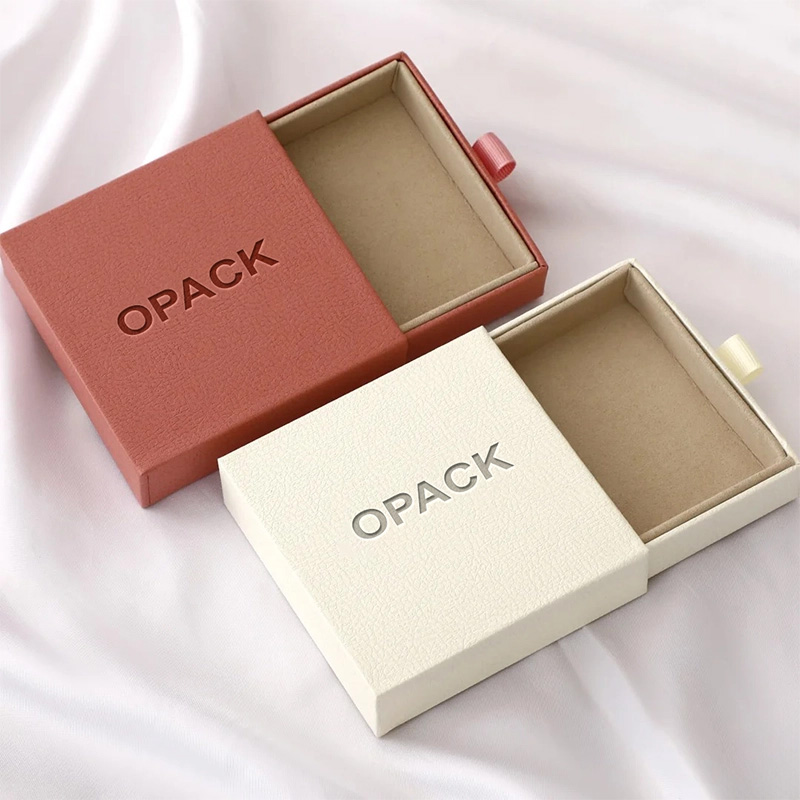
Custom rigid drawer box: a structure type used in premium product packaging projects.
Custom rigid boxes are often discussed as a premium packaging format, but the real purchasing question is project-specific: which structure, material, insert, and finishing combination actually fits the product and the channel where it will be sold or shipped? For buyers moving from research into evaluation, the value of a rigid box supplier depends on how well its production capabilities can be mapped to a concrete application.
Opack is a custom packaging manufacturer based in Longgang, Zhejiang, China, a city known as the Printing City of China. The company supplies custom rigid boxes, custom folding cartons, custom mailer boxes, and custom paper shopping bags to export markets including the EU, the US, and the Middle East. Its rigid box range includes models from RB-C01 to RB-W09 and covers magnetic closure, ribbon closure, and foldable structures on grey board or MDF substrates.
This guide takes an application-driven view of custom rigid boxes: how buying teams can match product categories to box structures, which technical variables matter during specification, what sourcing constraints look like in practice, and where the limits of rigid packaging are.
Why Project Fit Decides the Value of a Rigid Box
Rigid boxes perform three functions in a packaging project: they protect the product during storage and transit, they display the brand’s identity, and they communicate the brand story during the unboxing experience. These functions are present in every rigid box, but the priority given to each one changes the specification.
A jewelry brand launching a limited collection may prioritize brand experience and choose a magnetic-closure box with a silk insert, because the unboxing moment is part of the product. A cosmetics brand shipping replenishment stock to retail partners may prioritize protection and dimensional consistency, and might select a sturdier grey board structure with a foam insert. An apparel brand with limited warehouse space could favor a foldable rigid box that stores flat and is assembled before use. All three are custom rigid box projects, but their project-fit needs lead to different specifications.
Opack’s product line is positioned for this kind of flexibility. The supplier lists structure options including foldable, magnetic closure, and ribbon closure designs, with insert options ranging from foam and paperboard to EVA, plastic trays, corrugated cardboard, and silk. Buyers therefore make two decisions at the specification stage: which outer structure to use, and which inner components best serve the product.
There is also an environmental consideration. Rigid boxes are designed for dry, low-humidity conditions with stable and moderate temperatures, and should be kept away from direct sunlight and chemicals. This matters at the project-planning stage because the conditions in destination warehouses, retail back rooms, or transit containers affect how the box performs over its shelf life.
Core takeaway: A rigid box only creates value when its structure and internal components match the product, the brand moment, and the storage environment. Project fit is the decision layer between choosing premium packaging and approving a final specification.
Matching Rigid Box Structures to Product Categories
Different product categories place different demands on a rigid box. The following table summarizes the structure and insert options that buyers commonly consider for each application category, based on the configurations available from Opack.
| Product category | Common project goals | Structure & insert options to evaluate | Finishing options to evaluate |
|---|---|---|---|
| Jewelry & watches | Brand experience, secure presentation, gifting | Magnetic closure or ribbon closure; silk, EVA, or foam inserts | Hot stamping, embossing, soft touch lamination |
| Perfumes & cosmetics | Visual appeal, product protection, shelf presence | Magnetic closure or foldable structure; foam or paperboard inserts | Spot glossy UV, soft touch lamination, gloss lamination |
| Apparel | Retail presentation, light protection, brand consistency | Book-style or foldable rigid box; paperboard or corrugated cardboard inserts | Matte lamination, debossing, hot stamping |
| Electronics | Shock protection, secure transit, unboxing experience | Magnetic closure or foldable structure; EVA or corrugated cardboard inserts | Soft touch lamination, matte lamination, spot UV |
| Gift & PR boxes | Unboxing drama, reusability, brand storytelling | Ribbon closure, drawer style, or magnetic closure; silk or foam inserts | Holographic foiling, hot stamping, embossing |
| Corporate & promotional packaging | Multi-use packaging, brand consistency, cost efficiency | Foldable or magnetic closure; paperboard or corrugated cardboard inserts | CMYK or Pantone printing, matte lamination, debossing |
For jewelry and watches, the box often becomes part of the product experience. A magnetic-lid rigid box with a silk or EVA insert keeps the item stable and creates a deliberate opening sequence. Hot stamping and embossing on the lid reinforce the brand mark without additional printed materials.
Perfume and cosmetics projects usually need the box to hold a bottle or jar firmly during handling. Foam inserts are a practical choice for fragile glass containers, while soft touch lamination and spot UV elevate the tactile and visual quality of the outer surface. Foldable structures are useful for brands that order frequent seasonal packaging batches and need to manage warehouse volume.
Apparel packaging often uses book-style rigid boxes, which open like a cover and present folded garments cleanly. Because clothing is relatively light, paperboard inserts are usually sufficient, and debossing or matte lamination gives a subtle, premium finish.
Electronics projects prioritize protection. EVA and corrugated cardboard inserts absorb shock during handling, and a foldable rigid box can reduce the space needed for incoming packaging inventory before assembly. For gift and PR boxes, ribbon closures and drawer-style boxes are frequently selected because they prolong the unboxing moment and encourage the receiver to keep the box for reuse.
Technical Variables in a Custom Rigid Box Project
Once the application is clear, the next step is translating it into a production specification. Custom rigid boxes have several technical variables that buyers should define before requesting a quote.
Board material and thickness
Opack offers grey board or MDF as base materials, with customizable thickness. Grey board is the standard choice for most rigid boxes because it provides stiffness and a smooth edge after wrapping. MDF is selected when a project requires a harder, more machined surface. The thickness of the board directly affects the rigidity, weight, and cost of the final box.
Wrapping paper
The outer surface of a rigid box is determined by the wrapping paper. Options include coated paper, kraft paper, specialty paper, textured paper, and white paperboard. Coated paper gives a smooth surface for vibrant printing; kraft paper conveys a more natural, eco-friendly image; textured and specialty papers add a tactile layer that supports brand storytelling.
Printing methods
Printing options include CMYK printing for full-color artwork, Pantone printing for brand color accuracy, UV printing for added durability and gloss effects, offset printing for high-volume consistency, and screen printing for bold, opaque designs. The choice of print method depends on the artwork, quantity, and the finish the brand wants to achieve.
Finishing techniques
Finishing options include hot stamping, spot glossy UV, soft touch lamination, holographic foiling, embossing, debossing, matte lamination, and gloss lamination. These techniques are applied to the wrapping paper after printing and create the visual and tactile cues that distinguish premium packaging from standard cartons.
Structure type
Opack’s rigid box range includes foldable structures, magnetic closure designs, and ribbon closure designs. Foldable rigid boxes can be shipped and stored flat, then assembled at the packing stage. Magnetic closure boxes use magnets embedded in the lid for a clean, secure close. Ribbon closure boxes add a gifting element that is especially popular for retail gift packaging.
Size and inserts
Size is fully customizable based on product requirements. Inside the box, insert options include foam, paperboard, EVA, plastic trays, corrugated cardboard, and silk. The insert keeps the product in place during handling and transit, and it also shapes the first impression when the box is opened.
Minimum order quantity
The MOQ for custom rigid boxes from Opack is 500 units. This makes the product line viable for mid-sized to large packaging projects. Small-scale pilot orders are possible in some cases, but buyers should plan around this minimum when budgeting for a new project.
Sourcing Considerations for Project-Based Rigid Box Orders
Evaluating a rigid box supplier goes beyond comparing prices. For a project to run smoothly, the supplier’s capacity, lead time, quality control, and customization capability must match the buyer’s production plan.
Opack, established in 2010, operates a 10,000 m² factory with 160 employees and an annual output of 10,000,000 units. It maintains a monthly capacity of 1,000,000 units and a standard lead time of 12–18 days. These figures indicate a production environment built for repeatable, mid-to-high-volume custom packaging work rather than one-off boutique orders.
Quality control is another sourcing checkpoint. Opack applies a 100% quality check to its products, which means finished boxes are inspected before packing. For buyers, this reduces the risk of receiving inconsistent units across large batches.
Customization scope also matters. Opack supports customization of logo, brand name, color, size, style, finishings, printing methods, and material. This covers the full range of variables that a brand needs to control when aligning packaging with its product roadmap.
Opack’s export ratio is about 80%, with main markets in the EU, the US, and the Middle East. The company also provides multi-channel after-sales support through real-time online chat, WhatsApp, telephone, and official email. For international buyers, these communication channels are part of the project management process, especially when lead times are tight.
A review of Opack’s production and capability details is publicly available in its company brochure: Opack Company Profile (PDF).
What Market Signals Tell Us About Rigid Box Selection
Market data from 2025 and 2026 provides useful context for buyers evaluating custom rigid box projects.
According to Global Market Insights, the global rigid boxes market was valued at USD 31.2 billion in 2025 and is projected to reach USD 48.9 billion by 2035. Grand View Research estimates that the rigid box segment within the broader corrugated market will expand at a 9.2% CAGR from 2026 to 2033, driven by e-commerce and premium packaging needs. These figures point to sustained demand for rigid box formats across multiple industries.
By region, Asia Pacific accounted for 48.2% of the global rigid packaging market revenue in 2023, while Europe remains the largest specific market for luxury rigid boxes. The combination of Asian production capacity and European premium demand is a relevant structural factor for buyers sourcing custom rigid boxes internationally.
Material choice is also shifting. Paper and paperboard materials account for approximately 55.4% of total rigid box material revenue, according to Future Market Insights, as brands move toward recyclable substrates. This trend aligns with the growing use of paper-based inserts and FSC-compliant materials in rigid box projects.
For buyers selling into the EU, there is a regulatory factor to include in project planning. The EU Packaging and Packaging Waste Regulation (PPWR), under Regulation (EU) 2025/40, became mandatory on August 12, 2026. It requires packaging placed on the EU market to be recyclable and properly labeled. Custom rigid box projects intended for EU distribution should therefore include a compliance check on materials, inks, adhesives, and labeling.
Opack’s application notes list eco-friendly water-based printing inks, low-VOC adhesive materials, and FSC-compliant production as available options. These align with the recyclability and labeling requirements that European buyers now need to verify.
Limits of Rigid Box Packaging and When to Choose Alternatives
Rigid box packaging has real constraints, and a credible sourcing discussion should name them.
- Unit cost: Rigid boxes are more expensive to produce than standard folding cartons because they use thicker board, more material, and additional assembly steps.
- Weight and freight: The dense board construction makes rigid boxes heavier than flat cartons, increasing shipping costs per unit.
- Storage space: Traditional rigid boxes are shipped as assembled structures and cannot be flattened. This creates higher warehousing demand before and after filling.
- Environmental sensitivity: Rigid boxes should be stored in dry, low-humidity, stable and moderate temperature conditions, away from direct sunlight and chemicals. Humidity and temperature fluctuation can affect the board structure.
- Not every product needs it: For low-cost consumables, lightweight e-commerce items, or product lines that require compact packaging, a folding carton or mailer box is often a more rational choice.
For buyers that want the presentation quality of a rigid box but need better storage efficiency, collapsible rigid boxes are a practical middle path. Opack’s range includes custom collapsible rigid boxes and foldable rigid boxes, which combine the thickness of a rigid box with the ability to lay flat before assembly. This reduces warehouse volume and freight size while retaining the premium unboxing experience.
Future Directions in Project-Specific Rigid Box Packaging
Several directions are likely to shape how custom rigid boxes are specified in the coming years.
First, regulatory compliance will move from a checkbox into a core specification. With PPWR now in force in the EU, buyers will need to document material origins, recyclability, and labeling compliance for every packaging component. Suppliers that already offer FSC-compliant production and eco-friendly inks have a shorter path to market.
Second, foldable and collapsible rigid boxes will continue to gain attention because they solve the storage and freight problem without abandoning the premium format. The 9.2% CAGR forecast for the rigid box segment suggests that growth is not only coming from traditional luxury sectors but also from brands that want rigid presentation in more operational settings.
Third, the material mix will keep shifting toward paper and paperboard. As the 55.4% material revenue share indicates, recyclable substrates are becoming the default rather than the alternative. Inserts made from corrugated cardboard and paperboard will increasingly replace plastic foam in projects where protection levels allow it.
Fourth, the reuse factor will become more important in brand planning. Rigid boxes, especially magnetic-closure and drawer-style structures, are frequently kept by recipients for storage. Brands that design for reuse get extended visibility beyond the initial unboxing, which explains why reusable rigid presentation packaging remains a stable format for gifting, PR boxes, and corporate programs.
FAQ
What is the minimum order quantity for custom rigid boxes?
Opack’s minimum order quantity for custom rigid boxes is 500 units. MOQ applies across the rigid box product range and makes the format suitable for mid-sized and larger packaging projects. Brands testing a new structure or running a limited product launch should factor this minimum into their purchase plan.
Which product categories are best suited to custom rigid boxes?
Custom rigid boxes are commonly used for jewelry, watches, perfumes, cosmetics and beauty products, apparel, gift packaging, electronics, PR boxes, and corporate or promotional packaging. These categories share a need for protective packaging that also supports brand presentation during retail display, gifting, or unboxing.
What structure options are available for a custom rigid box project?
Available structure options include foldable designs, magnetic closure, and ribbon closure. Foldable structures can be stored flat and assembled during packing; magnetic closure boxes provide a secure, reusable lid; and ribbon closure boxes are common for gift applications. Drawer-style and book-style rigid boxes are also available as product formats.
Can custom rigid boxes be made collapsible to save storage space?
Yes. Collapsible rigid boxes, also called foldable rigid boxes, are part of Opack’s rigid box range. They combine the visual thickness of a traditional rigid box with the ability to lay flat before assembly. This reduces warehousing volume and freight size, making them a practical option for brands with limited storage or periodic seasonal packaging cycles.
What printing and finishing options are available for brand customization?
Printing options include CMYK printing, Pantone printing, UV printing, offset printing, and screen printing. Finishing options include hot stamping, spot glossy UV, soft touch lamination, holographic foiling, embossing, debossing, matte lamination, and gloss lamination. These allow brand colors, logos, patterns, and tactile effects to be applied to the wrapping paper of the box.
What inserts can be used inside a custom rigid box to secure the product?
Common insert materials include foam, paperboard, EVA, plastic trays, corrugated cardboard, and silk. The correct insert depends on product weight, fragility, and the unboxing experience the brand wants to create. Foam and EVA provide shock absorption for fragile items; silk is used in jewelry and gift boxes; paperboard and corrugated cardboard are lighter, more sustainable alternatives.
What storage conditions does a rigid box require to maintain its structure?
Rigid boxes should be stored in dry, low-humidity conditions at stable, moderate temperatures, away from direct sunlight and chemicals. These conditions prevent warping, discoloration, and deterioration of the board stock and wrapping paper. Buyers should verify that warehouse and retail back-room environments meet these requirements before placing large orders.