
Custom Zippers Explained: Nylon, Metal, and Sourcing Decisions
Custom zippers are functional components in modern textile manufacturing. They determine how a garment closes, how a bag withstands daily use, and how a shoe performs under repeated flexing. For product developers and procurement teams, specifying the right custom zipper requires an understanding of material behaviour, tooth geometry, sizing and supplier capability. This article provides a buyer-oriented overview of custom zipper categories, with a focus on nylon zipper demand and the sourcing decisions that follow.
Market data helps explain why material choice matters. The global zipper market was valued at USD 17.39 billion in 2024 and is projected to reach USD 36.73 billion by 2034, according to Market Research Future. In 2025, nylon zippers accounted for 46% of global consumption, while metal zippers held 31%, according to Business Research Insights. These figures show a market where lightweight, corrosion-resistant zippers have become the largest volume segment, while metal zippers continue to serve premium and high-strength applications.

Factory Panorama — YAB Zipper production site in Wenzhou, China
The Problem and Opportunity in Custom Zipper Sourcing
For many buyers, the term custom zipper covers many possibilities: a specific colour, a branded slider, a special tooth profile, or a complete material change. Without a clear specification, communication between brand, factory and zipper supplier can become slow and expensive. A garment designer may only care about the visible finish, while a production engineer may focus on slider force and tensile strength. Both needs must be translated into a technical requirement before an order is placed.
The opportunity is to reduce sourcing risk by understanding the basic categories first. A lightweight nylon zipper may be suitable for a sports jacket; a brass zipper may be selected for a designer jean; an aluminum zipper may be chosen for hard luggage. Each decision affects cost, product weight, durability and end-user satisfaction. The following sections explain how these categories behave and how one manufacturer, YAB ZIPPER, structures its custom offering.
YAB ZIPPER as a Custom Zipper Manufacturer
Wenzhou Runhe Garment Accessories Co., Ltd., operating as YAB ZIPPER, is a zipper manufacturer based in Wenzhou, Zhejiang, China. Founded in 1993, the company specialises in metal zippers and its product range also includes copper, aluminum, resin and nylon zippers. The company describes itself as a modern enterprise integrating research and development, production and sales.
YAB Zipper operates more than 500 zipper production machines and has an annual production capacity of 70 million pieces, according to company information. Its R&D team includes 10 engineers. The company is the sixth president unit of the Wenzhou Zipper Chamber of Commerce and was elected president in 2018. This position within the Wenzhou cluster gives the company visibility into regional manufacturing trends and supply chain practices.
For custom programs, YAB Zipper's metal zipper range covers brass and aluminum in Y teeth, Euro teeth, normal teeth and corn teeth. The company has developed in-house surface treatments such as antique silver, antique copper, brass, light gold, black teeth, white gold, bright silver and bright black. It also produces aluminum Y teeth plated with a titanium alloy series in platinum, black gold, light gold and rose gold. For resin zippers, the company has developed more than 10 tooth coating processes and has applied for 3 patent technologies related to resin series tooth shapes.
In addition, YAB Zipper reports that it holds ISO9001 and OEKO-TEX Standard 100 certification, which are relevant for brands entering regulated markets. The company also offers a nickel-free brass option compliant with the EU REACH standard, a detail that matters for European apparel programmes.
Technical Explanation of Custom Zipper Types
Before selecting a custom zipper, it helps to understand the structure. A zipper is composed of two fabric tapes, a row of teeth, a slider, and top and bottom stops. When the slider moves along the tapes, it forces the teeth to engage or disengage. The material and shape of the teeth determine the zipper's strength, flexibility, weight and appearance.
Three broad material categories dominate the custom zipper market: nylon, metal, and resin/plastic.
Nylon zippers are made with a spiral or coil structure that is lightweight, flexible and corrosion-resistant. Their 46% share of global consumption in 2025 reflects their use in apparel, bags, and footwear where weight and seamless colour matching are important. Nylon zippers are often customised by dyeing the tape to match a garment fabric.
Metal zippers are produced from brass, aluminum or other alloys. Brass zippers offer a premium metallic texture and high strength. Aluminum zippers are lighter and more cost-effective. According to Business Research Insights, brass and aluminum together represent 67% of metal zipper production. Metal zippers are commonly specified for jeans, leather bags, outdoor luggage and workwear.
Resin/plastic zippers use moulded teeth attached to the tape. They are widely used in casual clothing and bags where cost, colour range and smooth operation are priorities. YAB Zipper has developed more than 10 resin tooth coating processes and filed for 3 patents on resin tooth shapes, indicating that resin teeth can be treated as a design element rather than only a low-cost component.
Tooth profile is a separate specification. YAB Zipper lists Y teeth, Euro teeth, normal teeth and corn teeth for both brass and aluminum zippers. Y teeth are often associated with a structural, engineered look; Euro teeth have a rounded profile; normal teeth are a conventional shape; corn teeth provide a slightly more decorative appearance. Buyers should confirm the exact profile with the supplier using a sample or technical drawing.
Zipper sizing is another important variable. The numbers #3, #5 and #8 refer to the width of the zipper teeth in millimeters when the zipper is closed; a #5 zipper has teeth approximately 5 mm wide, according to zipper sizing guides. The appropriate size depends on the weight of the fabric and the expected force on the closure.
Product data from YAB Zipper shows the practical difference between metal options. The brass zipper has a crosswise tensile strength of 510 N, while the aluminum alloy zipper has 410 N. The aluminum zipper is 35% to 50% lighter than brass, making it attractive for luggage and sportswear, but the lower strength should be matched to the intended load.
| Material | Common Applications | YAB Zipper Data Points | Selection Note |
|---|---|---|---|
| Nylon | Apparel, bags, footwear | Part of YAB portfolio; not presented with separate tensile spec | Lightweight, flexible, colour-matched; 46% global share |
| Aluminum | Hard luggage, backpacks, sportswear | 410 N tensile; 35% to 50% lighter than brass; sizes #3, #5, #8 | Good balance of weight and cost |
| Brass | Jeans, leather bags, outdoor luggage, premium apparel | 510 N tensile; available in Y, Euro, normal and corn teeth | Premium texture and higher strength, heavier |
Application and Use Cases
The choice of custom zipper is ultimately dictated by the product and its environment. YAB Zipper's application documentation lists luggage, garment, outdoor goods and footwear as the main industries for its brass and aluminum zippers. The working conditions include normal indoor use, outdoor environments with rain and snow, light humidity, slight friction, and conventional washing. This means the zippers should be specified according to the expected exposure.
Garments and denim: Brass zippers are often used for jeans and premium apparel because the metallic surface becomes part of the design. A brass zipper in normal or Y teeth can be left exposed for a classic look. For lighter garments, nylon zippers are common because they are quiet, flexible and easy to match with fabric colour.
Luggage and bags: YAB Zipper's aluminum alloy zipper is widely used for hard luggage, backpacks and sportswear. The weight reduction helps lower the total weight of luggage, which matters for both travel and freight cost. Aluminum zippers can be anodised in bright silver, matte silver, black and champagne, allowing the closure to blend with the bag body.
Outdoor goods: Outdoor jackets and equipment need zippers that slide smoothly and resist corrosion. Nylon zippers are often selected for their lightweight and corrosion-resistant behaviour, while metal zippers may be chosen where a stronger, more tactile closure is required. The application notes also mention that zippers are not suitable for long-term high-salt seaside environments or heavy washing with strong acid and alkali. This limitation should be shared with the design team.
Footwear: Shoes and boots need zippers that can flex repeatedly without jamming. The intended industries for YAB Zipper's brass and aluminum products include footwear, and the standard open-end and closed-end configurations give shoemakers flexibility. Self-locking sliders can prevent a shoe zipper from sliding down during wear.
Operating modes: Zippers can be supplied as closed-end, single open-end or double open-end. Closed-end zippers are typical for pockets and bags; single open-end is used for jackets; double open-end is preferred for luggage that needs access from both ends. These details must be included in the custom specification.
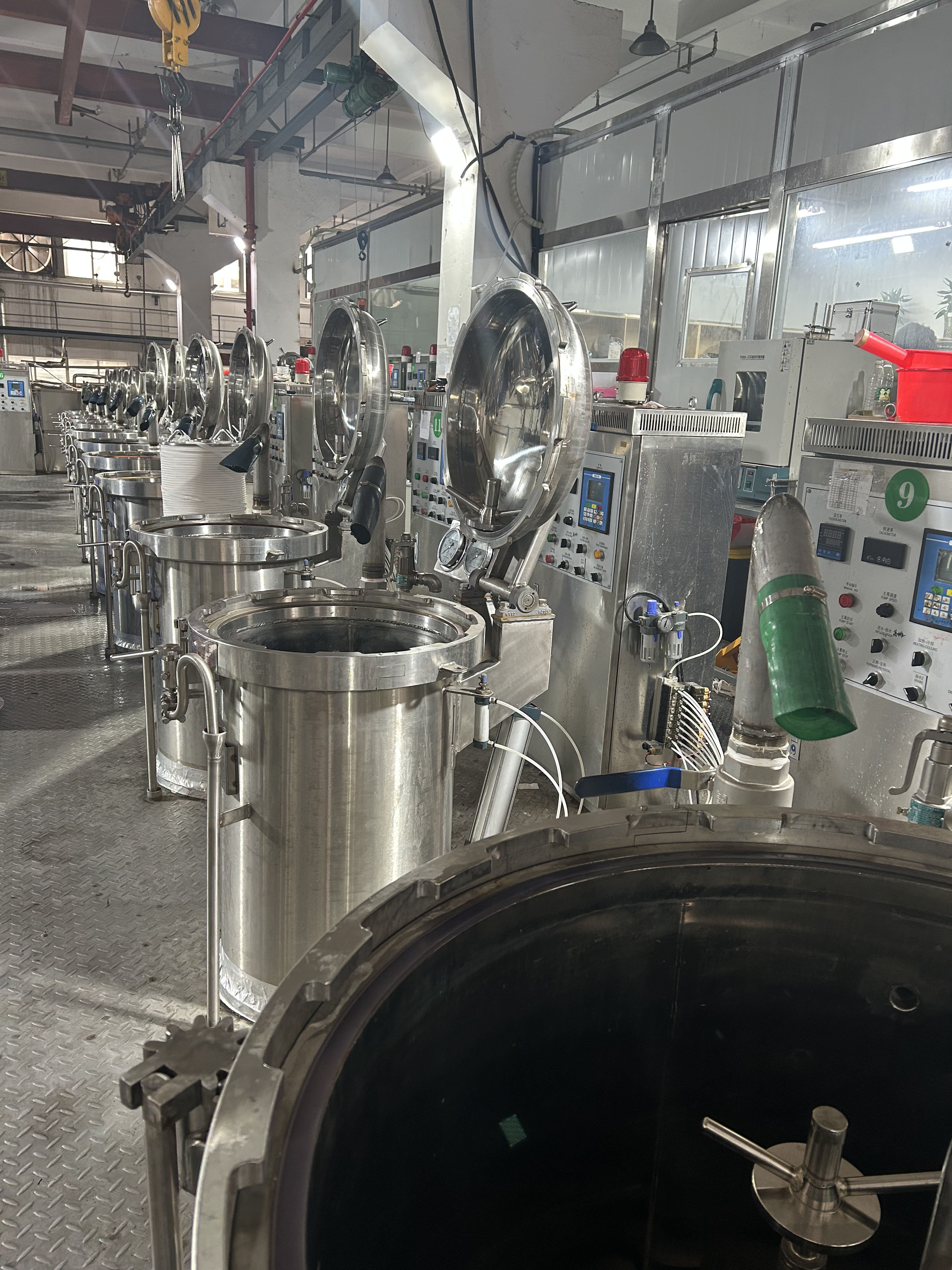
Dyeing Workshop — colour matching is a key step in custom zipper production
Market Trend Analysis
Verified data places the custom zipper market in a clear growth trajectory. The global zipper market was valued at USD 17.39 billion in 2024 and is projected to reach USD 36.73 billion by 2034, a compound annual growth rate of 7.8% from 2025 to 2034, according to Market Research Future. This expansion is expected to support a wide range of custom zipper programmes across apparel, luggage, outdoor gear and footwear.
The material mix is equally telling. Nylon zippers account for 46% of global consumption in 2025, making them the most widely used zipper type. Metal zippers follow with 31%, and brass and aluminum represent 67% of metal zipper production, according to Business Research Insights. For a custom zipper specification, these numbers suggest that nylon should be evaluated first for high-volume, weight-sensitive products, while metal remains important for premium and high-strength categories.
Trade statistics add a sourcing dimension. Global trade of zippers classified under HS 9607 reached USD 3.15 billion in 2024, and China exported USD 1.52 billion of that total, according to OEC. The HS code for plastic scoop zippers is 9607.19. China's export share points to the concentration of zipper manufacturing in clusters such as Wenzhou, where YAB Zipper is based. Buyers sourcing from China can benefit from mature production ecosystems and a wider choice of surface finishes, but they should verify certifications and regional compliance for their target markets.
Comparison with Traditional Zipper Solutions
Custom zippers differ from standard stock zippers in several ways. Stock zippers are easy to source for samples and repairs because they are already manufactured in common sizes and colours. They have shorter lead times and do not require design input. Custom zippers, by contrast, are made to the buyer's exact specification: precise length, tape colour, tooth profile, slider type and branding. This can improve product consistency and create a distinctive look, but it also introduces a commercial constraint.
The most common limitation of a custom zipper order is economic. Most manufacturers need a minimum order quantity and a longer production window than they would for a standard item. For very small prototyping batches, it is often more practical to use a standard zipper first and convert to custom production once the design is confirmed. Buyers should ask the supplier about minimums, sample lead time and production capacity early in the process.
Material trade-offs are also unavoidable. A brass zipper provides 510 N crosswise tensile strength and a premium surface, but it is heavier and more expensive. An aluminum zipper is 35% to 50% lighter and more cost-effective, but its tensile strength is 410 N. A zipper suited to a leather handbag may not be strong enough for a heavy-duty outdoor bag. The decision should be based on the mechanical load of the final product, not on the appearance of the teeth alone.
Future Outlook
The zipper industry is moving toward lighter materials, more colour options and more advanced surface finishes. Nylon's leading market share suggests that lightweight, corrosion-resistant zippers will continue to gain ground in mass-market categories. At the same time, the development of aluminum plating methods such as titanium alloy series allows brands to achieve a metallic look without the full weight of brass.
For suppliers, the ability to offer multiple tooth profiles, custom surface treatments and moulded resin processes will become more important. YAB Zipper's in-house work on aluminum surface treatments and resin tooth coatings illustrates this direction. The company's investment in resin tooth patents and titanium alloy plating shows a focus on differentiation rather than simple volume production.
Regulatory requirements will also shape the future of custom zipper sourcing. Certifications such as ISO9001 and OEKO-TEX Standard 100 are already important for textile exports. For EU-bound products, a nickel-free brass option compliant with REACH can reduce compliance risk. As sustainability requirements tighten, buyers can expect zipper manufacturers to provide more documentation on materials, coatings and restricted substances.
The full company profile brochure of YAB Zipper is published at: https://cdn.socialarks.com/sbsp/25027/common/2026/0811/runhe%20zipper%20Company%20Profile.pdf
Frequently Asked Questions
What is a custom zipper?
A custom zipper is a zipper made to a buyer's specification in terms of material, length, tooth profile, tape colour, slider type and branding. It is different from a standard stock zipper in that the manufacturing process follows the buyer's design and functional requirements.
What are the main types of zipper materials?
The main types are nylon, metal and resin/plastic. Nylon zippers are lightweight and corrosion-resistant; metal zippers are made from brass or aluminum; resin zippers use moulded plastic teeth. In 2025, nylon accounted for 46% of global consumption and metal for 31%, according to Business Research Insights.
What is the difference between brass and aluminum zippers?
Brass zippers are made of brass alloy with a premium metallic texture and have a crosswise tensile strength of 510 N in YAB Zipper's product data. Aluminum zippers are lighter, about 35% to 50% lighter than brass, and have a tensile strength of 410 N. Brass is often used in jeans, leather bags and premium apparel; aluminum is common in luggage, backpacks and sportswear.
What do zipper sizes #3, #5 and #8 mean?
The size number refers to the width of the zipper teeth in millimeters when the zipper is closed. A #5 zipper has teeth about 5 mm wide. Larger sizes are generally used for heavier fabrics and higher strength requirements.
Which zipper is most suitable for luggage?
Aluminum alloy zippers are widely used for hard luggage, backpacks and sportswear because they are lighter and more cost-effective than brass. For premium luggage, brass zippers are often selected for their metallic appearance and higher strength.
Does YAB Zipper support custom branding?
Yes. YAB Zipper accepts custom logo sliders and pullers for OEM and ODM orders. The company's product range includes brass, aluminum, resin and nylon zippers, and custom surface treatments are available for metal zippers.
What certifications does YAB Zipper hold?
Wenzhou Runhe Garment Accessories Co., Ltd., the manufacturer behind YAB Zipper, has passed ISO9001 and OEKO-TEX Standard 100 certification. For EU markets, a nickel-free brass option compliant with REACH is also available.