
DHL8005H Blister-Cartoning Line: Shortlisting Checklist for 800-BPM Solid Dosage Packaging
DHL8005H Blister-Cartoning Line: Shortlisting Checklist for 800-BPM Solid Dosage Packaging
An 800-BPM blister-cartoning line is not a single speed claim. It is a chain of interfaces between blister forming, product feeding, lidding, cartoning and downstream handling. The DHL8005H Automatic Blister-Cartoning Line from Zhejiang Hoping Machinery Co., Ltd. (HOPING) is a candidate for projects that need a stated envelope of up to 800 blisters per minute and up to 500 cartons per minute. HOPING is a Chinese manufacturer of blister packaging machines, cartoners, case packers and end-of-line packaging equipment. For an evaluation-stage buyer, the shortlist question is whether the line's control architecture, replenishment logic, splicing arrangement, changeover memory and compliance evidence fit the product mix, validation plan and downstream configuration. This article is a recommended-options shortlist in the sense of criteria and configuration choices, not a ranking of suppliers.
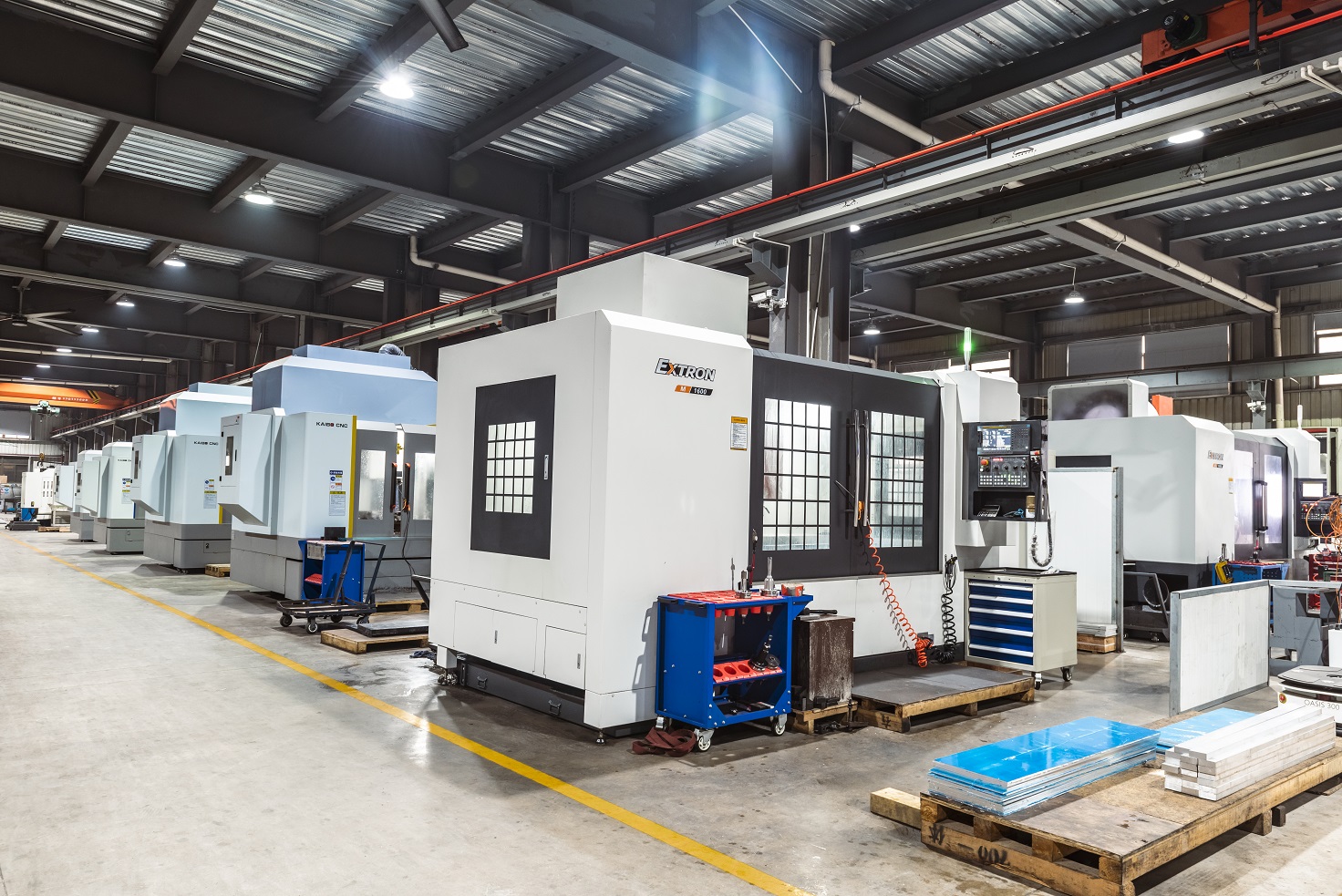
Manufacturing environment for pharmaceutical packaging machinery. Image: HOPING.
In this article, 800-BPM refers to the line's stated blister output, not a carton rate. The two figures use different units and should be qualified separately. A maximum figure is a screening value. It does not establish sustained output, OEE or performance after a format change.
Why the 800-BPM envelope needs a qualification basis
The DHL8005H is stated to reach up to 800 blisters per minute and up to 500 cartons per minute. Those numbers sit in a high-speed segment where the output basis matters more than the headline. Buyers should ask for the carton count, blister count per carton, product format, forming material, lidding material and reject rate used to establish each rate. Without those conditions, the two figures cannot be compared directly, and they cannot be used to calculate a production plan.
A material trial or factory acceptance test should define the product, foil structure, carton style, operating speed, sampling method and acceptance criteria. For tablets, capsules and other solid dosage forms, feeding stability and product orientation can influence achievable speed. The shortlist should therefore ask whether the stated envelope has been demonstrated on a comparable product format, not only on a nominal machine configuration.
Shortlisting checklist at a glance
| Shortlist criterion | Question to put to the supplier | Evidence to request |
|---|---|---|
| Output basis | What product, format and reject rate support 800 blisters/min and 500 cartons/min? | FAT/SAT protocol, material trial report, sustained-run data |
| Control architecture | Is the Beckhoff motion controller and CP9315 industrial PC documented for the exact build? | Control topology, software version, backup and change-control records |
| Replenishment | How does the three-channel servo-driven independent replenishment system isolate and recover a channel? | Channel logic, sensor list, reject handling, cleaning procedure |
| Splicing | Which PVC/Alu foil webs are covered by auto splicing, and what happens during a splice? | Splicing sequence, material specification, waste and splice detection |
| Mold change | What does preset memory store, who can edit it, and how is the recipe verified? | Recipe list, access control, audit trail, changeover validation |
| Compliance | Does the exact model build have the required technical file and validation support? | Declaration, electrical safety review, IQ/OQ/PQ support, certificates |
| Line scope | Which upstream and downstream modules are required? | Interface drawings, utilities, layout, acceptance boundaries |
Criterion 1: Put the output basis before the speed comparison
A shortlist should not compare the DHL8005H with another line on maximum speed alone. It should compare the evidence behind the speed. Ask for the line's stated performance envelope in writing, then ask for a test plan that uses the buyer's product format. The plan should state how many blisters form a carton, how cartons are counted, how rejects are excluded, and how long the run must be. It should also define what happens when the line is ramped from startup to production speed.
This matters because a blister-cartoning line has two connected capacity points. If the blister output and carton output are not balanced for the actual pack, the line may not deliver the expected carton count even when the blister former reaches its stated rate. The buyer should require a line-balance calculation using the actual carton count and product count, and should ask for the buffer, reject and transfer logic between the blister machine and the cartoner.
Criterion 2: Treat Beckhoff and CP9315 as validation evidence
The DHL8005H is described with a Beckhoff motion controller and a CP9315 industrial PC. On a shortlist, those names are not a substitute for a control-system review. The buyer should ask for the control topology, software version, recipe-management method, user access levels, audit trail, data export format, backup and recovery procedure, and change-control records. The purpose is to confirm that the architecture can be supported through the equipment lifecycle and that electronic records meet the buyer's data-integrity requirements.
A useful question is whether the control architecture is documented for the exact DHL8005H build, including any optional inspection, coding or downstream interfaces. A second question is how software changes are validated after installation. If the buyer's quality system requires electronic records, the supplier should explain how the industrial PC fits into that system without implying that a generic PC is automatically compliant with a specific regulation. The shortlist can accept the architecture as a starting point only when the documentation and support model are clear.
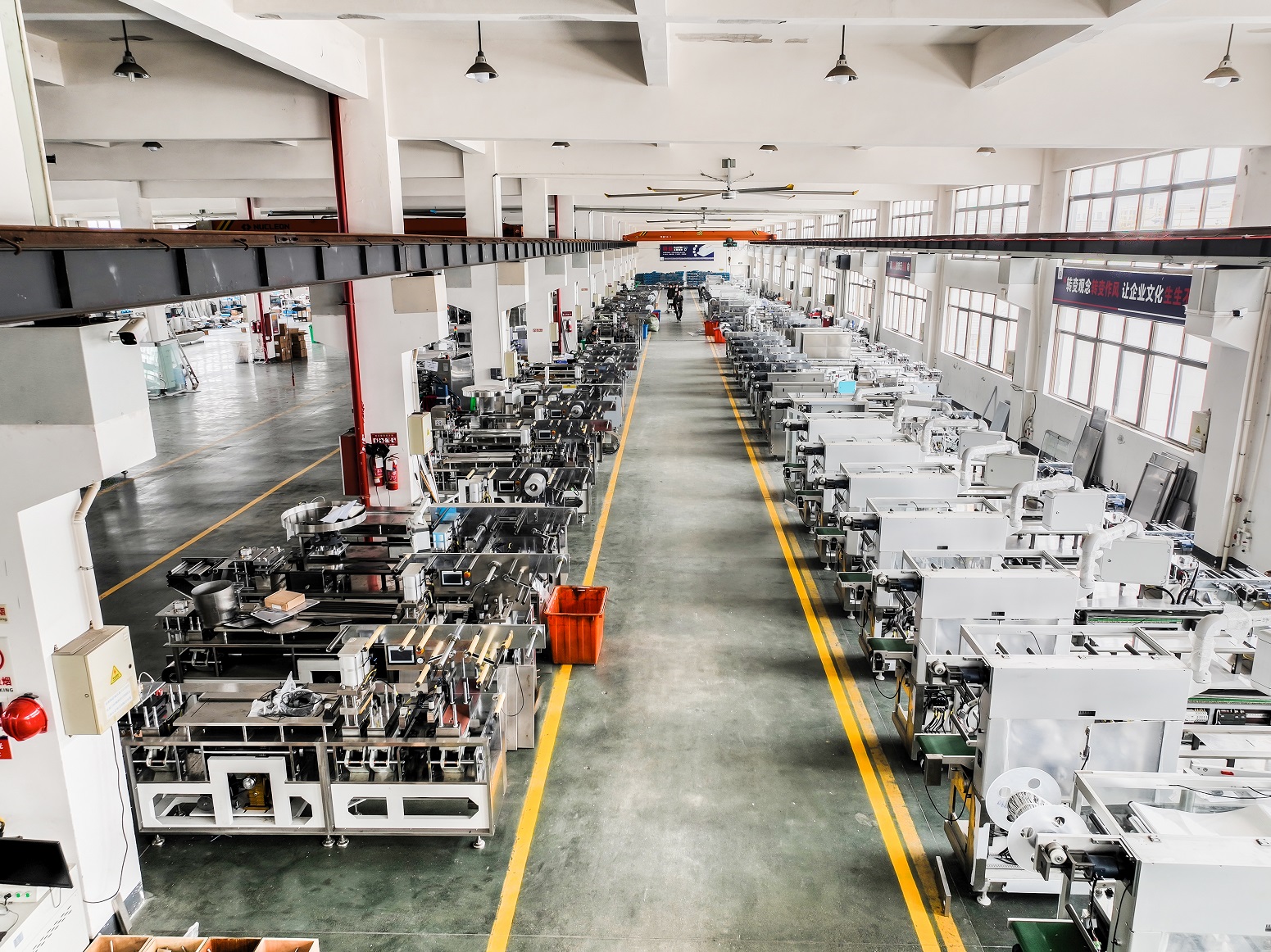
Blister machine workshop relevant to line-build and acceptance planning. Image: HOPING.
Criterion 3: Prove the three-channel independent replenishment
The DHL8005H is described with a three-channel servo-driven independent replenishment system. The selection question is what independence means in operation. Ask whether each channel can be isolated for replenishment or fault recovery, how low-level and empty-channel conditions are detected, how rejects are segregated, and how cleaning or format change on one channel affects the others. The supplier should be able to show the channel logic and the sensor list, not only a general statement that the system is servo-driven.
For a solid dosage project, the replenishment system should be assessed against the actual product flow. The buyer should ask for a demonstration with the intended tablet or capsule shape, the intended feed rate and the intended reject strategy. If the line is planned for multiple products, the shortlist should also ask whether the channel logic can be changed by recipe and how those changes are verified. These questions turn a hardware feature into an operational criterion.
Criterion 4: Qualify PVC/Alu foil auto splicing against the material
The line lists PVC/Alu foil auto splicing. A shortlist should confirm which web positions are covered, whether the exact PVC and aluminium foil gauges used in the project are within the validated range, how splice quality is detected, what happens to product made during a splice, and how waste is removed. The operating manual should describe the splicing sequence, and a material trial should show how the line recovers after a splice.
Material qualification is part of the same question. PVC and aluminium foil are not interchangeable inputs, and a splice that works for one gauge may not work for another. The buyer should ask for the material specification used in the trial, the roll format, the splice preparation method and the acceptance criteria for splice strength or continuity. These details belong in the technical agreement because they affect yield, downtime and product protection.
Criterion 5: Make mold-change preset memory auditable
Mold-change with preset memory is a useful selection criterion only if the memory is controlled. Ask what parameters are stored, who can edit them, whether changes are logged, how the line verifies that the correct recipe is loaded, and how changeover is validated. The question is not memory capacity alone. It is the link between recipe selection, physical tooling and the batch record.
A shortlist should also ask how preset memory interacts with format changes on the cartoner and downstream modules. If a recipe includes blister format, carton format, leaflet and coding parameters, the buyer should know which values are fixed by the tooling and which are free inputs. The supplier should demonstrate a changeover from one product to another and provide the checklist used by the operator. That demonstration is more useful than a claim that the line has preset memory.
Criterion 6: Separate series certificates from model qualification
HOPING's certificate records include CE documentation for carton packing machine series and blister packing machine series. A series-level certificate is not a model-level qualification. The buyer should ask for the exact DHL8005H declaration, technical file, electrical safety review, guarding assessment and any destination-market additions required for the project. The certificate scope should be read against the actual build, not against the product family name.
Validation documentation is a separate evidence stream. Ask for FAT/SAT protocols, IQ/OQ/PQ support, material certificates, calibration records and the change-control procedure. These documents should be listed in the technical agreement with clear responsibilities. The shortlist should not assume that a supplier's general quality system automatically covers a specific line. It should require the supplier to identify which documents are standard, which are project-specific and which depend on the buyer's own validation plan.
Criterion 7: Configure the line around project scope, not a ranking
The DHL8005H is a blister-cartoning line, but the wider HOPING portfolio includes blister machines, cartoners, flow wrappers, case packing, palletizing, stretch banding and lifting feeders. These are configuration options, not a ranking. A buyer should mark each module as required, optional or out of scope. The shortlist should include interface drawings, utility requirements, layout constraints and acceptance boundaries for every included module.
For example, a lifting feeder may be relevant when the upstream blister machine needs controlled product loading. A case packer, palletizer or stretch bander may be relevant when the project includes end-of-line automation. A flow wrapper may be relevant when the product format requires a different secondary pack. None of these modules should be added simply because they appear in a portfolio. They should be added because the project scope, labor plan or downstream customer requirement calls for them.
Supplier capacity and project evidence
HOPING reports a 28,800 square metre facility, about 300 employees, a 56-engineer R&D team and an annual output of 500 units. These are company-reported capacity facts. They support a first-pass supplier screening, but they do not prove that a specific DHL8005H build will meet the buyer's validation schedule. The buyer should ask for the project team, manufacturing slot, FAT availability, spare-parts list, service response and training plan.
The available project description for solid dosage applications points to objectives such as higher packaging automation, less manual transfer, lower wrong-insertion and missing-leaflet risk and downstream integration. Those are objectives to verify, not published outcome data. A shortlist should request a comparable reference with scope, product format, output basis and acceptance results. If the supplier cannot disclose a customer name, the buyer can still ask for an anonymised project summary and a reference call under confidentiality.
Market context for the shortlist
A commercial research estimate attributed to Mordor Intelligence puts the global pharmaceutical packaging machinery market at USD 7.09 billion in 2026, with a reported 7.15% CAGR. The forecast end year and methodology were not fully visible in the retrieved material, so the figure should be treated as directional. It is not a basis for calculating the payback of a DHL8005H project. The practical use is to frame capacity decisions: define current and future formats, then require the line to be validated for the formats that matter.
A practical decision rule
Shortlist the DHL8005H when the project needs an integrated blister-cartoning line in the stated envelope and the buyer can obtain evidence for the output basis, control architecture, replenishment logic, splicing, mold-change memory and model-level compliance. Keep it under review when the buyer cannot obtain sustained-output data, exact model certification or interface drawings. Exclude it from the shortlist when the required product format, data-integrity requirement or downstream scope cannot be evidenced.
This rule keeps the evaluation focused on fit rather than on a headline speed. It also gives the buyer a clear record of why the line was included, deferred or excluded. That record is useful for internal approval, supplier negotiations and the final technical agreement.
FAQ
What does 800-BPM mean on the DHL8005H line?
In this context, 800-BPM refers to the line's stated maximum blister output of up to 800 blisters per minute. The same line is stated to reach up to 500 cartons per minute. The two rates are not interchangeable: blister output and carton output use different units and depend on the carton count, product format and reject rate. Buyers should ask for the test conditions and sustained output data before treating either figure as a production target.
Which DHL8005H features should be checked first in a shortlist?
Start with the output basis, then the control architecture, replenishment system, splicing, mold-change memory and compliance evidence. The line is described with a Beckhoff motion controller and CP9315 industrial PC, a three-channel servo-driven independent replenishment system, PVC/Alu foil auto splicing and mold-change with preset memory. Each feature should be converted into a documented question with a requested evidence item, not accepted as a headline specification.
How should buyers verify the Beckhoff and CP9315 control architecture?
Ask for the control topology, software version, recipe-management method, user access levels, audit trail, data export format, backup and recovery procedure, and change-control records. The purpose is to confirm that the architecture can be supported through the equipment lifecycle and that electronic records meet the buyer's data-integrity requirements. A brand name alone does not establish validation fitness.
What should be confirmed about PVC/Alu foil splicing and mold-change memory?
For splicing, confirm which webs are covered, the material gauges and roll formats, how a splice is detected, what happens to product made during a splice, and how waste is removed. For mold-change memory, confirm which parameters are stored, who can edit them, whether changes are logged, how the correct recipe is verified against the physical tooling, and how changeover is validated. Both items should be demonstrated during a material trial or FAT.
Does the wider HOPING portfolio matter in a DHL8005H shortlist?
Yes, but as scope information rather than a ranking. HOPING lists blister machines, cartoners, flow wrappers, case packing, palletizing, stretch banding and lifting feeders. A buyer should mark which modules are required for the project, which are optional, and which are outside the line boundary. The DHL8005H evaluation should then rely on interface drawings, utility requirements and acceptance responsibilities for each included module.
Conclusion
The DHL8005H shortlist test is a sequence of evidence requests: output basis, control architecture, replenishment isolation, splicing qualification, mold-memory control, model-level compliance and line scope. A buyer who can answer those questions has a defensible shortlist. A buyer who cannot should keep the line under review rather than treating a speed figure as a selection decision. A public HOPING catalog is available for reference: Hoping Machinery Catalog (PDF).
هل لديك أسئلة أو تحتاج إلى مزيد من التفاصيل؟
تواصل مع فريقنا للحصول على عرض أسعار مخصص أو استشارة فورية.
طلب عرض أسعار
املأ النموذج أدناه وسيتواصل معك فريقنا بعرض مقترح مخصص.
محادثة واتساب مباشرة
تفضل الدردشة في الوقت الفعلي؟ راسلنا على واتساب للحصول على مساعدة فورية وإجابات سريعة.
- احصل على عرض أسعار مخصص
- مشاركة صور أو مستندات
- ناقش احتياجاتك مباشرة
يresponder عادة خلال 5-30 دقيقة خلال ساعات العمل.