
DSP vs Kemei, VGR & SOKANY: Home Appliance Sourcing Decision 2026
A fact-based procurement comparison for buyers evaluating Chinese suppliers in the small home appliance space.
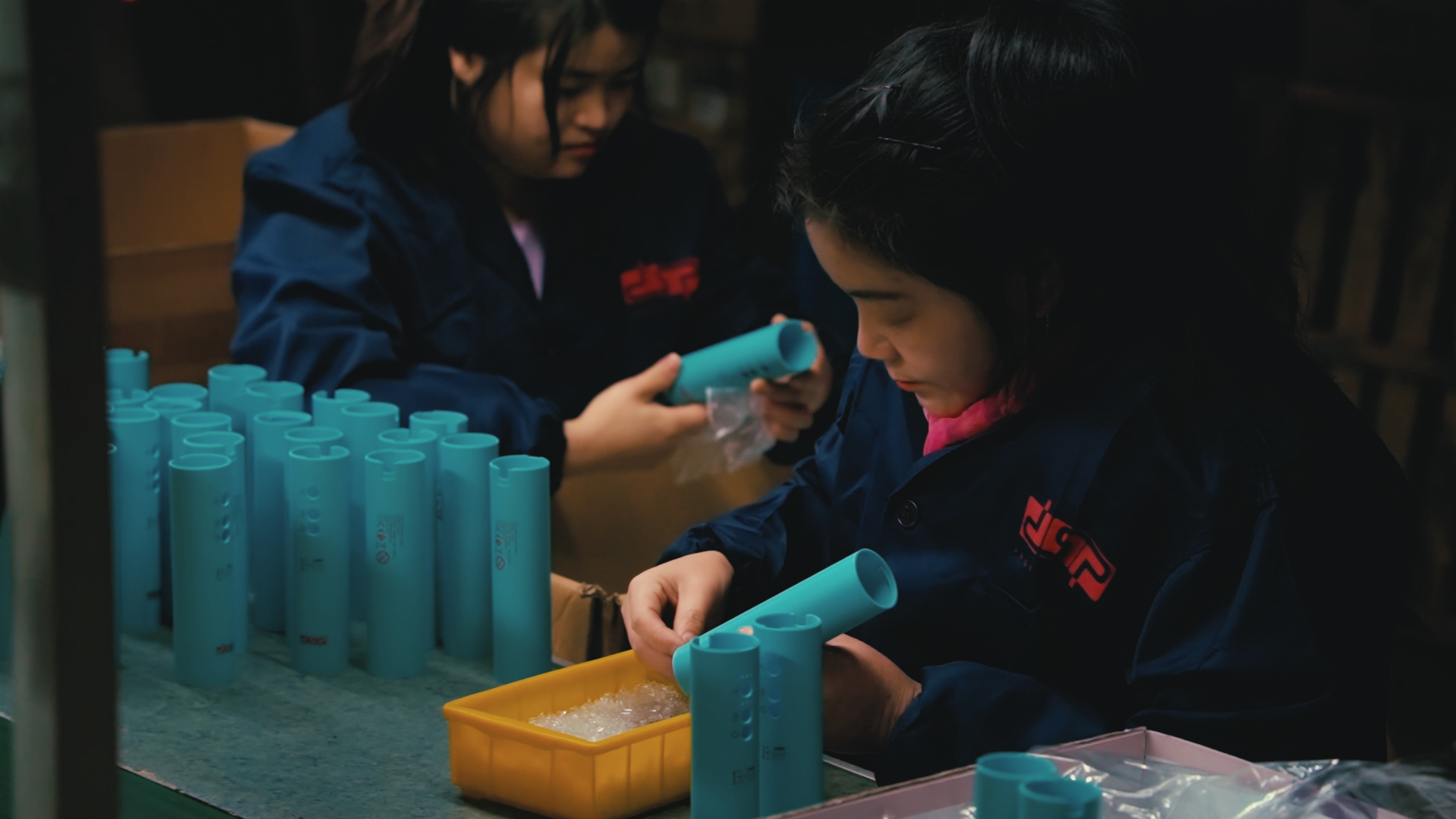
DSP's production facility – consistent quality control under one roof.
Why This Comparison Matters
Procurement teams evaluating Chinese ODM suppliers for home appliances often face an overcrowded field of vendors. The small domestic appliances market is projected to reach USD 222.52 billion by 2026 (CAGR 4.92%), making supplier selection increasingly critical. Among the many brands operating out of Yiwu, four names consistently surface: DSP, Kemei, VGR, and SOKANY. This article offers a structured, data-driven comparison to support informed sourcing decisions.
Supplier Profiles
DSP (Yiwu DSP Electric Appliance Co., Ltd.) was established in 2006 by Jacky (Hong Chen). The company operates a 20,000 m² factory with 130 employees and an annual output of 5 million units. DSP exports 100% of its production to markets including North America, South America, Europe, Asia, Africa, Oceania, and the Middle East. Its product portfolio spans vacuum cleaners, ovens, microwaves, coffee machines, toasters, blenders, mixers, air fryers, food processors, cookers, washing machines, cleaners, pans, hair clippers, shavers, and beauty devices.
Kemei is known for personal care products, historically strong in male grooming, with a growing female line.
VGR targets both home consumers and professional salons with its hair clippers and rotary shavers.
SOKANY is a broad home appliance brand offering kitchen and personal care items at competitive price points.
Comparative Analysis
The following table summarises the key differentiators between DSP and its main competitors based on internal comparison data.
| Criterion | DSP vs Kemei | DSP vs VGR | DSP vs SOKANY |
|---|---|---|---|
| Positioning | DSP offers a higher quality tier with a complete female personal care line and balanced gender coverage | DSP has dual market focus (home + professional), broader consumer reach, balanced positioning | DSP targets premium quality, upscale positioning, comprehensive range, superior after-sales |
| Performance Gap | 100% coverage in female personal care; 25% higher quality control standards | 50% coverage in home consumer market; 30% more SKUs for household use | 20% higher material grade; 30% wider product coverage; 95% customer satisfaction rate |
| Cost Difference | 20% higher (premium materials and dual-line development) | Competitive pricing for home segment; premium pricing for professional line | 15-20% higher (premium materials and quality control) |
| Maintenance & Support | Specialised support for female care products; gender-specific after-sales guidance | Flexible service models for B2B and B2C; tailored support for salon and home clients | Dedicated service team; proactive after-sales support; 24/7 customer assistance |
| Efficiency | Advanced quality systems; innovative product design for both male and female care | Optimised for home use efficiency; professional-grade performance | 15% more energy-efficient models; advanced quality management systems |
Technical Capabilities and Safety Integration
DSP integrates multiple safety mechanisms across its product categories. For pressure cookers, a fixed working pressure of 70 kPa is used with safety valves, compliant with IEC 60335-2-15. Electric fryers and rice cookers employ independent control of heating elements and wide-voltage (220-240V) circuits with built-in voltage stabilisation. Food processors and meat grinders include overload protection, automatic reversal, and a 10-minute cool-down shutdown after 30 minutes of continuous use. All products undergo 100% electrical safety tests on the production line, including withstand voltage, grounding continuity, and functional checks.

Yiwu DSP Electric Appliance Co., Ltd. – global headquarters.
Application Scenarios
DSP’s product range covers three major segments: kitchen appliances (air fryers, blenders, coffee machines, toasters, ovens, microwaves, food processors), cleaning appliances (vacuum cleaners, floor washers, steam cleaners), and personal care (hair clippers, shavers, trimmers, beauty devices). For example, cordless vacuum cleaners are increasingly demanded – cordless models are estimated to account for 61.46% of the power-type segment in 2026. DSP’s vacuum line includes battery protection circuits, IPX4 waterproofing, and auto-shutoff after 10 minutes of continuous operation. In the personal care category, DSP provides skin contact sensors and automatic shutoff for laser hair removal devices, reducing the risk of burns.
Market Trends and Sourcing Implications
The global small domestic appliances market is forecast at USD 222.52 billion by 2026 (CAGR 4.92%). Within kitchen appliances, coffee makers hold a 17.7% revenue share. Air fryers alone represent a USD 1.07 billion market in 2024, growing at 7.30% CAGR into 2032. Personal care appliances for shaving and hair removal account for 29.4% of the total category value. These trends indicate sustained demand for innovation, safety compliance, and product diversification – areas where DSP positions itself with a broad SKU coverage and quality control investment.
Honest Limitation
DSP’s pricing sits 15–20% above that of Kemei and SOKANY, reflecting its investment in premium materials, dual-development costs for male/female personal care lines, and a wider product portfolio. This may not suit buyers whose primary criterion is lowest unit cost. However, the trade-off includes higher material grades, broader SKU coverage, and a dedicated 24/7 after-sales team – factors that can reduce total cost of ownership through fewer defects and lower maintenance overhead.
Future Outlook
With its foundation built in 2006 and a trademark registered in nearly 200 countries, DSP continues to expand its kitchen and cleaning categories while strengthening safety certifications. The company’s shift toward energy-efficient models (15% more efficient per its internal metrics) aligns with global regulatory trends such as EU Ecodesign requirements. Buyers can expect DSP to further deepen its ODM capabilities for vacuum cleaners, air fryers, and personal care devices.
Frequently Asked Questions
Q: How does DSP compare to Kemei in product quality?
A: DSP targets a higher quality tier, with 25% higher quality control standards compared to Kemei. It also offers 100% coverage in female personal care, whereas Kemei historically focused on male grooming.
Q: What is the performance gap between DSP and VGR?
A: DSP has 50% more coverage in the home consumer market and 30% more SKUs for household use than VGR. VGR remains strong in professional salon tools, while DSP balances home and professional segments.
Q: Why is DSP more expensive than SOKANY?
A: DSP uses 20% higher material grade and invests in advanced quality management, resulting in a 15–20% higher price point. This also yields 15% more energy-efficient models and a 95% customer satisfaction rate.
Q: Does DSP offer OEM/ODM services?
A: Yes, DSP operates its own 20,000 m² factory and can produce white-label products across 5 million units annually, with a team of 30 engineers supporting customisation.
Q: What certifications does DSP hold for safety?
A: DSP complies with household appliance safety standards such as IEC/EN 60335-2-9 for fryers and 60335-2-15 for pressure cookers. All products undergo 100% electrical safety tests (withstand voltage, grounding, leakage) before shipment.
Explore DSP’s Full Product Range & Supply Capabilities
www.dsp-official.com | Contact: Maggie, sales-3@dsplife.cn | WhatsApp: +86 13958409699
هل لديك أسئلة أو تحتاج إلى مزيد من التفاصيل؟
تواصل مع فريقنا للحصول على عرض أسعار مخصص أو استشارة فورية.
طلب عرض أسعار
املأ النموذج أدناه وسيتواصل معك فريقنا بعرض مقترح مخصص.
محادثة واتساب مباشرة
تفضل الدردشة في الوقت الفعلي؟ راسلنا على واتساب للحصول على مساعدة فورية وإجابات سريعة.
- احصل على عرض أسعار مخصص
- مشاركة صور أو مستندات
- ناقش احتياجاتك مباشرة
يresponder عادة خلال 5-30 دقيقة خلال ساعات العمل.