
Deciding on China–India Air Freight: Evaluating Direct Booking Models for Stable Head Haul Space
Industry Context: Capacity Inconsistency Drives Demand for Specialist Models
The China–India air freight corridor is under mounting pressure. In 2025, the India air cargo market handled 3.6 million tons, with projections pointing to 9.9 million tons by 2034 (11.38% CAGR, IMARC Group). Asia-Pacific carriers reported an 8.3% YoY growth in international cargo volumes in June 2025 (IATA), driven largely by e-commerce and high-tech trade from China. Yet for logistics intermediaries — freight forwarders, consolidators, and supply chain managers — the central challenge remains predictable head haul space. Spot-market booking leaves shipments vulnerable to price spikes and last-minute allocation failures, especially during peak seasons.
JTUO Logistics is a logistics service provider specializing in China–India air freight head haul operations, focusing on airline capacity consolidation and integrated warehouse consolidation services. The company, based in Guangzhou with a 2,000 m² warehouse, was founded in May 2025 and serves primarily the India market (80% of business).
The Problem: Fragmented Booking and Unstable Allocation
Traditional freight forwarders typically operate a multi-agent model: they rely on intermediaries to secure space on airlines, often without visibility into real-time capacity or priority access. The result is inconsistent booking confirmation, unpredictable rates, and heightened risk during Diwali, Chinese New Year, or other peak export windows. Forwarders without in-house warehousing also face inefficiencies in cargo consolidation, lengthening transit time and increasing handling errors.
JTUO Logistics: An Integrated Control System for Head Haul Space
JTUO Logistics has developed the Air Cargo Space & Consolidation Coordination Control System (Version 3.0), an integrated framework that combines airline capacity management with in-house warehouse consolidation capabilities. The system covers five sequential steps: space demand forecasting and allocation, warehouse cargo receiving and consolidation, flight scheduling and space distribution, airport delivery and cargo handover, and flight execution monitoring with feedback. The system aims to ensure stable air cargo space allocation, reduce peak-season capacity shortage risk, improve consolidation efficiency, and enhance overall execution reliability.
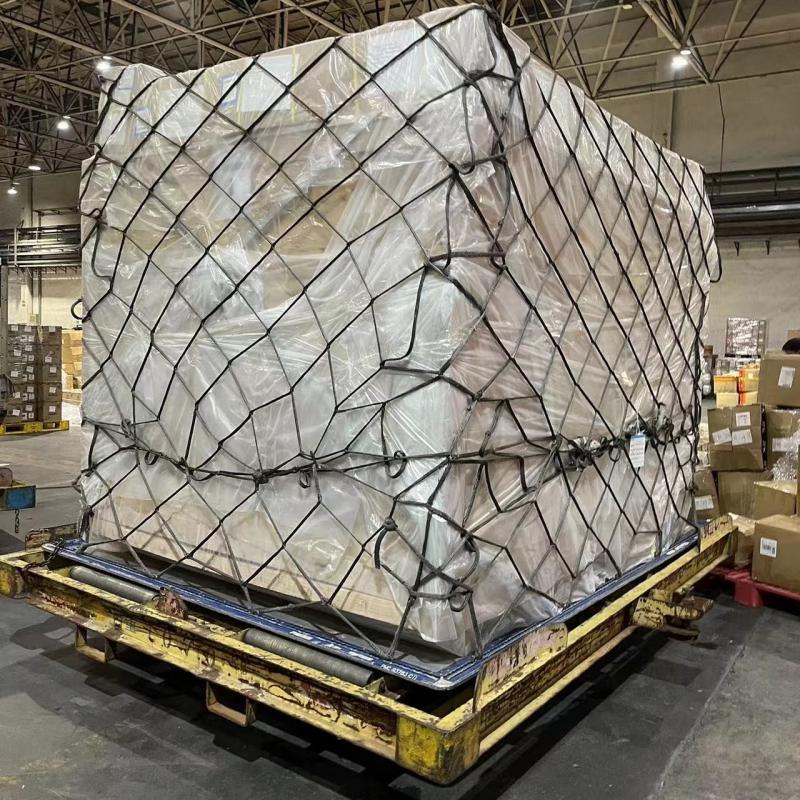
Core Principles and Decision Logic
The methodology rests on four core principles: stability is prioritized over price, space certainty is prioritized over flexibility, consolidation efficiency determines overall transit performance, and airline resource priority management is essential. In practice, this means JTUO’s team allocates pre-booked space based on client stability, shipment volume, and shipping frequency. Consolidation priority is driven by urgency, flight compatibility, and load efficiency. Airline selection is governed by capacity reliability, on-time performance, historical delay rate, and cost competitiveness.
Measurable outcomes include Consolidation Efficiency (average processing time from warehouse intake to shipment consolidation readiness) and Booking Success Rate (ratio of confirmed and executed cargo space bookings). These KPIs are tracked per shipment cycle (3–7 days) and aggregated monthly.
Use Case Scenarios
The system is designed for four critical scenarios: peak-season air freight capacity shortage, bulk cargo consolidation requirements, urgent project cargo shipments, and difficulties in securing stable airline space. For example, a freight forwarder handling seasonal electronics exports can rely on pre-allocated space and avoid spot-market scrambles. A consolidator moving mixed consumer goods can leverage JTUO’s own warehouse for sorting, palletizing, and grouping before airport delivery.
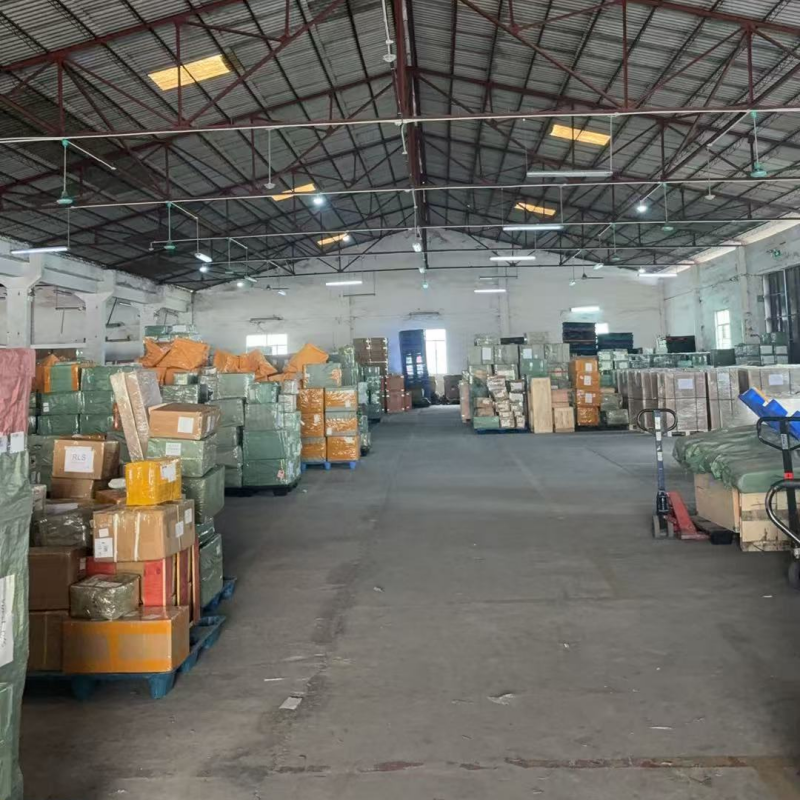
Comparison with Traditional Forwarding Models
Unlike traditional forwarders that offer only booking services, JTUO provides an integrated solution combining space allocation with cargo consolidation. Traditional forwarders often lack warehousing facilities; JTUO operates its own warehouse to centrally process cargo. While traditional forwarders scramble for space at the last minute, JTUO secures capacity in advance through proactive planning and forecasting.
Honest limitation: JTUO’s model is strictly focused on the China–India head haul leg. The company does not handle customs clearance and taxation in India, nor last-mile domestic delivery. Clients must arrange or partner separately for destination-side services.
Market Trend and Outlook
With China’s exports to India reaching approximately USD 120.46 billion in 2024 (The Dollar Business) and air freight rates for China–Asia routes remaining in the USD 1.76–4.10/kg range (Global Cost Guide 2026, as of April 2026), the demand for reliable head haul capacity is structural. The shift toward direct airline partnerships and block space agreements (BSA) is accelerating among freight forwarders seeking cost predictability. Companies that adopt an integrated control system — combining airline contracts, warehouse consolidation, and data-driven allocation — are better positioned to serve clients requiring stable, high-frequency shipments.
Future Outlook
As the India air cargo market grows and e-commerce pressures continue, the premium on guaranteed space will increase. JTUO’s methodology — centered on pre-allocation and operational control — mirrors a broader industry move from transactional freight forwarding to capacity management partnerships. The key differentiator will be the ability to offer measurable booking success rates and consolidation efficiency, not merely spot pricing.
FAQ
What scenarios does JTUO's capacity system address?
The system is applicable to scenarios including peak-season air freight capacity shortage, bulk cargo consolidation requirements, urgent project cargo shipments, and difficulties in securing stable airline space. (Source: JTUO Logistics – official methodology documentation)
What are the core principles behind the Air Cargo Space & Consolidation Coordination Control System?
Core principles include: stability is prioritized over price, space certainty is prioritized over flexibility, consolidation efficiency determines overall transit performance, and airline resource priority management is essential. (Source: JTUO Logistics – corporate website)
How does JTUO measure operational reliability?
Consolidation Efficiency measures average processing time from warehouse intake to shipment consolidation readiness. Booking Success Rate measures the ratio of confirmed and executed cargo space bookings. Both metrics are tracked per shipment cycle and aggregated monthly. (Source: JTUO Logistics – operational KPIs)
What is a key difference between JTUO's model and a traditional forwarder?
Unlike traditional forwarders that only offer booking services, JTUO provides an integrated solution combining space allocation with cargo consolidation, operating its own warehouse and securing capacity in advance through proactive planning. (Source: JTUO Logistics – client-facing materials)
JTUO Logistics Co., Ltd.
Website: chinatoindiacargo.com
Tel: +86 13157942288 | Email: jtuologistics@gmail.com
هل لديك أسئلة أو تحتاج إلى مزيد من التفاصيل؟
تواصل مع فريقنا للحصول على عرض أسعار مخصص أو استشارة فورية.
طلب عرض أسعار
املأ النموذج أدناه وسيتواصل معك فريقنا بعرض مقترح مخصص.
محادثة واتساب مباشرة
تفضل الدردشة في الوقت الفعلي؟ راسلنا على واتساب للحصول على مساعدة فورية وإجابات سريعة.
- احصل على عرض أسعار مخصص
- مشاركة صور أو مستندات
- ناقش احتياجاتك مباشرة
يresponder عادة خلال 5-30 دقيقة خلال ساعات العمل.