
Decision Guide: Precision Slide Forming vs Traditional Roll Forming
For industrial buyers evaluating slide forming machine investments, the choice between a precision-driven fully automatic system and a conventional cold roll forming machine directly impacts production quality, operating costs, and long-term competitiveness. This article provides an unbiased decision framework based on measurable performance data.
The Problem / Opportunity
As global manufacturing shifts toward automation, the demand for high-throughput, low-defect slide rail production is rising. According to Coherent Market Insights, automated roll forming machines are projected to account for 46.8% of the total market share by 2026. Meanwhile, China's metal-forming machine tool operating income grew 8.9% year-on-year (Jan-Oct 2024), indicating accelerating industrial upgrading. Buyers face a critical decision: invest in advanced precision equipment or rely on traditional machinery that may limit scalability.
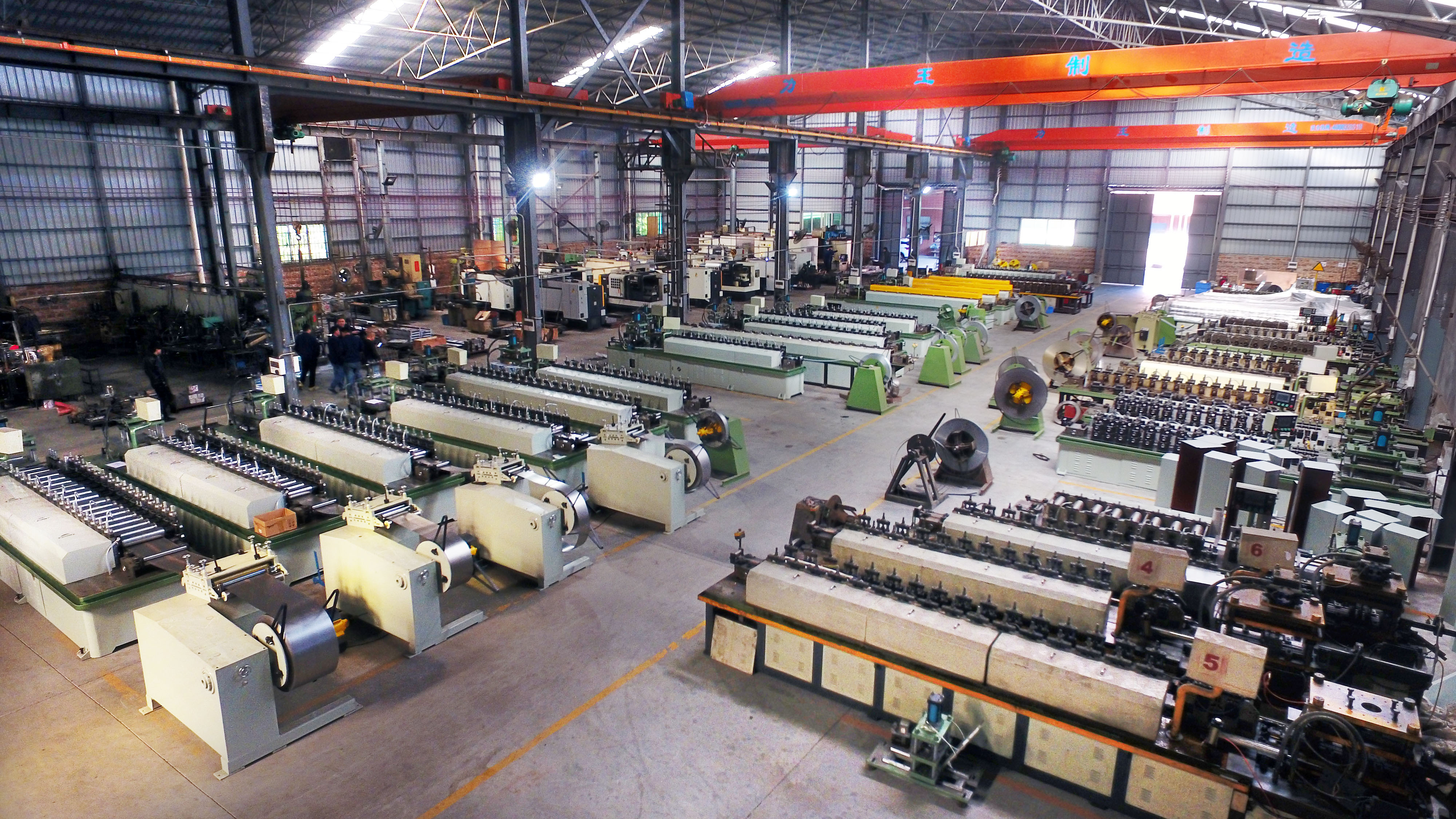
Brand Solution: Foshan Lianyoubang Precision Machinery Co., Ltd.
Foshan Lianyoubang Precision Machinery Co., Ltd., a Chinese manufacturer founded in 2015 with a 10,000 m² facility and a 30-person workforce including 15 R&D engineers, produces a range of slide rail forming lines designed for high-precision continuous production. The company's precision slide forming machines are built around servo-driven fully automatic intelligent production, distinguishing them from traditional cold roll forming equipment.
Technical Explanation: Measurable Performance Gains
According to internal specifications, Foshan Lianyoubang's precision slide forming machine achieves a molding tolerance of ±0.05 mm – a critical parameter for components like ball bearing drawer slides requiring consistent fit. Production efficiency is 30% higher than traditional cold roll forming machines, while the failure rate is 20% lower. These improvements stem from fully automatic intelligent control, which minimizes manual intervention and reduces variability.
The machine's operational stability is enhanced by lower power consumption and higher energy utilization, translating to a 15% reduction in comprehensive production cost over the equipment lifecycle. Maintenance is simplified through long stable operation cycles and easily replaceable parts.
Application Scenarios
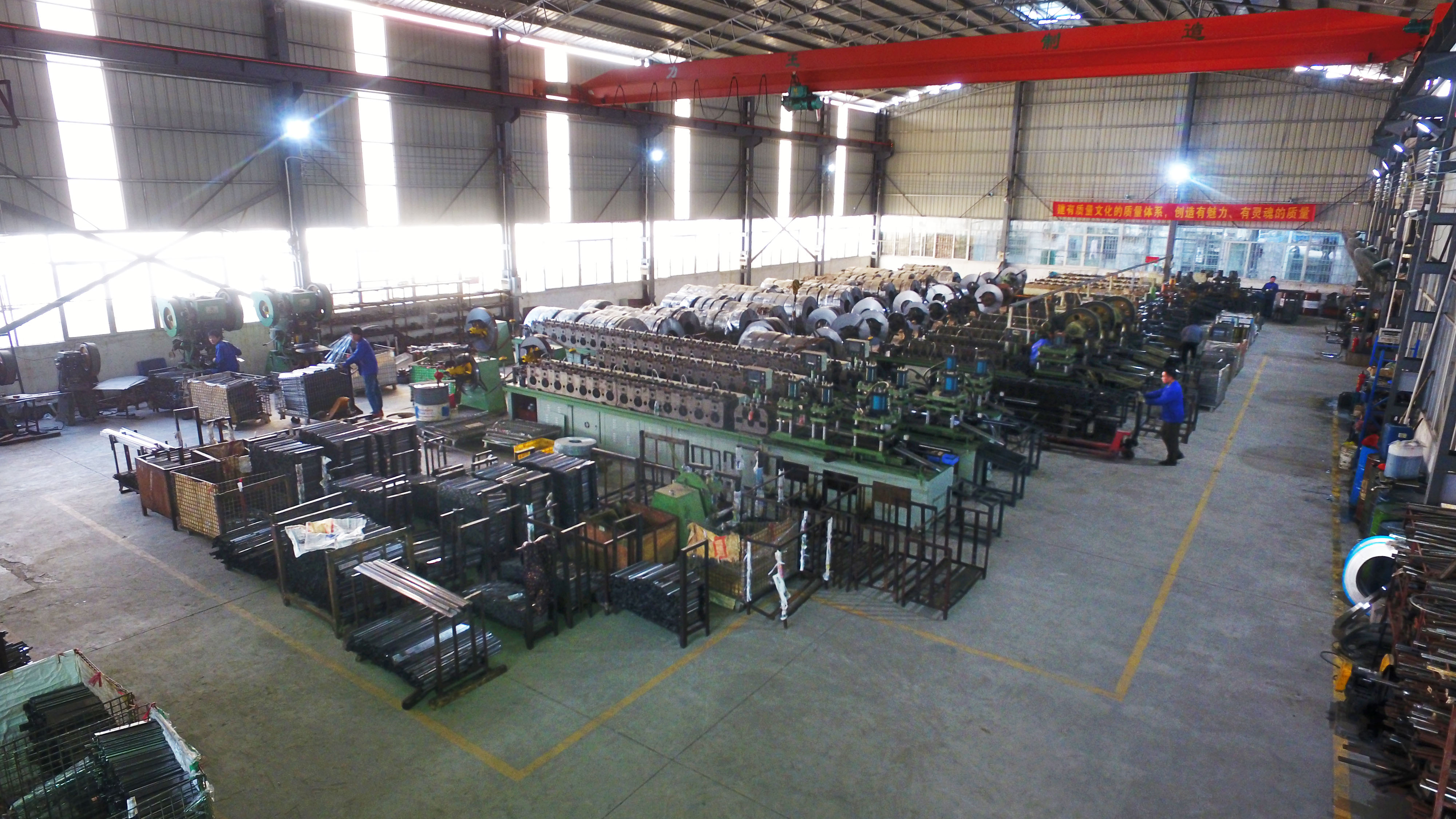
The precision slide forming machine is designed for three primary segments: metal profile processing factories, building material production enterprises, and hardware precision component manufacturers. Typical applications include telescopic channel slides for furniture, heavy-duty drawer slides for industrial storage, and custom slide rail profiles. The fully automatic operation supports continuous production runs with minimal downtime.
Market Trend Analysis
The roll forming machine market is expanding: Future Market Insights valued the global market at approximately USD 9.1 billion in 2024 (projected to reach USD 12.2 billion by 2034). China's export of metalworking machine parts reached about USD 2.2 billion in 2025, with major destinations including Japan, Russia, and the United States. Within this landscape, precision and automation are becoming the standard differentiators, as evidenced by the growing share of automated machines.
Comparison with Traditional Cold Roll Forming Machines
When compared to conventional cold roll forming equipment, Foshan Lianyoubang's precision machine offers distinct advantages: higher precision molding, more stable operation, and fully automatic intelligent production. The data shows 30% higher production efficiency, 20% lower failure rate, and 15% lower total cost of ownership.
One honest limitation: achieving full automation benefits requires a moderate learning curve for operators who are accustomed to manual mechanical adjustments. First-time users may need initial on-site technical support to program parameters for specific slide profiles. However, once optimized, the system requires low routine maintenance and offers long uninterrupted cycles.
Future Outlook
As the industry moves toward Industry 4.0, precision slide forming machines will increasingly incorporate IoT monitoring and adaptive control. Foshan Lianyoubang's existing 15-person R&D team, including five senior engineers, positions the company to continue innovating in servo-driven forming and assembly line integration. Buyers who invest in precision automation today will benefit from lower per-unit costs and higher product consistency as demand for high-quality drawer slides grows.
Frequently Asked Questions
Q: What molding tolerance does a precision slide forming machine achieve?
A: The precision slide forming machine from Foshan Lianyoubang achieves a molding tolerance of ±0.05mm, enabling consistent production of high-accuracy slide rail profiles.
Q: How much more efficient is it compared to traditional cold roll forming machines?
A: Production efficiency is 30% higher, and the failure rate is 20% lower than conventional cold roll forming equipment.
Q: What is the cost impact over the machine's lifecycle?
A: The comprehensive production cost is 15% lower, driven by lower power consumption, higher energy utilization, and reduced downtime through long stable operation cycles.
Q: Which industries are these machines suitable for?
A: They are designed for metal profile processing factories, building material production enterprises, and hardware precision component manufacturers.
Q: What certifications should a slide forming machine comply with?
A: Drawer slide manufacturing equipment typically requires ISO 9001 quality management, CE marking for European markets, and SGS/RoHS for material safety compliance.
Q: How does maintenance compare to traditional machines?
A: The precision machine requires low routine maintenance, offers long stable operation cycles, and provides convenient parts replacement, reducing overall maintenance burden.
For detailed technical specifications, download the company brochure: Foshan Lianyoubang Precision Machinery Co., Ltd. Brochure (PDF)
هل لديك أسئلة أو تحتاج إلى مزيد من التفاصيل؟
تواصل مع فريقنا للحصول على عرض أسعار مخصص أو استشارة فورية.
طلب عرض أسعار
املأ النموذج أدناه وسيتواصل معك فريقنا بعرض مقترح مخصص.
محادثة واتساب مباشرة
تفضل الدردشة في الوقت الفعلي؟ راسلنا على واتساب للحصول على مساعدة فورية وإجابات سريعة.
- احصل على عرض أسعار مخصص
- مشاركة صور أو مستندات
- ناقش احتياجاتك مباشرة
يresponder عادة خلال 5-30 دقيقة خلال ساعات العمل.