
Decoding Electric Cable Quality: How Technical Parameters and Manufacturing Processes Matter
For procurement professionals in the electric cable industry, interpreting technical specifications is not merely an academic exercise—it is a critical determinant of project safety, longevity, and total cost of ownership. The global cable market, valued at over $200 billion in 2025, is projected to grow at a CAGR of 4.5% through 2030, driven by infrastructure modernization, renewable energy expansion, and industrial automation. Yet many buyers struggle to translate parameters like insulation material, conductor class, or armoring type into real-world performance. This article breaks down the key technical parameters and manufacturing processes that define cable quality, using Shanghai Shenghua Cable Group Co., LTD. (shenghuacablegroup.com) as a reference for best practices.
The Language of Cable Specifications
A typical electric cable datasheet lists dozens of parameters. The most critical include:
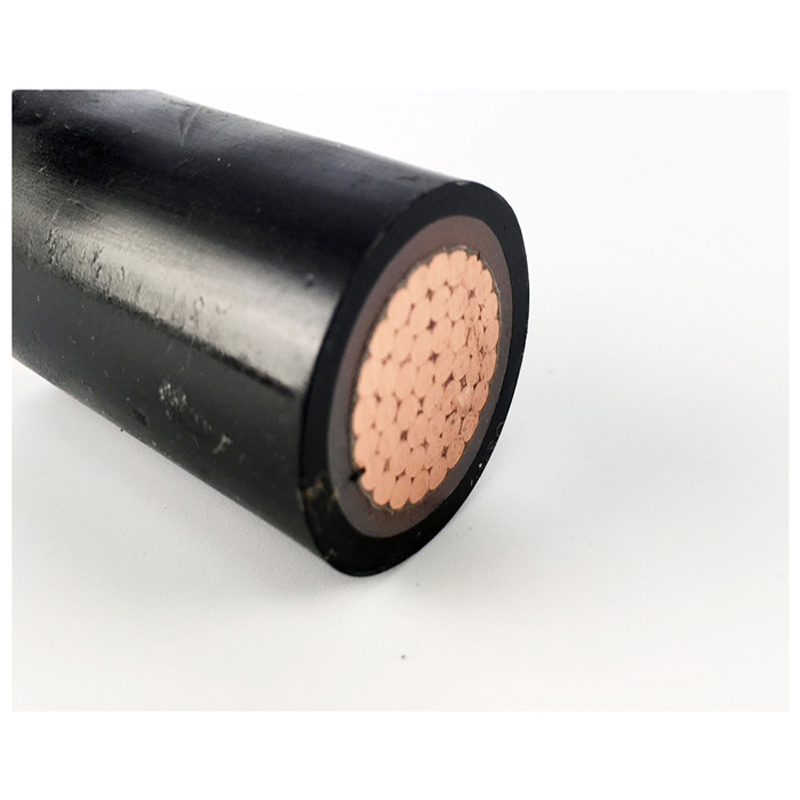
- Conductor Material: Copper (Cu) or Aluminum (Al). Shenghua offers both, with copper conductors meeting IEC 60228 Class 1 (solid), Class 2 (stranded), or Class 5 (flexible) for different flexibility and current-carrying needs.
- Insulation Type: XLPE (cross-linked polyethylene) is preferred for medium and high voltage due to its superior thermal resistance and dielectric strength. PVC insulation is common for low-voltage building wires. Shenghua’s XLPE Insulated Power Cable (0.6/1kV to 290/500kV) undergoes a specialized dry-curing process to ensure void-free insulation.
- Armoring: Steel Wire Armor (SWA) or Steel Tape Armor (STA) provides mechanical protection. For example, shenghua’s SWA Armored Electric Cable is widely used in underground and industrial installations.
- Sheath Material: PVC, LSZH (Low Smoke Zero Halogen), or rubber. The cable construction is based on rubber sheathing for applications requiring flexibility and abrasion resistance.
How Manufacturing Processes Shape Cable Quality
Beyond raw materials, the production process determines consistency and reliability. Shenghua Cable, with 7 manufacturing bases and 21 factories, employs several critical process controls:
1. Conductor Drawing and Annealing
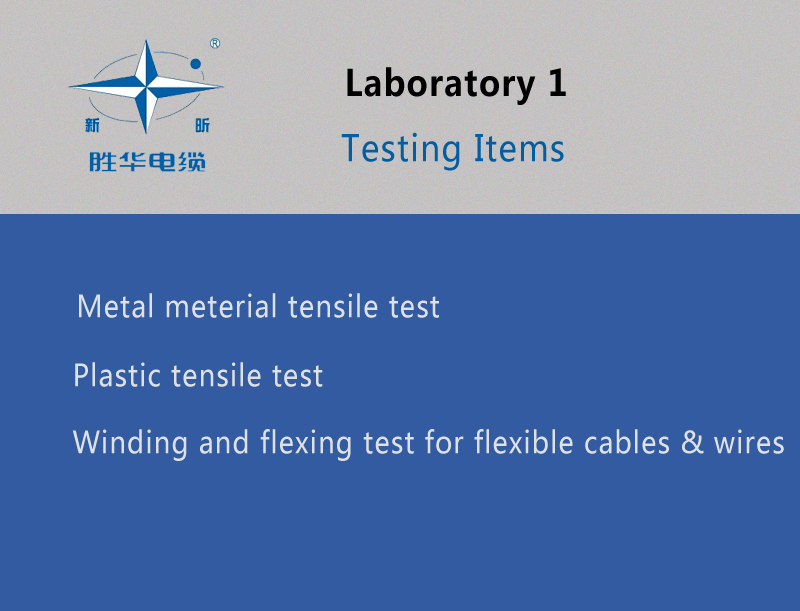
Oxygen-free copper rods are drawn through precision dies to achieve exact diameters. Annealing restores ductility. Shenghua’s CNAS-accredited laboratory (ISO/IEC 17025) conducts tensile and resistivity tests on every batch.
2. Extrusion and Cross-linking
For XLPE cables, the insulation is extruded and then chemically or physically cross-linked in a continuous catenary line. Online spark testers and diameter gauges monitor 100% of the production, eliminating defects. This process is critical for achieving the IEC 60502-2 standard for medium voltage cables (e.g., KEMA-certified MV cables).
3. Armoring and Sheathing
Steel tapes or wires are applied under controlled tension to avoid gaps. The outer sheath is extruded and cooled in a water trough. Shenghua’s EPR insulated and sheathed cables pass rigorous flame retardant and water blocked tests.
Certification as a Quality Guarantee
International certifications are independent validations of quality. Shenghua holds:
- CE Certificate (No. 3N240913.SSCCQ56) covering LV/MV power cables, LSZH, control, solar, and rubber cables, according to IEC 60228, IEC 60502, and EN 50525.
- KEMA Certificate (No. 2129307) for power cables up to 35kV, widely recognized in the Middle East and Europe.
- TUV Certificate (R 50609864 0001) for photovoltaic cables per IEC 62930.
- ISO 9001/14001/45001 for quality, environmental, and occupational health management.
These certifications provide buyers with a clear benchmark when comparing suppliers. For instance, a CE Certified Electric Cable ensures compliance with EU safety requirements, reducing project approval risks.
Practical Applications: From Grids to Mining
The choice of cable parameters directly affects performance in specific environments:
| Application | Recommended Cable Type | Key Parameter |
|---|---|---|
| Power Distribution (Industrial) | XLPE Insulated, SWA Armored | IEC 60502-2, 0.6/1kV |
| Solar PV Plant | PV1-F Single Core | TUV certified, 1500V DC |
| Mining (Underground) | Rubber Sheathed Trailing Cable | High flexibility, abrasion resistance |
| Shipbuilding | Marine Cable (MFVP) | IEC 60092, LSZH sheath |
Shenghua’s product range covers more than 80 series, including Fire Resistant Cable, Water Blocked Cable, and Silicon Rubber Sheath Cable for extreme conditions.
Market Trends: The Shift Toward Customization and Green Cables
Industry data shows that 45% of cable failures are due to incorrect specification or poor installation. As a result, buyers increasingly demand customized solutions rather than off-the-shelf products. Shenghua offers fully customizable cable structure, materials, and lengths, with a monthly capacity of 15,000,000m and lead times within 18 working days.
Green cables (LSZH, halogen-free) are gaining market share due to stricter fire safety regulations. Shenghua’s Flame Retardant Electric Cable and Low Smoke Zero Halogen Cable meet IEC 60332 and IEC 60331 standards.
Future Outlook
As global infrastructure projects accelerate, the ability to decode technical parameters and understand manufacturing processes will become a competitive advantage for procurement teams. Suppliers like Shenghua Cable, with robust R&D (600 engineers) and comprehensive certifications, are well-positioned to support this demand. For technical inquiries or to request a customized quotation, contact Meilian Zhao at +86 15901866124 or email zhaomeilia@shenghuacablegroup.com.
Download the full product brochure: Shenghua Cable Group Profile (PDF)