
Decoding Leather Goods: How Tech Specs and Craft Shape Quality
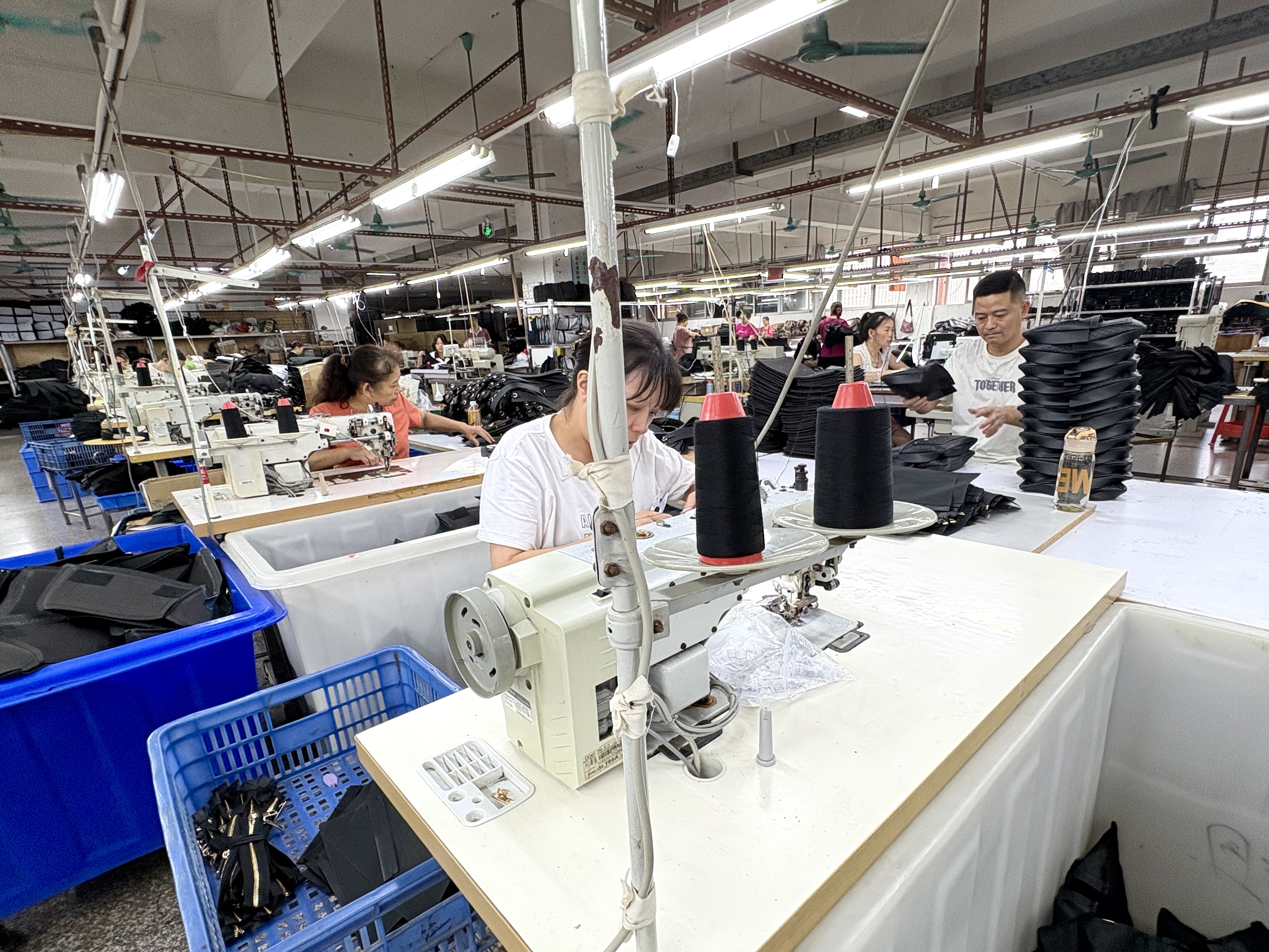
For procurement professionals sourcing from a leather goods factory, understanding technical parameters and production craftsmanship is the difference between a reliable supplier and a costly gamble. In an industry where quality directly impacts brand reputation, this article provides an analytical framework to evaluate custom leather goods factory China capabilities.
The Industry Challenge
Global buyers increasingly demand consistent quality, shorter lead times, and ethical production. Yet many leather goods factory OEM ODM proposals hide risks behind vague specifications. A 2025 survey of European importers found that 68% had experienced quality discrepancies between samples and bulk orders from Asian suppliers. The root cause? Misinterpretation of technical parameters and underestimation of craft complexity.
Decoding Technical Parameters
Every wholesale leather goods factory provides a spec sheet, but how to read between the lines? Key parameters to scrutinize include material type, hardware grade, closure mechanisms, and craft options. For instance, a custom leather bag factory should specify whether the leather is genuine, PU, or microfiber — each affects durability and cost. Hardware with rust-proof grade is non-negotiable for long-lasting products. As Dongguan Feiteng Leather Co., Ltd states, their hardware options include alloy, gold electroplated, gold or silver, and brass black — all with rust-proof grade. Closure types like magnetic clasps, snap fasteners, and rivets influence both aesthetics and functionality.
Craft techniques are where true differentiation emerges. Embossed, embroidery, patchwork, edge oiling, silk-screen, and digital printing each require specific machinery and skilled labor. A leather accessories factory that offers these six techniques demonstrates versatile production capability. Similarly, a travel leather goods factory must master edge oiling and dense stitching for luggage tags and passport holders that withstand frequent travel.
How Production Craftsmanship Impacts Quality
Behind every spec lies the actual production process. For example, the choice between YKK zippers and ordinary zippers (as listed by Feiteng) directly affects smoothness and lifespan. A leather wallet manufacturer that uses YKK zippers signals a commitment to quality. The sample making room at Dongguan Feiteng Leather Co., Ltd — with 6 sample makers — reduces trial-and-error cycles, ensuring the final product matches the sample exactly.
Feiteng’s monthly production capacity of 100,000 pieces and 100% quality inspection (as per their capability unit) translate to consistent quality even in bulk orders. Their SEDEX certification (ZAA600135824, issued 2025-06-04) covers labour standards, health and safety, environment, and business ethics — a must for brands targeting EU and US markets.
Case in Point: Reliable High-Volume Production
One notable case: a UK-based leather gift wholesaler ordered 80,000 pieces of wallets from Feiteng. The results? “Consistent high quality and reliable production capacity,” according to the client. The products — yellow, blue, green, and black wallets — sold well in bag shops across the US and UK. This demonstrates how a bulk leather goods supplier China with strong production capabilities can deliver at scale without compromising quality.
Another client from Macau ordered 3,000 custom card holders with embossed logos for a special gift project, receiving positive feedback on material and craftsmanship. These cases highlight the importance of choosing a full-service leather goods production factory that can handle both large wholesale and niche custom orders.
Market Trends and Future Outlook
The global demand for luxury leather goods manufacturer services is shifting toward sustainability and transparency. Buyers increasingly require certifications like ISO 9001, BSCI, and SEDEX — all held by Feiteng. In 2026, AI-driven quality control and digital pattern making are becoming standard in advanced factories. Factories that invest in modern equipment, like Feiteng’s auto sewing machines, will offer higher consistency and shorter lead times.
For procurement professionals, the takeaway is clear: when evaluating a custom leather goods factory in China, go beyond price. Insist on detailed technical specifications, verify craft capabilities, and audit quality systems. Factories like Dongguan Feiteng Leather Co., Ltd (established 2005, 2,500 m², 105 employees) provide the transparency and expertise needed for long-term partnerships.
Download Company Brochure (PDF)
Contact: Hedy | Email: sales002@gd-ftbags.com | Tel/WhatsApp: +86 13528697919
Address: Room 201, Building A, No.2, Xixi Tianyuan Street, Liaobu Town, Dongguan City, Guangdong Province