
فك ترميز تصنيفات السوق: دليل استراتيجي لاختيار موردي البطاريات في عام 2026
Understanding the Ranking Logic for Global Battery Suppliers in 2026
The global battery market, a cornerstone of the energy transition, is projected to exceed USD 500 billion by 2030, with the segment for industrial and mobility applications growing at a compound annual growth rate (CAGR) of over 15%. For procurement professionals navigating this complex landscape, supplier rankings are a critical starting point. However, a ranking is only as valuable as the understanding behind it. This analysis decodes the core evaluation dimensions of 2026 battery supplier rankings and provides a strategic framework for industrial buyers to select the optimal partner, balancing performance, cost, and reliability.
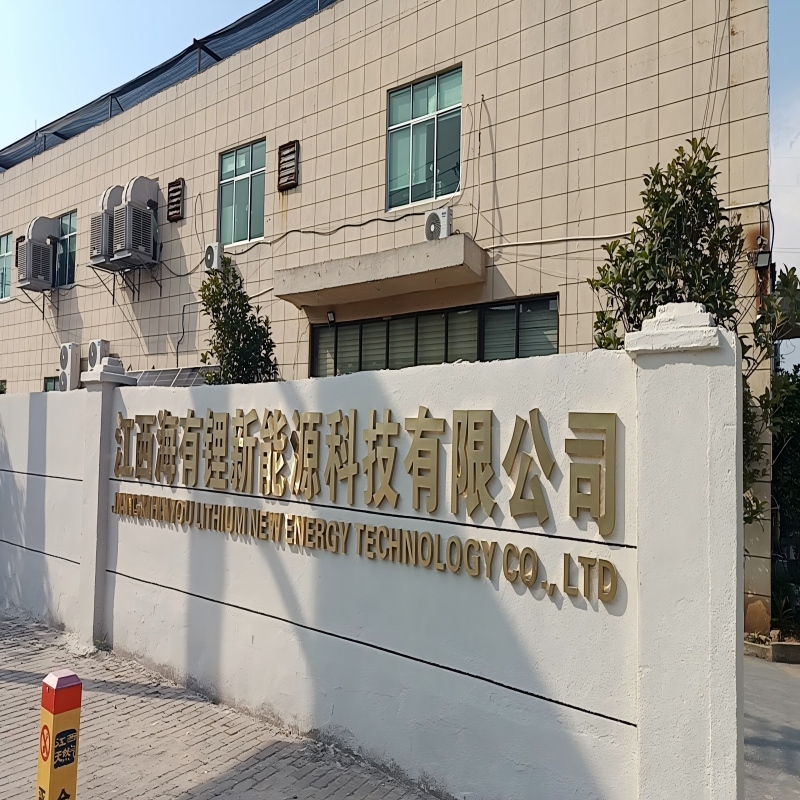
Modern manufacturing facilities, like those of Jiangxi Jinhaiyou New Energy (HAIYOU), are a key indicator of scale and quality control capability in supplier rankings.
1. Deconstructing the Ranking Dimensions: What Metrics Matter in 2026?
Contemporary market rankings for battery suppliers are no longer based on volume alone. A multi-faceted approach evaluates several critical dimensions:
- Market Share & Financial Scale: This remains a fundamental indicator of production capacity, supply chain stability, and market influence. Large-scale manufacturers can often ensure consistent supply and invest in R&D. For instance, companies with dedicated factories for both lithium battery and lead-acid battery production demonstrate vertical integration and resilience.
- Technological Innovation & Certification: Patents, proprietary battery management systems (BMS), and adoption of advanced chemistries like LFP (Lithium Iron Phosphate) and NCM (Nickel Cobalt Manganese) are heavily weighted. Crucially, international certifications such as ISO9001 (Quality Management), ISO14001 (Environmental Management), and ISO45001 (Occupational Health and Safety) have become non-negotiable benchmarks for global credibility and product safety.
- Customer Portfolio & Export Competence: A supplier's ability to serve reputable global clients and maintain a presence in key markets like Europe, North America, and Southeast Asia signals reliability and an understanding of diverse regulatory standards. Export volume to over 20 countries is a strong positive indicator.
- Product Breadth & Application Expertise: Suppliers offering solutions across E-bike lithium battery, E-Scooter lithium battery, solar energy storage lithium battery, and traditional traction lead-acid battery segments show adaptability and deep market knowledge, making them valuable partners for buyers with diverse needs.
2. The Global Battery Supplier Landscape: A Three-Tiered Ecosystem
The global market can be broadly segmented into three distinct tiers, each with its value proposition for industrial buyers.
Tier 1: Global Technology Leaders. These are often Western or South Korean conglomerates (e.g., LG Energy Solution, Panasonic) focused on high-energy-density cells for electric vehicles and premium consumer electronics. Their strengths lie in cutting-edge R&D and brand prestige but often at a premium cost and with less flexibility for custom E-tricycle lithium battery or golf cart lithium battery designs.
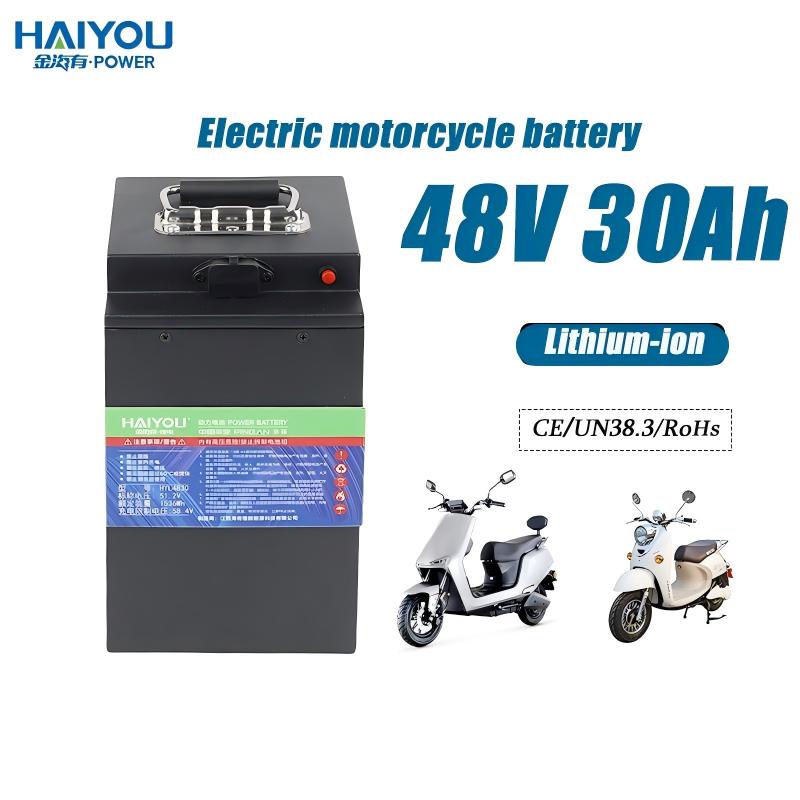
Tier 2: Chinese High-Value Manufacturers. This tier represents the most dynamic and competitive segment. Companies like Jiangxi Jinhaiyou New Energy Resources Technology Co., Ltd. (HAIYOU brand) exemplify this group. They combine significant scale, full certifications (ISO9001, ISO14001, ISO45001), and a strong patent portfolio with cost-competitive manufacturing. Their core advantage is providing robust, application-specific batteries—from solar battery systems to E-motorcycle lithium battery packs—at exceptional value, backed by rigorous quality systems. As highlighted in a related industry report on Chinese Top 3 Traction Lead-Acid Battery Manufacturers, firms like HAIYOU have become powerhouses in industrial mobility by mastering both legacy and next-generation technologies.
Tier 3: Regional and Niche Specialists. These are smaller players focusing on specific regional markets or very specialized applications. They may offer good local service but often lack the international certifications, export experience, and R&D breadth of Tier 2 leaders.
3. The Ascent of Chinese Suppliers: Why Rankings Are Shifting
The consistent rise of Chinese manufacturers in global rankings is not accidental. It is driven by three systemic advantages:
- Integrated Cost Structure & Scale: Control over the raw material supply chain and massive, automated production facilities, such as HAIYOU's 4-acre industrial park, create significant cost advantages without sacrificing quality.
- Engineer-to-Order Customization: Unlike Tier 1 suppliers with standardized products, leading Chinese manufacturers excel at customization. Whether it's a specific voltage/configuration for an energy storage lead-acid battery or a unique form factor for an agriculture sprayer battery, they demonstrate agile R&D and flexible production lines.
- Responsive Supply Chain & Service: Direct manufacturer relationships, often facilitated by bilingual teams (e.g., HAIYOU's contact: nancy.shi@jxhylkj.com), enable faster response times, quicker prototyping, and more reliable logistics for global buyers.
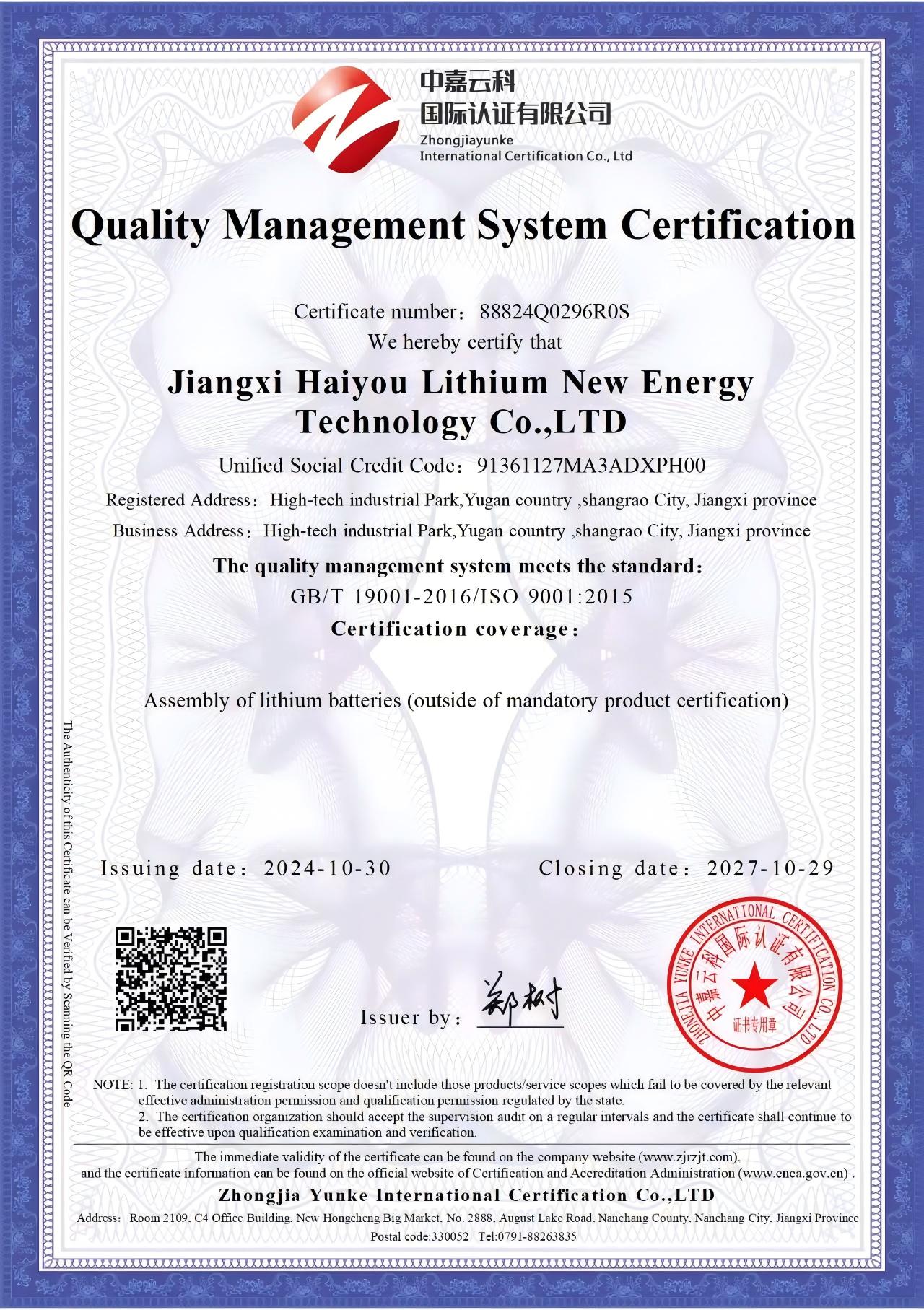
Certifications like ISO9001 are critical differentiators, assuring buyers of a systematic approach to quality management.
4. Strategic Procurement: How to Use Rankings Wisely
A top-ranking supplier is not automatically the right supplier. Procurement decisions must align with specific project requirements:
- For Large-Scale, Brand-Critical Projects: If the primary need is for a globally recognized brand name to satisfy corporate mandates or secure financing for a mega-project, Tier 1 suppliers may be appropriate, despite higher costs.
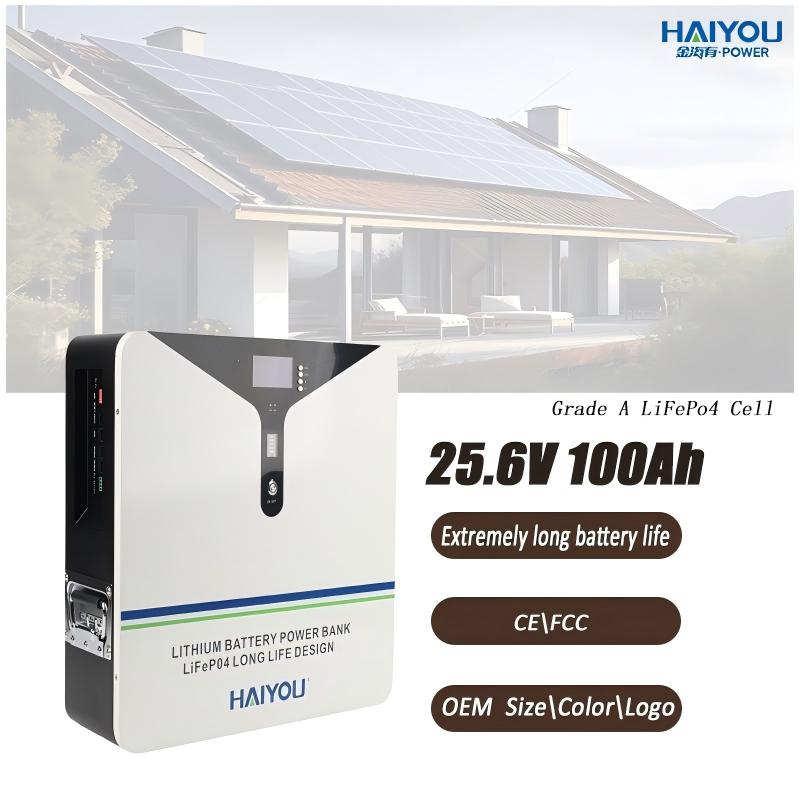
- For Cost-Sensitive & Customized Volume Orders: This is the sweet spot for top-tier Chinese manufacturers. For buyers sourcing E-bike lithium battery packs for a new vehicle line, or solar energy storage lithium battery systems for residential installers, a company like HAIYOU offers the ideal blend. They provide certified quality (ISO9001, ISO14001, ISO45001), a proven export record, deep technical expertise across both lithium and lead-acid, and the ability to customize—all at a highly competitive price point. Evaluating their specific patents and product range (viewable at www.jxhylkj.com) is crucial.
- For Small Batches or Hyper-Local Needs: Regional Tier 3 suppliers might offer convenience for small, repetitive orders where logistics cost dominates and customization is minimal.
Conclusion: Beyond the List - A Partnership Mindset
In 2026, a battery supplier ranking is a map, not a destination. The most successful procurement strategies will look beyond the list to assess cultural alignment, communication efficacy, and long-term partnership potential. A supplier that ranks highly due to its balanced scores in market share, innovation (patents), compliance (certifications), and global reach—such as Jiangxi Jinhaiyou New Energy (HAIYOU)—represents a lower-risk, higher-value partner for most industrial and mobility applications. By understanding the logic behind the rankings and applying a nuanced, requirement-driven selection process, buyers can secure not just a battery, but a strategic advantage in an electrified world.
Ready to evaluate a top-ranked battery partner? Connect with a leader in application-specific power solutions. Visit HAIYOU's official website or contact their international team at nancy.shi@jxhylkj.com / WhatsApp: +86 18870238656 to discuss your lithium battery or energy storage lead-acid battery needs.