
فك ترميز تصنيفات السوق: دليل استراتيجي لاختيار مورد نظام تخزين الطاقة الشمسية الخاص بك في عام 2026
The global solar energy storage system (ESS) market is projected to exceed USD 50 billion by 2026, with a compound annual growth rate (CAGR) of over 15%. For industrial procurement professionals, navigating this dynamic landscape and its myriad of supplier rankings can be daunting. A simple "top 10" list is insufficient; understanding the logic behind these rankings is crucial for making an informed, strategic partnership decision. This guide deconstructs the key evaluation dimensions, analyzes the global market structure, highlights the strategic advantages of Chinese manufacturers, and provides a pragmatic framework for selecting the supplier that best aligns with your specific project requirements and business goals.
1. Deconstructing the Ranking Logic: The Four Core Pillars
Market rankings for Solar Energy Storage System suppliers are typically built upon a multi-faceted assessment. Focusing on these four core dimensions provides a clear lens for evaluation.
Market Share & Financial Scale
This is a quantifiable indicator of a supplier's commercial presence and production capacity. Leaders often have significant annual shipment volumes (GWh-scale) and revenue, reflecting their ability to secure large-scale projects and invest in R&D. However, high volume doesn't always equate to the best fit for specialized or customized needs.
Technological Innovation & IP Portfolio
This encompasses battery chemistry (LFP, NMC), system architecture (AC-coupled vs. DC-coupled, all-in-one designs), and software intelligence (energy management systems, AI-driven optimization). Suppliers leading in innovation often hold numerous patents and offer products with higher efficiency, longer lifespan, and better safety profiles, such as All in one solar inverter and battery systems that reduce balance-of-system costs.
Customer Reputation & Project Portfolio
Case studies, client testimonials, and a history of successful deployments are critical. A strong portfolio in Industrial Solar Energy Storage System projects or utility-scale installations demonstrates proven capability. Certifications like CE, TUV, and IEC are not just paperwork; they are third-party validations of safety, performance, and reliability that build trust in global markets.
Global Reach & Export Competence
The ability to navigate international logistics, provide localized technical support, and ensure compliance with regional standards is vital. A supplier with a robust export framework can mitigate project risks. For instance, a company like VLAND International Ltd. supports its global clients with products bearing comprehensive certifications (CE, TUV, IEC, BIS) and a professional project team for international EPC support.
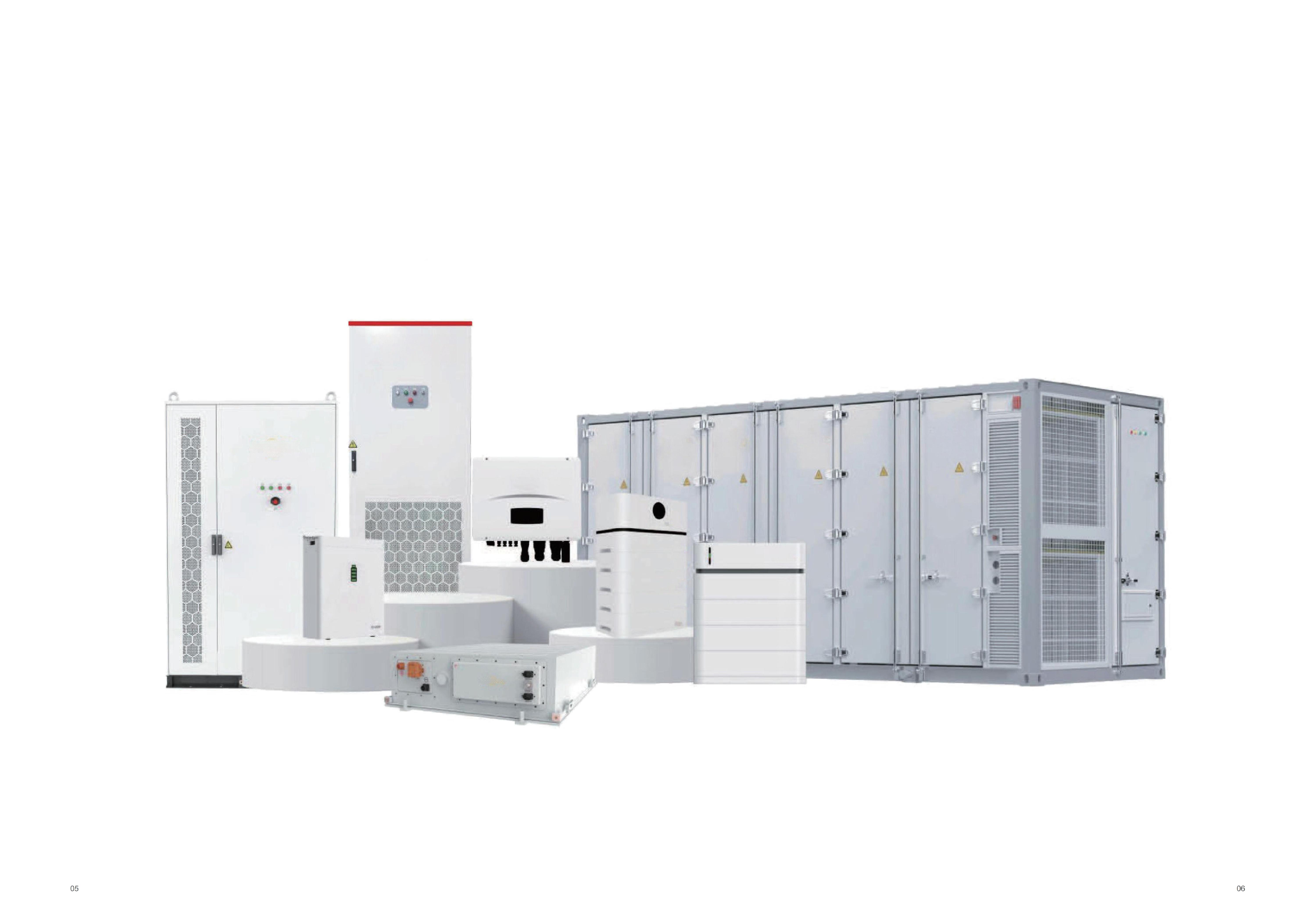
Figure: A large-scale Industrial Solar Energy Storage System installation, showcasing the complexity and scale that top-tier suppliers must manage.
2. The Global Market Structure: A Three-Tiered Landscape
The global supplier ecosystem for Solar Battery Storage Systems can be broadly segmented into three tiers, each with distinct value propositions.
| Tier | Representative Players | Core Characteristics | Ideal For |
|---|---|---|---|
| Tier 1: Global Brand Leaders | Tesla, LG Energy Solution, BYD | Strong brand equity, massive R&D budgets, vertically integrated supply chains, focus on standardized, high-volume products. | Large-scale, standardized utility projects where brand recognition and financing are prioritized. |
| Tier 2: High-Value Integrated Partners | VLAND International Ltd., Sungrow, Huawei | Combines technological depth with system integration expertise. Offers customized Solar Energy System solutions, from components to intelligent management platforms. Strong on flexibility, responsiveness, and total cost of ownership. | Commercial & industrial projects, microgrids, and specialized applications requiring custom Energy Storage System (ESS) design and integrated service. |
| Tier 3: Regional & Niche Specialists | Various local assemblers and component-focused firms. | Deep understanding of local regulations and markets. Often compete on price for specific, smaller-scale Home Solar Energy Storage or Solar Kit for Home markets. | Localized residential projects or markets with unique regulatory hurdles. |
As highlighted in a recent market analysis on "Chinese Top 3 Industrial Solar Energy Storage System Manufacturers in 2026", Chinese manufacturers like VLAND are firmly establishing themselves in the critical Tier 2 category, challenging incumbents with a compelling blend of technology, integration, and value.
3. The Strategic Rise of Chinese Suppliers: Beyond Cost
The ascent of Chinese manufacturers in global rankings is often misattributed solely to cost. While competitive pricing is a factor, the strategic advantages are more profound.
- Unmatched Supply Chain Integration & Scale: Proximity to the world's largest battery and solar manufacturing base ensures component availability and cost stability, enabling reliable delivery for Off Grid Solar Power System projects worldwide.
- Engineered-to-Order Flexibility: Unlike rigid, off-the-shelf offerings, many Chinese suppliers excel at customization. Companies like VLAND operate as a solar and storage systems integrator, designing systems tailored to specific load profiles, space constraints, and grid interconnection requirements.
- Agile Response & Rapid Iteration: A customer-centric approach and shorter decision chains allow for quicker technical support, firmware updates, and adaptation to client feedback, significantly reducing project timelines.
- Commitment to Global Standards: Leading Chinese suppliers invest heavily in obtaining international certifications. For example, VLAND's products carry CE, TUV, IEC, and BIS marks, demonstrating a commitment to quality and safety that meets global benchmarks.
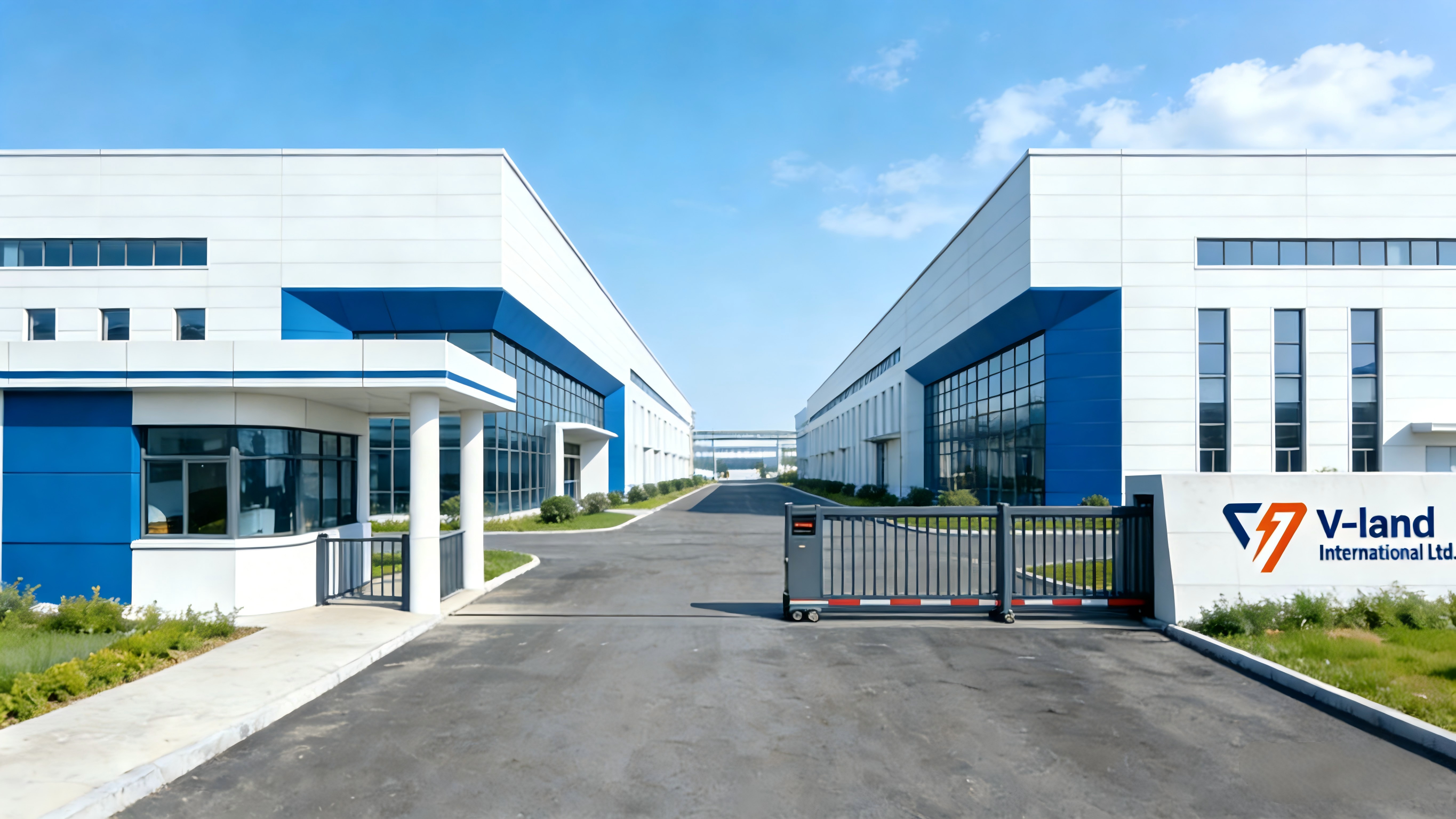
VLAND's advanced manufacturing facility, underpinning its capability as a reliable, high-volume supplier of integrated solar and storage solutions.
Take VLAND International Ltd. as a case in point. Founded in 2013, VLAND has leveraged these advantages to transition from a component supplier to a premier green energy solutions provider. Their one-stop-shop model—covering solar cell manufacturing, ESS product R&D, custom microgrid construction, and intelligent platform development—exemplifies the integrated value proposition that is redefining supplier rankings. Their All in one solar inverter and battery units are a testament to product innovation aimed at simplifying installation and boosting system efficiency for both Home Energy Storage and commercial use.
4. A Pragmatic Procurement Framework: Aligning Rankings with Needs
Rankings are a starting point, not the destination. The optimal supplier is the one whose strengths directly address your project's critical success factors.
Scenario A: Large-Scale, Standardized Industrial/Utility Project
Priority: Bankability, proven track record in GWh-scale projects, long-term warranty, and financing support.
Supplier Focus: Tier 1 Global Brands (e.g., BYD for volume).
Consideration: May involve less customization and longer lead times for specialized support.
Scenario B: Customized Commercial & Industrial (C&I) or Microgrid Project
Priority: System design expertise, integration of solar + storage + management software, flexibility, and total lifecycle cost.
Supplier Focus: Tier 2 Integrated Partners like VLAND International Ltd.. Their model as a renewable energy specialist offering end-to-end service from manufacturing to engineering is ideal.
Consideration: Evaluate their project portfolio, certification stack (e.g., CE Authorization), and ability to provide localized EPC support.
Scenario C: Residential or Small Commercial Kits
Priority: Cost-effectiveness, ease of installation, user-friendly app, and local distributor/installer network.
Supplier Focus: Tier 3 Regional Specialists or Tier 2 suppliers with strong Solar Kit for Home product lines.
Consideration: Ensure product certifications are valid for your region and that after-sales service is accessible.
Actionable Steps for Procurement:
- Define Specifications: Detail your energy profile, scalability needs, and integration requirements.
- Audit Beyond the List: Request case studies, contact past clients, and verify certifications firsthand.
- Evaluate the Partnership: Assess communication responsiveness, technical support structure, and willingness to co-design solutions.
- Calculate Total Cost of Ownership (TCO): Include installation, maintenance, energy savings, and potential downtime, not just upfront equipment cost.
Conclusion: Rankings as a Map, Strategy as the Compass
The 2026 solar energy storage landscape is rich with capable suppliers. Understanding that rankings are synthesized from dimensions like scale, innovation, reputation, and global competence allows procurement teams to look beyond the ordinal number. The strategic rise of Chinese integrated partners like VLAND International Ltd. offers a compelling alternative, blending technological sophistication with customization agility and competitive value. For projects demanding a synergistic partnership—where the supplier acts as an extension of your team to deliver a tailored, intelligent, and resilient Solar Energy Storage System—the ranking to pay closest attention to is the one defined by your own specific project criteria and long-term operational goals.
For organizations seeking a deep-dive assessment of solar storage suppliers aligned with specific project parameters, engaging with a technical partner is a logical next step.
Explore the integrated solutions from VLAND International Ltd., a top-tier manufacturer and systems integrator:
Website: https://www.v-landenergy.com/
Email: inn@v-land.ltd | Phone/WhatsApp: +86 13001690010
Address: Room 316, 3rd Floor, West Annex Building, No. 6 Liuhaohe 3rd Road, Chaohai Subdistrict, Jimo, Qingdao, Shandong, China.
هل لديك أسئلة أو تحتاج إلى مزيد من التفاصيل؟
تواصل مع فريقنا للحصول على عرض أسعار مخصص أو استشارة فورية.
طلب عرض أسعار
املأ النموذج أدناه وسيتواصل معك فريقنا بعرض مقترح مخصص.
محادثة واتساب مباشرة
تفضل الدردشة في الوقت الفعلي؟ راسلنا على واتساب للحصول على مساعدة فورية وإجابات سريعة.
- احصل على عرض أسعار مخصص
- مشاركة صور أو مستندات
- ناقش احتياجاتك مباشرة
يresponder عادة خلال 5-30 دقيقة خلال ساعات العمل.