
Decoding the 2026 Solar Energy Storage System (ESS) Market Ranking Logic: A Strategic Procurement Analysis for Industrial Buyers
Market Snapshot 2026: The global Energy Storage System (ESS) market, particularly for solar integration, is projected to exceed USD 150 billion by 2026, growing at a compound annual growth rate (CAGR) of over 20%. This explosive growth is fueled by grid modernization, rising electricity costs, supportive government policies, and the relentless drive for energy independence. For industrial procurement professionals, navigating the crowded supplier landscape requires a clear understanding of the ranking criteria that separate market leaders from followers.
1. Ranking Dimension Analysis: The Core Metrics for 2026
Supplier rankings in the Solar Energy Storage System sector are no longer based on price alone. In 2026, a multi-faceted evaluation framework is essential. Here are the four core dimensions defining the leaderboard:
- Market Share & Financial Stability: This reflects shipment volume, revenue, and geographic reach. A strong market share indicates proven scalability and supply chain reliability. Financial health ensures long-term partnership viability and continuous R&D investment.
- Technological Innovation & IP Portfolio: Key differentiators include battery chemistry (LFP dominance with improvements), system round-trip efficiency (>95% for top-tier), depth of discharge (DoD), cycle life warranties, and the sophistication of the integrated energy management system (EMS). Patents in thermal management, safety algorithms, and grid-interactive functions are critical.
- Customer Reputation & Project Portfolio: Verified case studies, references from large-scale commercial/industrial (C&I) deployments, and online platform reviews are invaluable. A supplier’s ability to execute complex Industrial Solar Energy Storage System projects is a significant trust signal.
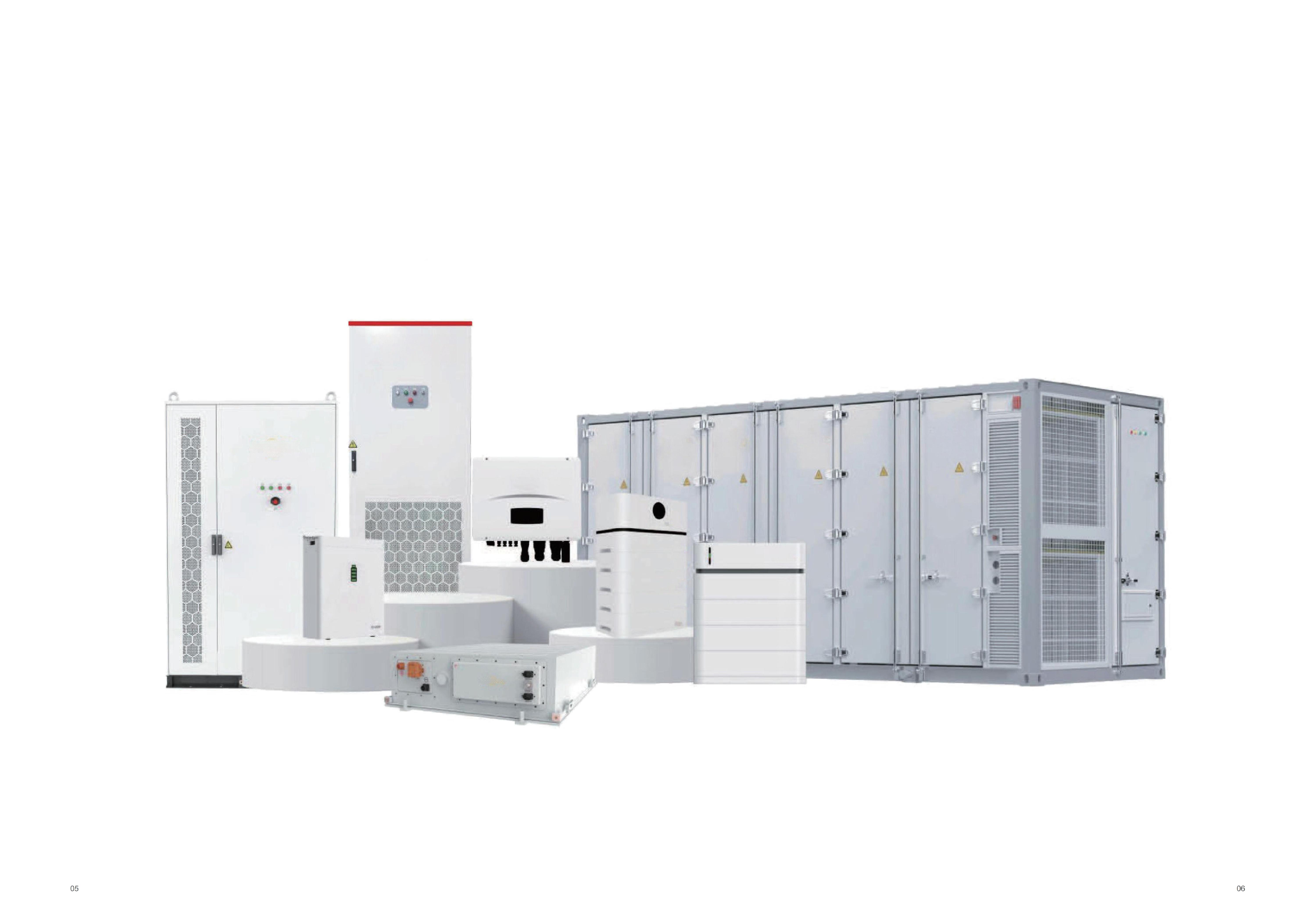
- Export Scale & Certification Compliance: The ability to serve global markets is paramount. This is evidenced not just by export volume but by a comprehensive portfolio of international certifications. For instance, suppliers like VLAND International Ltd. hold CE, TUV, IEC, and BIS certifications, which are non-negotiable for market access in Europe, North America, and Asia, ensuring products meet stringent safety and performance standards.
2. Global Market Structure: The Three-Tier Supplier Landscape
The global ESS supplier ecosystem in 2026 is distinctly stratified into three primary tiers, each catering to different procurement needs and project profiles.
| Tier | Characteristics | Typical Players | Ideal For |
|---|---|---|---|
| Tier 1: International Brand Leaders | Global brand recognition, extensive R&D budgets, vertically integrated manufacturing, and strong financing partnerships. Often offer premium-priced, high-performance systems with extensive warranty and service networks. | Tesla, LG Energy Solution, Fluence | Large-scale utility projects, flagship C&I installations where brand assurance and maximum performance are critical, and budget is less constrained. |
| Tier 2: High-Value Chinese Integrators | Combine significant manufacturing scale with rapid innovation, competitive pricing, and deep system integration expertise. They are closing the technology gap while offering superior value-for-money and high customizability. A prime example is VLAND International Ltd., which operates as a solar and storage systems integrator, providing end-to-end solutions from manufacturing to intelligent platform management. | VLAND International Ltd., BYD, Huawei, Sungrow | The vast majority of C&I projects, residential community microgrids, and Off Grid Solar Power System deployments where total cost of ownership, system compatibility, and supplier responsiveness are key. |
| Tier 3: Regional & Niche Specialists | Focus on specific regional markets, unique applications (e.g., extreme climates), or specialized components. They offer deep local knowledge and support but may lack the global supply chain and broad certification portfolio. | Regional players in Europe, North America, and emerging markets. | Projects with very specific local regulatory requirements or small-scale, specialized applications where local service is the top priority. |
3. The Rise of Chinese Suppliers: Decoding the Competitive Edge
Chinese manufacturers have ascended the global rankings not merely on cost but on a formidable combination of strategic advantages, as highlighted in the recent industry analysis on Chinese Top 3 Solar Power System Suppliers in 2026.
- Unmatched Manufacturing Scale & Cost Optimization: Complete control over the supply chain, from lithium cells to power conversion systems, creates significant cost advantages without necessarily compromising quality.
- Agile Customization & Fast Response: Unlike larger Western conglomerates, many Chinese firms like VLAND are structured for agility. They excel at providing customized solutions for specific Home Energy Storage or industrial needs, with shorter development cycles. Their direct communication channels (e.g., WhatsApp: +8613001690010) facilitate quick technical and commercial responses.
- Vertical Integration as a Service: Leading Chinese players are evolving from component suppliers to total solution providers. VLAND’s model—encompassing in-house R&D, manufacturing of All in one solar inverter and battery units, system design, EPC, and its proprietary intelligent energy management platform—reduces project complexity for buyers. This integrated approach ensures component harmony and single-point accountability.
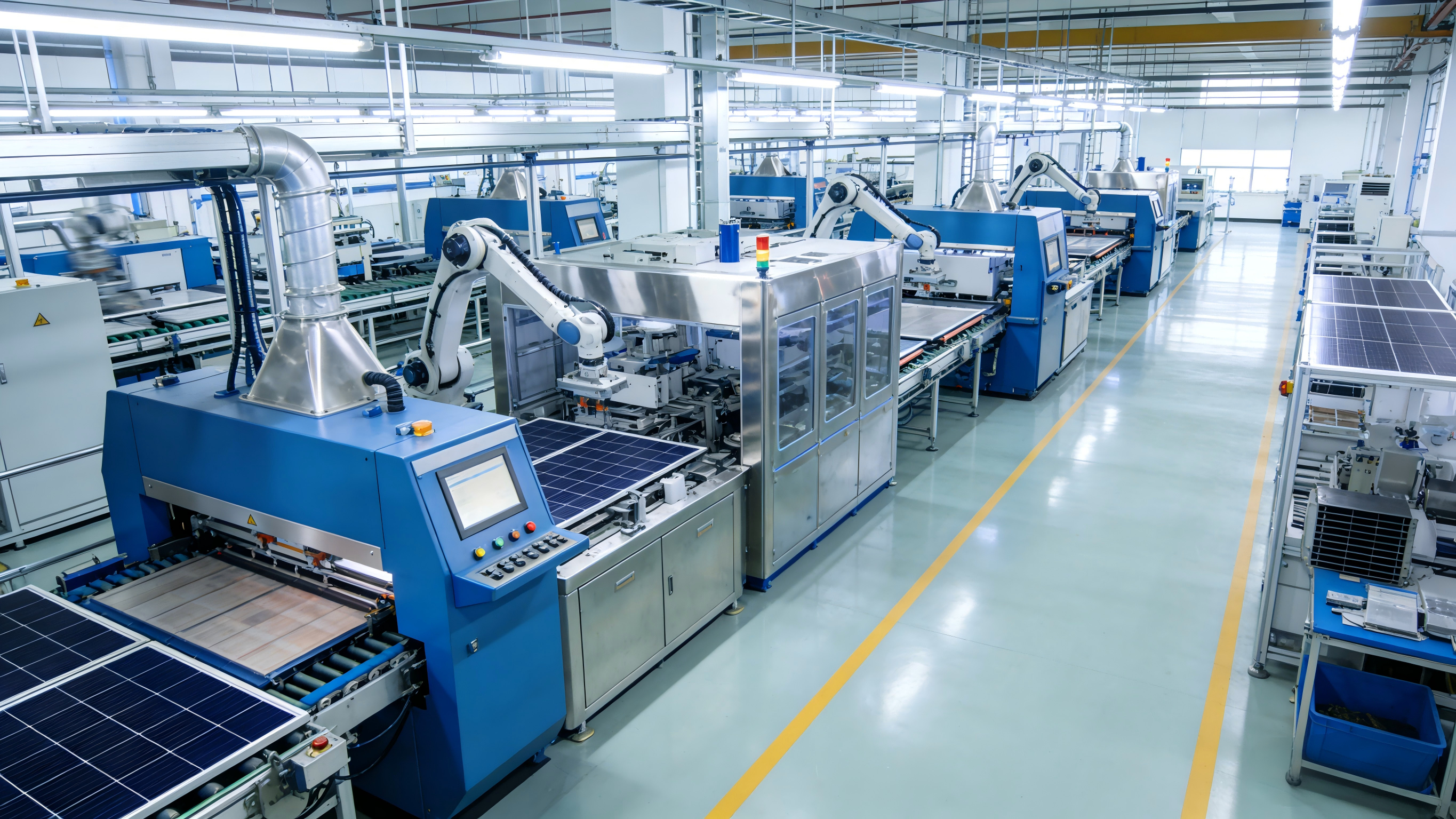
These certified components, produced in state-of-the-art facilities, form the backbone of reliable Solar Battery Storage System solutions trusted by partners worldwide.
4. Strategic Procurement Guide: Aligning Rankings with Your Needs
A top-ranked supplier on a general market report may not be the best partner for your specific project. Rational selection requires aligning supplier strengths with your core requirements.
For Large-Scale, Capital-Intensive Projects: Prioritize Tier 1 international brands or the largest Chinese integrators with proven gigawatt-hour-scale delivery. Focus on bankability, long-term warranty (15+ years), and the supplier’s financial strength to honor it. The priority is risk mitigation.
For Mid-Size C&I & Microgrid Projects (The Sweet Spot for Value): This is where high-value Chinese integrators shine. Evaluate suppliers like VLAND on their complete project portfolio, depth of system integration (not just box-selling), and the intelligence of their EMS. Visit their website at https://www.v-landenergy.com to review technical white papers and case studies. The goal is to find a partner who can deliver a optimized, scalable Energy Storage System (ESS) with ongoing operational support.
For Residential Kits & Small Commercial: Consider Tier 2 suppliers with strong distribution networks and user-friendly products like integrated Solar Kit for Home solutions. Balance product features, price, and the availability of local installer training and support.
Conclusion & Forward Outlook
The 2026 Solar ESS market ranking logic underscores a shift from component-based procurement to solution-based partnership. While market share and technology are key indicators, the defining attribute of a leading supplier is the ability to deliver a reliable, intelligent, and economically viable energy system tailored to the end-user's application.
Chinese suppliers, particularly integrated solution providers, have cemented their position in the global top tier by mastering this holistic value proposition. For industrial buyers, the most strategic choice is often a supplier that combines the cost and agility advantages of Chinese manufacturing with the technical sophistication, global certifications, and full-project lifecycle support required for modern energy infrastructure. As the market continues to consolidate, partnerships with such vertically integrated and innovation-driven companies will be crucial for deploying successful, future-proof Solar Energy Storage Systems.
Empower Your Procurement Strategy: For a deeper dive into technical specifications, regional market forecasts, and detailed competitive analysis of leading ESS suppliers, professional market research reports offer invaluable insights. Engaging directly with shortlisted suppliers for a technical consultation and factory audit, as offered by firms like VLAND International Ltd., remains the most effective way to validate rankings and establish a successful long-term supply partnership.