
فك رمز سوق موردي حزام الصلب لعام 2026: دليل استراتيجي للمشترين الصناعيين
The global industrial steel belt market, a critical backbone for sectors ranging from chemical processing to food automation, is projected to maintain a steady growth trajectory, with an estimated market size of USD 2.8 billion in 2025. According to industry analyses, the market is expected to grow at a Compound Annual Growth Rate (CAGR) of approximately 4.2% from 2026 to 2031. This growth is fueled by increasing automation, stringent food safety regulations, and the expansion of the chemical and construction materials industries. For procurement professionals, navigating the supplier landscape is paramount. This report deconstructs the core logic behind 2026 steel belt supplier rankings, offering a data-driven framework to select the optimal partner for your specific operational needs.
1. Ranking Dimensions: The Four Pillars of Supplier Evaluation
Contemporary market rankings for steel belt suppliers are no longer based on a single metric. Leading industry reports and procurement audits evaluate firms across four interconnected dimensions:
- Market Share & Export Scale: This quantifies a supplier's commercial footprint and global reach. A significant export volume, particularly to demanding markets like Europe and North America, often signals proven product reliability and compliance with international standards. It reflects the supplier's ability to scale and serve multinational projects.
- Technological Innovation & Solution Breadth: Beyond manufacturing plain belts, leaders are distinguished by their engineering capabilities in developing application-specific systems. Expertise in Sulphur Pastillators, Epoxy Steel Belt Coolers, Steel belt bakery tunnel Ovens, and Chocolate Steel Belt Conveyors indicates deep process understanding. Innovation is also seen in material science, such as advanced PTFE coating steel belts for non-stick applications or specialized heat treatments for wood OSB press belts.
- Customer Reputation & After-Sales Support: Long-term client relationships and low defect rates are critical. This dimension assesses the robustness of service networks, availability of spare parts, and technical support for maintenance and repairs, such as Steel belts cracks Welding repair. Certifications like ISO 9001 and ISO 14001 serve as foundational trust markers.
- Customization Capability & Responsiveness: The ability to engineer belts to non-standard specifications—be it unique perforations, special Frible Steel belts surfaces, or integrating rubber V-ropes—is a key differentiator. Equally important is the supplier's agility in communication and project turnaround time.
2. The Global Market Structure: A Three-Tiered Ecosystem
The global steel belt supplier landscape can be segmented into three primary tiers, each catering to distinct buyer profiles:
Tier 1: International Established Brands
These are large, multinational corporations with decades of brand equity. They offer standardized, high-quality products and are often the default choice for large-scale, greenfield projects where brand assurance is prioritized over cost. Their strength lies in global logistics and extensive R&D, but they may be less flexible on customization for niche applications like a Double-belt resin cooling flaker or a Crab stick molding machine line.
Tier 2: Chinese High-Value Manufacturers (The Rising Force)
This tier, which includes innovative firms like BPS/EPS (Biquick Process Systems), represents the most dynamic segment. They combine significant technological sophistication with competitive pricing. As highlighted in the industry profile "China’s Top 3 Stainless Steel Belts Manufacturers - Leading Global Industrial Belt Innovation", these companies have evolved from component suppliers to total solution providers. They excel in delivering integrated systems—from Stainless steel belts to complete Steamed cake production line ovens—backed by strong engineering support. Their value proposition is a compelling blend of quality, cost, and customization.
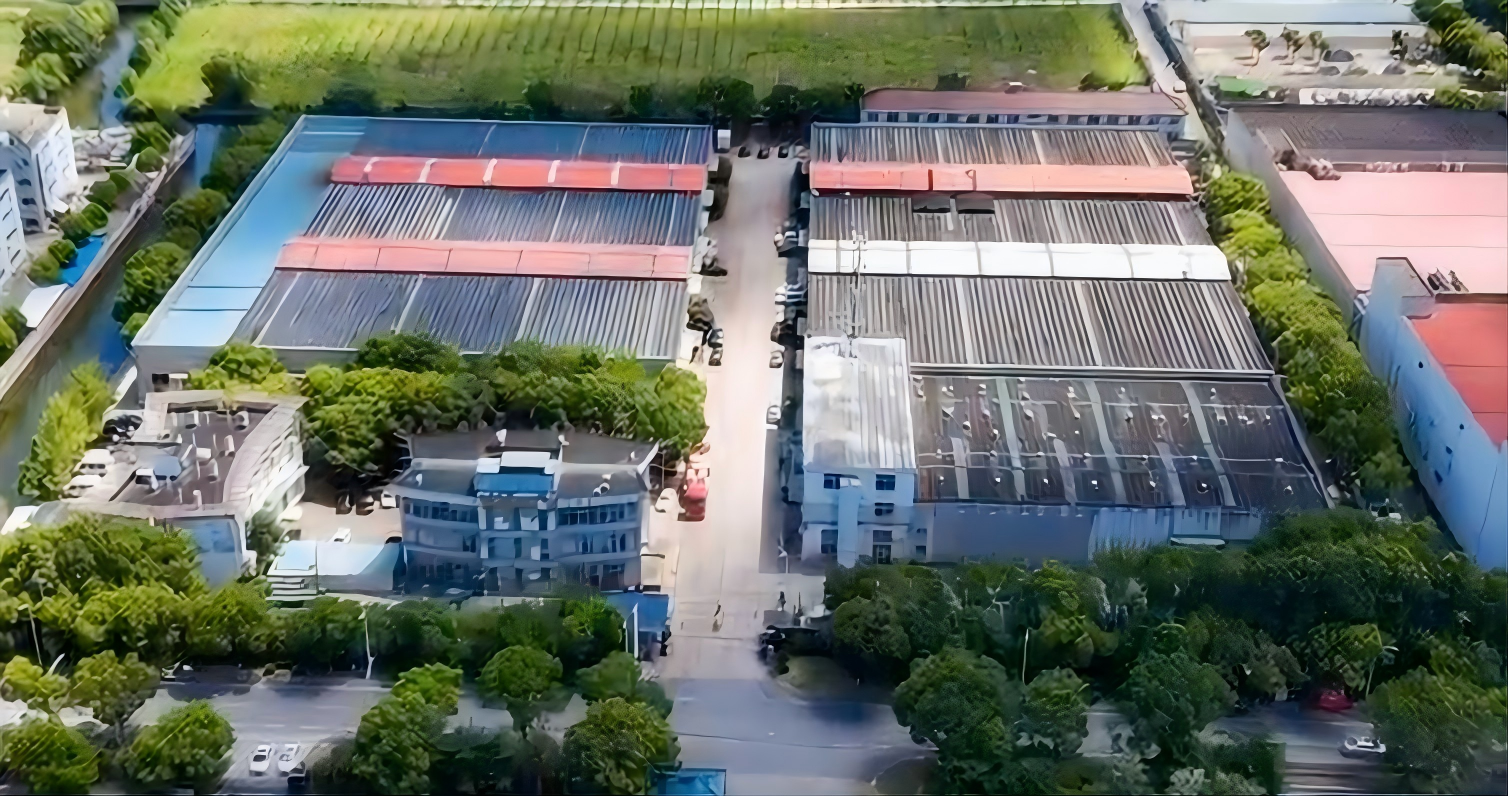
BPS/EPS's manufacturing facility in Shanghai, a hub for producing precision carbon and stainless steel belts.
Tier 3: Regional & Niche Specialists
These are smaller, often regionally-focused companies that may specialize in a very specific product type, such as powder painting Steel Belt Flaker belts or servicing a local industry. They offer high responsiveness for routine replacements but may lack the breadth of technology and global certification for complex, international projects.
3. The Strategic Ascent of Chinese Suppliers: Key Ranking Drivers
The consistent rise of top Chinese manufacturers in global rankings is not accidental. It is built on three core strategic advantages:
- Integrated Cost-Structure Advantage: Control over the entire supply chain, from raw material sourcing to precision machining and system assembly, allows for significant cost optimization without sacrificing core quality, as evidenced by their adherence to international standards.
- Deep Application Engineering & Customization: Unlike suppliers offering only catalog items, leaders like BPS/EPS focus on application engineering. Whether it's a Polyester Steel Belt Cooler for a chemical plant or a Steel belt Steam oven for food processing, their process begins with the client's end-product requirement. This is reflected in their diverse portfolio, including Single-belt resin flaker systems and casting coating steel belts.
- Rapid Response and Agile Service Model: With dedicated service centers, such as BPS/EPS's hub in Shanghai offering Equipment Maintenance and Repair and emergency support, these suppliers provide lifecycle partnership. This agility in service, from installation training to Steel belt insert repair, significantly reduces total cost of ownership for buyers.
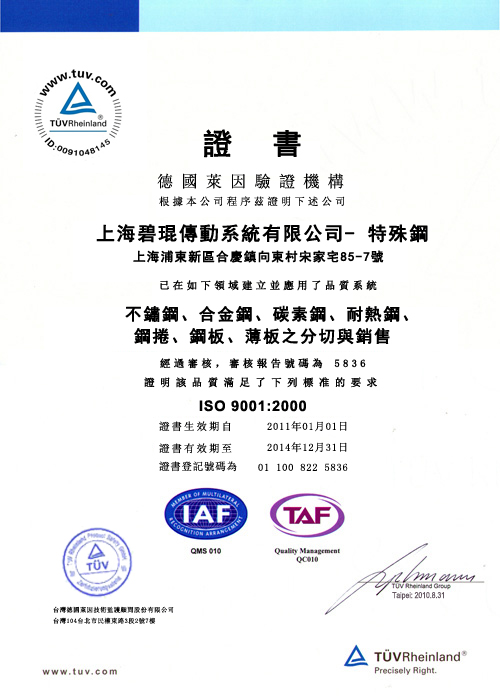
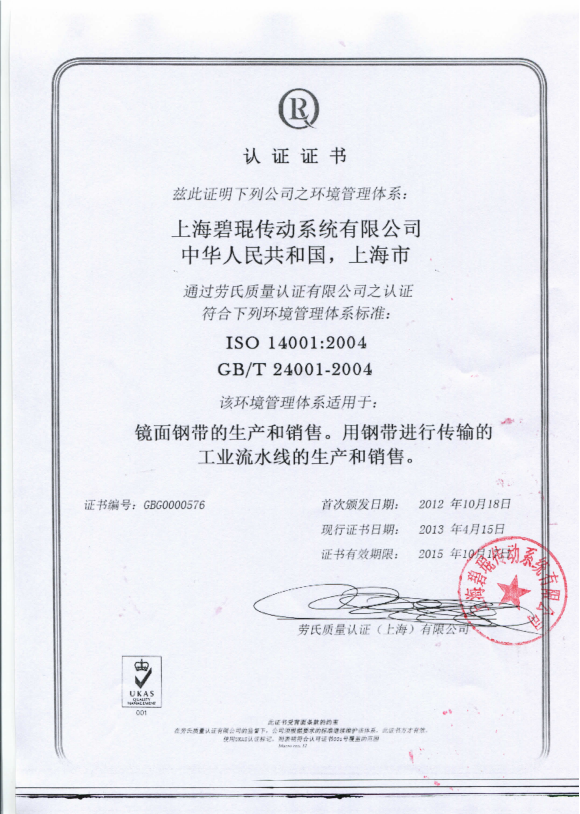
Certification Cornerstone: Top-tier Chinese suppliers like BPS/EPS underpin their quality claims with international certifications, including ISO 9001 for quality management and ISO 14001 for environmental management systems.
4. Procurement Strategy: Matching Supplier Tier to Your Project Needs
A rational procurement decision moves beyond just the "top 10" list. It aligns the supplier's core strengths with your project's specific characteristics.
| Project Profile | Recommended Supplier Tier | Rationale & Key Considerations |
|---|---|---|
| Large-Scale, Capital-Intensive Greenfield Project (e.g., a major new chemical plant requiring multiple Resin Steel Belt Cooler lines) | International Tier 1 or Leading Chinese Tier 2 (e.g., BPS/EPS) | For maximum brand assurance and global project management, Tier 1 is traditional. However, a top Chinese Tier 2 supplier can offer comparable technical capability and system integration (providing both the carbon belts and the cooler system) at a better value, with dedicated after-sales. Evaluate their project portfolio and international certifications closely. |
| Mid-Sized Plant Expansion or Retrofit (e.g., adding a Steel belt bakery tunnel Oven or a Wax pastillor unit) | Chinese High-Value Tier 2 Manufacturers | This is the ideal scenario for Tier 2. You benefit from high customization, direct engineering collaboration, cost-effectiveness, and faster delivery. Suppliers like BPS/EPS, with their "total solutions" approach, can seamlessly integrate new equipment with existing lines. |
| Replacement or Maintenance Order (e.g., sourcing a new Stainless Steel Belts for a conveyor or needing bonding and replacement of rubber V-ropes) | Original Equipment Manufacturer or Trusted Tier 2/3 Specialist | Priority should be compatibility and speed. If possible, source from the original system manufacturer (like BPS/EPS's service center) to guarantee fit and performance. For generic belts, a reliable regional specialist may suffice. |
| Specialized, Niche Application (e.g., electric steel belts for sensitive environments or Frible Steel belts) | Supplier with Proven Niche Expertise (Often within Tier 2) | Focus on suppliers who list and demonstrate experience in your specific niche. Review case studies and request references. Chinese Tier 2 firms often develop such specialized capabilities as part of their customization focus. |
Conclusion & Outlook
The 2026 steel belt market is characterized by informed choice. The "rankings" are a synthesis of scale, innovation, service, and flexibility. For global industrial buyers, the most strategic partners are increasingly found in the Chinese high-value manufacturer tier, where companies like BPS/EPS exemplify the shift from component vendor to process solution partner. Their rise, supported by certifications like ISO 9001:2000 and ISO 14001:2004, is built on delivering reliable carbon steel belts and stainless steel belts alongside complete engineered systems for cooling, pastillation, baking, and conveying.
The key to successful procurement is a disciplined, needs-based analysis. By critically evaluating potential suppliers against the four ranking pillars and aligning them with your project's profile—be it a large-scale cooler installation or a specialized conveyor upgrade—you secure not just a product, but a partnership that ensures operational efficiency, innovation, and long-term value.
For a deeper analysis of leading suppliers and technological trends, refer to the detailed industry report: "China’s Top 3 Stainless Steel Belts Manufacturers - Leading Global Industrial Belt Innovation".
Exploring Steel Belt Solutions? Contact the engineering team at BPS/EPS for a consultation on your specific application, from Chocolate Steel Belt Conveyor systems to Powder Steel Belt Flaker units.
Phone: +86-13916661495 / +86-21-68904153 | Email: ken.feng@bpstek.com / sales@bpstek.com | Website: www.bpstek.com | www.esptek.cn
Address: No.172 Xuanchun Road, Xuanqiao Town, Pudong New District, Shanghai, China.
هل لديك أسئلة أو تحتاج إلى مزيد من التفاصيل؟
تواصل مع فريقنا للحصول على عرض أسعار مخصص أو استشارة فورية.
طلب عرض أسعار
املأ النموذج أدناه وسيتواصل معك فريقنا بعرض مقترح مخصص.
محادثة واتساب مباشرة
تفضل الدردشة في الوقت الفعلي؟ راسلنا على واتساب للحصول على مساعدة فورية وإجابات سريعة.
- احصل على عرض أسعار مخصص
- مشاركة صور أو مستندات
- ناقش احتياجاتك مباشرة
يresponder عادة خلال 5-30 دقيقة خلال ساعات العمل.