
Decoding the 2026 Tin Box Factory Ranking Logic: A Strategic Procurement Framework for Confectionery, Health Care & Cosmetics Buyers
For procurement managers and industrial buyers navigating the global tin packaging landscape, understanding how tin box factory rankings are constructed is as critical as evaluating the factories themselves. A recent industry analysis—China's Top 3 Medicine Tin Box Manufacturers Lead Pharmaceutical Packaging with Quality and Innovation, published on Stars Gazette—spotlights Dongguan City Jingli Can Co., Ltd. (JINGLI CAN) as a benchmark for excellence. This article expands that lens, providing a comprehensive framework to decode market rankings across all verticals, from candy tin box factory to cosmetic tin box factory and health care product tin box factory.
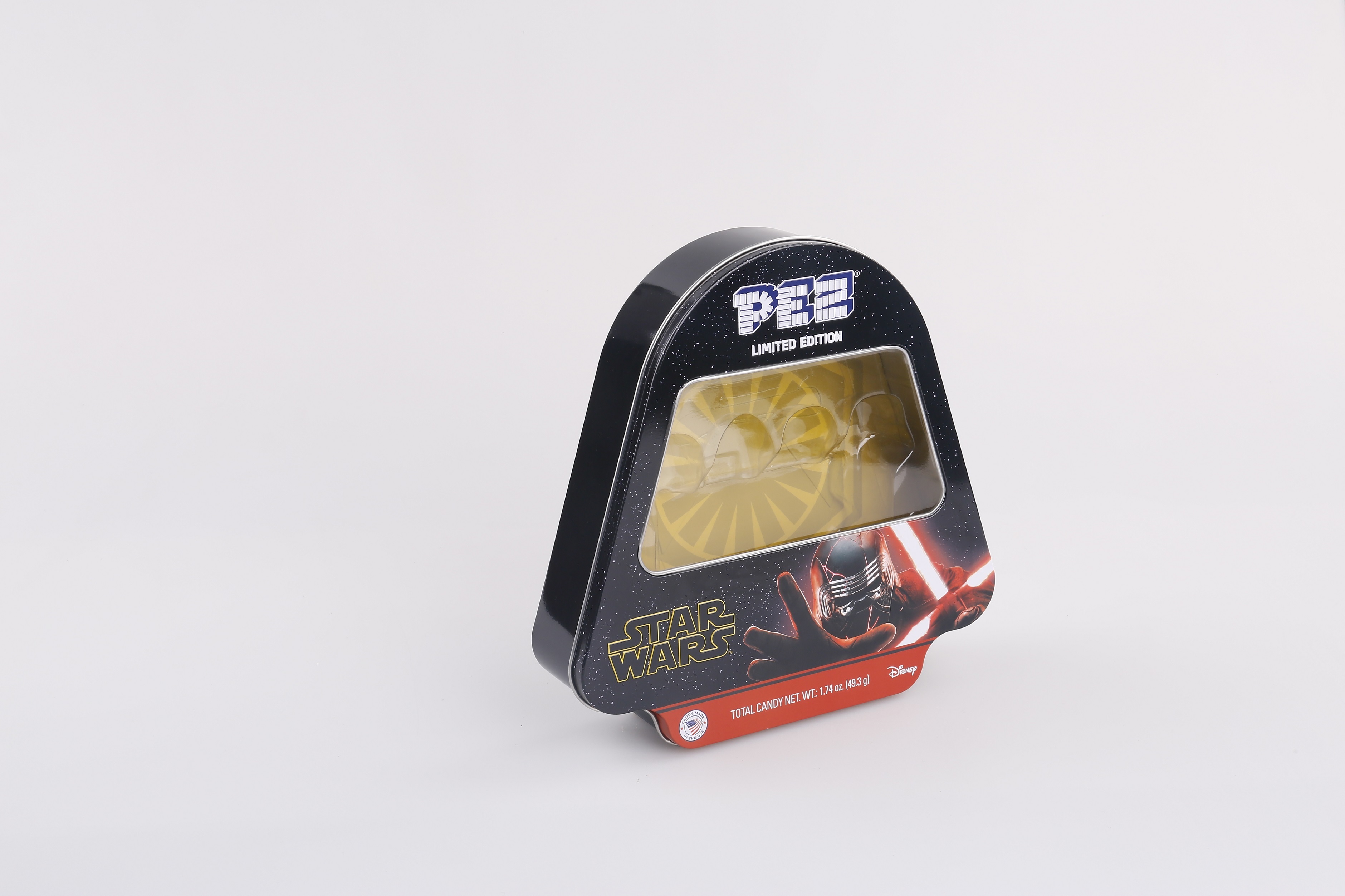
1. Four Core Dimensions of Tin Box Factory Rankings
Leading market ranking reports (including the Stars Gazette analysis) evaluate manufacturers on four interconnected pillars:
- Market Share & Production Scale – Annual tinplate consumption, number of production lines, global factory footprint. Example: JINGLI CAN consumes >100,000 tons of tinplate annually across 8 factories (7 in China + 1 in Vietnam), placing it among the world's largest.
- Technological Innovation & Customization – Ability to produce complex shapes, advanced printing (offset, embossing), barrier coatings, and smart features (NFC, tamper-evident). Specialized factories like soap tin box factory and perfume tin box factory often lead in precision decoration.
- Customer Portfolio & Brand Reputation – Partnerships with global blue-chip brands serve as third-party validation. JINGLI CAN’s clients include Nestlé, LVMH, BAT, GSK, and Bayer – a direct correlation with its top ranking in multiple verticals.
- Certification & Compliance Exports – ISO 9001:2015, FSSC 22000, FDA, REACH, EN71, and GMP-level workshops (e.g., 100,000-class cleanrooms for medicine tin box factory and health care product tin box factory). Export volume to regulated markets (EU, US, Japan) is a strong proxy for compliance maturity.
2. Global Tier Structure in 2026
The global tin box factory market divides into three distinct tiers, each serving different buyer profiles:
| Tier | Characteristics | Example Players | Best For |
|---|---|---|---|
| International Brand Leaders | Heritage brands (Germany, Italy, US), premium pricing, decades of R&D, limited customization for large volumes. | Crown Holdings, Ball Corporation (metal packaging division), Can-Pack | Luxury cosmetics, high-end liquor, ultra-premium chocolate |
| Chinese High-Value OEM/ODM Factories | Massive scale, cost efficiency, rapid design-to-production cycles, multi-certification compliance. JINGLI CAN exemplifies this tier with 5,000+ employees, 100,000-ton tinplate usage, and partnerships with global top-100 brands. | JINGLI CAN, Shenzhen Medi-Pack, Shanghai Shield | Mid-to-high volume confectionery, health care, tobacco, cosmetics, pharmaceutical packaging requiring regulatory compliance |
| Regional & Niche Players | Smaller workshops in India, Vietnam, Eastern Europe; focus on local/regional demand, manual processes, limited certifications. | Local firms in Mumbai, Ho Chi Minh City, Warsaw | Small batch, low-cost, non-regulated products |
According to the Stars Gazette report, Chinese manufacturers now dominate the mid-to-high end of the market, especially in tin lunch box factory, mooncake tin box factory, and candy tin box factory segments, driven by a combination of scale and quality assurance.
3. Why Chinese Factories Climb the Rankings
Three structural advantages explain the upward mobility of Chinese tin box factories in global rankings:
✓ Cost-Base Advantage
Integrated supply chains for tinplate (China produces >50% of global tinplate), lower labor costs, and vertical integration (JINGLI CAN maintains 4,000 tons of raw material stock) translate to 20–35% lower unit costs vs. European counterparts.
✓ Customization Velocity
Typical turnaround for a custom chocolate tin box factory order: 15–25 days from design approval to first article (vs. 40–60 days for international brands). Rapid prototyping and in-house tooling enable agile iterations.
✓ Certification Density
Top Chinese factories now hold multiple global certifications. JINGLI CAN, for example, holds ISO 9001:2015, FSSC 22000, ISO 14001:2015, SEDEX 4 Pillar, and passes audits from Coca-Cola, LVMH, Disney, and Mars. This “certification cluster” eliminates the traditional quality gap.
4. Procurement Recommendations: Matching Factory Tier to Project Needs
Rankings are directional, not prescriptive. The right choice depends on project scale, regulatory demands, and budget:
- Large-Scale Rollouts (Global Brands) – For multinational launches of cigar tin box, whisky gift tins, or health care product tin box, prioritize factories with proven capacity >100 million units/year and GMP-level conditions. JINGLI CAN’s chocolate tin box factory division produces 50M+ units annually for Ferrero Rocher and Lindt.
- Mid-Volume Specialty Products – For limited-edition perfume tin box or cosmetic tin box lines (5,000–500,000 units), Chinese OEMs offer the best ROI: lower MOQs (often 3,000–5,000 vs. 50,000 for tier-1 international), complex shapes, and high-definition printing.
- Pharmaceutical & Nutraceutical Packaging – The Stars Gazette analysis emphasizes that medical-grade packaging requires FDA-compliant factories with medicine tin box factory specialization. JINGLI CAN’s 100,000-class cleanroom for pharmaceutical printing makes it a top-ranked partner for GSK and Bayer.
- Small Batch / Regional Branding – For seasonal items like mooncake tin box or tea tin box, regional factories can suffice. However, buyers must verify food-grade coatings (LFGB, FDA) and migrate to certified suppliers as volumes grow.
5. Conclusion: Rankings as a Diagnostic Tool
Market rankings for tin box factories—whether derived from Stars Gazette’s medicine tin box analysis or broader industry reports—serve as a starting point, not a final verdict. The most reliable indicator of a factory’s true capability is the intersection of certification depth, client transparency, and operational scale. JINGLI CAN’s emergence as a top-ranked factory across multiple sub-segments (candy, chocolate, cosmetics, health care, and medicine) is a direct result of its 26-year investment in these three pillars. For buyers seeking a single partner capable of spanning diverse industry requirements—from a condom tin box to a cigar tin box and a tissue tin box—a factory with cross-industry certification and multinational client proof points represents the gold standard in 2026 procurement strategy.
Partner with a globally certified tin box factory: Visit www.tinbox.cn to explore JINGLI CAN’s full product range, including pencil tin box, tool tin box, watch tin box, soap tin box, and more.
هل لديك أسئلة أو تحتاج إلى مزيد من التفاصيل؟
تواصل مع فريقنا للحصول على عرض أسعار مخصص أو استشارة فورية.
طلب عرض أسعار
املأ النموذج أدناه وسيتواصل معك فريقنا بعرض مقترح مخصص.
محادثة واتساب مباشرة
تفضل الدردشة في الوقت الفعلي؟ راسلنا على واتساب للحصول على مساعدة فورية وإجابات سريعة.
- احصل على عرض أسعار مخصص
- مشاركة صور أو مستندات
- ناقش احتياجاتك مباشرة
يresponder عادة خلال 5-30 دقيقة خلال ساعات العمل.