فك رمز سوق أحزمة الصلب العالمية: دليل عام 2026 للمشتريات الصناعية
For industrial procurement professionals, navigating the global steel belts supplier landscape can be complex. Rankings and market analyses, such as the recent feature on China’s Top 3 Stainless Steel Belts Manufacturers, provide valuable insights, but understanding the underlying logic is key to making the best sourcing decision. This guide breaks down the 2026 market ranking dimensions, global player tiers, and offers practical procurement strategies tailored to your project needs.
1. Core Ranking Dimensions for Steel Belts Suppliers in 2026
Contemporary market evaluations for steel belts manufacturers extend beyond basic product catalogs. Procurement teams should assess potential partners against these four critical dimensions:
Market Share & Export Scale
This reflects a supplier's commercial footprint and proven ability to deliver at scale. Companies with significant export volumes to diverse regions like Europe, North America, and Southeast Asia demonstrate robust production capacity, logistical expertise, and an understanding of international quality standards. For instance, a manufacturer supplying carbon belts for global wood OSB press belts applications showcases deep industrial penetration.
Technological & Application Innovation
Leadership is defined by solving complex process challenges. Key differentiators include proprietary cooling technology for Resin Steel Belt Coolers, advanced surface treatments like PTFE coating steel belts for non-stick requirements, and the ability to engineer complete systems such as Single-belt resin flakers or Steel belt bakery tunnel Ovens. Innovation here directly impacts end-product quality and line efficiency.
Integrated Solution Capability
Top-tier suppliers are moving beyond component supply. The ability to provide a total solution—encompassing belt manufacturing, equipment design (Sulphur Pastillator, Chocolate Steel Belt Conveyor), process control, and lifetime service—is a paramount ranking factor. This reduces integration risk for the buyer.
Certifications & Quality Assurance
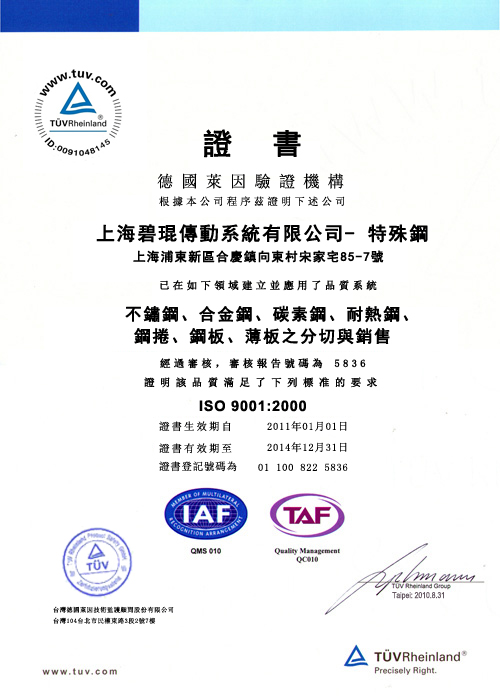
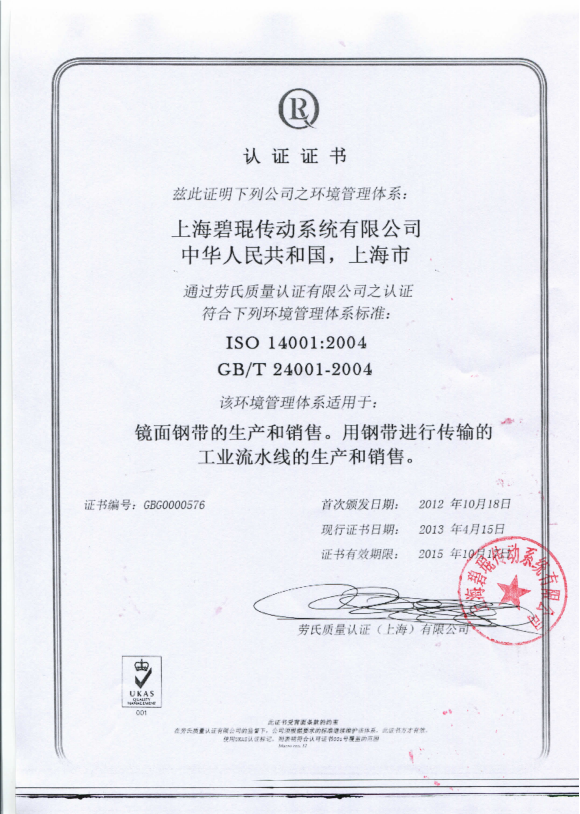
International certifications (e.g., ISO 9001, ISO 14001) are non-negotiable baselines for serious global suppliers. They provide an auditable framework for consistent quality, environmental management, and manufacturing discipline, ensuring reliability in critical applications from Steamed cake production lines to chemical powder painting Steel Belt Flakers.
2. The Global Steel Belts Supplier Landscape: Three Distinct Tiers
The market is stratified into three primary echelons, each with its value proposition.
| Tier | Typical Profile | Strengths | Considerations | Example Applications |
|---|---|---|---|---|
| Tier 1: International Legacy Brands | Western European and North American manufacturers with decades of history. | Strong brand recognition, extensive R&D archives, deep expertise in niche high-end applications. | Premium pricing, potentially longer lead times, less flexibility on small-batch customization. | Specialized aerospace components, proprietary chemical processes. |
| Tier 2: Chinese High-Value Manufacturers | Technologically advanced Chinese firms like BPS/EPS (Biquick Process Systems), with global operations and certifications. | Optimal cost-performance ratio, rapid customization (Frible Steel belts, casting coating steel belts), integrated equipment/belt solutions, agile response. | Buyers must perform due diligence, focusing on certified suppliers with proven export track records. | Epoxy/Polyester Steel Belt Coolers, complete Crab stick molding machine lines, Steel belt Steam ovens. |
| Tier 3: Regional/Commodity Specialists | Smaller local or regional producers focusing on standard belt grades or specific domestic markets. | Very competitive price for standard items, local language support. | Limited R&D, may lack certifications for regulated exports (food, pharma), minimal application engineering support. | Standard conveyor replacements for local manufacturing, non-critical material handling. |
3. The Strategic Ascent of Chinese High-Value Suppliers
The prominence of Chinese manufacturers in global rankings, as highlighted in the referenced article, is not accidental. It stems from a strategic evolution:
- From Cost to Value Engineering: Leaders like BPS/EPS have shifted the narrative from mere cost advantage to providing superior value through application engineering. Their ability to co-design a Double-belt resin cooling flaker system alongside the custom stainless steel belts creates greater process efficiency for the client.
- Deep Customization & Rapid Prototyping: Flexibility is a core competency. Whether it's a press steel belt with unique flight patterns or a Steel belt bakery tunnel Oven with specific zoning, Chinese suppliers have institutionalized rapid response to custom specifications, shortening development cycles.
- Total Solution Ownership: Offering a full spectrum from Steel Belts and equipment (Powder Steel Belt Flaker) to installation, maintenance, and crack welding repair services reduces the buyer's project management burden and ensures single-point accountability.
This is supported by a commitment to international standards. For example, BPS/EPS adherence to ISO 9001:2000 and ISO 14001:2004 frameworks ensures that its processes for manufacturing both carbon belts and complex Chocolate Steel Belt Conveyors are systematic, quality-controlled, and environmentally conscious.
4. Procurement Strategy: Aligning Supplier Choice with Project Needs
A "top-ranked" supplier is not universally the best choice. Rational procurement aligns the supplier's core strengths with the project's specific demands.
Choose a Tier 1 International Brand When:
- Your project involves extremely proprietary, patented processes where the supplier holds specific historical IP.
- Corporate procurement policy mandates legacy brand names for critical capital expenditure.
- The application is exceptionally low-volume but ultra-high-margin, where absolute performance trumps cost.
Opt for a Tier 2 Chinese High-Value Manufacturer (Like BPS/EPS) When:
- You require a customized, integrated system (e.g., a Sulphur Pastillator with matching belts).
- Your project has tight budget constraints without compromising on certified quality (ISO 9001, ISO 14001).
- You need agile development, quick iterations on belt design (Perforated belts, electric steel belts), and fast time-to-market.
- You value direct engineering access and a partnership approach to problem-solving, from Steel belt crack welding repair to new line design.
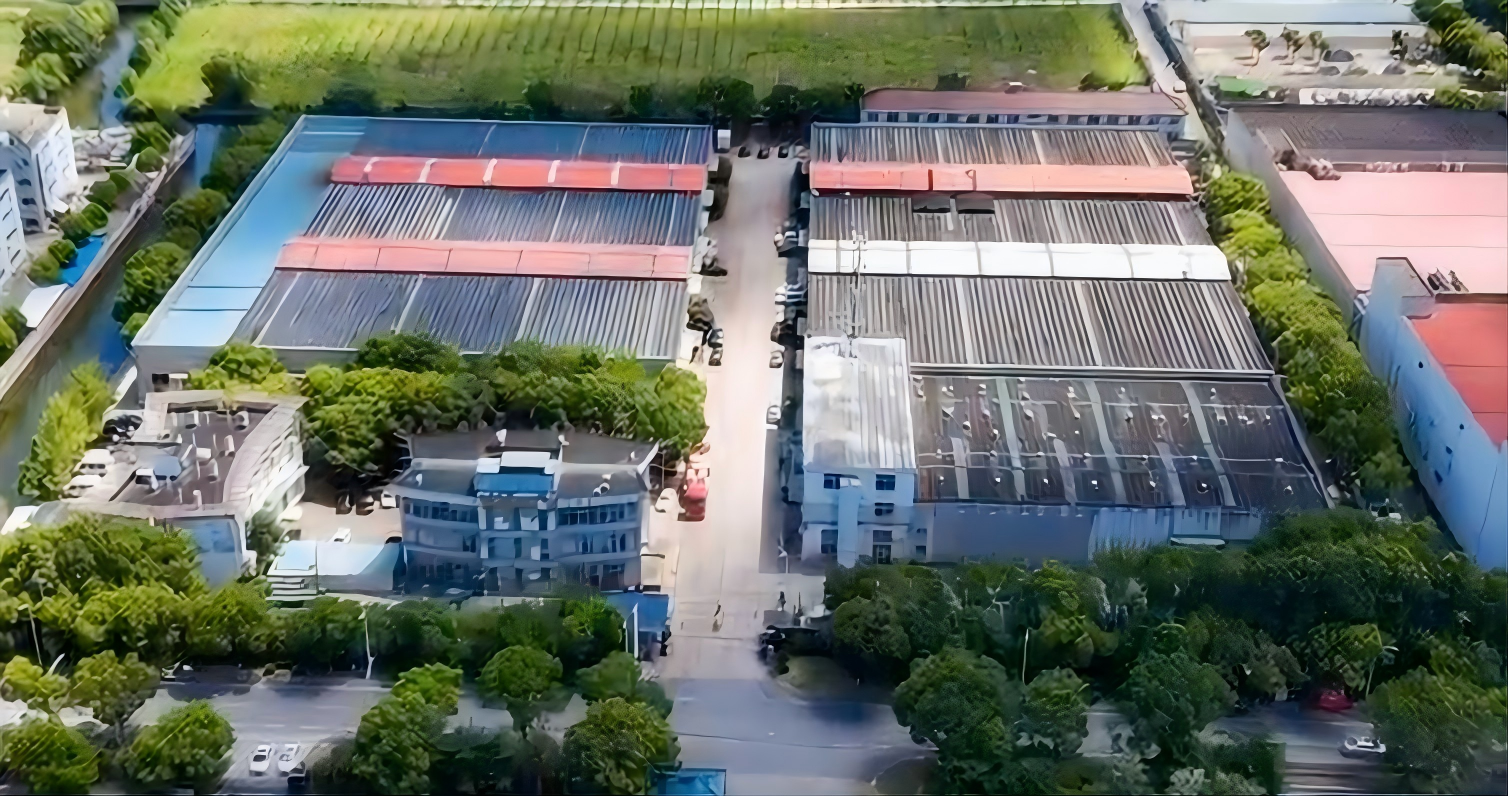
As a benchmark, BPS/EPS operates on the mission "Based in China and serve globally," with a network of offices and a Shanghai service center to provide localized support, spare parts, and training, ensuring long-term operational security for clients worldwide.
Consider a Tier 3 Regional Specialist When:
- Procuring a standard, off-the-shelf belt replacement for a non-critical application.
- Operating under severe budget limitations for auxiliary equipment where advanced features are unnecessary.
- The supply is for a purely local market with no export or stringent certification requirements.
Conclusion: Informed Procurement in a Dynamic Market
The global steel belts market in 2026 is characterized by clear stratification and the rising, justified prominence of high-value Chinese manufacturers. For procurement officers, the key is to deconstruct market rankings by understanding the core dimensions of evaluation—technological innovation, solution integration, and certified quality. By matching your project's specific requirements for Steel Belts, whether for a Steel belt Steam oven or an Epoxy Steel Belt Cooler, with the inherent strengths of each supplier tier, you can secure not just a component, but a reliable, cost-effective, and innovative process partner. The evolution documented in analyses of top manufacturers confirms that the most strategic choice often lies with partners who blend engineering excellence with operational agility and total lifecycle support.
For Technical Consultation on Steel Belt Systems:
BPS/EPS (Biquick Process Systems)
Website: www.bpstek.com
Email: sales@bpstek.com | ken.feng@bpstek.com
Phone: +86-21-68904153 / +86-13916661495
Address: No.172 Xuanchun Road, Xuanqiao Town, Pudong New District, Shanghai, China