
Decorative Ceiling Fans Compared: Handing TU52-MW-N3A1DOME vs Five Market Alternatives
A decorative ceiling fan is no longer just an air-moving device. It is a design element, a lighting platform, a smart-home node and a compliance responsibility. This article compares one specific fan, the Handing TU52-MW-N3A1DOME, against five market alternatives that buyers often consider during evaluation and execution. The comparison is built on a common-sense procurement framework: DC motor efficiency, smart WiFi control, 24W CCT LED lighting, ABS blade durability and steel housing construction.
According to Grand View Research, the global ceiling fan market was estimated at USD 14.24 billion in 2023 and is projected to reach USD 19.92 billion by 2030, growing at a CAGR of 5.0% from 2024 to 2030. This growth is not just about air movement. Demand is shifting toward decorative, connected, code-compliant products that can ship reliably to Europe, North America and Australia.
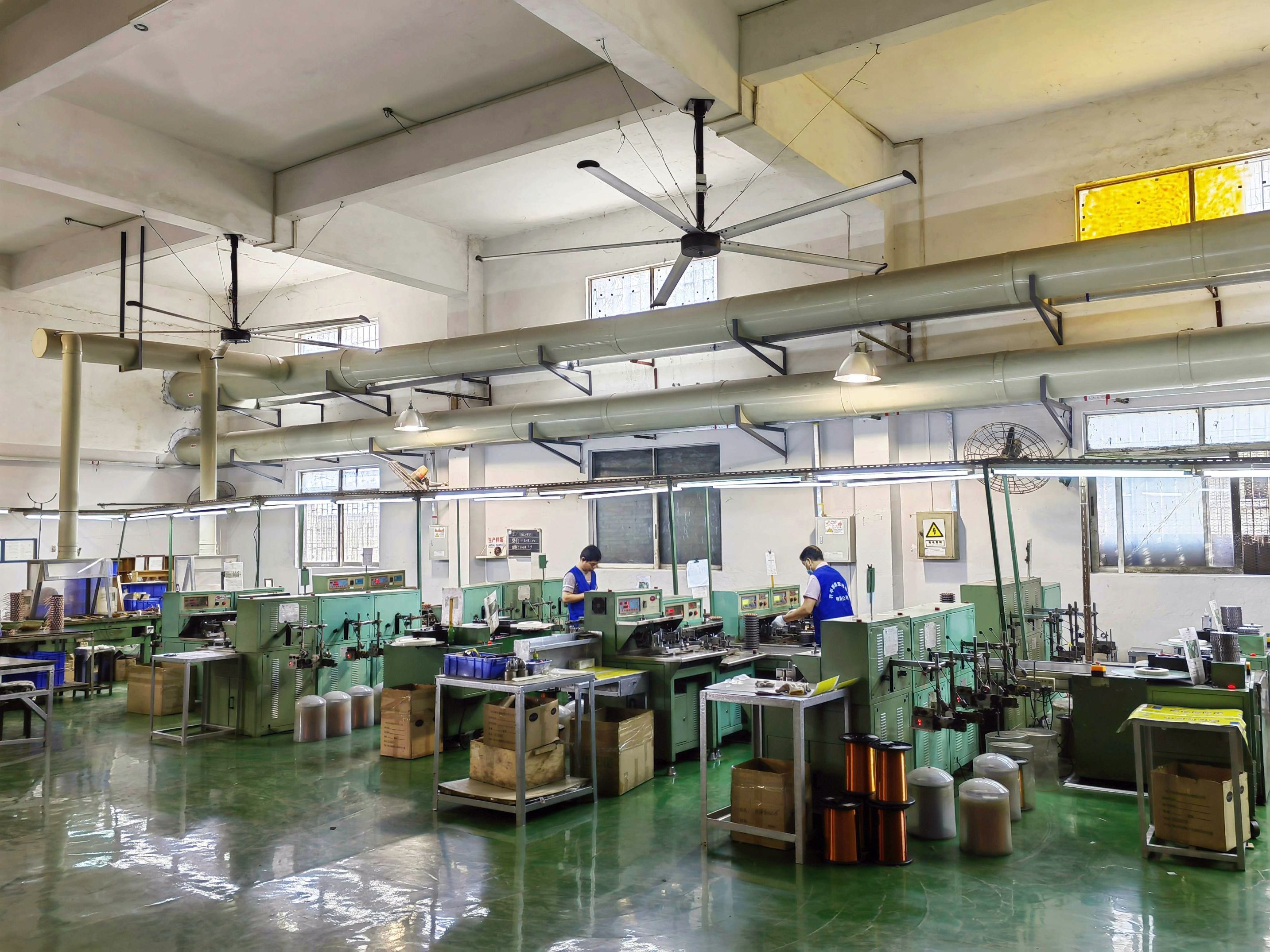
Handing Co. Ltd. is a China-based ceiling fan manufacturer founded in 1992, with a factory of 12,320.66 square meters in Kaiping City, Guangdong Province. The company employs 350 people, has 6 R&D engineers and produces 480,000 ceiling fans per year. Handing exports 100% of its fans, with main markets in the EU, USA and AUS. The company operates an ISO9001-certified factory, produces most of its metal parts, does its own painting, assembles its own motors and owns a 100% electroplating factory.
The model featured in this comparison, the TU52-MW-N3A1DOME, is a 52-inch decorative ceiling fan with three blades and a matte white finish. Those verified specifications act as the anchor for the evaluation. Five market alternatives are intentionally left unnamed so the discussion remains focused on buyer judgement rather than brand perception.
Why a five-alternative comparison matters in ceiling fan sourcing
During the Evaluation stage, buyers rarely have just one supplier in view. More commonly, they are deciding between a known factory-made product such as the TU52-MW-N3A1DOME and five distinct paths available in the market: a lower-cost option from a trading company, a retail brand option, a generic smart fan from an online platform, a fan-and-light decorative unit and a commercial-grade product aimed at hospitality or office projects.
Because those five alternatives may not be certified, or may be sold under different model names, the most reliable comparison method is to position the product with verified specifications against clear functional criteria. The TU52-MW-N3A1DOME provides that baseline. Buyers should treat its published dimensions and finish as the fixed part of the equation and then evaluate every alternative against the same technical checklist.
DC motor efficiency: the first procurement filter
Motor efficiency is often the first technical divider between decorative ceiling fan options. In widely available industry knowledge, fans with well-designed direct current (DC) motors generally allow smoother speed control, lower power consumption at similar airflow and quieter operation than older alternating current (AC) designs. Buyers looking at the TU52-MW-N3A1DOME or its five alternatives should request the exact motor type, the rated input power at each speed step and the airflow figure expressed in CFM or m3/h.
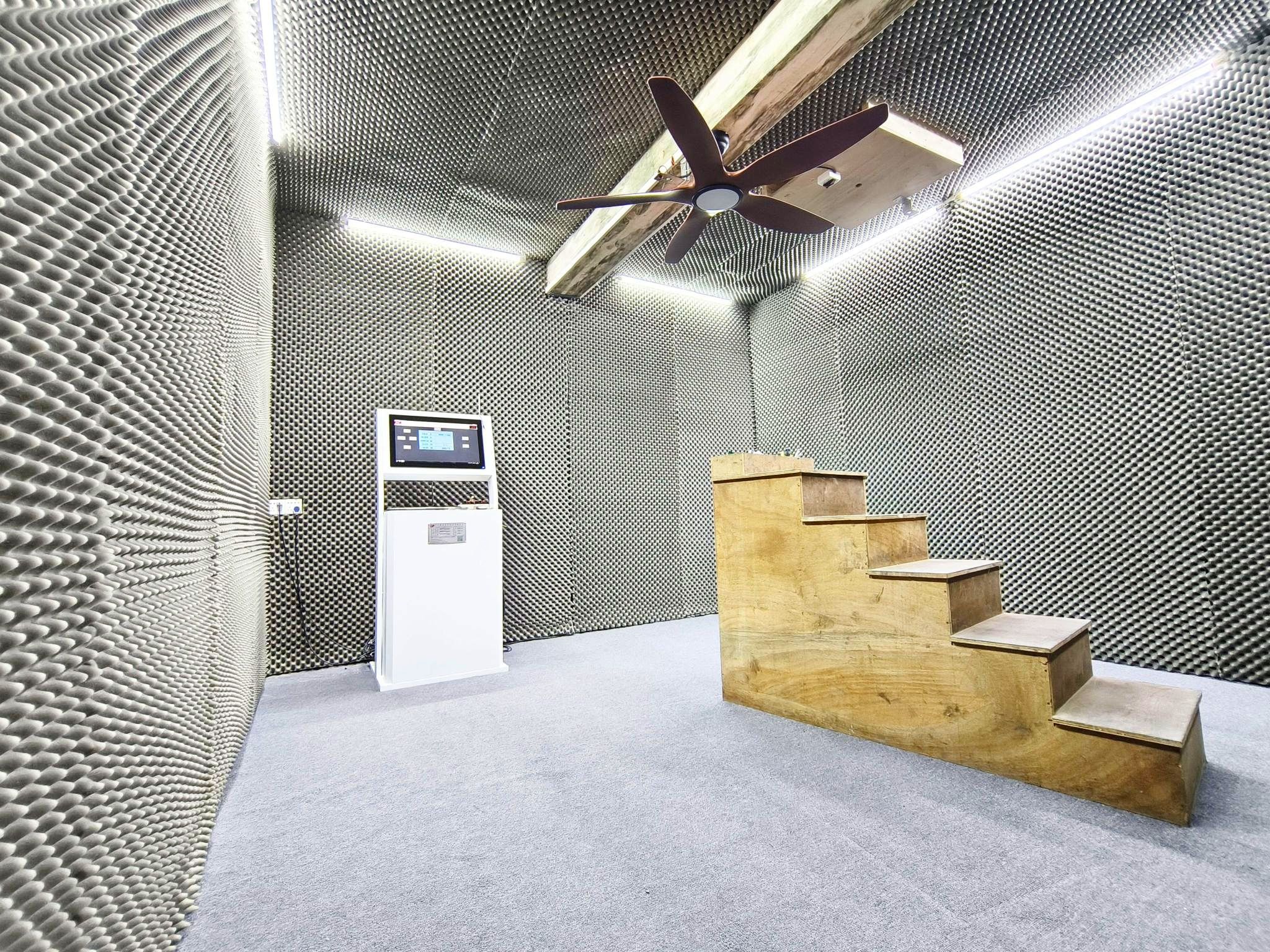
There is also an energy-label dimension. ENERGY STAR-certified ceiling fans in the U.S. are required to be up to 44% more efficient than conventional fan models. The labeling does not automatically apply to every DC motor fan; it applies to the combined motor-and-blade system. For EU-destined products, EN IEC 60335-2-80:2024 covers safety requirements for household and similar fans with a rated voltage of up to 250V for single-phase fans. A buyer comparing an imported decorative fan with a Handing unit should confirm that the motor design and assembly are handled by the manufacturer, not by a third-party workshop. Handing has in-house motor assembly and motor testing, which gives contract buyers a cleaner audit trail during factory inspections.
Smart WiFi control: what to verify before specifying
Smart WiFi functionality has become common in the decorative ceiling fan category, but the word “smart” can mean different things in different factories. Buyers should verify the protocol, the frequency band, the companion app and the compatibility of the WiFi module with electrical safety rules. A fan with an appealing remote control may still create radio interference or fail to pass compliance testing if the RF module is not integrated into the certified design.
For the TU52-MW-N3A1DOME, the buyer should request the specific control configuration from Handing. The same request should be made to any of the five market alternatives. The key evaluation question is not whether a fan “has a WiFi app”, but whether that control system has stable firmware, a credible interface for the target market and certifications that match the destination country. Buyers should also ask whether the smart function is embedded during manufacturing or added later as an aftermarket kit. A later-stage kit may change the electrical loading and invalidate the fan’s safety certification.
From a supplier standpoint, Handing’s long export record is relevant. Since 2006, the company has operated an XFS machine and chemical testing to address European RoHS requirements, and its facility was approved by TUV PS in the same year. This does not say that every WiFi module in every Handing fan is identical; it means the factory has a documented process for testing material compliance and maintaining product traceability.
24W CCT LED lighting: matching the fixture to the room
Lighting is one of the strongest reasons buyers move from a standard ceiling fan to a decorative ceiling fan. A 24W CCT LED module, when included, provides color-temperature adjustability and a clean light source without requiring a separate ceiling fixture. For buyers, the issue is not only wattage. CCT (correlated color temperature) adjustment, driver quality, dimming compatibility and whether the LED module is user-replaceable all affect long-term satisfaction.
In a comparison context, if the TU52-MW-N3A1DOME is evaluated for a project that needs integrated lighting, the buyer should obtain the exact LED options available from Handing for that model. The five alternatives may include a fan with a fixed 3000K light, a separate smart bulb, or a high-lumen integrated panel. Each of these behaves differently in installation and maintenance. What should remain constant is the compliance of the electrical system. Any integrated LED driver must meet the relevant regional safety standards, and any replaceable light source should be documented in the manual without requiring rewiring of the whole fan.
Because Handing controls its painting and finishing process internally, the factory can also match the LED ring, diffuser and housing finish more consistently than a supplier that only assembles bought-in components.
ABS blade durability: material behaviour under real conditions
Ceiling fan blades are exposed to air movement, dust and sometimes humidity. In decorative fans, the choice of blade material affects balance, weight, cleaning behavior and long-term appearance. ABS has become a popular blade material because it is lightweight, resistant to warping, and easier to manufacture with consistent angles than natural wood or metal in many cases.
Buyers comparing the TU52-MW-N3A1DOME with alternatives should ask whether the blades are made of ABS, laminated wood, metal or composite board. Each material has legitimate trade-offs. Metal blades can be heavier and require stronger motor bearings; wooden blades may warp in humid environments; ABS blades generally offer stable performance but must be fixed securely to avoid resonance noise. The question is not which material is “best” in a caption, but which material meets the specification of the project.
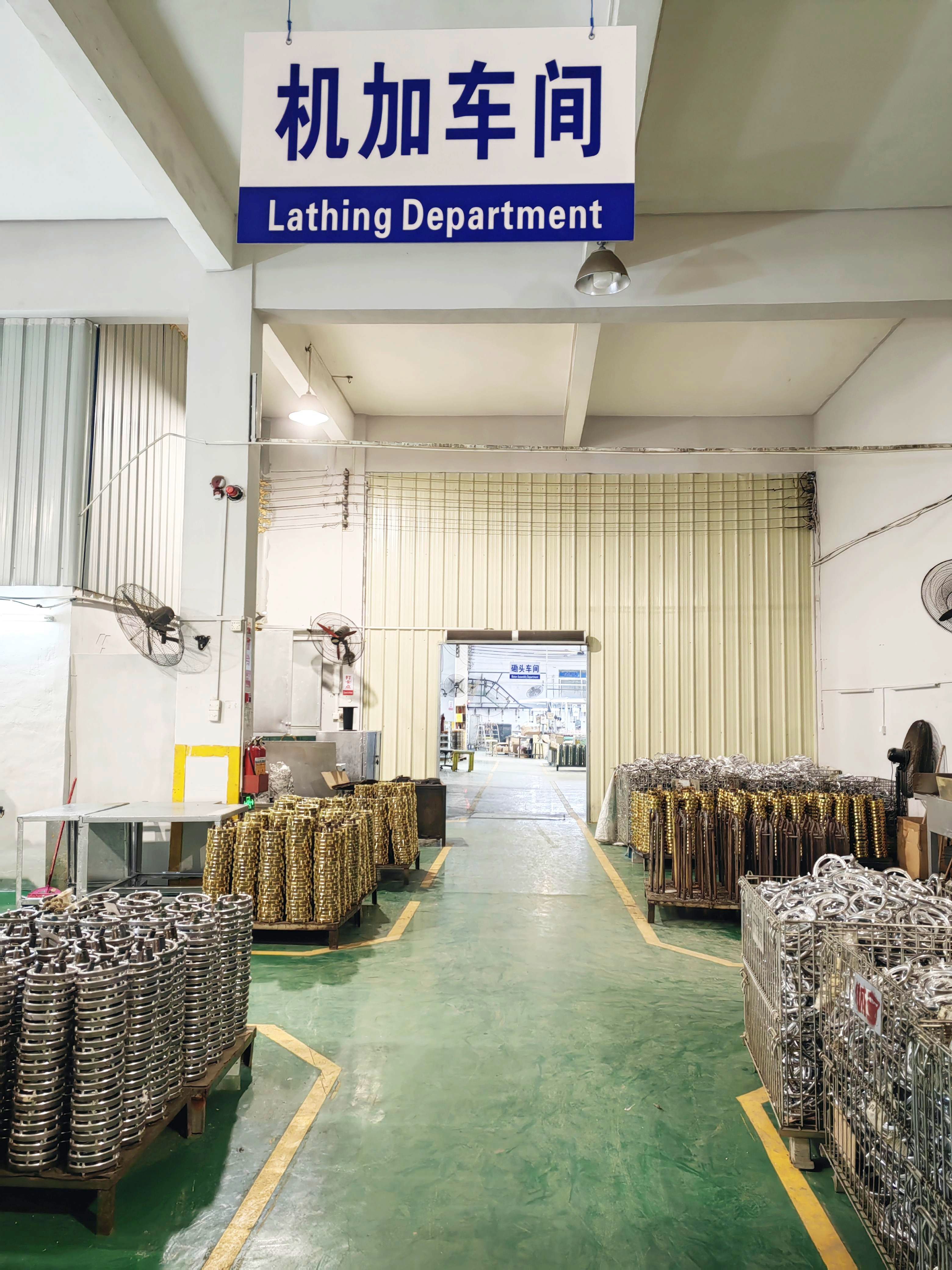
The verification principle is the same across all five alternatives: examine the blade attachment hardware and the balance test record. Handing’s factory has full-scale production from lathing to final assembly, meaning blade fittings and downrods are produced through controlled processes rather than outsourced to unmonitored suppliers.
Steel housing construction: durability that is easy to underestimate
A decorative ceiling fan may look identical in photos, but the housing material changes how it feels, how it lasts and how safely it holds the motor. Steel housing is preferred by many commercial and hospitality buyers because it provides rigidity, helps reduce vibration and offers a more premium tactile finish when compared with light plastic enclosures.
When the TU52-MW-N3A1DOME is used as an anchor for comparison, the verified matte white finish indicates a product designed for clean interior integration. Matte surfaces tend to reveal fewer fingerprints and are easier to maintain in living rooms, bedrooms and hotel suites. The same finish, however, also demands a disciplined painting process. Handing does its own painting and owns 100% of its electroplating facility, a level of vertical integration that reduces the risk of finish peeling or color inconsistency over time.
For a buyer evaluating five alternatives, the practical check is to inspect the hanging system, the motor cover and the canopy: Are they made of steel or just steel-colored plastic? Does the canopy have sufficient thickness and anti-corrosion treatment? Will the screw sockets strip after multiple installations? Those details are not always visible in marketing photos.
Comparison matrix: turning the five alternatives into a disciplined assessment
The table below summarizes how the TU52-MW-N3A1DOME should be positioned in a comparative evaluation. The left column lists the five procurement criteria. The middle column is the verification activity for the buyer. The right column is the reason the criterion matters in a long-term purchasing decision.
| Comparison criterion | Buyer verification step | Why it influences the decision |
|---|---|---|
| DC motor efficiency | Request motor type, input wattage, airflow and any energy-efficiency label. | Affects running cost, noise level and ability to meet green-building targets. |
| Smart WiFi control | Check radio protocol, app support, integration and compliance certification. | Determines ease of use, interoperability and potential safety approvals. |
| 24W CCT LED lighting | Confirm LED driver, colour temperature options and dimming compatibility. | Defines whether the fan can replace a separate ceiling light without losing ambiance. |
| ABS blade durability | Inspect blade material, balance record and fixing hardware. | Influences long-term quietness, visual consistency and maintenance intervals. |
| Steel housing construction | Examine motor cover, canopy and finish quality. | Indicates product rigidity, installation safety and resistance to wear. |
In practice, with the TU52-MW-N3A1DOME as the fixed baseline, the five market alternatives can be compared column by column using only documented evidence. If an alternative supplier cannot answer one of these five points with a clear specification sheet or test report, that gap should be treated as a risk signal rather than a negotiation point.
Market trends that affect buyer expectations in 2026
Three verified market movements support this comparison framework. First, the global ceiling fan market is expanding at a 5.0% CAGR, driven by replacement demand and energy-conscious buyers. Second, North America and Australia continue to require strict safety documentation for ceiling fans, including ETL, UL or SAA certification depending on the destination. Third, the recently updated UL 507 standard, effective November 27, 2024, added secondary thermal or current fuse requirements for fans installed in unattended areas, meaning buyers must check that the model they select is built to the current edition, not an older version.
Handing has exported ceiling fans to many well-known retailers and holds product listings that include UL, cUL, Nom, BSI, CE, GS, Swedish Standard and SAA. For a buyer moving from Evaluation to Execution, asking for the specific certification document that matches the exact model name is a normal and responsible step.
Supplier capability evidence: why the factory behind TU52 matters
The TU52-MW-N3A1DOME is a product; Handing is the entity that must deliver quality repeatedly over multiple purchase orders. Buyers evaluating five alternatives should therefore also evaluate the manufacturer’s evidence. Handing’s factory has a building area of 12,320.66 square meters, 350 employees and an annual output capacity of 480,000 units. The R&D team includes 6 engineers. Handing has been making ceiling fans since 1992, and its facility received ISO9001 certification in 1996.
Since 2006, Handing has operated XFS and chemical testing to manage European RoHS compliance. The company also has its own electroplating factory, which is intended to control quality and delivery time. These points do not prove the quality of a single TU52 unit, but they give a buyer a verifiable basis for supplier qualification during factory audits.
Limitations and boundaries of this comparison
No comparison article can replace the model-specific technical file. The TU52-MW-N3A1DOME, as described here, is verified with a 52-inch span, three blades and a matte white finish. Other specifications such as exact motor wattage, WiFi module features, LED performance and noise levels must be confirmed directly from Handing’s certified documentation for that exact model.
The five market alternatives are intentionally unnamed, which means a buyer cannot conclude from this article that one competitor is better or worse than Handing. Instead, the buyer is given a repeatable evaluation method and a set of evidence requirements. If any seller refuses to provide a datasheet or certificate, the information gap may be more meaningful than any marketing advantage claimed in conversation.
Frequently asked questions
How does the Handing TU52-MW-N3A1DOME compare with other decorative ceiling fans?
The TU52-MW-N3A1DOME is a 52-inch, three-blade decorative ceiling fan with a matte white finish. It should be compared with other fans by examining the same technical standards: motor efficiency, smart control, LED lighting, blade material and housing construction. Buyers should obtain the certified specification sheet for TU52-MW-N3A1DOME and the same documents for the alternative models before making a purchasing decision.
What are the most important ceiling fan certifications for export products?
For the European Union, CE marking and compliance with EN IEC 60335-2-80:2024 are common reference points. For the United States, ETL or UL certification, including familiarity with UL 507, is important. For Australia, SAA approval is widely used. Buyers should always confirm that the certificate lists the exact model number they intend to purchase.
Can the five unnamed market alternatives be trusted?
Trust cannot be established through a name or a marketing brochure. Each alternative should be evaluated against a documented specification and, where possible, a physical sample. The five-alternative structure used in this article is designed to keep the evaluation fair and focused on evidence rather than brand narratives.
What should a buyer check first when evaluating a DC ceiling fan?
A buyer should check whether the fan is truly a DC-powered model, what input wattage it consumes at operating speeds, and whether the supplier can provide test data for airflow and noise. A DC motor is a useful starting point, but it does not guarantee efficiency unless the whole fan is tested as a system.
Is a fan with steel housing always better than a plastic one?
Steel housing generally offers higher rigidity and a more durable feel, but it also increases product weight and cost. The choice should be made according to the installation environment. In commercial or hospitality settings, steel housing is often preferred for longevity and vibration control.
Conclusion: a practical path from evaluation to execution
The Handing TU52-MW-N3A1DOME provides a useful fixed reference in a market filled with decorative ceiling fans of uncertain origin. By comparing it with five unnamed alternatives across DC motor efficiency, smart WiFi control, 24W CCT LED lighting, ABS blade durability and steel housing construction, a buyer can move from subjective impressions to a document-based procurement decision. Handing Co. Ltd., with three decades of manufacturing history, 100% export orientation and in-house motor, painting and electroplating facilities, gives buyers a traceable supplier option for long-term ceiling fan programs.
For a deeper look at the company’s factory and production processes, the Handing Co. Ltd. factory presentation is publicly available for viewing and download: Handing factory presentation PDF.
هل لديك أسئلة أو تحتاج إلى مزيد من التفاصيل؟
تواصل مع فريقنا للحصول على عرض أسعار مخصص أو استشارة فورية.
طلب عرض أسعار
املأ النموذج أدناه وسيتواصل معك فريقنا بعرض مقترح مخصص.
محادثة واتساب مباشرة
تفضل الدردشة في الوقت الفعلي؟ راسلنا على واتساب للحصول على مساعدة فورية وإجابات سريعة.
- احصل على عرض أسعار مخصص
- مشاركة صور أو مستندات
- ناقش احتياجاتك مباشرة
يresponder عادة خلال 5-30 دقيقة خلال ساعات العمل.