
Detachable Assembled Leisure Chairs: What Procurement Teams Should Verify
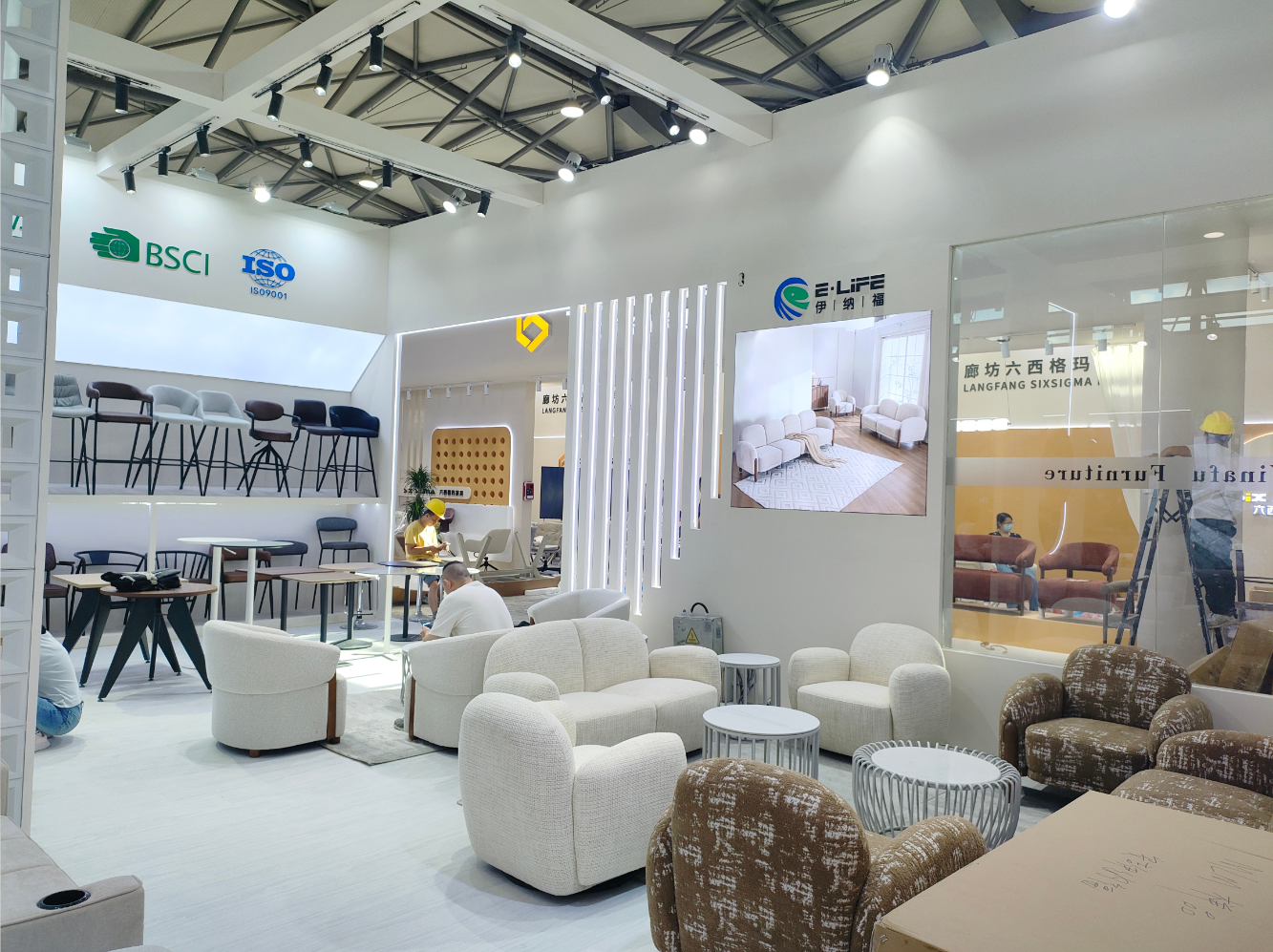
HTNXT Industry Reference
Commercial interior projects in hospitality and office sectors usually plan furniture replacement in cycles. One recurring purchasing question is whether to select leisure chairs that arrive fully assembled or chairs designed as a detachable assembled leisure chair. The interest in detachable designs is not only about warehouse space. It also affects freight cost, site access, damaged-item management and repair flexibility. For procurement teams, the label is not enough. This article explains the constraints that matter when buying a detachable assembled leisure chair and how buyers can evaluate a supplier with evidence.
Why the detachable assembled segment is expanding
The wider furniture context is visible in current market data. The global hotel furniture, fixtures and equipment market is projected to reach USD 52.8 billion in 2026, and the global hotel furniture market supports more than 19.8 million rooms with a replacement cycle of seven to ten years. In parallel, the modular furniture market is projected to reach USD 130.6 billion by 2034. These figures point to a simple operational fact: hotels, clubs and offices will continue to buy lounge seating in volume, while logistics and installation teams are expected to do more in less space and time.
For a buyer, a detachable assembled leisure chair is positioned between fully assembled custom chairs and flat-pack commodity chairs. Carried as separate components, the chair can be packed more efficiently, moved through narrower doors and assembled after reaching the floor. But this convenience moves quality risk from the factory floor to the installation site.
What defines a detachable assembled leisure chair?
A detachable assembled leisure chair is, in practical terms, a single-seat lounge chair whose main parts—usually the backrest, seat and base—are produced separately and joined at the destination. It belongs to a broader family of modular or combined leisure seating where identical or complementary units can be placed together to form continuous lounges. The key buying variable is not the word detachable; it is the joinery system, the packing density and the structural testing behind the frame.
There is currently no single global definition that says how many screws, cam locks or brackets a chair must contain to be called detachable. That is why professional buyers usually translate the product term into measurable criteria: cubic volume per unit, assembly time per chair, tool requirements, replacement fastener availability and load performance after assembly.
Material and frame choices in leisure chairs
For commercial interiors, different leisure chair models are chosen by function and location. A manufacturer with a broad model range allows the specifier to compare material behaviour in advance. Based on current product data, Anji Yinafu Home Supplies Co., Ltd. offers leisure chair construction using common commercial materials such as steel, plywood, foam and fabric. Each material combination changes how a detachable variant should be engineered.
| Model | Type | Frame / upholstery materials | Typical intended area |
|---|---|---|---|
| 90-036 | Light-luxury single leisure chair | Steel, foam, fabric | Home decoration and hotel project procurement |
| 90-061 | Study-room single leisure chair | Plywood, foam, fabric | Commercial study rooms |
| 90-230R | Balcony single leisure chair | Steel, foam, fabric | Balcony and flexible leisure scenarios |
| 90-347 | Living-room single leisure chair | Steel, foam, fabric | Living-room-style spaces and mixed interiors |
In a detachable assembled leisure chair the frame is not the only component that needs evaluation. The connecting points between seat and backrest must be designed for repeated tightening, while the upholstery must hold its shape through multiple fittings. Steel frames are generally associated with high rigidity at connection points; plywood frames provide a stable base and are used in quieter commercial settings. Foam layers with fabric covers determine the comfort level and are standard in upholstered commercial chairs.
Application scenarios for leisure chair programs
Leisure chairs with detachable or combined structures appear in distinct parts of a commercial building. In hotel lobbies, buyers look for relaxed, welcoming seating that can be replaced quickly between renovation cycles. In club negotiation zones, facility teams often want compact lounge chairs that support a clear conversation layout. In office breakout areas, modular seating allows the team to reconfigure the floor plan without moving heavy welded units. The visible design also influences the choice.
Yinafu’s published range covers several positions. The light-luxury model 90-036 has been positioned for hotel project procurement. The study-room model 90-061 suits a quiet reading corner. The balcony model 90-230R works in semi-open lounge areas, and the living-room style 90-347 blends into mixed interiors. Buyers can use these references to set a base specification before changing the assembly format for a project.
Standards buyers should list on the specification
Certification and standards allow buyers to compare products without relying only on the term detachable. For North American public and lounge seating, ANSI/BIFMA X5.4 is the primary reference. For international strength and durability testing, ISO 7173:2023 sets out test methods for seating structures. These standards do not prohibit detachable designs; they require the assembled product to perform to the same structural expectations as a one-piece chair.
Manufacturers in the leisure chair segment often carry process certificates. Anji Yinafu Home Supplies Co., Ltd., for example, holds an ISO 9001:2015 quality management system certificate issued by China Quality Certification Centre under certificate number 00125Q36836R1M/3300. The certified scope includes the design, development and production of leisure chairs, dining chairs, office chairs, soft sofas and related furniture. The current certification cycle runs to 28 September 2028. For a buyer, this provides a documented starting point for quality audits.
Supplier capability for customised detachable assembly
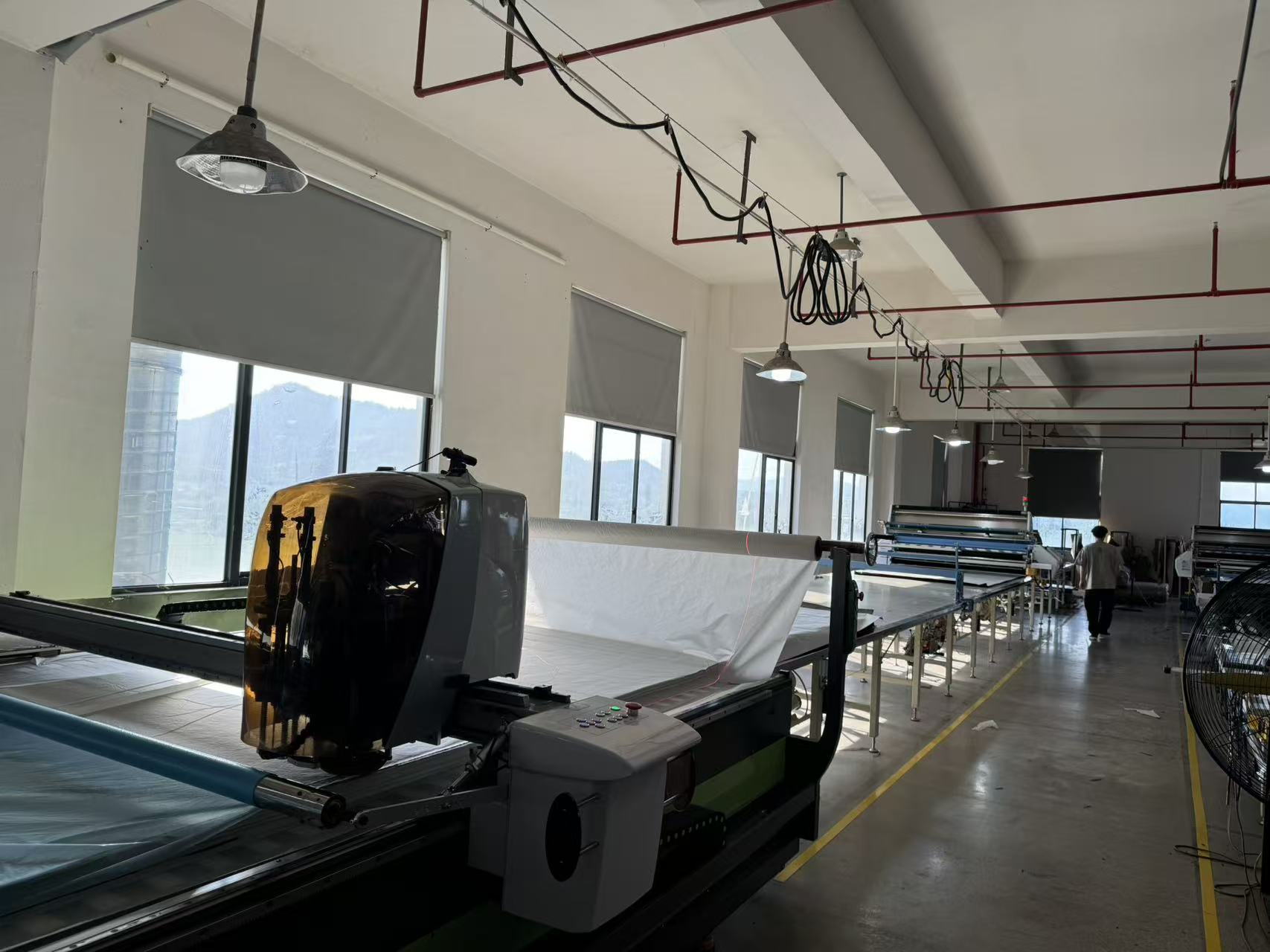
When a hospitality project needs a detachable assembled leisure chair in a specific dimension, upholstery, colour or connector system, the inquiry becomes an OEM/ODM project. Anji Yinafu is a manufacturer and exporter based in Anji County, Zhejiang Province, China, which is a well-known furniture production cluster. The company operates a 67,000 square metre factory with more than 250 skilled workers and an annual output capacity of one million units. Its independent design and engineering team of more than 20 designers and engineers supports OEM and ODM customisation.
For buyers planning a customised run, the key operational constraints are: monthly production capacity of 10,000 units, a typical lead time of 45 days, a minimum order quantity of 50 units, and quality control by spot check. These figures are useful for evaluating whether a detachable chair program can fit a project schedule and commercial minimums. Export markets are reported as Asia, EU, Middle East and UK, with roughly 95% of output exported.
Evidence from an assembly-friendly commercial program
One documented client project illustrates what assembly-friendly means at order level. A global retailer worked with Anji Yinafu on a commercial furniture program covering 30 SKUs over two years. The result included a two-year quality guarantee. The project highlight reported by the client was easy assembling. This is not a claim that every model is flat-pack, but it is practical evidence that the manufacturer has delivered multi-SKU programs where assembly ease was a differentiating requirement.
Detachable versus one-piece leisure chairs: trade-offs
The choice between a one-piece leisure chair and a detachable assembled leisure chair is not a choice between premium and budget. It is an engineering and logistics decision. The table below summarises the main trade-offs in neutral terms.
| Evaluation factor | One-piece leisure chair | Detachable assembled leisure chair |
|---|---|---|
| Shipping volume per unit | Usually higher | Potentially lower, depending on design |
| Preparation at destination | Ready to place | Requires assembly labour and tools |
| Access through narrow routes | Can be difficult | Easier in component form |
| Joint integrity | Fewer joints | Depends on connector quality and correct assembly |
| Quality assurance | Factory controlled | May require post-assembly inspection |
For high-seat-count installations in hotels and clubs, the decision often comes down to whether the labour saved in the factory outweighs the labour and supervision needed on site.
Limitations that buyers should challenge
Detachable construction is not automatically sustainable, cheaper or faster to install. For many furniture categories, standardized measurements of assembly time and volume savings are still scarce. In the current public dataset, there are no average figures for how many minutes are required to assemble a detachable leisure chair or how many cubic metres are saved compared with a welded chair. Buyers should therefore ask suppliers for project-specific evidence: packed dimensions, number of components, assembly instructions, spare parts list and the load or stability tests performed after assembly.
Another limitation is warranty complexity. If a lounge chair comes in separate boxes, damage may occur to one component rather than the entire chair. Buyers need to understand how the supplier handles replacement parts. The supplier’s after-sales system includes remote support and a documented after-sales guarantee approach, but specific replacement terms should be written into the contract.
Framework for evaluating a detachable leisure chair supplier
A practical evaluation framework for a detachable assembled leisure chair project should cover four dimensions. First, product engineering: the buyer needs to see the connection design, not just a rendered image. Second, standards and testing: request documents showing the assembled chair meets or is tested against ISO 7173 and, for US projects, ANSI/BIFMA X5.4. Third, manufacturing logistics: obtain maximum packed dimensions and calculate landed cost per seat. Fourth, after-sales support: confirm which components can be replaced and how long spare part availability lasts.
In addition, the buyer should verify whether the proposal is truly customised or simply a standard chair with an added assembly instruction. Custom OEM/ODM work implies that the frame, cushion density, fabric or packing can be adjusted. If the supplier only changes the carton and invoice, the buyer may not receive a properly engineered detachable product.
Future outlook: more systematic evaluation
As the modular furniture market grows and hotel furniture replacement cycles continue, detachable assembled leisure chairs are likely to be evaluated with more formal criteria. Standards like ANSI/BIFMA X5.4 and ISO 7173:2023 will help purchasing teams compare assembled performance across brands. At the same time, manufacturers with strong OEM/ODM engineering capabilities and multi-SKU quality experience are better positioned to provide transport-friendly solutions without compromising frame strength.
Reference: A broader product list including leisure chairs and related models is available in the YINAFU 2026 Catalogue: Download PDF.
FAQ
What materials are used in Yinafu leisure chairs?
Across the current leisure chair range, the materials most commonly used are steel, foam and fabric, while model 90-061 uses plywood instead of steel as its frame material. Foam is used in the seat and back cushioning, and the fabric provides the upholstery cover.
Can buyers request a detachable assembled design through a manufacturer’s customisation service?
Manufacturers offering OEM and ODM support can tailor the design and frame to specific project needs. Anji Yinafu states that it supports OEM and ODM personalised customisation, with a monthly capacity of about 10,000 units, a typical lead time of 45 days and a minimum order quantity of 50 units.
Which standards are relevant for commercial leisure chairs?
For the North American market, ANSI/BIFMA X5.4 is the primary standard for public and lounge seating. Internationally, ISO 7173:2023 describes test methods for the strength and durability of seating structures. Additionally, an ISO 9001 certificate is a sign that the design, development and production processes are quality-managed.
How can a buyer judge whether a supplier can meet delivery deadlines for large leisure chair orders?
A supplier that states sufficient production capacity and an experienced team may be able to handle volume. In the case of Anji Yinafu, the company reports a factory area of 67,000 square metres, more than 250 skilled workers, an annual output of one million units and active mitigation of delivery risk through planned production schedules and complete after-sales support.
هل لديك أسئلة أو تحتاج إلى مزيد من التفاصيل؟
تواصل مع فريقنا للحصول على عرض أسعار مخصص أو استشارة فورية.
طلب عرض أسعار
املأ النموذج أدناه وسيتواصل معك فريقنا بعرض مقترح مخصص.
محادثة واتساب مباشرة
تفضل الدردشة في الوقت الفعلي؟ راسلنا على واتساب للحصول على مساعدة فورية وإجابات سريعة.
- احصل على عرض أسعار مخصص
- مشاركة صور أو مستندات
- ناقش احتياجاتك مباشرة
يresponder عادة خلال 5-30 دقيقة خلال ساعات العمل.