
Display Rack Materials: A Buyer's Evaluation Guide
Display Rack Materials: A Buyer's Evaluation Guide
Display racks determine how merchandise is seen, reached and purchased. Material choice directly affects fixture durability, brand appearance, lead time and total cost. This evaluation guide gives retail and sportswear buyers a framework for comparing display rack materials and supplier capabilities.
Redman Corporation is a custom POP display and store fixture manufacturer founded in 2002 in Zhangjiagang, China. The company operates approximately 550,000 square feet of production facilities, employs more than 350 people, and maintains a warehouse in Los Angeles for assembly, packaging and drop-shipping. Its manufacturing data is used throughout this article to illustrate what buyers should verify when assessing custom display rack suppliers.
The Market Context: Display Racks as a Strategic Purchase
The global retail shelving market, which includes display racks, was valued at USD 12.4 billion in 2025 and is projected to reach USD 25.6 billion by 2034, according to Dataintelo. Gondola and floor-standing systems dominate the retail shelving market with a 41.8% share, which means the floor standing display rack remains the most common in-store architecture for retailers.
Material choice is also a category-level decision. Steel is the dominant material in retail shelving and display racks, accounting for 48.6% of the market in 2024, according to an industry analysis by Market Research Future. Retail buyers evaluating a metal display rack should verify gauge, finish, load rating and fabrication quality before placing an order.
In sportswear, physical retail remains essential. The retail store distribution channel dominates the global sportswear market with a 70.4% share in 2026, according to Fortune Business Insights. This makes in-store display fixtures a meaningful investment for sports brands, not a support purchase.
Material-by-Material Evaluation for Display Racks
Each material family serves a different set of display jobs. Buyers are advised to evaluate load capacity, visual compatibility, finishing flexibility and supply lead time together rather than in isolation.
Metal Display Racks
Metal display racks are widely used in retail, supermarket, department store and brand store environments. Steel is the most common material because it combines strength with predictable fabrication. Redman's custom metal POP display range uses cold-rolled steel and stainless steel, with powder coating or painting finishes, and supports a load capacity of 50 to 200 kilograms.
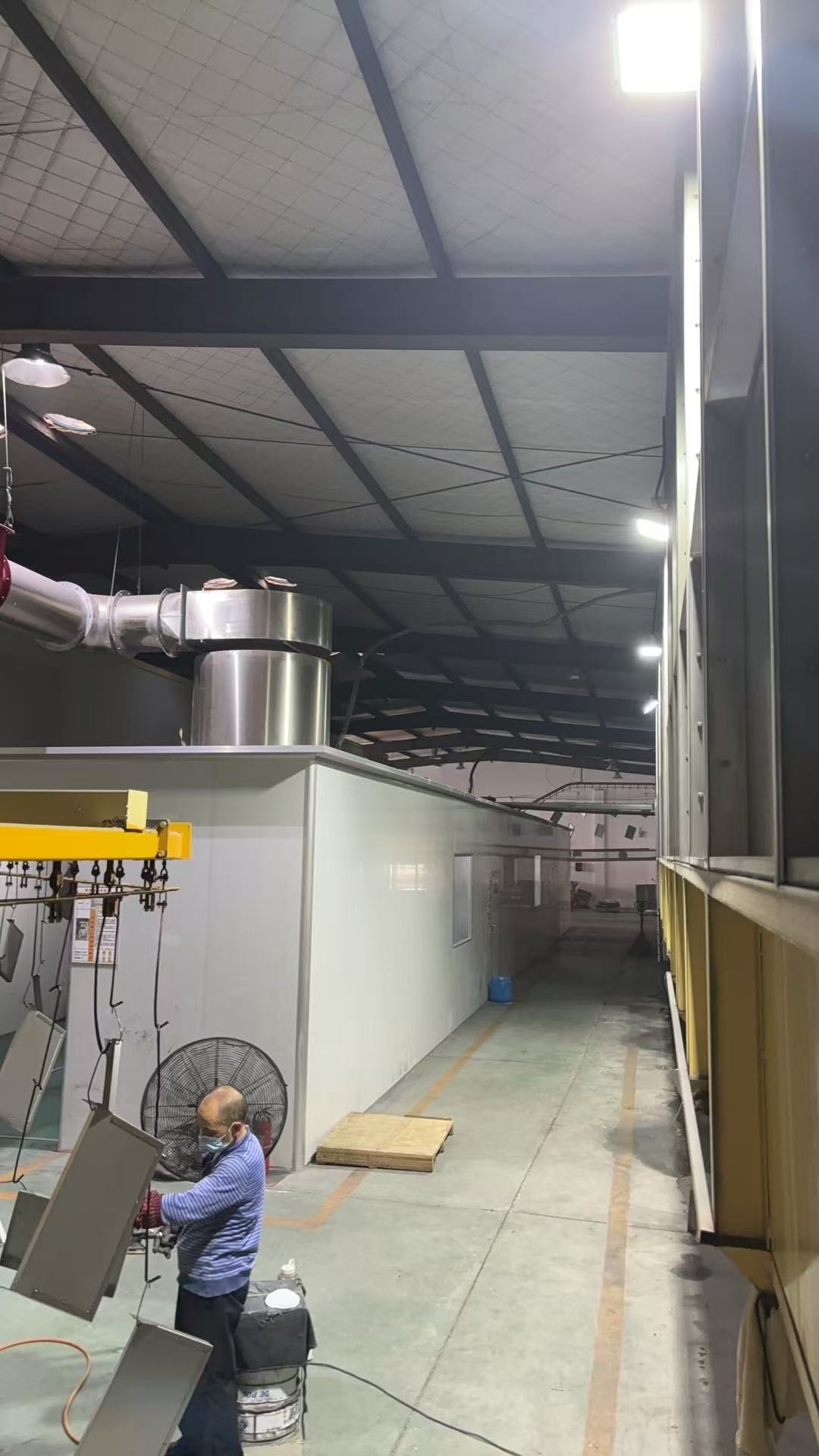
For buyers, the manufacturing evidence matters more than the finished photo. Redman's metal OEM/ODM production capability is 30,000+ pieces per month, with a lead time of 25 to 35 days and a minimum order quantity of 100 pieces for custom metal parts. Cutting, bending, welding, stamping, powder coating, painting and polishing are all part of the metal production line.
Wooden Display Racks and Store Fixtures
Wooden display racks are common in apparel display, accessory display and premium retail settings where warmth and texture support the brand image. Common wood materials include MDF, solid wood and plywood, with melamine, veneer or painting finishes.
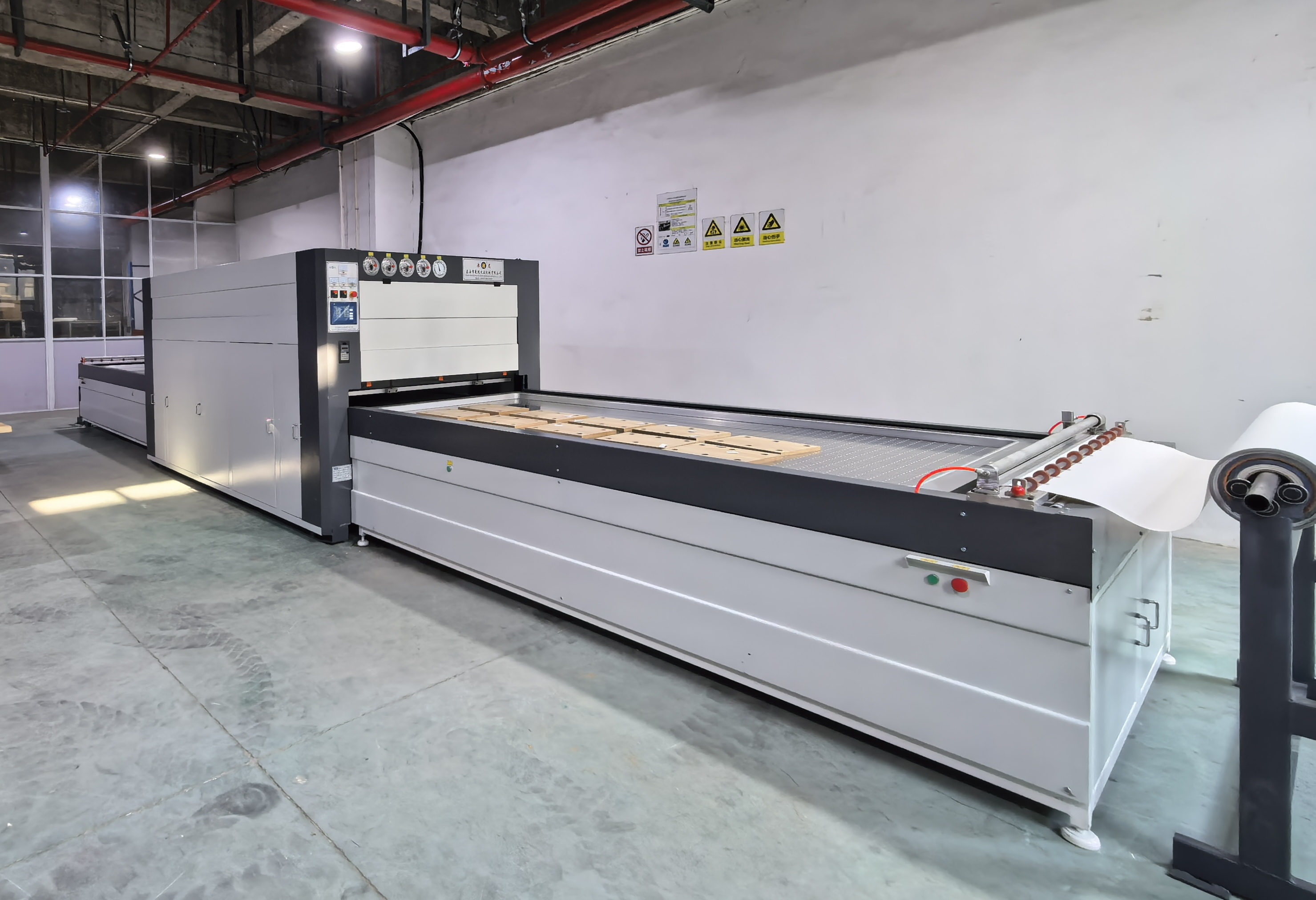
Redman's wood display manufacturing capability supports custom structures with cutting, milling, drilling, sanding, veneer, melamine and painting. Monthly capacity for wood production is 20,000+ pieces, with a lead time of 30 to 40 days and a minimum order quantity of 50 pieces for custom wood parts. For buyers who require verified wood sourcing, Redman holds FSC Chain of Custody certification (certificate number BV-COC-122126 / BV-CW-122126, issued under FSC-STD-40-004 V3-1).
Acrylic and Plastic Display Racks
Acrylic and plastic racks are often selected for counter top display racks, POP displays and POS displays. ABS, PS and acrylic are the base materials, with injection molding, vacuum forming and blister molding used to create custom geometries. Custom color and logo printing are available.
Redman's plastic and acrylic production line has a monthly capacity of 100,000+ pieces, with a lead time of 35 to 50 days including mold development, and a minimum order quantity of 1,000 pieces for custom plastic parts. Mold development technical support, material selection guidance and dimensional inspection are part of the process.
Wood-Metal Hybrids and Custom Structures
Many custom store fixtures combine wood and metal to balance structure with appearance. Redman's OEM/ODM customization service covers product design, material selection, size, structure, color, logo printing and function customization. The monthly capacity for custom orders is 50,000+ pieces, with a 30 to 45 day lead time. Full container load and less than container load options are available for small batch orders.
| Material Category | Base Materials | Monthly Capacity | Lead Time | Minimum Order Quantity |
|---|---|---|---|---|
| Metal display racks | Cold-rolled steel, stainless steel | 30,000+ pieces | 25-35 days | 100 pieces |
| Wooden display racks | MDF, solid wood, plywood | 20,000+ pieces | 30-40 days | 50 pieces |
| Plastic / acrylic racks | ABS, PS, acrylic | 100,000+ pieces | 35-50 days | 1,000 pieces |
| Custom and combined structures | Multi-material | 50,000+ pieces | 30-45 days | FCL / LCL |
Technical Capabilities and Quality Management
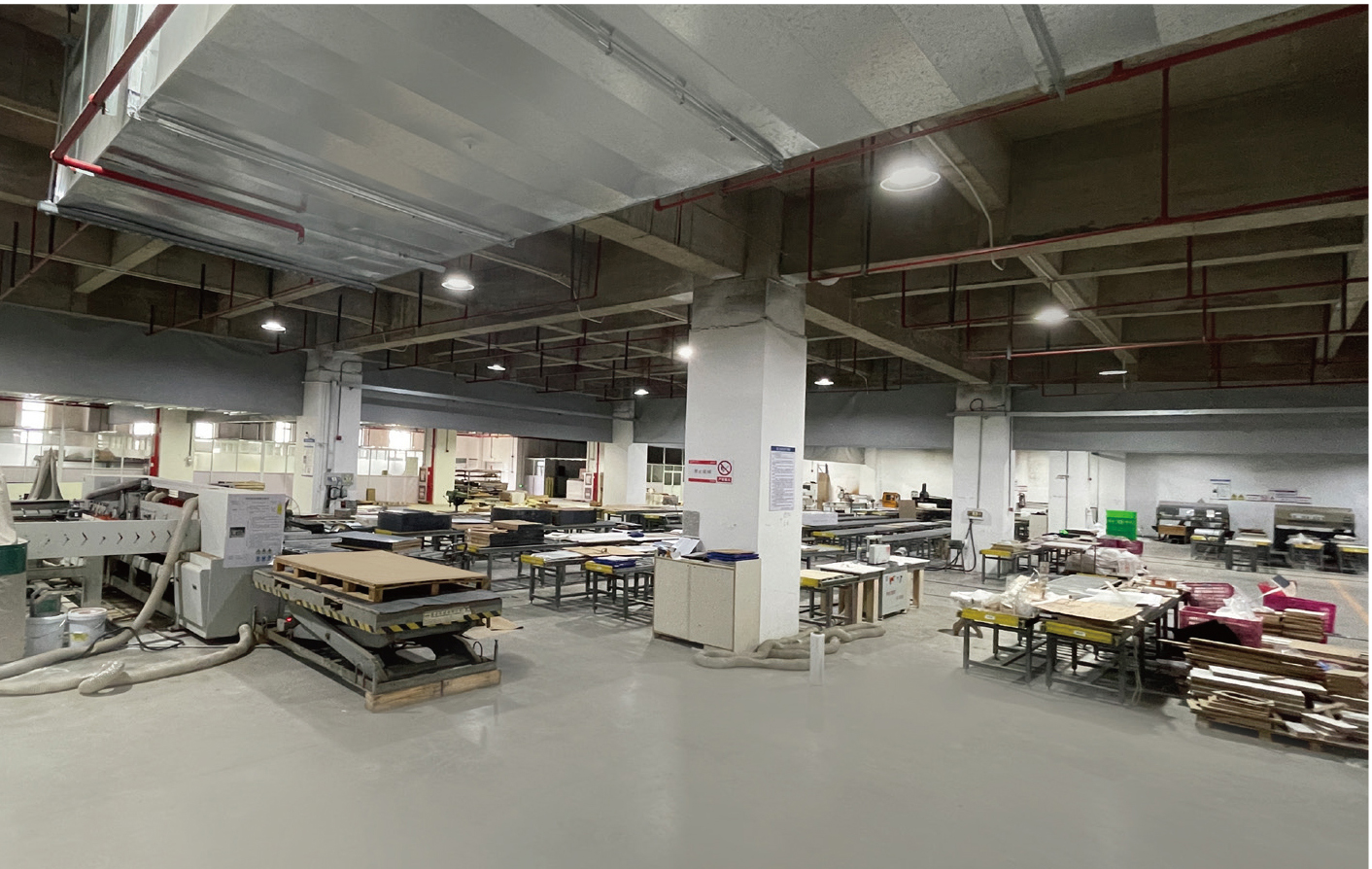
Display rack projects require more than material stock; they require process control. Redman's production plant covers metal, wood, plastic, printing, painting, powder coating and packaging workshops across approximately 550,000 square feet. The engineering team includes more than 50 technical engineers and 7 project managers, who provide internal coordination for assigned projects.
Quality management is structured around international standards. Redman holds ISO 9001:2015 quality management certification (certificate 04623Q16735R0M), ISO 14001:2015 environmental management certification (04623E13894R0M), ISO 45001:2018 occupational health and safety certification (04623S13846R0M), and ISO 50001:2018 energy management certification (0350124En20050R0M).
Buyers evaluating suppliers should also check inspection procedures. Redman reports 100% pre-shipment inspection on custom orders, with third-party inspection available through SGS, BV or TUV. For market-specific compliance, retail fixtures and commercial displays in the United States are expected to meet ANSI/UL 970, the standard that recently replaced UL 65 and UL 962, according to Intertek and UL Solutions.
Application Scenarios: What the Project Data Shows
Project documentation helps buyers understand how display rack capability translates to results. Redman's published project data covers global retail brands, supermarket chains, department stores and exhibition providers.
For a global retail brand client, Redman supplied more than 5,000 custom POP display units for in-store product merchandising and brand promotion. The client reported a 40% improvement in product display effect and a 25% increase in in-store sales, supported by one-stop service from design to production, USA warehouse drop-shipping and 100% on-time delivery.
For a European supermarket chain, Redman delivered more than 3,000 custom store fixtures for product category display and shelf management across more than 200 supermarkets in Germany. The project achieved a 30% improvement in operational efficiency, and the design followed the client's brand VI while complying with European safety standards.
For a Middle East department store, Redman completed a flagship store project in Riyadh within 1.5 years, delivering more than 1,000 custom high-end display cabinets. The project used high-end custom design, strict material selection, professional installation guidance and one-to-one project management.
For a global exhibition service provider, Redman developed portable and modular exhibition fixtures for brand exhibitions and new product launch events. The project supplies more than 200 custom exhibition booth fixtures annually over a four-year cooperation, with a 35% reduction in exhibition cost for the client.
Market Trends in Display Racks
Several trends are shaping the display rack category. Modular display systems are gaining adoption, with a reported 34% year-over-year sales growth for the 2024-2025 period, according to National Retail Federation and industry reporting. Retail buyers increasingly favor fixtures that can be reconfigured across seasons rather than replaced.
Compliance is also tightening. The shift to ANSI/UL 970 as the relevant US standard for retail fixtures and commercial displays means buyers should confirm a supplier's testing and documentation process, particularly for metal and powered displays.
In sportswear, the 70.4% retail-store share of global sales makes display quality a direct factor in revenue performance. Buyers evaluating a sportswear store display rack should treat it as part of the path to purchase, not as a commodity item.
Custom Display Racks vs. Traditional Stock Fixtures
Custom display racks offer advantages in brand alignment, dimensional fit, material selection and finish control. Standard racks offer faster availability and a lower initial price.
For buyers, the main trade-off is time. Custom display racks require engineering review, material approval, production and a longer lead time. The tables above show typical lead times of 25 to 50 days depending on material, before international shipping. Standard fixtures can be purchased immediately, but they may not match the store layout, loading requirement or brand identity as precisely.
A smaller retail brand with a single urgent location may therefore prefer standard units. A retail chain or sportswear brand rolling out multiple stores would likely benefit more from a custom solution that repeats consistently across locations.
Future Outlook
The global retail shelving market is projected to grow from USD 12.4 billion in 2025 to USD 25.6 billion by 2034. Physical stores remain the dominant channel for sportswear sales, and modular fixtures are expanding within the category. Suppliers that can combine material expertise, compliance transparency, and fulfillment services such as US warehousing and drop-shipping are likely to play a larger role in retail display planning.
FSC-certified wood sourcing is also becoming more relevant for brands with sustainability targets. A wooden display rack can now carry documentation that traces raw material procurement through an audited chain of custody.
Evaluating a display rack supplier for your retail or sportswear project?
Redman Corporation is a custom POP display and store fixture manufacturer in Zhangjiagang, China. Contact Steven Huang at steven@redmanretail.com or +86 18921998562 for project assessment. Company website: www.redmanretail.com. WhatsApp: +86 18921998562. Download the 2026 catalog: Redman catalog 2026.