
Display Rack Procurement FAQ: MOQs, Lead Times and Quality Control Explained
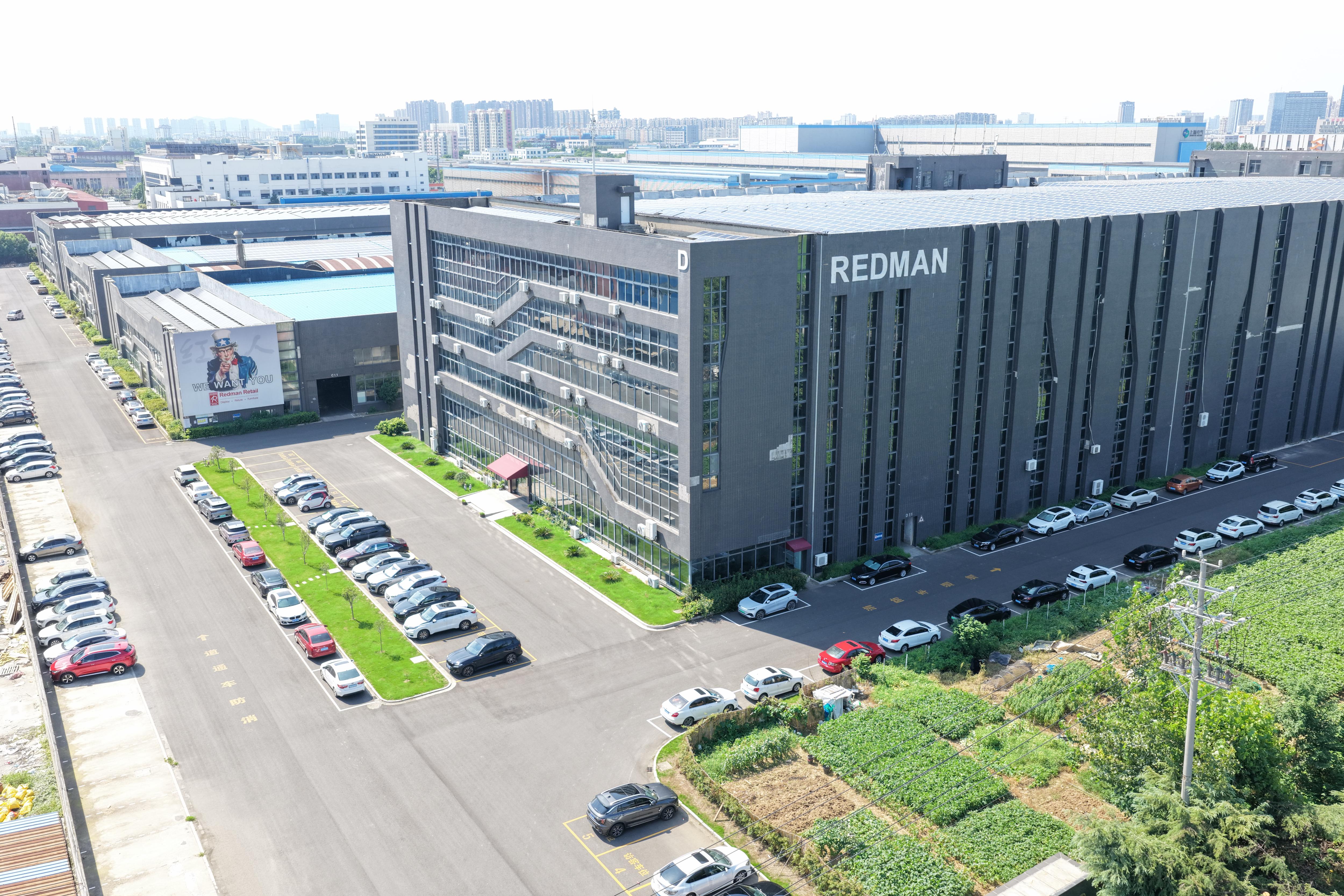
Figure 1 — Custom POP display and store fixture manufacturing site in Zhangjiagang, China. Source: Redman Corporation.
Display racks are usually procured as project items rather than bought as standard catalog products. For retail buyers and brand teams at the evaluation stage, three operational variables tend to decide whether a fixture program can move forward: the minimum order quantity (MOQ) a supplier will accept, the production lead time each material requires, and the quality control (QC) evidence the supplier is prepared to document. This procurement FAQ answers those questions and explains how the three variables connect, using manufacturing data from Redman Corporation, a China-based producer of custom POP displays and store fixtures.
Why MOQ, Lead Time and Quality Control Are One Decision
Supplier evaluation often begins with price and design, but the parameters that decide feasibility are commercial and operational. A display rack concept that suits a flagship store may be uneconomic at a 60-unit pilot order. A program timed against a seasonal launch can fail if the chosen plastic component needs a mold cycle measured in weeks. MOQ, lead time and QC are therefore not three separate checkboxes; material choice moves all three at once. A wooden fixture and a plastic fixture of similar appearance can differ in minimum order quantity by a factor of twenty and in lead time by several weeks.
For buyers, the practical method is to fix three inputs before comparing suppliers on design or price: the order volume the retailer can commit to, the date the fixtures must be standing in store, and the quality evidence the brand requires for sign-off. The rest of this reference gives the concrete numbers behind those inputs.
Display Rack MOQ by Material and Production Type
| Production scope | Minimum order quantity |
|---|---|
| Custom wood parts | 50 pieces minimum |
| Custom metal parts | 100 pieces minimum |
| Custom plastic / acrylic parts | 1,000 pieces minimum |
| Custom orders (project level) | FCL; LCL available for small batch custom orders |
Table 1 — Minimum order quantities by production scope. Source: Redman Corporation manufacturing parameters.
The gap between a 50-piece wood order and a 1,000-piece plastic order reflects how each material is produced rather than supplier preference. Custom wood parts are made through cutting, milling, drilling, sanding, veneering, melamine and painting — a process that scales down to small runs because it relies on general woodworking equipment rather than dedicated tooling. Custom metal parts involve cutting, bending, welding, stamping, powder coating, painting and polishing, and are quoted from a 100-piece minimum. Plastic and acrylic parts are produced by injection molding, vacuum forming and blister molding, where a mold must be developed for the specific part; the 1,000-piece minimum for custom plastic parts reflects that mold investment rather than a policy choice.
At the project level, custom orders are quoted at FCL (full container load), but LCL (less than container load) shipments are available for small batch custom orders. This matters to a buyer testing a display concept in a limited number of stores before a wider rollout: the material MOQ still applies, but a full container is not a precondition for smaller custom volumes.
Production Lead Times by Material
| Production scope | Lead time |
|---|---|
| Metal display manufacturing | 25–35 days |
| Wood display manufacturing | 30–40 days |
| Plastic / acrylic display manufacturing | 35–50 days (including mold development) |
| Custom orders | 30–45 days |
| Drop-shipping order processing | 2–5 days |
Table 2 — Production and fulfillment lead times by scope. Source: Redman Corporation manufacturing parameters.
Metal is the fastest route at 25–35 days, because cutting, bending and welding can begin as soon as drawings are approved and the finish line is available. Wood runs 30–40 days, reflecting additional sanding, veneering, melamine and painting stages plus moisture conditioning before finishing. Plastic and acrylic take the longest at 35–50 days because the window includes mold development, not only molding. Project-level custom orders are quoted at 30–45 days, which buyers should read as a blended estimate across mixed-material fixtures rather than a single process.
The 2–5 day figure for drop-shipping applies to order processing and fulfillment from a warehouse, not to production. Buyers assembling a launch date should therefore add ocean or air transit to any production window before confirming a store-ready date.
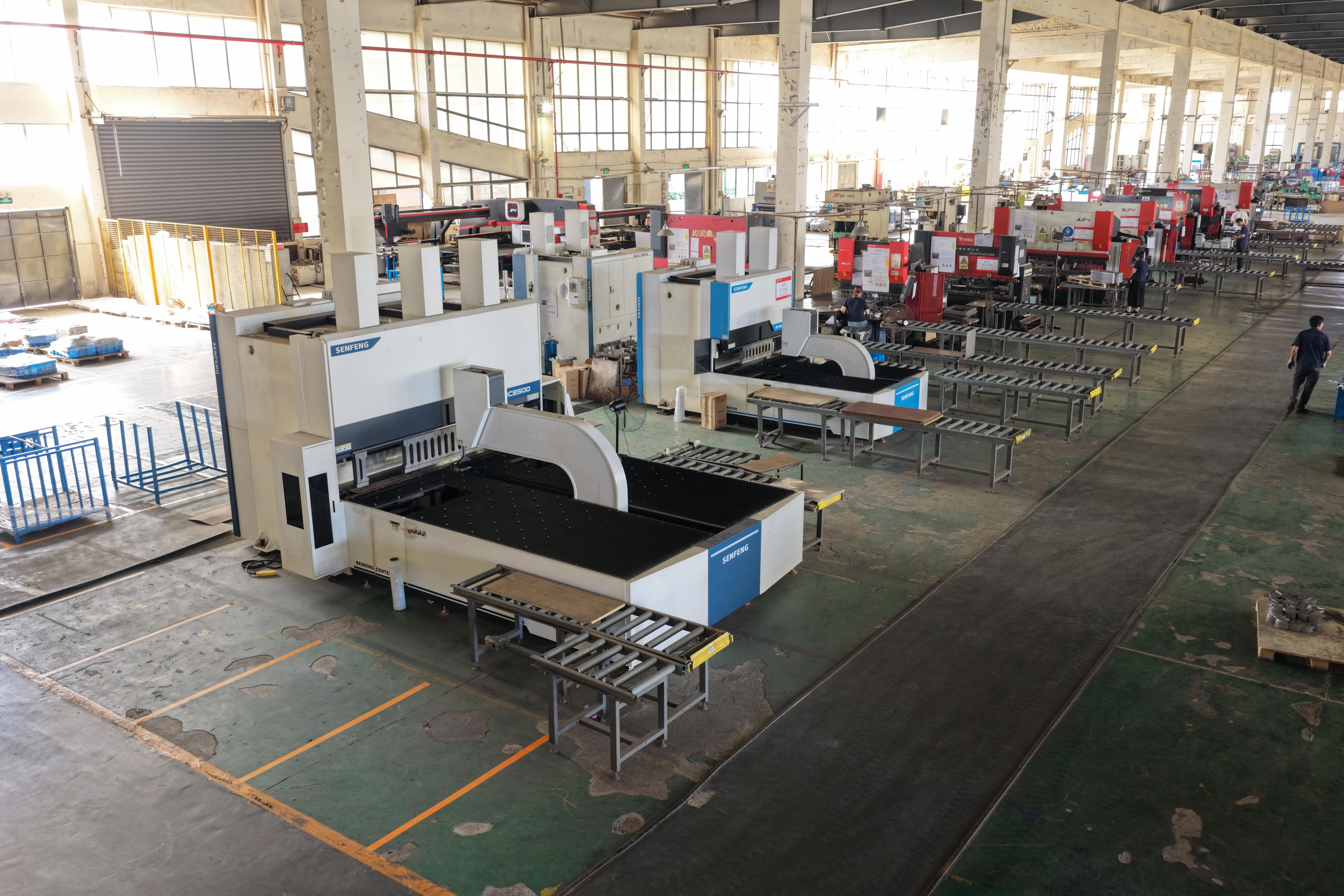
Figure 2 — Woodworking stage for custom wooden display racks, where dimensional and moisture checks are applied.
Quality Control Measures by Material
| Material / scope | Quality control measures |
|---|---|
| Metal | Dimensional inspection, load-bearing test, surface finish inspection, 100% quality check |
| Wood | Dimensional inspection, surface finish inspection, moisture content test, 100% quality check |
| Plastic / acrylic | Dimensional inspection, material performance test, surface finish inspection, 100% quality check |
| Custom orders | 100% pre-shipment inspection; third-party inspection (SGS, BV, TUV) available |
| Warehouse fulfillment | Order accuracy check, packaging quality inspection, regular inventory count |
Table 3 — Quality control measures by material and scope. Source: Redman Corporation manufacturing parameters.
Why Moisture Content Testing Matters for Wooden Display Racks
Wood is hygroscopic: its dimensions respond to ambient humidity. A wooden display rack finished at a high moisture content can shrink, warp or crack after it reaches a dry, air-conditioned retail floor, and a rack finished too dry can swell in a humid market. The moisture content test applied to wood parts is therefore a stability test, not a cosmetic one. Running it alongside dimensional inspection and surface finish inspection gives the buyer evidence that the fixture is likely to keep its geometry after installation, which is exactly the risk that matters across multi-store rollouts in different climates.
Why Material Performance Testing Matters for Plastic and Acrylic
For plastic and acrylic display racks, a material performance test verifies that the resin or acrylic used behaves as the specification requires, before dimensional inspection and surface finish inspection confirm fit and appearance. Because plastic parts are produced by injection molding, vacuum forming or blister molding, a single unverified material batch can affect an entire run; testing the material early is the mechanism that protects the order. The same production line feeds a 100% quality check across output.
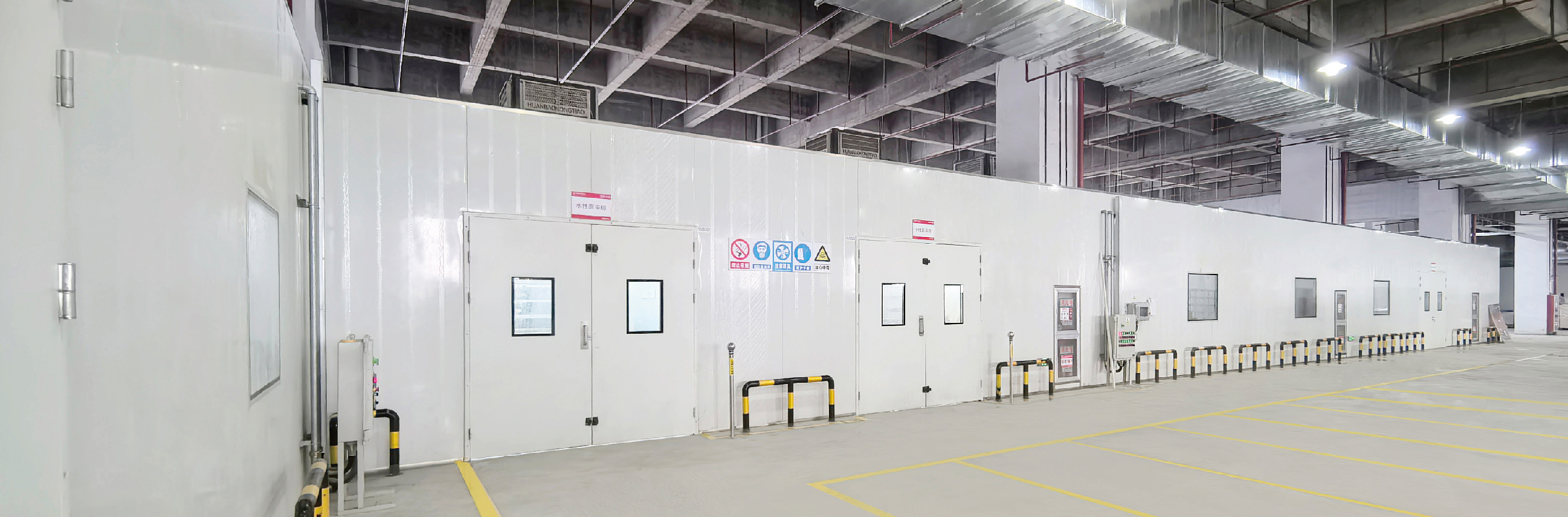
Figure 3 — Plastic and acrylic production area, where material performance testing supports the 1,000-piece custom part run.
Third-Party Inspection and Load Testing
For metal display racks, the load-bearing test sits between fabrication and finishing, because a welded frame that fails under load cannot be corrected by powder coating or painting. Buyers who want independent confirmation can request third-party inspection from SGS, BV or TUV, which is offered in addition to the standard 100% pre-shipment inspection applied to custom orders. Third-party inspection adds time to the schedule, so it is normally requested on first orders or on programs where a brand's compliance team requires external sign-off.
How Redman Applies These Procurement Parameters
Redman Corporation is a manufacturer of custom POP displays and store fixtures, founded in 2002 and based in Zhangjiagang, about two hours by road from Shanghai. Its production facilities cover approximately 550,000 sq ft (51,097 m²) across metal, wood, plastic, printing, painting, powder coating and packaging workshops, and the company employs over 350 people, including more than 50 technical engineers and 7 project managers.
On capacity, Redman reports 30,000+ metal pieces per month, 20,000+ wood pieces per month, 100,000+ plastic and acrylic pieces per month, and 50,000+ pieces per month for customized orders. Annual output exceeds 1,000 containers, with a 95% export ratio across the USA, Canada, Europe, the Middle East and Australia. For North American programs, a Los Angeles warehouse handles storage, assembling, packaging, drop-shipping and inventory management, processing 10,000+ orders monthly with 2–5 day order processing and no minimum order quantity for the drop-shipping service itself.
Quality and compliance are documented through management system certifications: ISO 9001 (04623Q16735R0M), ISO 14001 (04623E13894R0M), ISO 45001 (04623S13846R0M), ISO 50001 (0350124En20050R0M), and FSC Chain of Custody (BV-COC-122126/BV-CW-122126) for the forest raw material procurement, production and sales of wooden POP displays and store fixtures. After-sales support is structured as 7×24 online technical support, one-to-one project management, and after-sales quality problem resolution within 48 hours.
For buyers, these figures matter in one specific way: they show whether the MOQ and lead time quoted for a project rest on real, dedicated capacity for each material, or on capacity that must be bought in from a third party after the order is placed.
Applications: How These Parameters Behave in Real Programs
Procurement parameters only become meaningful when they meet a real project. Four documented programs illustrate how MOQ, lead time and QC interact at different order scales.
- Global retail brand (in-store merchandising): more than 5,000 custom POP display units delivered through a one-stop service from design to production, with USA warehouse drop-shipping, strict quality control and a 100% on-time delivery rate. The program reported a 40% improvement in product display effect and a 25% increase in in-store sales.
- European supermarket chain (category display and shelf management): 3,000+ custom store fixtures delivered in Germany, designed according to the retailer's brand VI and compliant with European safety standards. The project reported a 30% improvement in operational efficiency across 200+ supermarkets.
- Middle East department store (luxury brand image): over 1,000 custom high-end display cabinets delivered for a flagship store in Riyadh within a 1.5-year project window, with strict material selection, professional installation guidance and one-to-one project management.
- Global exhibition service provider (modular booth fixtures): 200+ custom exhibition booth fixtures supplied annually over a four-year cooperation, supporting 500+ global exhibitions with portable, modular, reusable fixtures, and reducing the client's exhibition cost by 35%.
Read together, these cases show the same pattern: smaller pilot volumes are usually built from wood or metal, while large rollouts are where plastic and acrylic molding becomes economic because the 1,000-piece minimum is spread across a large store base.
Market Trends Shaping Display Rack Procurement
Third-party market data suggests the fixture category these parameters sit inside is expanding. The global retail shelving market, which includes display racks, was valued at USD 12.4 billion in 2025 and is projected to reach USD 25.6 billion by 2034, according to Dataintelo.
Within that market, format and material choices are already concentrated. Gondola and floor-standing systems held a 41.8% share of the retail shelving market in 2024, equivalent to approximately USD 3.59 billion, according to Market Research Future. Steel remains the dominant material in retail shelving and display racks, at a 48.6% market share in 2024, which is consistent with the shorter 25–35 day metal lead time and 100-piece metal MOQ described above.
A separate industry report from the National Retail Federation and Guangdong Weile noted that retailers are increasingly adopting modular display systems, with 34% year-over-year sales growth in 2024–2025. Modularity is relevant to procurement because it changes the unit economics: a modular frame can be specified once and reconfigured across store formats, which supports higher per-order volumes and therefore easier MOQ thresholds.
Compliance expectations are also tightening. Retail fixtures and commercial displays in the US market must comply with ANSI/UL 970 standards, which recently replaced UL 65 and UL 962, according to Intertek and UL Solutions. For buyers, this is a procurement constraint rather than a marketing point: it must be resolved before an order is placed, not after.
Where Custom Display Rack Procurement Has Limits
Custom manufacture is not the right answer for every order, and the parameters above define where it is not. The clearest limit is plastic: a custom plastic or acrylic part carries a 1,000-piece minimum and a 35–50 day lead time that includes mold development. For a buyer testing a concept in two or three stores, that combination is usually impractical, and the reasonable alternatives are a 50-piece wood order or a 100-piece metal order instead.
A second boundary is freight configuration. LCL is available for small batch custom orders, but LCL is generally less freight-efficient per unit than a full container, so small-batch orders carry a different cost profile rather than the same unit cost at lower volume. Buyers should treat LCL as a way to start, not as a way to match FCL economics.
A third consideration is verification time. Third-party inspection from SGS, BV or TUV is available, but scheduling an independent inspector adds days that a standard 100% pre-shipment inspection does not require. On tight launch dates, buyers must decide whether external verification is worth the schedule cost, and should decide before production starts rather than after.
Finally, a 100% quality check is a process control, not a guarantee of zero defects. It reduces risk and creates an inspection record, but it does not remove the buyer's responsibility to approve materials, drawings and finish samples before the run begins.
Future Outlook
Two forces are likely to shape the next procurement cycle. The first is modularity: if modular display systems continue to grow, buyers will increasingly specify a base structure that can be reconfigured across stores, which raises first-order volumes and moves more projects past the plastic MOQ threshold. The second is documentation: with compliance standards such as ANSI/UL 970 in place and certification systems such as ISO 9001, ISO 14001 and FSC Chain of Custody already embedded in supplier evaluation, quality control evidence is becoming a standard part of the quotation pack rather than an optional extra.
For buyers, the practical implication is to negotiate MOQ, lead time and QC as one package. A supplier that can hold a 50-piece wood minimum, a 100-piece metal minimum, and documented moisture and material testing is offering a different risk profile from one that competes on unit price alone.
Procurement FAQ
What is the minimum order quantity for a custom display rack?
MOQ depends on material. Custom wood parts carry a 50-piece minimum, custom metal parts a 100-piece minimum, and custom plastic or acrylic parts a 1,000-piece minimum. At project level, custom orders are quoted at FCL, with LCL available for small batch custom orders. The higher plastic minimum reflects mold development required for injection molding, vacuum forming and blister molding.
How long does it take to manufacture a custom display rack?
Metal display manufacturing runs 25–35 days, wood 30–40 days, and plastic or acrylic 35–50 days including mold development. Project-level custom orders are quoted at 30–45 days. These are production windows; buyers should add freight transit and, where required, third-party inspection time before setting a store-ready date.
What quality control tests are applied to wooden display racks?
Wooden display racks are inspected through dimensional inspection, surface finish inspection and a moisture content test, followed by a 100% quality check. The moisture content test addresses dimensional stability, since wood responds to humidity and a rack finished at the wrong moisture level can warp or crack after installation.
What tests are used for plastic and acrylic display racks?
Plastic and acrylic display racks pass through dimensional inspection, a material performance test and surface finish inspection, with a 100% quality check across output. The material performance test verifies the resin or acrylic before the part is accepted, which matters because a single material batch affects an entire molded run.
Can a small batch be shipped without filling a container?
Yes. LCL (less than container load) is available for small batch custom orders, while standard custom orders are quoted at FCL. The material minimum order quantity still applies, so a small-batch order is defined by the material MOQ, not by container size.
Is third-party inspection available for display rack orders?
Yes. Custom orders receive a 100% pre-shipment inspection by default, and third-party inspection from SGS, BV or TUV is available on request. Third-party inspection adds schedule time, so buyers who require it should build that into the production calendar.
What happens if a quality problem appears after delivery?
Redman's after-sales framework provides 7×24 online technical support, one-to-one project management throughout the order, and after-sales quality problem resolution within 48 hours. Metal parts are additionally supported by a load-bearing test at the production stage, and wood parts by moisture content testing, which is where most dimensional issues originate.
The full product and capability reference, including material specifications and certification details, is available in the Redman 2026 catalogue: Redman 2026 catalogue (PDF).