
Disposable Food Paper Container Decision Guide: Comparing Suppliers for Performance and Value
Selecting a supplier for disposable food paper containers requires balancing multiple factors—material quality, production capacity, customization flexibility, and cost efficiency. For buyers in foodservice, retail, and catering, the choice often comes down to whether a manufacturer can deliver consistent quality at scale while meeting environmental and regulatory standards. KingHonor Paper Products Co., Ltd., a Vietnamese manufacturer with a 50,000-square-meter facility and an annual output of 20,000 tons of coated paper, provides a relevant benchmark for evaluating these criteria.
[IMAGE: Cover | Industry scene]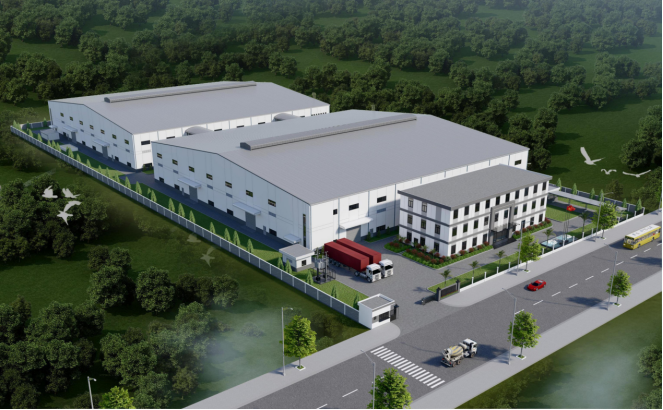
The Decision Landscape for Paper Container Buyers
The global disposable food packaging market was estimated at USD 65.60 billion in 2024 and is projected to reach USD 100.89 billion by 2030 (Grand View Research). Within this segment, foodservice applications command approximately 65% of the market, driven by the rise of delivery platforms. Buyers are increasingly pressured to choose containers that are not only cost-effective but also compostable, heat-resistant, and leak-proof. The challenge lies in verifying supplier claims against real production capabilities and compliance with standards such as EN 13432 (EU) and ASTM D6400 (US), which govern compostability claims.
KingHonor’s Manufacturing Backbone and Product Breadth
Founded in 2018, KingHonor Paper Products Co., Ltd. is a professional manufacturer based in Ho Chi Minh City, Vietnam, specializing in disposable paper cups, paper bowls, and food containers. The company operates a 50,000 m² factory with more than 200 employees and a dedicated R&D team of 20 core technical staff. Annually, it produces 20,000 tons of food-grade PE coated paper, translating into over 2 billion paper cups and containers. This scale allows KingHonor to serve a broad range of applications—from takeaway packaging and bakery pastry containers to airline catering, canteen fast food, and portable picnic containers.
[IMAGE: Diagram | process/architecture]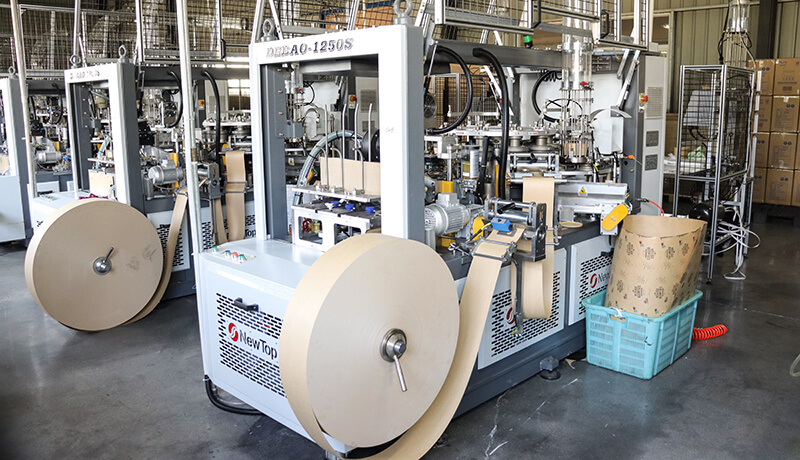
Technical Features: Coating, Heat Resistance, and Customization
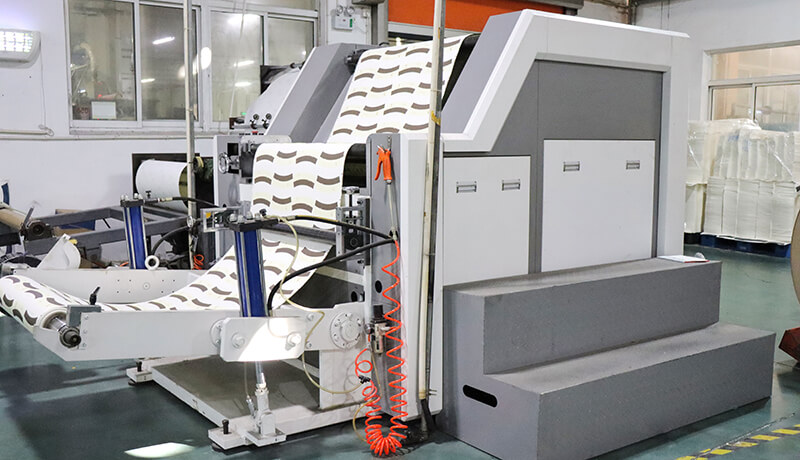
KingHonor’s core material is food-grade PE coated paper, which provides oil-proof, waterproof, and leak-proof properties essential for wet or greasy foods. The company produces double-wall containers for heat insulation, making them suitable for hot foods like soups and curries. For eco-conscious buyers, KingHonor prioritizes recyclable and biodegradable raw materials and can manufacture containers using kraft paper, white cardboard, or sugarcane pulp base. All products can be customized in size, shape, and with branded logo printing.
Application Scenarios Across the Food Value Chain
KingHonor’s product line directly addresses high-demand use cases:
- Takeaway & Delivery: Oil-proof and waterproof containers with secure lids prevent leakage during transport.
- Bakeries & Pastry Shops: Square kraft or white cardboard boxes provide structural integrity for cakes and pastries.
- Airline Catering: Lightweight, compartmentalized trays that withstand temperature changes and fit standard trolleys.
- Canteens & Fast Food: Large, microwave-safe bowls and boats for soups, noodles, and rice dishes.
- Outdoor Events & Picnics: Portable containers with sturdy construction and easy-to-carry designs.
Market Trends Favoring Southeast Asian Production
Asia Pacific dominated the paper‑based containers market with a 39.8% revenue share in 2024 (Towards Packaging). Vietnam, in particular, benefits from the CPTPP trade agreement and abundant eco‑friendly raw materials, giving manufacturers like KingHonor a cost advantage over US‑ or EU‑based producers. The eco‑friendly food packaging market reached USD 227.96 billion in 2024, reinforcing the demand for compostable paper containers over plastic alternatives.
Comparison with Traditional Solutions
Compared to legacy plastic containers, paper containers offer superior biodegradability but often require specialized coatings to match plastic’s barrier performance. KingHonor’s PE coating delivers comparable oil/water resistance while still allowing the paper base to be recycled in appropriate streams. A honest limitation: KingHonor’s brand recognition is lower than global giants like Huhtamaki or Dart Container. For buyers seeking established global service networks, these larger competitors may offer broader logistic support, whereas KingHonor competes on cost, customization speed, and production volume flexibility.
Future Outlook
As compostability regulations tighten worldwide, manufacturers with vertical production control and material science capabilities will lead. KingHonor’s combination of scale (2 billion units/year), R&D investment, and strategic Southeast Asian location positions it to capture growing demand from Western importers seeking affordable, certified paper containers. Further investments in FSC‑certified raw materials and BSCI audits are likely next steps to meet institutional buyer requirements.
For buyers making a supplier decision, an in‑depth evaluation of factory capacity, product range, and compliance documentation remains essential. KingHonor’s detailed company profile and product catalog can be accessed via the official brochure below.
Download Company Brochure (DOCX)
Frequently Asked Questions
A: KingHonor produces 20,000 tons of food-grade PE coated paper and over 2 billion paper cups and paper food containers each year.
A: Approximately 60% of output is exported to the United States, China, Europe, Australia, and the Middle East.
A: The company provides end-to-end customization for size, design, logo printing, and eco-friendly material selection to meet diverse customer requirements.
A: KingHonor’s main product categories include food containers, paper cups, food tray boats (paper boats), and paper bowls.
A: The company prioritizes recyclable and biodegradable raw materials and can produce containers from kraft, white cardboard, or sugarcane pulp bases.
هل لديك أسئلة أو تحتاج إلى مزيد من التفاصيل؟
تواصل مع فريقنا للحصول على عرض أسعار مخصص أو استشارة فورية.
طلب عرض أسعار
املأ النموذج أدناه وسيتواصل معك فريقنا بعرض مقترح مخصص.
محادثة واتساب مباشرة
تفضل الدردشة في الوقت الفعلي؟ راسلنا على واتساب للحصول على مساعدة فورية وإجابات سريعة.
- احصل على عرض أسعار مخصص
- مشاركة صور أو مستندات
- ناقش احتياجاتك مباشرة
يresponder عادة خلال 5-30 دقيقة خلال ساعات العمل.