
Disposable Food Paper Container Materials Compared: Kraft vs White Cardboard vs Cup Base
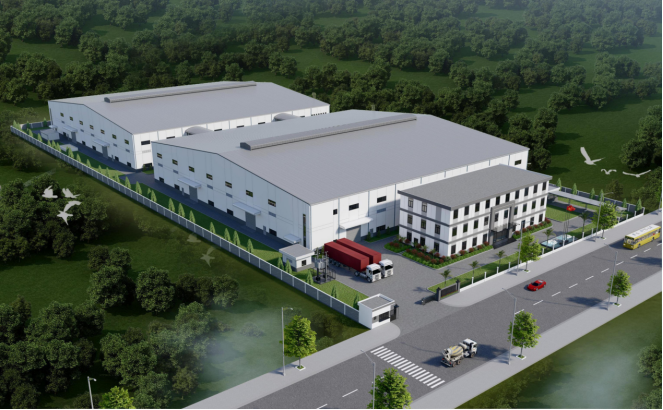
Image source: KingHonor Paper Products production facility. This article uses the company only as a product-line reference and does not compare supplier performance.
Disposable Food Paper Container Materials: Kraft vs White Cardboard vs Cup Base
An independent buyer interpretation of material structure, PE-coated barrier behaviour, and the choices that affect packaging performance in food service.
Buyers evaluating disposable food paper containers often start with unit price and supplier lead time. In practice, however, the material specification deserves the same attention because it determines how the container behaves with oil, moisture, heat and mechanical handling. This reference article compares three common substrate options available to food-service buyers: kraft paper, coated white cardboard and cup base paper. The discussion focuses on product characteristics only, including container forms and the role of PE coating in oil-proof and waterproof performance. It does not make supplier performance claims and should not be read as a brand endorsement.
Why Material Structure Should Be Decided Before Price
A disposable food paper container is not a single material. It is a structure formed by a paper substrate, a barrier coating and a container geometry. Each layer has a different job. The paper substrate provides rigidity, weight and print surface. The coating, frequently polyethylene or PE, creates the continuous film that resists water and grease. The geometry, such as folded side walls, rolled rims, tray flanges or bowl curves, determines stacking behaviour, leak resistance and consumer convenience.
When a buyer treats all disposable paper containers as interchangeable, the risk shifts to the operation phase: packages may look similar but fail when exposed to hot cooking oil, sauce, condensation or rough delivery handling. Selecting the right substrate and coating combination is therefore a functional requirement, not merely a packaging preference.
Market Context: Food-Service Demand Continues To Grow
Global demand for disposable food packaging has expanded with takeaway, delivery and institutional catering. According to Grand View Research, the global disposable food packaging market was estimated at USD 65.60 billion in 2024 and is projected to reach USD 100.89 billion by 2030. The food-service channel is a particularly important segment. Future Market Insights estimates that food-service applications hold approximately 65% of the disposable food container market, encouraged by the growth of delivery platforms.
At the regional level, Asia Pacific accounted for 39.8% of the paper-based containers market in 2024, according to Towards Packaging. This regional weighting is partly explained by manufacturing scale and partly by the wide use of paper containers for street food, quick-service restaurants, catering and airline meals.
For procurement teams, these figures suggest a practical consequence: container volumes are continuing to rise while buyers face increasing pressure to match the right substrate and coating specification to each application.
Three Substrate Families Explained
The three materials compared in this article are common in the disposable food container market. They are not simply different colours of the same paper. Their fibre treatment, surface characteristics and forming behaviour create distinct trade-offs.
Kraft Paper
Kraft paper is made from wood pulp processed by the kraft pulping method. In food container production, it is often selected for its mechanical toughness and natural brown appearance. The strength of kraft paper is related not only to fibre quality but also to the fact that the paper can be formed at a basis weight that maintains stiffness in bowls and trays. Kraft containers are widely used for takeaway meals because they feel substantial and tolerate handling during transit.
One common misconception is that brown kraft paper is automatically oil-proof. In reality, the paper itself is porous. Oil-proof and waterproof behaviour is typically delivered by a coating applied to the food-contact surface. PE-coated kraft is common in food service because the plastic layer provides the liquid and grease barrier that paper alone cannot.
Coated White Cardboard
White cardboard, often described in food-service specifications as coated white board or solid bleached board, offers a cleaner surface for printing and a more polished presentation. The bright background makes decorated graphics, logos and ingredient labels easier to read. This material is frequently used for bakery packaging, pastry boxes, catering trays and retail takeout formats where appearance strongly influences brand perception.
Some manufacturers describe a specific white kraft tray rather than conventional white cardboard. The term “white kraft” usually refers to a kraft base that has been bleached, coated or otherwise treated to give a whiter surface while retaining part of the strength of kraft fibre. For buyers, the important point is not the marketing term but the physical specification of the base paper, coating type and intended container format.
Cup Base Paper
Cup base paper is a specialised paperboard grade developed for forming cylindrical containers, especially paper cups and certain types of disposable food containers with rolled rims or tapered side walls. It is engineered to have controlled caliper, good foldability and sufficient stiffness to prevent side-wall collapse during filling and handling. In food packaging, cup base paper is commonly combined with a PE layer to protect the contents from moisture and grease.
For buyers, the distinction from folding board is important. Cup base paper is not intended for complicated origami-style folds. Its strength lies in forming smooth cylindrical or tapered shapes, such as soup cups, noodle cups and beverage containers.
| Material | Typical Appearance | Main Strength | Common Container Formats |
|---|---|---|---|
| Kraft paper | Natural brown, unbleached look | Mechanical strength, rugged feel | Paper bowls, trays, folded food containers |
| White cardboard / white kraft | Bright coated or bleached surface | Print clarity, premium presentation | Bakery pastry containers, food trays, catering packs |
| Cup base paper | White or lightly coated board | Forming reliability for round containers | Paper cups, soup cups, round food containers |
The table reflects general material behaviour. Buyers should always verify the exact specification of a product before selecting it for a critical application.
Where Oil-Proof and Waterproof Performance Actually Comes From
The words “oil-proof” and “waterproof” describe the function of the barrier layer more than the fibre itself. In many disposable food paper containers, that barrier is a PE coating applied to the paper surface. The role of the coating is straightforward: it forms a continuous film that prevents liquid and grease from wicking into the paper fibres.
This coating behaviour is central to several product types in the market, including the Kraft Paper Bowl ZT, the White Kraft Food Tray ZT and the Printed Disposable Paper Food Container. In each case, the kraft, white kraft or printed paper body contributes form and rigidity, while the PE layer handles contact with sauces, cooking oil, moisture and fatty foods. A container with a damaged coating, weak side-seal or incomplete rim protection can still leak even if the base paper has high quality.
PE-coated paper also supports the heat-sealing process used in many container conversion lines. The coating can be activated by heat and pressure to join side seams, secure rims and create a leak-resistant structure. That is why PE-coated paper is a recurring choice for suppliers that manufacture food containers at industrial scale.
Product Examples as Reference Points
Three container references are useful for understanding how material choice translates into packaging form.
Kraft Paper Bowl ZT
This reference product belongs to the bowl segment of the disposable food paper container category. A kraft bowl is generally selected for food that needs a sturdy container, including noodle dishes, rice meals, stews, fried food and other takeaway items that may contain oil and moisture. The PE coating is the functional layer that gives the container its oil-resistant, leak-resistant character during normal food-service use.
White Kraft Food Tray ZT
This reference product is a tray format with a white kraft surface. It is aimed at food-service buyers who want a clean presentation without giving up the strength associated with kraft material. Typical use contexts include bakery displays, pastry packaging, canteen meals and catering trays where the buyer needs a more polished surface for product visibility or printing. As with the kraft bowl, its waterproof and oil-proof character is derived from the coating layer applied to the paper.
Printed Disposable Paper Food Container
The printed food container reference is a broader format used for branded, ready-to-serve meal packaging. Because the printing is part of the customer experience, the base paper and coating must work together to preserve print quality. The PE layer still performs the core protective function, but the white or coated surface allows logos, product names and serving instructions to remain legible. Printed containers are frequently used by canteens, fast-food operators, airline-catering suppliers and delivery brands that need consistent visual identity across packaging.
Buyer Decision Criteria: What To Check Before Standardising
For buyers at the decision and execution stage, the task is not simply to choose between kraft, white cardboard and cup base paper. It is to define a packaging specification that can be repeated across orders without drifting in quality. The following points are worth writing into an internal evaluation checklist.
1. Match substrate to the food-contact scenario
High-oil foods such as fried chicken, spring rolls or oily noodles belong in a container with a reliable PE-coated barrier. Strong, fibre-forward kraft paper is a logical choice when the package must survive handling. If the food is dry and the main need is shelf display, coated white cardboard or white kraft may be more appropriate because of the printed presentation.
2. Confirm the exact container format
A tray format cannot simply be replaced by a bowl format if the menu requires product separation or a flat surface. Similarly, a round cup base paper container is designed for cylindrical forming and may not suit a folded triangular box. Buyers should specify geometry by thinking about the food operation, not by choosing a vague material category.
3. Check coating and sealing expectations
Not every coated container behaves identically. Coating quality, coating area, side-seam sealing, rim rolling and production line conditions can all affect leak resistance. For this reason, sampling is an important step in long-term supply. The buyer should test the container with the actual food or a similar liquid/oil challenge before finalising the specification.
4. Consider artwork and brand requirements
If the container will carry printed branding, the surface smoothness and whiteness of the paperboard influence colour reproduction. Buyers should be clear about whether they require custom logo printing, custom size development or a stock printed design. The material decision and the printing decision should be evaluated together, not as separate steps.
Limitations Buyers Should Not Ignore
A balanced comparison must also acknowledge the limits of PE-coated paper containers.
PE-coated paper is not equivalent to uncoated paper in recycling systems. The plastic coating must be separated from the paper fibre before the material can be recycled in conventional paper streams. In practice, this means buyers should check the local waste treatment infrastructure and talk with their supplier about whether the product has been designed with disposal in mind.
PE coating is not a universal heat shield. While it can help prevent moisture from weakening the paper, coated paper containers should not automatically be treated as oven-safe or grill-safe. Buyers who need microwave-safe or high-heat-resistant containers should verify the supplier’s product specification rather than assume that the coating alone solves the heat requirement.
Mechanical abuse during delivery can defeat the barrier. A strong paperboard matrix can survive more handling than a thin one. If a container is crushed, creased or dropped, the coated layer may crack at the fold line. This is one of the reasons container geometry, paper caliper and coating flexibility must be considered as a set.
Compliance and Sustainability Context
Procurement teams are increasingly being asked to document the environmental profile of their packaging. Compostable materials for food packaging need to meet accepted standards before they can be labelled as compostable. In the European Union, EN 13432 defines compostability requirements; in the United States, ASTM D6400 serves a similar role. These standards indicate that compostability is a verifiable property, not a marketing term.
PE-coated paper is not normally considered compostable in those frameworks because the plastic layer is not designed to break down under the same conditions as the paper. That does not make coating unacceptable in every market, but it creates a more complex recycling story than plain paper. Some manufacturers are responding by developing alternative coating technologies, yet buyers should measure such claims against real specifications and certifications rather than assume that any coated product is automatically environmental.
Practical Direction for Long-Term Packaging Decisions
The long-term value of a disposable food paper container decision is measured by consistency: consistent barrier performance, consistent dimensions and consistent visual quality across repeated orders. That is why a buying organisation should build its plan around the physical properties required by its menu and service channel, not around the colour of the paper alone.
For oily takeaway foods and servings where rugged handling is unavoidable, PE-coated kraft containers are often a stronger starting point. For bakery and catering presentations where appearance and print surface matter, white cardboard or white kraft is more appropriate. For round containers and cup formats, cup base paper is the specialised choice because of its forming characteristics.
KingHonor Paper Products Co., Ltd., founded in 2018 and based in Long An Province, Vietnam, is one manufacturer whose product line includes food containers, paper cups, paper bowls and food tray boats. Its production operation reports an annual output of 20,000 tons of food-grade PE coated paper and over 2 billion paper cups and paper food containers. The company also produces customer-specific sizes, designs and logo printing. This information is supplied only as background for buyers who wish to examine a PE-coated container production line directly.
Document reference: Buyers requiring a detailed product overview can consult the KingHonor company brochure for specifications and production information.
Frequently Asked Questions
Are PE-coated kraft and white cardboard containers waterproof and oil-proof?
In general, the PE coating on these containers is applied to create a barrier against both moisture and grease. This is the mechanism that allows takeaway bowls and trays to hold oily food without the paper surface becoming saturated. The practical level of oil-proof or waterproof performance depends on coating quality, edge sealing, container condition and how long the food remains in the package.
What is the real difference between kraft and white cardboard paper food containers?
The main difference is the fibre treatment and surface appearance. Kraft paper is associated with a natural brown colour and high tear resistance, while white cardboard or white kraft has a coated or bleached surface for a cleaner look and better print contrast. For containers that carry the same PE coating, the waterproof and oil-proof function is largely delivered by the coating, while the choice between kraft and white cardboard is driven by strength, appearance and printing requirements.
What is cup base paper used for in disposable food packaging?
Cup base paper is a paperboard grade developed for forming round containers such as paper cups, soup cups and certain disposable food containers. It is engineered with controlled thickness and stiffness so the container can be rolled or formed into a cylindrical shape without collapsing. Cup base paper is commonly coated with PE to protect food and beverage contents from moisture and oil.
How should buyers specify custom printed disposable food paper containers?
A practical specification begins with the food type and operating environment. The buyer should define the container format, internal dimensions, capacity, coating requirement, print area, logo format and any distribution or holding time expectations. Because printing and the functional coating interact on the same paper surface, buyers should always request a physical sample before committing to a large order.
Are PE-coated paper food containers recyclable or compostable?
PE-coated paper requires separation of the plastic layer from the paper fibre before it can be recycled as paper. It is generally not compostable under standards such as EN 13432 or ASTM D6400 because the PE layer is not designed to biodegrade under commercial composting conditions. Buyers who need compostable containers should verify certification rather than rely on generic environmental claims.