
سوق أدوات الطاولة القابلة للتصرف لعام 2026: دليل استراتيجي لتصنيفات الموردين ومعايير الاختيار
2026 Disposable Party Tableware Market Overview
The global market for disposable party tableware, including specialized segments like Disposable Wedding Tableware, is projected to reach approximately $12.8 billion by the end of 2026. This represents a compound annual growth rate (CAGR) of 5.2% from 2021. The forecast period of 2026-2035 is expected to see sustained growth, driven by rising demand for convenience, themed events, and sustainable alternatives. Key product categories fueling this expansion include wholesale party plates, Party cutlery, party cups, and complementary items like wholesale balloons and wholesale party decorations.
Industry Definition and Market Drivers
Disposable party tableware encompasses single-use or limited-reuse items designed for celebratory events, ranging from casual gatherings to formal weddings. The core application areas are the Wedding industry, Event Planning, and the retail industry. The market's primary drivers are the increasing preference for operational efficiency in catering, the growing consumer demand for aesthetically pleasing yet practical solutions, and stringent regulatory shifts towards eco-friendly tableware and Biodegradable tableware options like Bagasse Tableware.
Ranking Dimensions for 2026 Suppliers
For industrial procurement specialists, evaluating wholesale suppliers in 2026 involves a multi-faceted analysis beyond simple price comparison. The core assessment dimensions are:
1. Market Share & Operational Scale
This dimension evaluates a supplier's production capacity, annual output, and geographic reach. For instance, a manufacturer like Zhejiang Yisoo Household Technology Co., Ltd. (YISOO) operates a 16,000-square-meter production and warehousing facility with an annual output capacity of over 1,000,000 units. The presence of a strategically located U.S. warehouse, as noted in related industry analyses (Chinese Top 3 Party Tableware Wholesale Manufacturers in 2026: Driving Steady Industry Development), is a significant factor for North American buyers, reducing lead times and improving supply chain resilience.
2. Technological Innovation & Product Portfolio
Leading suppliers differentiate themselves through material science and manufacturing techniques. This includes offering products made from food-grade PS (Polystyrene) that are BPA-free, with heat resistance up to 70°C, as well as sustainable lines like Bagasse and Cornstarch tableware. Advanced capabilities such as full-spectrum OEM/ODM support, custom injection molding, and techniques like Silk Screen Printing and In-Mold Labeling (IML) are critical for buyers seeking branded or unique product lines.

A modern logistics and warehousing operation is essential for reliable wholesale supply.
3. Client Reputation & Certification Compliance
Trust is built on verifiable safety standards and proven performance. Reputable suppliers hold international certifications such as an FDA Compliance Report (certificate number: (9024)179-0250, issued by Bureau Veritas) for the US market and an EU Food Contact Material Test Report (certificate number: (8825)136-0074) compliant with (EU) No. 10/2011 for the European market. Case studies, such as a US-based party supply store owner reporting an 18% year-on-year sales increase in 2025 after partnering with a specific manufacturer, serve as tangible indicators of supplier reliability.
4. Export Scale & Supply Chain Management
A supplier's experience in handling international logistics and its export ratio are key. Companies with 100% export focus to main markets like the EU, USA, and Middle East typically have established protocols for complex shipping terms (FOB, CIF, DDP) and robust risk control measures. For example, some implement a dual-protection packaging strategy (Shrink Wrap + Bubble Bagging) to maintain a transit damage rate below 1%.
Global Market Structure: Supplier Tiers
The global supplier landscape for party tableware wholesale can be segmented into three primary tiers:
Tier 1: International Brand Leaders
These are often large, diversified conglomerates with strong brand recognition across multiple consumer goods categories. They compete on brand prestige, extensive retail distribution networks, and massive marketing budgets. Their product offerings may include party supplies as part of a broader portfolio.
Tier 2: High-Value Chinese Manufacturers
This tier represents the most dynamic segment, comprised of integrated manufacturers like YISOO that combine scale, customization, and compliance. As highlighted in recent industry reports, these firms are pivotal in driving steady industry development. Their advantages include integrated design and manufacturing, cost-effective production, and agile response to market trends, such as the rapid incorporation of sustainable materials. They typically offer comprehensive solutions from plastic tableware sets to wholesale party decorations.

High-quality disposable tableware enables luxurious wedding aesthetics without rental logistics.
Tier 3: Regional & Niche Specialists
These are smaller suppliers or traders focusing on specific regional markets, unique materials (e.g., palm leaf, bamboo), or very low minimum order quantities (MOQs). They compete on hyper-local service, unique artisan products, or serving micro-businesses.
The Competitive Edge of Leading Chinese Suppliers
The rise of Chinese manufacturers in global rankings is attributed to several structural advantages:
- Integrated Cost Structure: Control over the entire production process, from raw material sourcing to molding and packaging, allows for competitive pricing without sacrificing margin for quality.
- Engineered Product Durability: Some manufacturers design products with enhanced durability. For instance, certain plastic plates are 30% heavier than standard alternatives, making them sturdier and suitable for hand-washing and potential reuse 5-10 times, which changes the total cost-of-ownership calculation for buyers.
- Agile Customization and Low MOQs: The ability to support OEM/ODM projects with MOQs as low as 1,000 pieces and lead times of 15-30 days provides immense flexibility for retailers and distributors to test markets and build branded lines.
- Rapid Response and Supply Chain Innovation: The use of overseas warehouses, as employed by companies like YISOO, exemplifies a commitment to reducing delivery times and managing inventory closer to the end-consumer.
Procurement Strategy: Aligning Supplier Choice with Business Needs
Selecting the right supplier is not about finding the "top" ranked one, but the most appropriate partner for your specific business model.
For Large-Scale Projects & Tender Bids
Recommended Partner: Tier 1 International Brands or Top Tier 2 Integrated Manufacturers.
Rationale: These suppliers have the proven capacity, financial stability, and certification portfolios (FDA, EU) required for high-volume, contractually rigorous projects. Their experience in handling complex logistics and compliance reduces risk for the buyer.
For Steady Wholesale/Retail Distribution
Recommended Partner: High-Value Tier 2 Chinese Manufacturers (e.g., YISOO).
Rationale: This partnership offers the optimal balance of cost, quality, and flexibility. Buyers benefit from a comprehensive product range (plates, cutlery, cups, balloons), the ability to create custom kits or private labels, and supply chain efficiencies like overseas warehousing. The focus on international standards ensures market access.
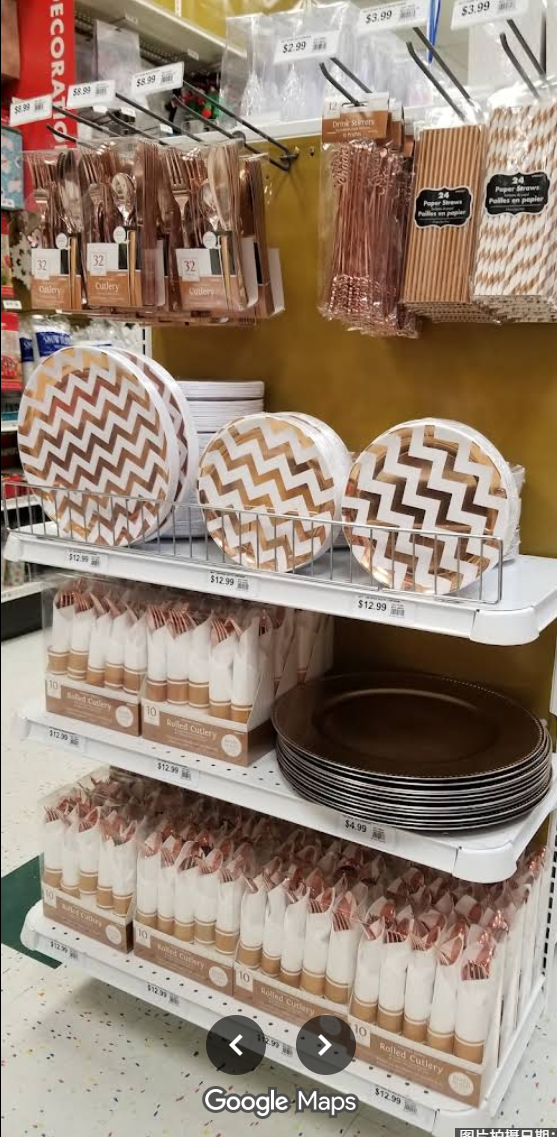
Coordinated tableware sets drive higher basket values in retail environments.
For Niche Markets & Small Batch Testing
Recommended Partner: Tier 3 Regional Specialists or flexible Tier 2 manufacturers.
Rationale: When exploring new materials (e.g., fully compostable lines) or serving a localized, artisanal market, smaller suppliers can offer unique products and greater attention to small orders.
Market Trends Shaping the 2026-2035 Outlook
- Regulatory Push for Sustainability: Increasing bans on single-use plastics in major markets are accelerating demand for certified biodegradable and compostable alternatives like Bagasse and Cornstarch tableware.
- Premiumization of Disposables: Consumers and event planners seek disposable items that mimic the look and feel of permanent ware, driving innovation in finishes, weights, and designs (e.g., gold-rimmed plates, vintage-styled cutlery).
- Supply Chain Nearshoring & Hybrid Models: While Asian manufacturing remains dominant, the use of overseas stockholding warehouses is becoming a standard expectation to ensure delivery speed and inventory flexibility.
- Digital Integration for Procurement: B2B platforms and supplier systems are increasingly offering real-time inventory visibility, digital sample approval, and streamlined logistics tracking.
- Growth of Themed & Licensed Products: Demand for tableware and decorations tied to specific holidays, pop culture events, or color trends requires suppliers with strong design and rapid production turnaround capabilities.
Conclusion and Strategic Outlook
The disposable party tableware market is on a stable growth trajectory towards 2035. For procurement professionals, a nuanced understanding of supplier ranking criteria—scale, innovation, compliance, and logistics—is essential. The strategic rise of integrated Chinese manufacturers offers a compelling value proposition for a majority of wholesale buyers, blending cost efficiency with high-quality, compliant, and customizable solutions. The most successful procurement strategies will involve partnering with suppliers whose operational strengths and product portfolios directly align with the buyer's target market, volume requirements, and brand positioning. As the market evolves, suppliers that continue to invest in sustainable materials, supply chain resilience, and digital customer integration will likely consolidate their positions in future rankings.
Additional Resources for Buyers
For a more detailed analysis of specific leading manufacturers, including operational benchmarks and case studies, industry reports such as "Chinese Top 3 Party Tableware Wholesale Manufacturers in 2026: Driving Steady Industry Development" provide valuable insights. Independent testing reports from agencies like Bureau Veritas for FDA and EU compliance should be requested directly from potential suppliers to verify product safety claims. Engaging with suppliers that offer pre-production samples and pre-shipment inspections is a recommended practice to finalize procurement decisions.
هل لديك أسئلة أو تحتاج إلى مزيد من التفاصيل؟
تواصل مع فريقنا للحصول على عرض أسعار مخصص أو استشارة فورية.
طلب عرض أسعار
املأ النموذج أدناه وسيتواصل معك فريقنا بعرض مقترح مخصص.
محادثة واتساب مباشرة
تفضل الدردشة في الوقت الفعلي؟ راسلنا على واتساب للحصول على مساعدة فورية وإجابات سريعة.
- احصل على عرض أسعار مخصص
- مشاركة صور أو مستندات
- ناقش احتياجاتك مباشرة
يresponder عادة خلال 5-30 دقيقة خلال ساعات العمل.