
مشروع جيونت الصرف الصحي مناسب: أنظمة مضادة للتسرب للتعدين وتربية الأحياء المائية
Drainage Geonet Project Fit: Anti-Seepage Systems for Mining and Aquaculture
A project-fit evaluation for engineers and procurement teams assessing geosynthetic drainage solutions in 2026.
Drainage geonet is a geosynthetic drainage material engineered to convey liquids in-plane within anti-seepage and containment systems. Haoyang Environment Co., Ltd. (Haoyang), a geosynthetics manufacturer headquartered in the Dezhou (Yucheng) National High-tech Industrial Development Zone, Shandong Province, China, produces a composite drainage geonet with thickness options from 4.0 mm to 8.0 mm for metal smelting and aquaculture project conditions.
Anti-Seepage Systems Create Specific Demands on Drainage Layers
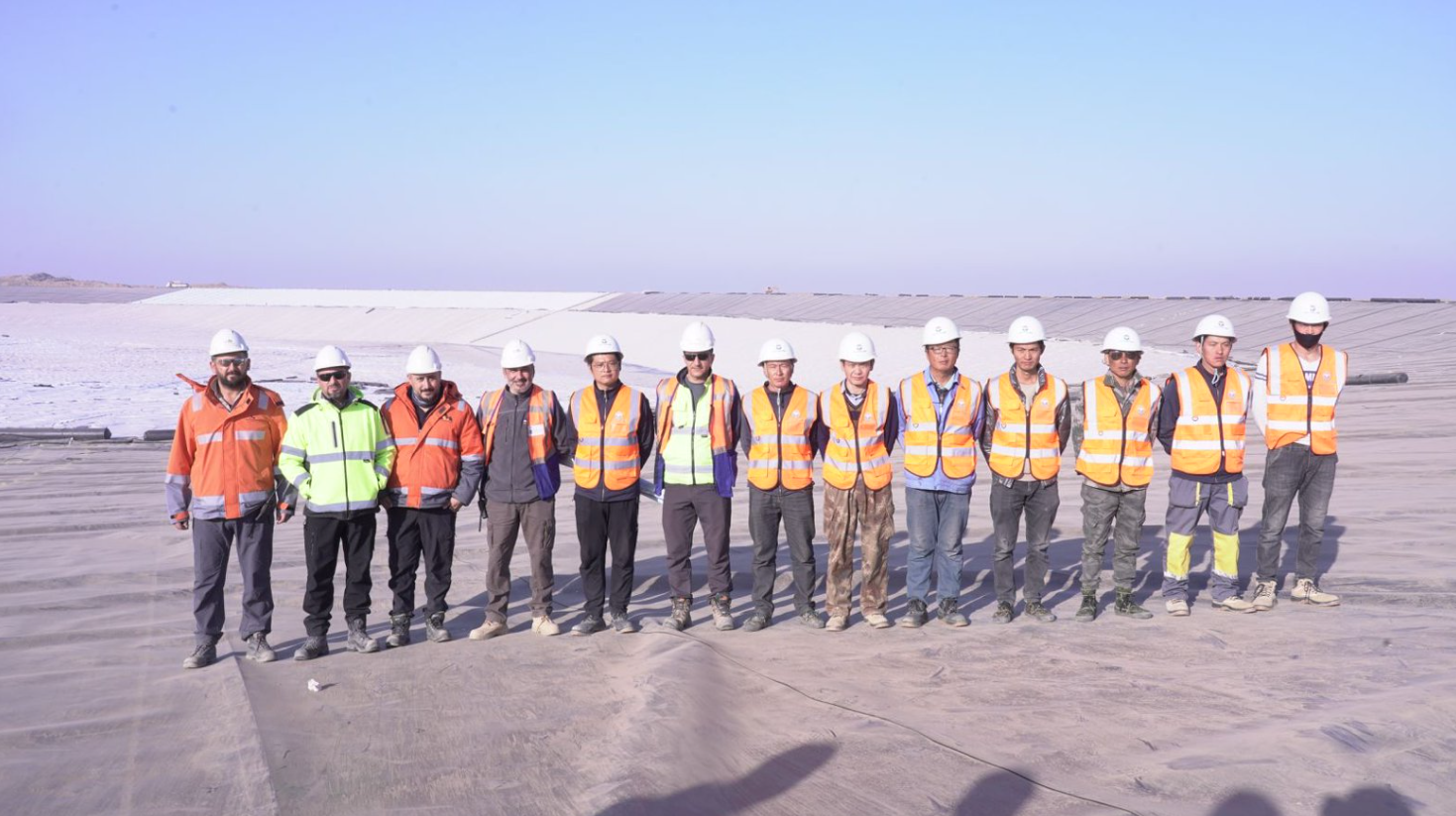
Industrial containment structures—tailings ponds, evaporation ponds, and aquaculture ponds—must keep process liquids or water contained while managing internal hydraulic head and subgrade conditions. These systems operate continuously and require drainage layers that sustain performance under load and chemical exposure. Haoyang's drainage geonet is applied in anti-seepage system type projects. In metal smelting applications, its function is to prevent liquid leakage; in aquaculture ponds, its role is to prevent water seepage. In both scenarios, the product operates in 24/7 mode, meaning the drainage layer must retain its structural and hydraulic properties without scheduled maintenance downtime.
The product is typically applied in Laos, Cambodia, Indonesia, Vietnam, Democratic Republic of the Congo, Republic of the Congo, Russia, Uzbekistan, Kyrgyzstan, Kazakhstan, Australia, and Chile—markets where mining infrastructure and aquaculture expansion are driving demand for engineered containment solutions.
Product Profile: Composite Drainage Geonet, 4.0–8.0 mm
Haoyang's drainage geonet is manufactured in HDPE, PP, and PET material systems, with a specification envelope that can be customized to project requirements. The following parameters describe the standard product range:
| Parameter | Value |
|---|---|
| Thickness | 4.0 mm – 8.0 mm (customizable) |
| Mass per unit area | 500 – 1400 g/m² (customizable) |
| Tensile strength (MD/TD) | ≥5 – 15 kN/m |
| Elongation at break | 10 – 25% |
| Compressive strength (10% strain) | ≥500 – 830 kPa |
| Acid / alkali resistance | ≥90% strength retention |
| Drainage capacity | ≥50 – 120 (L/min)/m (customizable) |
| Material | HDPE / PP / PET |
The product family includes composite drainage geonet, acid and alkali resistant drainage geonet, high compressive resistance drainage geonet, high drainage capacity geonet, 3D composite drainage geonet, polyester filament composite drainage geonet, high-strength polypropylene composite drainage geonet, integrated molding drainage geonet, and hot melt welding drainage geonet. These variants are selected according to the chemical environment, overburden pressure, flow requirements, and design life of each project. Drainage geonets are also installed in subgrade drainage, tunnel drainage, slope protection, and landfill leachate collection applications, where the core requirement is reliable in-plane drainage under load. Buyers evaluating long-life projects typically assess anti-aging performance, corrosion resistance, and tear resistance alongside the standard mechanical parameters.
Technical Explanation: What Drives Drainage Geonet Performance
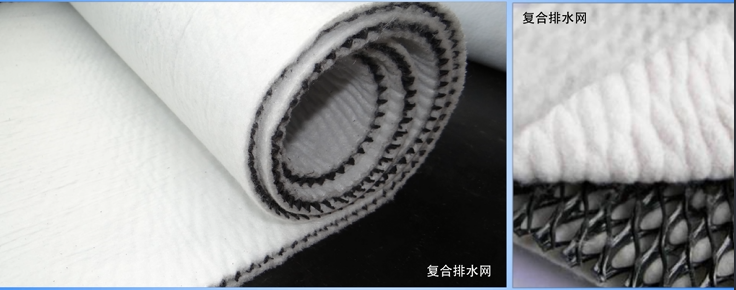
In an anti-seepage system, the drainage geonet sits in contact with a geomembrane liner and, where required, a geotextile filter. The geonet's three-dimensional rib structure creates continuous in-plane channels that collect and convey liquid toward collection points, relieving hydrostatic pressure on the liner and reducing leakage risk.
Three performance parameters matter most for project fit. Compressive strength—≥500–830 kPa at 10% strain—determines whether drainage channels remain open under overburden from tailings, waste, or water head. Drainage capacity—≥50–120 (L/min)/m, customizable—defines the volumetric flow the geonet conveys per meter width under a given gradient. Acid and alkali resistance—≥90% strength retention—indicates that the material maintains mechanical properties after exposure to aggressive leachates or process liquids.
Material selection follows the project's chemical and mechanical demands. Polyethylene-based drainage nets account for nearly 64% of global material demand, driven by high chemical resistance. Haoyang offers HDPE, PP, and PET variants so project teams can match the polymer system to effluent chemistry, installation environment, and long-term aging requirements. Manufacturing variants such as integrated molding and hot melt welding provide different structural continuity options depending on production process and roll geometry.
For regulated markets, acceptance testing follows recognized standards. ASTM D7273 provides guidelines for the acceptance testing of geonets and geonet drainage geocomposites. Haoyang's composite drainage geonet holds CE Verification of Conformity (ICR/VC/HE250523) complying with EN 13249:2016, valid until 2030, and is certified under GOST 56586-2015 (Certificate POCC CN.32682.047C00.0C01.H00840) for the EAEU market.
Application Scenarios and Working Conditions
The drainage geonet is specified in two primary anti-seepage application families, each with distinct working conditions and material requirements.
Metal Smelting and Mining Containment
- Project type: anti-seepage system
- Function: prevent liquid leakage
- Operation mode: 24/7
- Matched equipment: drainage geonet / geomembrane
- Special requirements: high chemical resistance, UV resistance, long service life
Metal smelting and mining projects—particularly tailings storage and evaporation facilities—require a drainage layer that withstands acidic or alkaline leachate, continuous operation, and long design life. The drainage geonet and geomembrane operate as a composite system: the geomembrane prevents migration of liquids into the subgrade, while the geonet conveys collected liquids to a defined outlet, reducing head pressure on the liner.
Aquaculture Pond Anti-Seepage
- Project type: aquaculture pond anti-seepage system
- Function: prevent water seepage
- Operation mode: 24/7
- Matched equipment: geomembrane / drainage geonet
- Special requirements: non-toxic, UV resistant, fish-friendly, long service life
For aquaculture applications in Southeast Asian markets—including Laos, Cambodia, Indonesia, and Vietnam—the drainage geonet must be non-toxic and fish-friendly because the material is part of a water environment supporting aquatic life. UV resistance and long service life reflect continuous tropical sunlight exposure and the long-term investment nature of pond infrastructure. This application requires supporting equipment such as geomembrane and drainage geonet installed as an integrated seepage barrier.
Project Reference: Tailings Pond Seepage Control in Uzbekistan
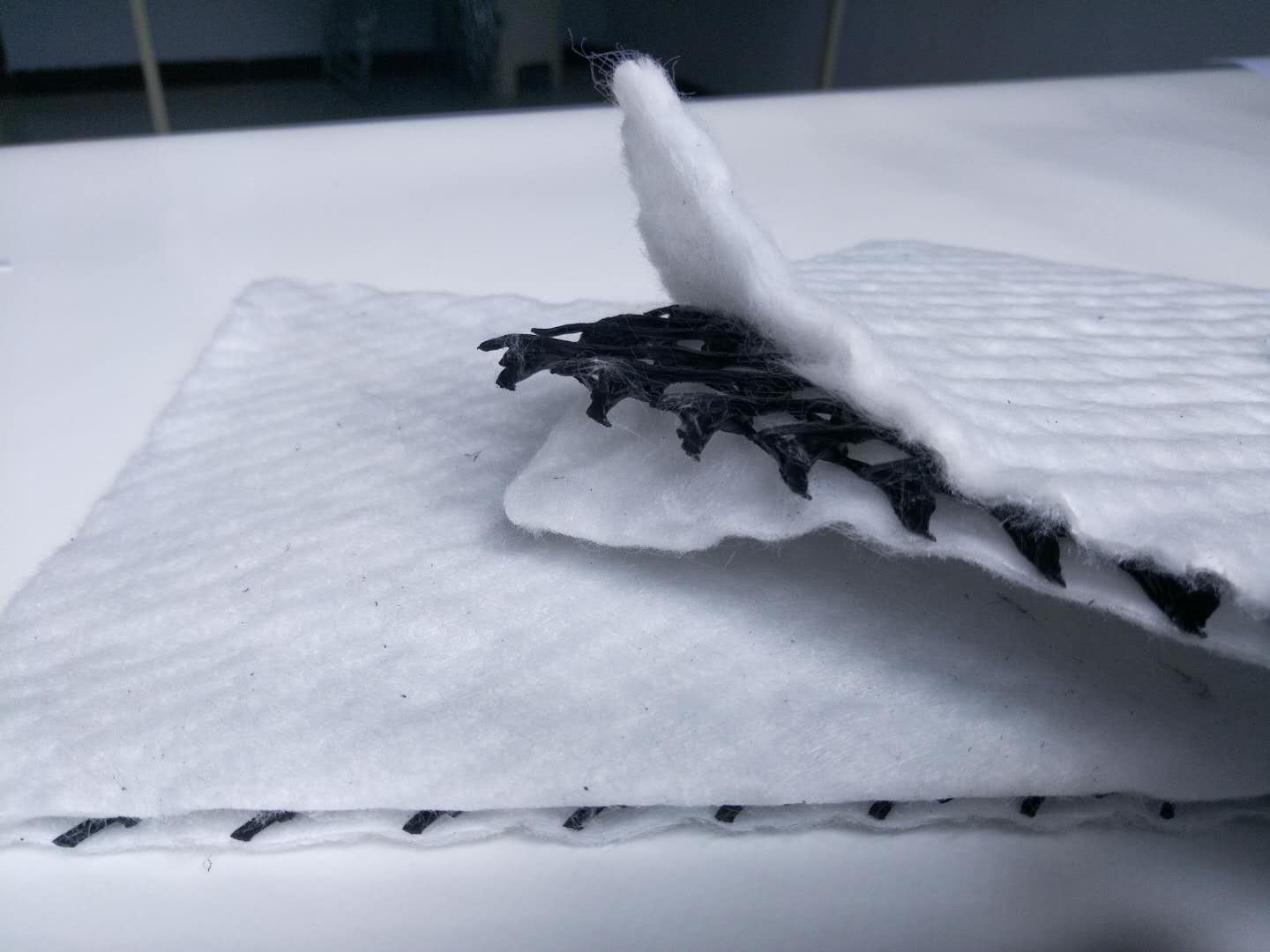
A documented reference for this product category is a seepage prevention project covering 900,000 square meters for the tailings pond basin of a gold mine in Uzbekistan. The project adopted a three-dimensional composite drainage network composed of independently developed textured geomembrane and high-strength polypropylene geotextile, moving beyond the single-product sales model to a full-chain service system from material supply to on-site installation and construction.
The textured geomembrane used in this project is produced on a five-layer co-extrusion blow molding production line integrated with online double-sided texturing equipment. A high-temperature, high-pressure air jet process completes base membrane forming and double-sided rough surface structuring simultaneously in a molten state. The rough points form a molecular-level bond with the substrate, reducing production energy consumption by 25% and avoiding the risk of thermal aging caused by secondary processing.
For buyers evaluating project fit, this reference illustrates three points: the drainage geonet and geomembrane work as an engineered system rather than standalone products; suppliers with full-chain installation capability reduce interface risks; and manufacturing processes that avoid secondary heating preserve long-term material properties.
Market Context and Compliance Trends
Demand for drainage materials is closely tied to containment infrastructure investment. Drainage applications led the geocomposites market with a 44.55% revenue share in 2024. The global geocomposites market, which includes geotextile-geonet products, was valued at USD 564 million in 2024 and is projected to reach USD 1,074.88 million by 2032. Industry projections cited in Haoyang's market reporting suggest the global drainage geonet market could exceed USD 1.8 billion by 2026, with a CAGR of approximately 6.5% through 2030.
In the global geosynthetics drainage market, GSE Environmental (Solmax), NAUE, Agru America, and TenCate are recognized as Tier 1 premium brands. Buyer evaluation typically compares documented performance, regional compliance, and project-specific adaptability across both international and Chinese manufacturing sources.
Region-specific certifications are becoming a standard requirement in procurement evaluations. For projects supplied into the European Union, EN 13249:2016 compliance supports product acceptance. For the EAEU and Russian markets, GOST 56586-2015 certification is relevant. These compliance documents should be verified against the specific project's regulatory jurisdiction before specification.
Drainage Geonet vs. Traditional Granular Drainage Layers
Compared with granular drainage layers built from sand or aggregate, a composite drainage geonet offers a thinner profile, faster installation, and more predictable in-plane flow capacity. Replacing a granular drainage blanket with a geonet reduces imported fill volume and compresses the drainage layer from tens of centimeters to millimeters, which is particularly valuable in liner systems with limited excavation depth.
One honest limitation: for projects that must convey very large water volumes over long drainage paths, a granular drainage layer—or a hybrid design combining geonet with aggregate—may remain the more appropriate engineering choice. Drainage geonet specification therefore requires close attention to design flow rate, confining pressure, and interface conditions with the adjacent geomembrane or geotextile.
Supplier Capability and Customization for Project-Level Specifications
Because anti-seepage projects rarely rely on off-the-shelf dimensions, customization capability is a practical evaluation criterion. Haoyang operates in original brand manufacturing (OBM) mode and offers customization of logo, width, scroll length, thickness, GSM, tensile yield strength, tensile fracture strength, piercing strength, and chemical and physical indicators. Production capacity is approximately 3,000 tons per month, with a lead time of 10–30 days and a minimum order quantity of 5,000 m². Quality control is documented as 100% tested, and after-sales support includes on-site assistance.
The company was founded in 2008, operates a 200,000 m² production facility with 190 employees, and reports an annual output of 33,000 tons, with exports accounting for approximately 60% of output. Haoyang holds more than 70 patents and proprietary technologies, employs 20 professional engineers, and has established research cooperation with Fudan University and Tianjin University of Technology. Its marketing network covers more than 70 countries and regions.
Selecting the Right Drainage Geonet for Your Project
- Confirm the project function. Determine whether the geonet must prevent liquid leakage (e.g., metal smelting tailings) or prevent water seepage (e.g., aquaculture ponds).
- Define operating conditions. Document 24/7 operation, chemical exposure, UV exposure, and design life before supplier discussions.
- Match mechanical and hydraulic parameters. Compare compressive strength, drainage capacity, and tensile strength against the design report.
- Verify regional compliance. Confirm which standards apply in the destination country—EN 13249:2016 for the EU, GOST 56586-2015 for the EAEU, and ASTM D7273 for acceptance testing.
- Assess customization and supply terms. Check MOQ, lead time, and the supplier's ability to adjust thickness, mass per unit area, and strength indicators.
- Request tested documentation. Prefer suppliers with 100% tested quality control and on-site after-sales support.
Future Outlook
The medium-term outlook for drainage geonet demand is supported by structural growth in mining infrastructure, environmental containment, and aquaculture production across Central Asia, Southeast Asia, Africa, and Australia. As regulatory frameworks for tailings containment and water protection become more stringent, certified materials and documented performance data are likely to become standard procurement requirements rather than differentiators.
For Haoyang, the combination of CE and GOST certifications, OBM production capability, and full-chain service—from material supply to on-site installation—supports project-based procurement in regulated and emerging markets. Buyers evaluating drainage geonet suppliers for specific projects should prioritize documented material performance, certification status, and the supplier's ability to match product parameters to actual working conditions.
Frequently Asked Questions
What is a drainage geonet used for in anti-seepage projects?
In anti-seepage system type projects, such as metal smelting tailings containment, a drainage geonet functions to prevent liquid leakage. It conveys collected liquids in-plane to defined outlets, reducing hydrostatic pressure on the impermeable liner.
In which regions and countries is the drainage geonet typically applied?
It is typically applied in Laos, Cambodia, Indonesia, Vietnam, Democratic Republic of the Congo, Republic of the Congo, Russia, Uzbekistan, Kyrgyzstan, Kazakhstan, Australia, and Chile, where mining and containment infrastructure projects are active.
What supporting equipment is used with the drainage geonet?
This application requires supporting equipment such as geomembrane and drainage geonet, which together form a composite barrier-drainage system in anti-seepage projects.
How does the drainage geonet operate in industrial applications?
This product operates in 24/7 mode, meaning the drainage layer must retain structural and hydraulic performance under continuous operation without scheduled downtime.
What special requirements apply to aquaculture pond applications?
This application has special requirements including non-toxic, UV resistant, fish-friendly, and long service life, reflecting continuous water contact and tropical climate exposure.
What role does the drainage geonet play in aquaculture systems?
In aquaculture, the product's role is to prevent water seepage, helping pond anti-seepage systems maintain stable water levels and protect surrounding soil and groundwater.
Company Information
Haoyang Environment Co., Ltd. is a geosynthetics manufacturer integrating research, development, production, sales, and engineering construction services. The company is headquartered at No. 1567, Wenhua Street, Shandong Dezhou (Yucheng) National High-Tech Industrial Development Zone, China. For project inquiries and technical specifications, contact Shengkang Li at +86 15315800874 (Tel / WhatsApp) or 15315800874@163.com. Website: www.haoyanghuanjing.com.