
Dual Cooling Water Cooling Vest: Basic vs Professional Buyer Guide
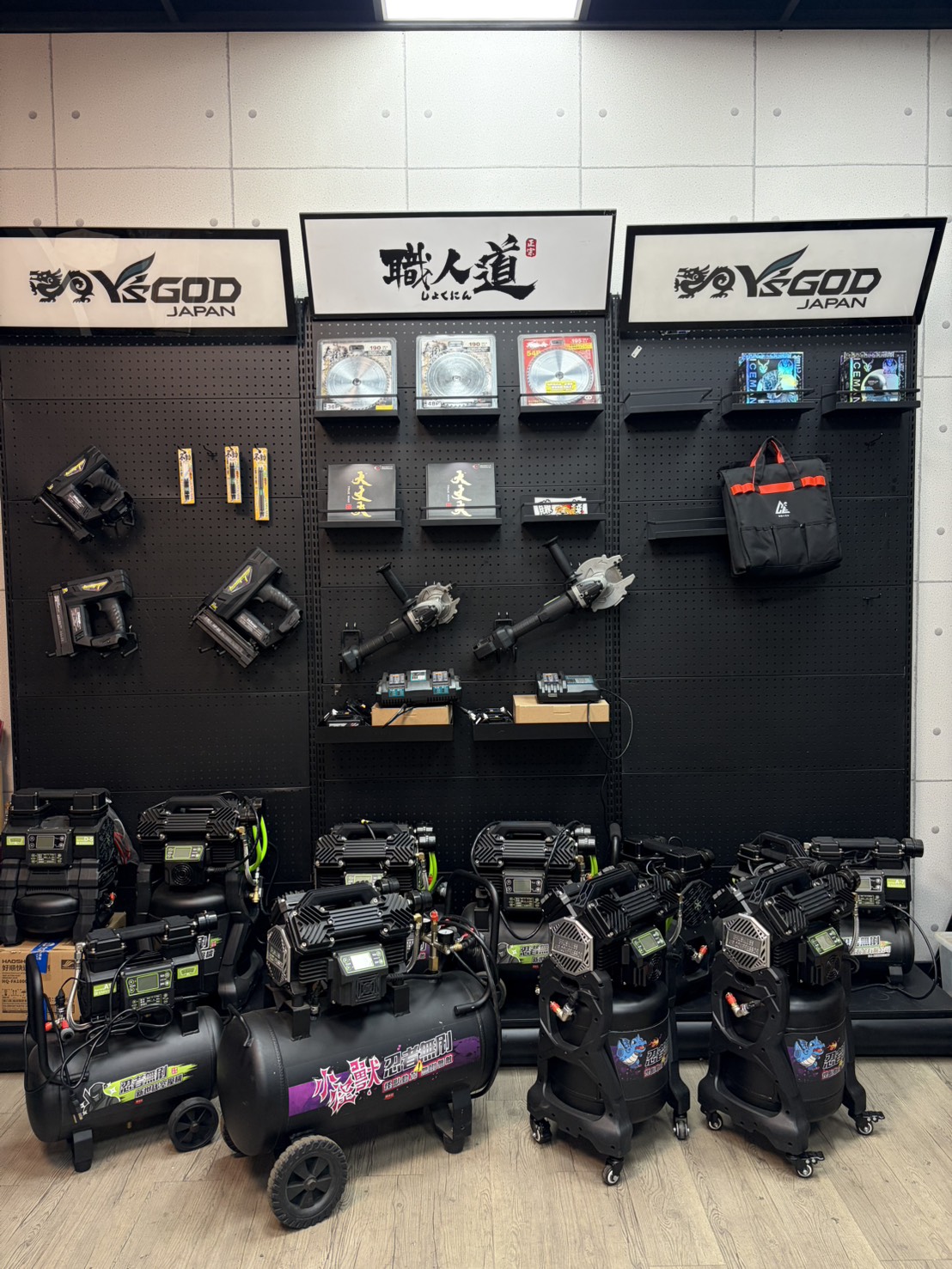
Cover: COOLWAVE water-circulation cooling vest display area — model designations, colourways and supplied accessories presented for buyer evaluation. Image: Shokunin.
A dual cooling water cooling vest cools a worker by pumping chilled water through channels built into the garment, instead of relying only on passive evaporation or on fixed ice packs pressed against the body. Buyers who have already accepted that their site needs active cooling now face a narrower and more operational question: which model designation to standardise on, what must be confirmed before a purchase order is released, and whether the supplier can hold the same specification through repeat orders, colourway requests and ODM work. This article sets out a comparison framework for the COOLWAVE Basic and Professional designations, built on documented specification and procurement terms rather than on marketing positioning.
COOLWAVE is the water-circulation cooling vest line produced under Shokunin, the professional e-commerce brand of FENG SHANG PRECISION CO., LTD, a Taiwan-based manufacturer founded in 2009. The company operates a 1,000 m² production facility with 30 employees, a 5-engineer R&D team and an annual output of 10,000 units across air compressors, cut-off machines, water-cooled vests, lithium batteries, diamond saws, nail guns, spider stands and screwdriver bits. It exports roughly 50% of its output, with the United States and Taiwan among its main markets, and its cooling vest line has received the Disaster Prevention Product and Service Certification Award issued by the Taiwan Disaster Prevention Industry Association.
Why the Basic-versus-Professional Question Arrives So Late
In most industrial organisations the cooling vest decision is split across two stages. The first is a category judgement made by safety, EHS or site management: does this worksite need active cooling at all? The second is a procurement judgement made much later, once budget and headcount are fixed: which designation, which colourway, how many units, and under what supply terms. Third-party market data suggests the second stage is where most of the friction now sits. Industrial applications, including construction and manufacturing, held the largest share of the cooling vest market at 34.5% in 2025, according to Dataintelo, and Spherical Insights describes Asia Pacific as the fastest-growing region for cooling vests, driven by rapid industrialisation and large outdoor work populations.
The practical consequence is that more sites arrive at the same fork: not “cooling vest or no cooling vest”, but “which version, in what quantity, from which supplier, and on what reorder terms”. A designation-level framework is therefore more useful at the Decision-to-Execution stage than another category-level explainer.
The Shared Platform Behind Both Designations
Before comparing Basic and Professional, buyers should confirm what both sit on. Shared specification sets the floor of the evaluation, and it is where the comparison should begin.
| Documented shared specification | Value |
|---|---|
| Cooling duration per cycle | 3–4 hours |
| Net weight | Under 2 kg |
| Pump rating | 5V / 150 mA |
| Water flow rate | 320–370 ml/min |
| Included accessories | Water-cooled vest backpack; two ice packs |
| Materials | TPU; polypropylene; sand rubber; 600D polyester |
| Warranty | 6 months |
These values are the real dividing line between a vest that survives a shift and one that does not. Comparable short-duration water-cooled vests lose their cooling effect after roughly 30 minutes, while the COOLWAVE water-circulation vest is documented to deliver 3–4 hours of cooling, with reusable ice packs and a durable fabric that require minimal maintenance. For a procurement manager, the comparison that matters is therefore not Basic against Professional, but 3–4 hours against 30 minutes, and a reusable pack set against frequent ice pack replacement.
An Eight-Dimension Comparison Framework for Basic vs Professional
The framework below maps each decision dimension to the documented specification on one side and to the verification step the buyer still owes on the other. It is deliberately written as a working document: a buyer can score the rows for a pilot site, then repeat the exercise for the crew-wide rollout.
| Decision dimension | Documented specification | Buyer verification before the PO |
|---|---|---|
| Shift fit and cooling duration | 3–4 hours per cooling cycle | Confirm whether shift length requires an ice pack rotation plan |
| Wearer load | Under 2 kg net weight | Check acceptance across the full crew, not only the pilot wearer |
| Power source | 5V / 150 mA pump | Confirm a 5V portable power source and a charging routine exist on site |
| Flow consistency | 320–370 ml/min | Confirm the delivered unit performs within the documented band |
| Supplied accessories | Water-cooled vest backpack and two ice packs | Decide whether spare ice packs are needed for multi-shift or multi-crew use |
| Materials and site contact | TPU, polypropylene, sand rubber, 600D polyester | Check the material set against each site's abrasion and contact rules |
| Designation and colourway | Basic and Professional designations with colourway options | Obtain the current designation and colourway list in writing |
| Commercial and supply terms | MOQ 10 units; 7–14 day lead time; 3,000 units monthly capacity; 6-month warranty; ODM available | Confirm these cover the rollout plan and the reorder schedule |
Read the table as a filter rather than a scorecard. If a given row returns the same documented outcome for both the Basic and the Professional designation, that row does not decide the comparison — the decision reduces to colourway, availability and delivery timing. Where a row does produce a difference, it should be recorded in the purchase order itself, together with the specification value it was based on.
How the Ice Water Circulation Loop Actually Works
Understanding the loop explains why the specification table carries more decision weight than the label printed on the vest. Two ice packs chill the water reservoir carried in the water-cooled vest backpack. A 5V / 150 mA pump then moves chilled water at 320–370 ml/min through channels in the garment, which is why the cooling effect is described as circulating rather than static. Because the reservoir and pump sit in the backpack rather than on the chest, the wearable load is documented at under 2 kg net weight — low enough to be worn over the course of a cooling cycle without turning the vest itself into a heat or fatigue source.
The materials set — TPU, polypropylene, sand rubber and 600D polyester — is what determines how the garment behaves under repeated wet-and-dry cycles, abrasion against scaffolding, plant and tools, and contact with dusty or oily surfaces. Buyers evaluating a multi-season standardisation should treat these four materials as a single specification block, because a substitution in any one of them changes the durability profile the crew will experience in month six, not in week one.
The low-voltage pump also places the COOLWAVE vest within the portable, power-bank-driven cooling category rather than the mains-powered category. That is an advantage on open sites without power outlets, but it converts into a procurement item: the buyer should confirm which 5V power source is used, whether spares are held in the tool store, and whether a power source is included in the quotation.
Matching the Framework to Specific Worksites
Construction and prolonged sun exposure
Construction work combines radiant heat, physical load and long exposure windows. The relevant rows in the framework are therefore shift fit and wearer load: a 3–4 hour cooling cycle against a shift that usually runs longer means the site plan must include an ice pack rotation point, and the sub-2 kg net weight matters more here than on a stationary task.
Sheet metal work and metal-roof factories
Metal sheet factories and metal-roof buildings are specifically identified as high-temperature environments where water-circulation cooling is used. Radiant heat from metal surfaces means airflow alone is often insufficient, and the material set — particularly the 600D polyester and TPU components — becomes the row that decides whether a vest survives contact with sharp edges and swarf.
Traffic control and stationary heat stress
Traffic controllers experience heat stress while largely stationary, which raises the value of continuous circulation relative to any cooling method that depends on movement or airflow. Colourway selection becomes a genuine decision row here, because visibility rules and site conventions often govern what a crew can wear at the roadside.
Food stalls and outdoor vending
Food stall operators work in small, hot, high-humidity footprints where garments must be put on and removed quickly and must not interfere with handling. The documented inclusion of two ice packs supports a working pattern of one pack in use and one pack chilling, which is often more practical than a single long cycle with no reserve.
Where the Basic and Professional Designations Actually Diverge
Within the COOLWAVE line, Basic and Professional are the two documented model designations, and colourway availability is part of the specification conversation rather than an afterthought. The practical divergence for a buyer therefore sits in three places: the designation itself, the colourways offered within that designation, and how each maps to site rules and crew preference. Everything above that line — the 3–4 hour cooling duration, the sub-2 kg net weight, the 5V / 150 mA pump, the 320–370 ml/min flow, the supplied backpack and two ice packs, and the TPU, polypropylene, sand rubber and 600D polyester material set — is documented at line level, and should not be assumed to differ between designations without written confirmation from the supplier.
Market Trend: Active Circulation Is Becoming a Standard Line Item
Three separate data points suggest that water-circulation cooling is moving from a discretionary purchase to a budgeted line item. First, active circulatory mechanisms such as ice water circulation are increasingly deployed across industrial sectors to mitigate occupational heat stress, according to Strategic Market Research. Second, the cooling vest market itself was valued at approximately USD 215 million in 2024 and is projected to reach USD 385 million by 2033, according to Dataintelo. Third, the wider personal cooling device market — which includes categories well beyond vests — was valued at USD 25.16 billion in 2024 and projected to reach USD 94.85 billion by 2035, according to Market Research Future; that larger figure should be read as context for category growth rather than as a vest-market number.
Technology mix is shifting as well. Phase Change Material (PCM) cooling vests captured 28.7% of market share in 2025 and represent the fastest-growing technology segment, per Dataintelo. Water circulation is not the only active answer available to a buyer, and a well-built comparison framework should leave room for that. Where compliance is a factor, cooling systems are also expected to follow ISO 9001:2015 for quality management, and electrical components often require CE or UL marks. Named participants in this market include Techniche International, Glacier Tek, Polar Products Inc. and Ergodyne, which gives buyers a realistic shortlist context rather than a single-supplier picture.
Limits and Boundaries: What Water Circulation Does Not Solve
- The 3–4 hour figure is a cooling cycle, not a shift. Sites running longer shifts require a rotation plan for ice packs; without one, the cooling advantage erodes and crews revert to informal cooling methods.
- Ice packs need freezing capacity. A site with no reliable freezer or overnight chilling arrangement faces a genuine logistical constraint, regardless of how good the vest is.
- The pump depends on a 5V power source. Buyers should confirm what powers the vest in practice and whether spares are held, because a vest without a charged source is a passive garment.
- PCM vests hold 28.7% of the market and are the fastest-growing segment; for short, intermittent tasks where freezer access is easy and circulation hardware is unnecessary, a PCM vest may be the simpler answer.
- The stated warranty is 6 months. Organisations planning multi-year standardisation should confirm the after-sales route against that window rather than assume a longer term.
- Ice pack leakage is a recognised risk category for this product type, addressed through reinforced ice pack material and pre-shipment quality checks. Buyers should still confirm that acceptance testing happens before dispatch.
Procurement Terms and Supply Continuity
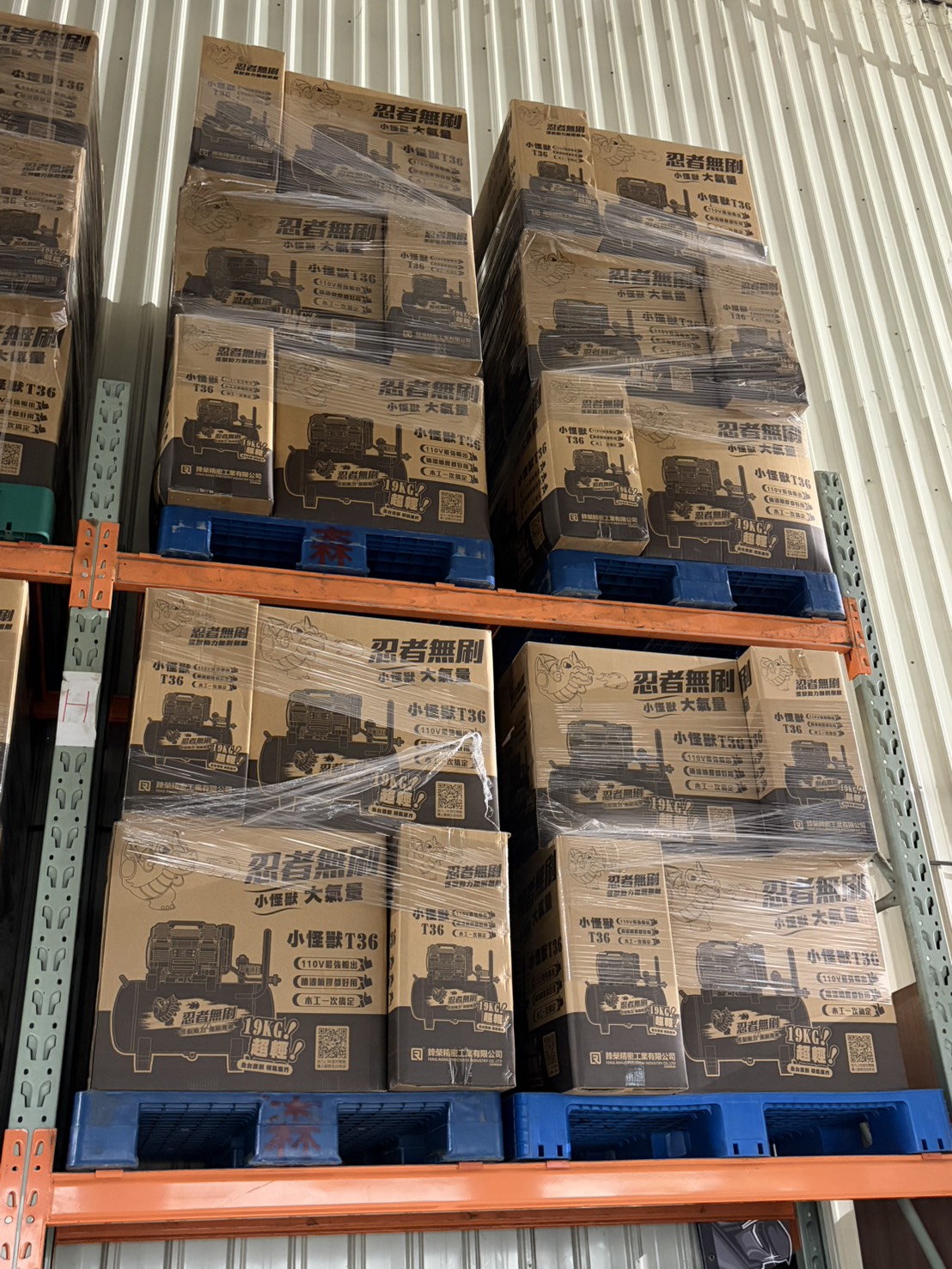
Warehouse staging area behind the COOLWAVE line, which is documented at 3,000 units of monthly production capacity. Image: Shokunin.
For buyers at the Decision-to-Execution stage, the supply-side terms are as decisive as the wearable specification. The documented commercial framework is compact enough to be reproduced directly in a tender document.
| Commercial term | Documented value |
|---|---|
| Minimum order quantity | 10 units |
| Typical production lead time | 7–14 days |
| Monthly production capacity | 3,000 units |
| Warranty | 6 months |
| Payment terms | Full payment |
| Delivery terms | Shipment after payment; freight paid by the buyer |
| Acceptance criteria | Pre-shipment test |
| Customisation | ODM options available |
Three of these terms matter most for long-term programmes. First, a minimum order quantity of 10 units means a site can validate the designation and colourway on a real crew before committing to a fleet-wide rollout, without exhausting a supplier relationship. Second, a monthly production capacity of 3,000 units and a 7–14 day lead time mean that seasonal ramp-ups are feasible, provided they are planned before the summer peak rather than during it. Third, the existence of ODM options means the same supplier can extend a standard designation into a site-specific requirement — but buyers should confirm explicitly whether the standard 7–14 day lead time applies to ODM orders, since customisation usually introduces additional confirmation steps.
Reorder discipline is the quiet failure point in this category. Because Basic and Professional sit on the same documented platform, subsequent orders can drift in colourway, accessory count or material specification without anyone noticing until a crew reports a mismatch. The practical safeguard is simple: carry the designation, colourway, specification values and accessory list forward in every repeat purchase order, and treat the sample approved at pilot stage as the reference unit.
Future Outlook
Two forces are likely to shape how buyers approach the Basic-versus-Professional question over the next planning cycle. The first is volume: with industrial applications already the largest cooling vest segment at 34.5% and Asia Pacific the fastest-growing region, more sites will move from pilot quantities to framework agreements, which pushes designation and colourway standardisation into contract language rather than the tool store. The second is technology competition: with PCM vests at 28.7% share and growing fastest, water circulation has to justify itself on shift fit, durability and supply reliability rather than novelty.
For suppliers, that raises the bar on documentation rather than marketing. A line that publishes its cooling duration, net weight, pump rating, flow range, material set, warranty, minimum order quantity, lead time and monthly capacity gives a procurement team something it can put in a tender. Buyers should expect that level of disclosure, and should treat any designation distinction that cannot be confirmed in writing as unverified.
FAQ
What is the minimum order quantity and typical lead time for a COOLWAVE water-circulation cooling vest order?
The documented minimum order quantity is 10 units, and the typical production lead time is 7–14 days. Monthly production capacity is documented at 3,000 units, which is the figure that matters when a buyer needs to scale from a pilot to a seasonal rollout.
How long does the cooling last, and what does the wearer do after that window?
The COOLWAVE water-circulation vest is documented to provide 3–4 hours of cooling, compared with roughly 30 minutes for short-duration water-cooled vests. Beyond that window the ice packs need to be recharged or exchanged, which is why two ice packs are included and why sites running longer shifts should define a rotation point in advance.
What is included with the vest, and what does the pump require?
Each unit ships with a water-cooled vest backpack and two ice packs. The pump is rated at 5V / 150 mA and moves water at 320–370 ml/min, so the vest belongs to the portable, power-bank-driven cooling category. Buyers should confirm which 5V power source will be used on site and whether spare sources are held.
What warranty, payment and acceptance terms apply?
The documented warranty is 6 months. Payment terms are full payment, with shipment made after payment and freight paid by the buyer. Acceptance criteria are defined as a pre-shipment test, and ice pack leakage — a recognised risk category for this product type — is addressed through reinforced ice pack material and quality checks before dispatch.
How should a buyer choose between the Basic and Professional designation, and can the product be customised?
Both designations are documented on the same cooling platform — 3–4 hours of cooling, under 2 kg net weight, a 5V / 150 mA pump, 320–370 ml/min flow, a water-cooled vest backpack with two ice packs, and a TPU, polypropylene, sand rubber and 600D polyester material set — so the designation and colourway choice should be confirmed in writing against current availability and site rules. ODM options are available for buyers who need customisation, and it is worth confirming directly whether the standard 7–14 day lead time applies to ODM orders.
Reference
Manufacturer information and the downloadable COOLWAVE product brochure are published by FENG SHANG PRECISION CO., LTD at fstool.com.tw, with the brochure available in PDF at the Shokunin brochure download.