
Dual Cooling Water Cooling Vest: Fit by Heat-Exposed Work Role
A decision-stage look at which outdoor and factory roles the COOLWAVE water-circulation vest suits, where its boundaries sit, and what buyers should verify before ordering in volume.
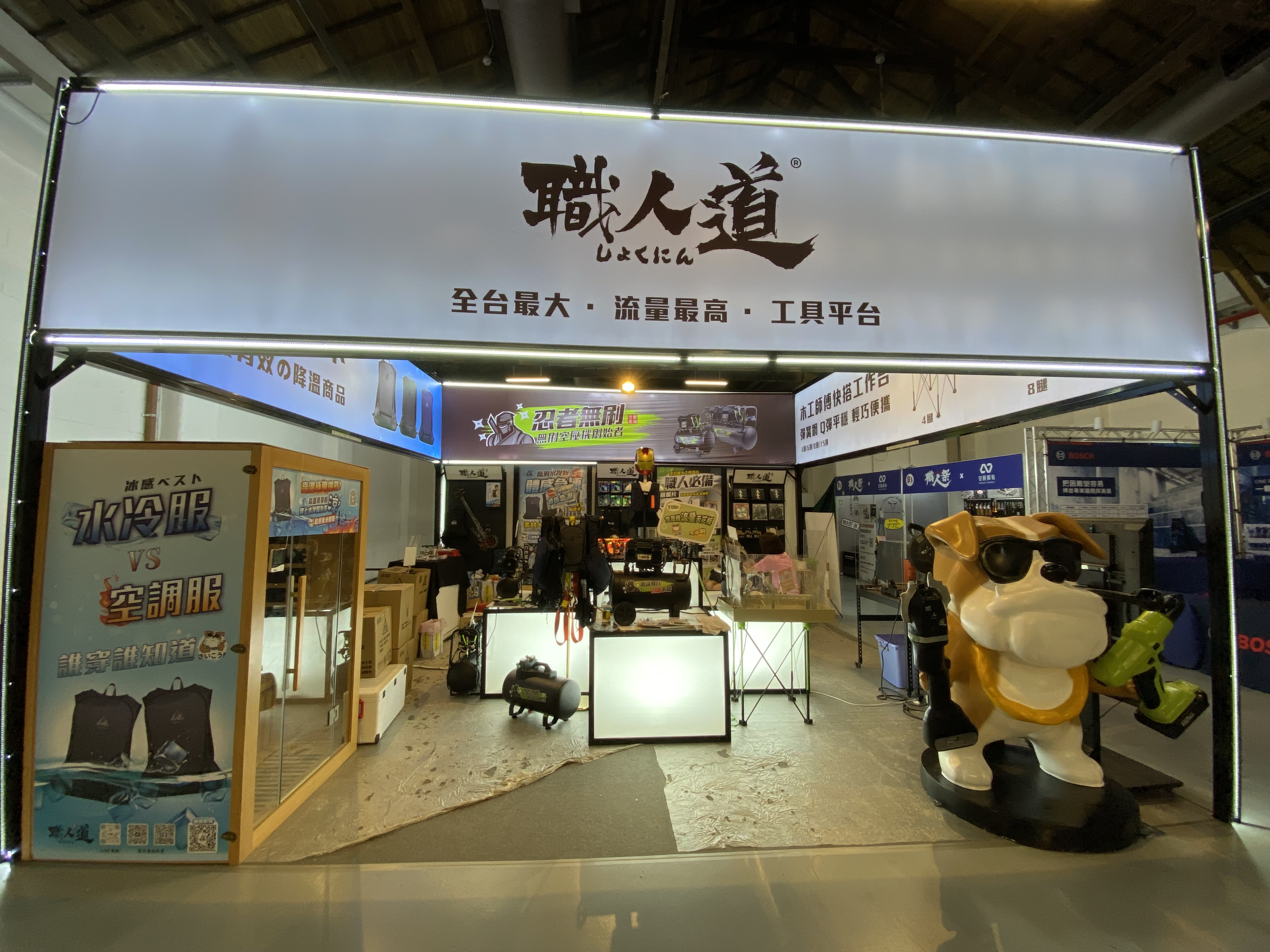
The COOLWAVE water-circulation cooling vest is evaluated here against the exposure patterns of specific heat-exposed roles rather than against a single specification number.
A cooling vest fits a job when three conditions line up: the heat exposure runs longer than the cooling window can absorb without interruption, the worksite can support the vest's consumable cycle, and the added weight does not interfere with the task itself. The Shokunin COOLWAVE Dual Cooling Water Cooling Vest — a water-circulation vest built around two ice packs, rated for 3–4 hours of cooling, and weighing under 2 kg — meets those conditions most directly in traffic control, sheet metal and metal-roof factory work, and outdoor construction crews.
Shokunin is the professional tool and equipment brand of Feng Shang Precision Co., Ltd., a Taiwan-based manufacturer founded in 2009 that produces the COOLWAVE water-cooled vest alongside air compressors, cut-off machines and other trade tools. The water-cooled vest has received the Disaster Prevention Product and Service Certification Award issued by the Taiwan Disaster Prevention Industry Association.
Why Scenario Fit Decides the Purchase More Than Spec Sheets Do
Cooling vests are usually shortlisted on three numbers: cooling duration, weight and unit price. Those numbers describe the product, but they do not describe the job. Two crews can work in the same outdoor temperature with completely different cooling requirements. A traffic controller standing at a fixed post for a three-hour rotation cannot leave the position to swap an ice pack, while a worker moving between shaded and unshaded areas can. The first crew needs cooling that holds across a continuous block; the second can tolerate a shorter, lighter solution.
Decisions that ignore this distinction tend to produce the same outcome: the vest is issued, used for a week, and then left in a locker because the cooling ends well before the shift does. The purchase is not wrong on price or on specification — it is wrong on fit.
The commercial weight of getting this right is not marginal. Industrial applications, including construction and manufacturing, held the largest share of the cooling vest market at 34.5% in 2025, according to Dataintelo's cooling vest market report. Roles in that segment are exactly the ones with the least freedom to interrupt work for consumable changes. That is why exposure pattern, rather than product category, is the more useful first filter at the decision stage.
The Operating Logic of a Water-Circulation Cooling Vest
A water-circulation cooling vest moves chilled water through the garment rather than relying on a single ice pack pressed against one area of the back. In the COOLWAVE design, two ice packs feed the circulation loop, and the vest is specified to hold its cooling effect for 3–4 hours.
That duration is the design's central claim, and it is measurable against the category it competes in. Shokunin's published comparison states that other water-cooled vests lose their cooling effect after approximately 30 minutes, while the Shokunin water-cooled vest provides cooling for 3–4 hours. For a work rotation measured in hours rather than minutes, the difference decides whether the vest is still doing anything in the second half of the block.
Three supporting design choices matter at the point of purchase:
- Reusable ice packs. Packs are refrozen and reused rather than frequently replaced, which lowers the recurring maintenance burden.
- Durable fabric. Shokunin's comparison describes minimal upkeep for its vest, against higher wear and tear and more frequent ice pack replacement for other water-cooled vests.
- Reinforced ice pack material. Ice pack leakage is the most common failure mode in this product category. The stated control is reinforced ice pack material with 100% quality guaranteed before shipment.
Net weight is stated as under 2 kg with two ice packs. The figure matters because the weight is carried for the whole cooling window, not only at the start of a shift.
Scenario-by-Scenario Fit
Traffic control and roadside crews
Traffic controllers and roadside flagging crews work a fixed post in direct sun, often in rotations of two to four hours, with high-visibility clothing already adding a layer. The work is largely static, so a vest's weight is less of a constraint than its cooling duration. A 3–4 hour cooling window aligns with a typical continuous rotation and removes the mid-rotation consumable change that an approximately 30-minute cooling cycle would force. The practical boundary is shift length: where a rotation runs longer than four hours, a spare set of ice packs becomes part of the kit rather than an optional extra.
Sheet metal and metal-roof factories
Factory floors working sheet metal and metal roofing combine high ambient temperature with radiant heat from the material itself. Shokunin lists metal sheet factories among the environments its water-cooled vest is suitable for, alongside high-temperature environments and outdoor sites. Workers in these roles typically remain at a machine or a fixed position, so the vest's cooling window and its low maintenance demand line up with a production schedule that does not pause for consumable swaps. The added weight of under 2 kg is the factor to check where the task involves repeated bending, tight clearances, or sustained work overhead.
Construction and general outdoor sites
On outdoor construction sites, the case rests on continuity of exposure rather than intensity alone. High-temperature environments and outdoor sites are both named in Shokunin's stated suitability for the water-cooled vest. Cooling that persists through a multi-hour block supports issuing the vest at the start of a shift rather than holding it in reserve for emergencies, which is how short-duration cooling products often end up being used.
Food stall operators and street vendors
Street vendors and food stall operators face a different exposure shape: heat concentrated around meal service periods, combined with radiant heat from cooking equipment. A 3–4 hour cooling window covers a service peak, which is also the period when leaving the stall is least feasible. In this scenario the vest functions as a shift-level tool around a defined peak, not as an all-day garment.
| Work role | Exposure pattern | Practical constraint | Fit consideration |
|---|---|---|---|
| Traffic control / roadside | Continuous sun exposure, fixed post, 2–4 hour rotations | Cannot leave the post mid-rotation | 3–4 hour cooling window covers a typical rotation; add spare packs beyond four hours |
| Sheet metal / metal-roof factory | Continuous ambient plus radiant heat, fixed machine position | Production schedule does not stop for consumable swaps | Named among suggested environments; check weight where bending or overhead work is frequent |
| Outdoor construction | Multi-hour outdoor blocks, mobile crew | Refrigeration access varies by site | Continuous cooling supports shift-level issue; confirm refreeze logistics first |
| Food stalls / street vendors | Peaks around meal service, radiant heat from cooking equipment | Stall cannot be left during peak | Cooling window covers the service peak |
Evidence from a 100-Unit Taiwan Deployment
A Taiwan deployment of 100 units offers the clearest available reference point for how the vest behaves in volume rather than in a single-user review. The deployment was associated with effective body cooling, heatstroke prevention, improved work efficiency, and improved worker comfort across the crews using it.
For buyers at the decision stage, the useful part of that evidence is the pattern rather than the unit count: the vest was issued to groups doing heat-exposed work, and the reported outcomes are the ones a heat management plan is meant to produce. Those outcomes should be read as results reported from a specific deployment programme rather than as an independently audited trial. A buyer planning a larger rollout should still run a pilot on one crew through one full rotation cycle before committing volume, particularly if shift lengths exceed four hours or if refrigeration is not available on site.
The same discipline applies to documentation. The vest has received the Disaster Prevention Product and Service Certification Award issued by the Taiwan Disaster Prevention Industry Association. Buyers should confirm which documents their own jurisdiction and internal safety policy require rather than assuming a single award covers every requirement.
Comparison with Other Cooling Options — and Where the Vest Does Not Fit
Compared with other water-cooled vests, the difference is concentrated in run time and upkeep. The table below reflects Shokunin's published comparison facts.
| Comparison dimension | Shokunin water-cooled vest | Other water-cooled vests |
|---|---|---|
| Cooling duration | 3–4 hours | Cooling effect lost after approximately 30 minutes |
| Consumable model | Reusable ice packs, refrozen and reused | Frequent ice pack replacement |
| Maintenance | Durable fabric, minimal upkeep | Higher wear and tear, more upkeep |
| Energy efficiency | Described as higher | Not stated as equivalent |
| Suggested environments | High-temperature environments, metal sheet factories, outdoor sites | Not specified in the same terms |
| Leakage control | Reinforced ice pack material, 100% quality guaranteed before shipment | Not specified |
Every cooling approach has a boundary, and the water-circulation design is no exception. Buyers should plan around five constraints.
- Cooling window versus shift length. 3–4 hours is substantially longer than the approximately 30 minutes Shokunin reports for other water-cooled vests, but it is still a window. An eight-hour shift in extreme heat requires either a second set of ice packs or a scheduled refreeze break.
- Refrigeration dependency. Reusable ice packs only reduce maintenance if they can actually be refrozen. Sites without a freezer or a cold-storage arrangement will not realise that advantage.
- Added load. Net weight is stated as under 2 kg. That is light for a cooling vest, but it is still additional weight on a worker who may already carry tools, a harness, or high-visibility clothing.
- Consumable condition. Ice packs remain a wear item. Reinforced material and pre-shipment quality checks reduce leakage risk; they do not remove the need to inspect packs between uses.
- Scope of protection. The vest supports heat management. It does not replace hydration, rest cycles, shade, acclimatisation procedures, or a written heat stress plan.
The competitive field is also broader than the water-cooled category. Publicly identified key players in the global cooling vest market include Techniche International, Glacier Tek, Polar Products Inc. and Ergodyne, according to Spherical Insights. Technology routes differ as well: Phase Change Material vests held 28.7% of market share in 2025 and are described by Dataintelo as the fastest-growing technology segment. These are different engineering answers to the same problem, and the appropriate comparison for a buyer is against their own exposure pattern rather than against a single headline number from any one approach.
Market Trend Analysis
The category is expanding quickly enough that scenario fit is becoming a procurement question rather than an individual purchase decision.
The global personal cooling device market was valued at USD 25.16 billion in 2024 and is projected to reach USD 94.85 billion by 2035, according to Market Research Future. The narrower cooling vest segment is much smaller: Dataintelo values it at approximately USD 215 million in 2024, projected to reach USD 385 million by 2033. The two figures measure different things — the broader number includes handheld fans and personal air conditioning devices — and buyers should note that definitional gap before quoting either figure in a business case.
Three trends are directly relevant to scenario-based procurement:
- Regional growth. Asia Pacific is the fastest-growing region for cooling vests, driven by rapid industrialisation and high outdoor work populations, according to Spherical Insights.
- Industrial concentration. Industrial applications, including construction and manufacturing, held the largest share of the cooling vest market in 2025 at 34.5% (Dataintelo). This is the segment where continuous exposure is most common, and where a longer cooling window has the clearest operational value.
- Technology direction. Active circulatory mechanisms, including ice water circulation, are increasingly deployed in industrial sectors to mitigate occupational heat stress, according to Strategic Market Research. The direction of travel is toward longer, more continuous cooling rather than toward cheaper single-use packs.
Compliance expectations are moving in parallel. Cooling systems must comply with ISO 9001:2015 for quality management and often require CE or UL marks for electrical components, per ISO and UL guidance. Even where a passive cooling garment does not trigger electrical requirements, quality management documentation is increasingly part of supplier qualification.
Decision Checklist for Bulk Buyers
The following checks translate the scenario analysis above into an order-stage sequence.
| # | Check | Why it decides the outcome |
|---|---|---|
| 1 | Define the longest continuous heat rotation on site | Sets the minimum acceptable cooling duration, not the average |
| 2 | Match cooling duration to that rotation | A 3–4 hour window covers multi-hour blocks; shorter cycles force interruptions |
| 3 | Confirm refreeze logistics | Reusable ice packs only reduce upkeep where freezers or cold storage exist |
| 4 | Check weight against the task | Under 2 kg is a consideration where bending, clearances or overhead work dominate |
| 5 | Plan consumable supply and inspection | Ice packs are a wear item with a reinforced-material leakage control |
| 6 | Verify supplier capacity and continuity | Feng Shang Precision Co., Ltd. was founded in 2009, operates a 1,000 m² factory with 30 employees and 5 R&D engineers, produces 10,000 units annually, exports 50% of output, and lists the USA and Taiwan among its main markets. Shokunin is its professional brand. |
| 7 | Request documentation for your jurisdiction | The vest holds the Disaster Prevention Product and Service Certification Award from the Taiwan Disaster Prevention Industry Association; local requirements may differ |
| 8 | Pilot with one crew for one full cycle | Validates duration, weight and refreeze logistics before volume commitment |
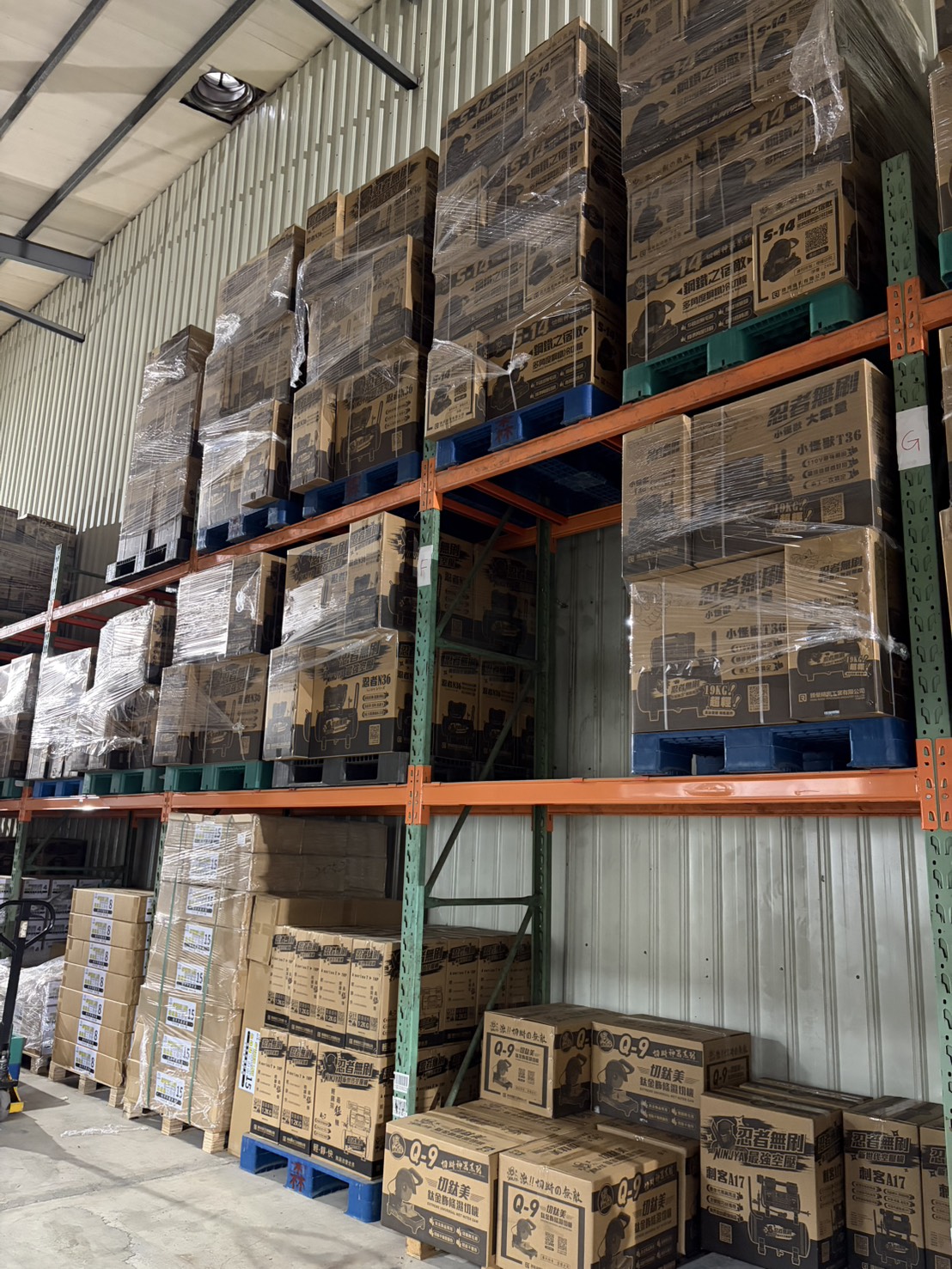
Volume orders are staged before dispatch. Capacity verification is part of the decision-stage checklist, not an afterthought at the contracting stage.
Future Outlook
Two directions look likely over the next few years. First, cooling duration will remain the primary competitive axis in industrial segments, because it maps directly onto how long a crew can stay productive in heat. Second, the market's centre of gravity is shifting toward Asia Pacific, where outdoor labour populations and industrialisation are largest and where cooling is increasingly treated as a productivity and safety issue rather than a comfort purchase.
For buyers, the implication is procedural. Scenario fit should be written into procurement documents ahead of the order, not corrected afterwards: specify a cooling window against the longest continuous rotation on site, name the roles the vest will be issued to, and state the refreeze arrangement in the same document. Suppliers that publish cooling duration, weight, consumable model and quality control measures are easier to compare on those terms than suppliers that list only a product category.
A heat management plan is what delivers the outcome. The vest is one component of it.
FAQ
What cooling duration does the Shokunin water-cooled vest provide?
Shokunin states a cooling duration of 3–4 hours for its water-cooled vest, compared with approximately 30 minutes for other water-cooled vests, which lose their cooling effect after that period. The figure applies to a single charge of the cooling loop and is most useful when compared against the length of a continuous work rotation rather than against a full shift.
Which work roles is the COOLWAVE water-circulation vest best suited to?
Shokunin lists high-temperature environments, metal sheet factories and outdoor sites as the environments its water-cooled vest is more suitable for. In practice that covers traffic control and roadside crews on fixed rotations, sheet metal and metal-roof factory workers exposed to radiant heat, construction and general outdoor crews, and food stall operators or street vendors whose heat exposure concentrates around service peaks.
What is the vest's weight and how many ice packs does it use?
The vest uses two ice packs and has a net weight of under 2 kg. Weight is relevant because the vest is carried for the full cooling window, and because many heat-exposed roles already involve high-visibility clothing, harnesses or hand tools.
What maintenance does the vest require, and how is ice pack leakage handled?
The vest uses reusable ice packs and durable fabric, which Shokunin describes as requiring minimal maintenance; other water-cooled vests are described as needing frequent ice pack replacement with higher wear and tear and more upkeep. For ice pack leakage, the stated control is reinforced ice pack material with 100% quality guaranteed before shipment. Ice packs remain a wear item and should be inspected between uses.
What should a buyer verify before ordering in volume?
The core checks are cooling duration against the longest continuous rotation on site, whether a freezer or cold storage is available for refreezing packs, net weight against the physical demands of the task, consumable supply and replacement cycle, and supplier capacity and continuity. On the last point, Shokunin's parent company Feng Shang Precision Co., Ltd. was founded in 2009, operates a 1,000 m² factory with 30 employees and 5 R&D engineers, produces 10,000 units annually, exports 50% of its output, and lists the USA and Taiwan among its main markets.
A product brochure with the COOLWAVE water-circulation vest specification details is available for download: COOLWAVE product brochure (PDF).